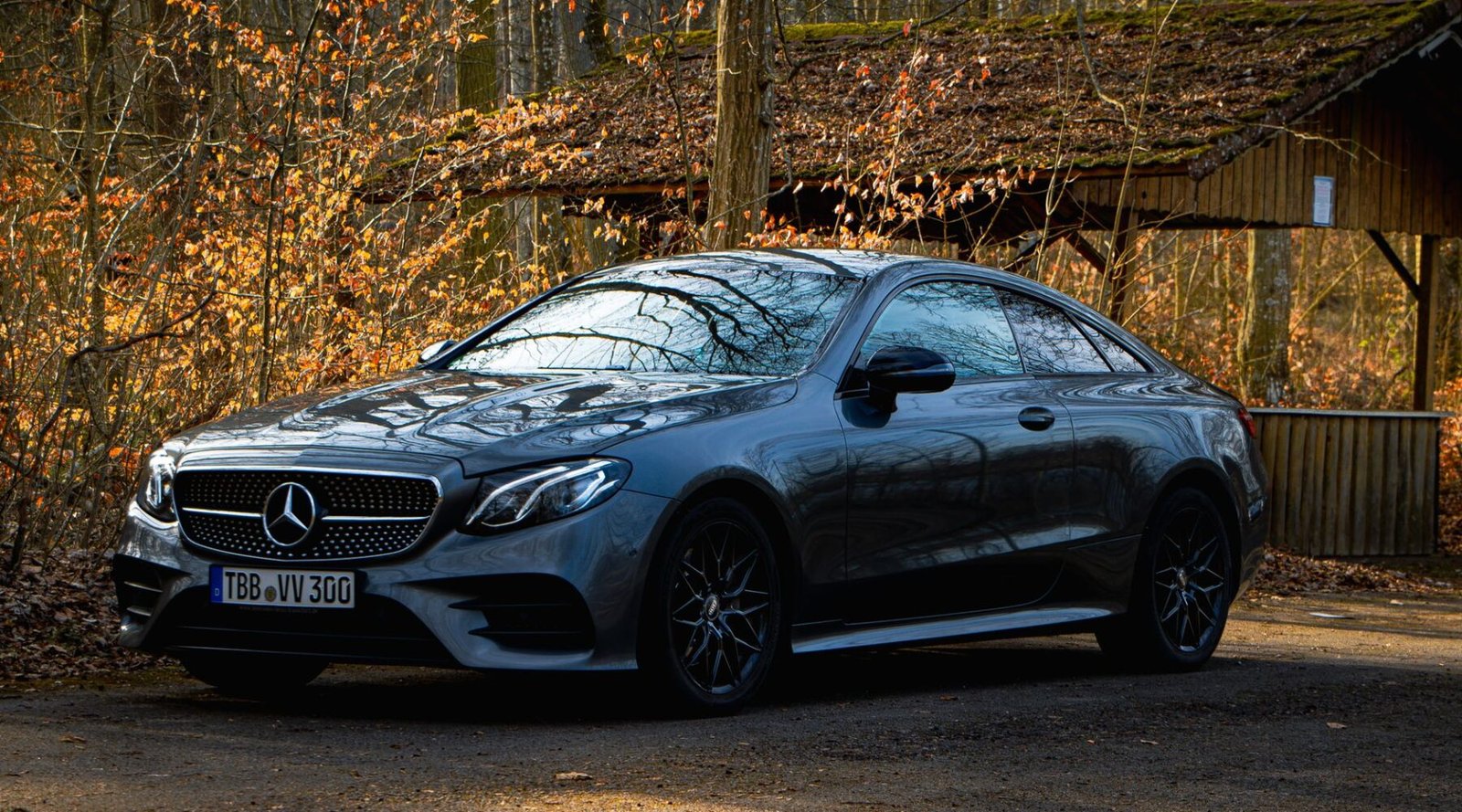
The modern automotive marketplace changes rapidly, yet rushing into a showroom today can mean missing out on significant technological leaps arriving over the next two model years. For buyers seeking genuine driving engagement, structural innovation, or smarter packaging, patience remains a virtue. These ten upcoming vehicles represent distinct engineering goals that make waiting well worth the delay.
High performance redefined
Porsche is preparing its all-electric 718 EV sports car, translating the balance of the mid-engine Cayman and Boxster into a high-voltage architecture. By positioning battery modules behind the driver rather than flat under the floor, Porsche aims to preserve the low seating position and sharp rotational dynamics traditional sports car enthusiasts demand.
Chevrolet pushes American muscle to engineering extremes with the Corvette ZR1. Featuring a twin-turbocharged 5.5-liter flat-plane crank V8 producing over one thousand horsepower, the ZR1 brings exotic hypercar performance down to a production platform without requiring a seven-figure outlay.
Bugatti shifts away from pure forced induction with the Tourbillon, replacing the legendary W16 with a naturally aspirated V16 engine paired with three electric motors. This hybrid setup delivers extraordinary power while restoring a high-revving internal combustion soundtrack.
Dodge modernizes its muscle car legacy with the new Charger Daytona. Built on the flexible STLA Large platform, it offers pure electric performance alongside twin-turbo inline-six powertrains, retaining standard all-wheel drive and traditional aggressive proportions.
Accessible icons and functional EVs
Honda reintroduces the Prelude nameplate as a sleek hybrid coupe. Designed to bridge the gap between efficiency and driver involvement, the Prelude utilizes a tuned two-motor hybrid powertrain alongside chassis tuning derived from the Civic Type R.
Rivian targets a broader market with the R2 SUV. Built on a clean-sheet midsize platform, the R2 retains the brand’s off-road capability and distinct design language at a target price point under forty-five thousand dollars, making advanced EV architecture far more accessible.
Toyota expands its off-road lineup with a compact body-on-frame utility vehicle, tentatively named the Land Cruiser FJ. Taking cues from the Compact Cruiser concept, this smaller model delivers authentic four-wheel-drive hardware in a maneuverable urban footprint.
Patience yields vehicles built on dedicated platforms rather than compromised transitional architectures.
Architectural shifts in the sedan segment
BMW grounds its future strategy in the Neue Klasse platform, debuting with a compact sedan that previews the next-generation 3 Series. Featuring an 800-volt electrical system, sixth-generation battery technology, and radical interior ergonomics, it promises a thirty percent increase in range and charging speed.
Alfa Romeo plans to convert the Giulia into a high-output electric sport sedan. Utilizing Stellantis architecture capable of delivering up to one thousand horsepower in Quadrifoglio trim, the next Giulia promises to retain its Italian dynamic character while embracing ultra-fast charging capability.
Hyundai N division continues its performance EV trajectory with the upcoming Ioniq 6 N. Utilizing the streamlined aerodynamic profile of the standard sedan, the 6 N will pair high-output dual motors with track-tested thermal management and simulated gearshifts to maximize driver feedback.
Waiting for these ten models ensures access to mature electric platforms, refined hybrid powertrains, and purposeful interior software. Buying now means settling for interim technology, whereas waiting delivers the future of performance and utility directly to your driveway.
Impact of EV advancements on upcoming models
The automotive industry is undergoing a seismic shift towards electric vehicles (EVs), and this transition is set to redefine not only the types of cars being released but also the technologies and features that will become standard. For consumers considering whether to purchase now or wait, understanding the implications of these advancements is crucial.
One of the most significant developments in the EV segment is the continued improvement in battery technology. Manufacturers are racing to produce batteries that not only have higher energy densities but also faster charging times. For instance, Tesla’s new 4680 battery cells promise a range of over 300 miles with just a few minutes of charging. This leap in technology will likely be mirrored across the industry, meaning that models set to hit the market within the next couple of years will have capabilities that make current EVs seem outdated.
“The shift towards solid-state batteries is on the horizon, potentially allowing for even greater ranges and reduced charging times, which could revolutionize the EV landscape.”
Moreover, as more cities and countries pledge to go carbon neutral, the demand for EVs will likely explode. This increasing demand is prompting automakers to rethink their offerings. For example, Ford’s upcoming electric F-150 Lightning is not just a nod to sustainability; it’s packed with features like bi-directional charging, which allows owners to use their vehicle as a power source for their homes. This type of functionality is becoming a crucial selling point and could influence traditional gas-powered models to incorporate similar features, making them less appealing in comparison.
Another noteworthy trend is the integration of advanced driver-assistance systems (ADAS) and autonomous driving capabilities into upcoming models. The recent announcements from companies like Volkswagen regarding their ID.4 and related models show a clear trend towards enhancing user experience through technology. These new models are expected to come equipped with Level 4 autonomy, meaning that while a driver may still be present, the car can handle most driving tasks without human intervention. This feature is not just a gimmick; it redefines convenience and safety in ways that traditional vehicles simply cannot match.
“As autonomous technology matures, upcoming models will likely offer features that fundamentally change how we think about driving and ownership.”
One cannot overlook the growing importance of software in vehicles. The future of cars is shifting towards being more like smartphones on wheels. Tesla has already led the charge with over-the-air updates that enhance performance and introduce new features post-purchase. Upcoming models from other manufacturers are expected to follow suit, providing an ever-evolving vehicle experience that can adapt to consumer needs and preferences over time. This trend means that buying a new car now could lead to an experience that feels static in just a few years as newer models leverage software advancements.
Finally, the rising trend of sustainability and the circular economy will push manufacturers to innovate not just in terms of vehicle performance but also in materials and production processes. Companies like BMW and Mercedes-Benz are investing in sustainable manufacturing practices and materials, which will likely become standard in their upcoming models. For consumers who prioritize environmental responsibility, waiting for these upcoming models could align better with their values and needs.
In summary, the implications of EV advancements, autonomous driving technologies, and sustainable practices are reshaping the automotive landscape. With so much innovation on the horizon, consumers would do well to consider holding off on their next purchase. The cars of tomorrow promise not just better performance and features, but a fundamentally different experience that could render today’s models obsolete.
Evaluating next-gen technology and value propositions
As car manufacturers ramp up their focus on electrification, connectivity, and autonomous driving, the next few years promise a wave of innovative models that not only enhance driving experience but also redefine vehicle ownership. Understanding these advancements is crucial for making an informed decision about when to purchase your next vehicle.
One significant trend is the integration of advanced driver-assistance systems (ADAS) and fully autonomous driving capabilities. For instance, the upcoming Tesla Model 2 is expected to be a compact, cost-effective electric vehicle that incorporates the company’s latest Full Self-Driving technology. Unlike previous models, which required a premium price tag, the Model 2 aims to democratize access to Tesla’s advanced features, making it a compelling option for budget-conscious consumers eager to embrace the future of driving.
In addition to autonomous features, the technology that enhances in-car connectivity is evolving rapidly. The Ford Mustang Mach-E has set a benchmark with its 15.5-inch touchscreen powered by the latest SYNC 4A infotainment system. Upcoming models like the Chevrolet Blazer EV are expected to follow suit, with enhanced voice recognition, over-the-air updates, and seamless smartphone integration. Such features not only improve user experience but also ensure that the vehicle remains relevant as software updates can enhance functionality long after the purchase.
“The future of driving is not just about getting from point A to B; it’s about the journey being smarter and more connected.”
Another pivotal aspect to consider is the sustainability of upcoming vehicles. As more consumers prioritize environmental impact, manufacturers are responding with electric vehicles that boast impressive battery technology. The Hyundai Ioniq 6, for example, is set to feature an 800-volt architecture that allows for ultra-fast charging and a longer range. This leap in battery technology not only addresses range anxiety but also positions electric vehicles as more viable options for daily use.
Moreover, the value proposition of these upcoming cars extends beyond their initial price. Many manufacturers are now offering subscription services and flexible leasing options that allow drivers to access the latest vehicles without a long-term commitment. Brands like Volvo have introduced Care by Volvo, which allows customers to switch vehicles as new models are released. This flexibility makes it easier for consumers to wait for the right model that meets their needs without feeling locked into a purchase.
Finally, it is essential to keep an eye on the market for used electric vehicles. As new models arrive, there is a growing pool of second-hand electric cars that can provide significant savings while still offering modern technology. Platforms like Carvana and Vroom are expanding their inventories of certified pre-owned EVs, making it easier to find a reliable vehicle that aligns with the latest automotive advancements.
In summary, holding off on a purchase can be beneficial as it allows consumers to take advantage of the rapidly evolving technology and value being offered by upcoming models. By staying informed about these advancements, consumers can make a more strategic decision that not only meets their immediate needs but also prepares them for the future of mobility.
How advanced technology is shaping the future of cars
As the automotive industry continues to innovate at a rapid pace, it’s essential to consider how new technologies will impact both the driving experience and vehicle ownership. One of the most significant trends is the integration of advanced driver-assistance systems (ADAS) and fully autonomous driving capabilities. Upcoming models are not just offering incremental improvements; they are revolutionizing how we think about driving.
Take, for example, the upcoming Tesla Model 2, projected to launch in 2024 at a more accessible price point. This model is expected to feature an upgraded version of Tesla’s Full Self-Driving (FSD) software, which will allow for Level 4 autonomy in select conditions. With a price tag potentially below $30,000, this vehicle may reshape the compact car market while making advanced technology available to a broader audience.
Another model to watch is the Ford F-150 Lightning, which brings electric power and cutting-edge technology to the beloved F-Series lineup. This fully electric truck not only offers a zero-emission alternative but also integrates features like Ford’s BlueCruise, a hands-free driving system that leverages advanced sensors and cameras. As more manufacturers adopt similar technologies, traditional driving skills may become less relevant, making it wise to hold off on purchasing a conventional model.
Moreover, the emergence of vehicle-to-everything (V2X) communication technology is set to change the automotive landscape. Cars that can communicate with each other, traffic lights, and even pedestrians will create a safer driving environment. The upcoming Hyundai Ioniq 6 is expected to include V2X capabilities, allowing it to adjust its driving behavior based on real-time traffic conditions, reducing the likelihood of accidents and optimizing traffic flow.
Additionally, the 2025 Chevrolet Silverado EV aims to redefine what consumers expect from electric trucks. With a focus on connectivity and autonomous features, the Silverado EV will offer capabilities such as automatic lane changes and predictive parking, which will make driving more intuitive and less stressful. These innovations not only enhance user experience but also highlight the potential for a complete paradigm shift in how vehicles are operated and maintained.
“The automotive industry’s shift towards electrification and automation is not just about sustainability; it’s about redefining the relationship between drivers and their vehicles.”
As these technologies mature, they will likely decrease the resale value of older models that lack such features. Holding off on a purchase could allow consumers to invest in a vehicle equipped with the latest advancements, ensuring they benefit from improved safety, efficiency, and convenience. While the allure of a new car can be strong, the upcoming wave of models brimming with technological innovations makes it worthwhile to wait a little longer.
In summary, the technological advancements showcased in upcoming models not only promise a better driving experience but also signify a shift in automotive ownership. Consumers who hold off on their next purchase can position themselves to take advantage of these innovations, ultimately leading to a more rewarding ownership experience.
Related reading: Long-Term Update: 40,000 Miles in a Compact Hatchback, and The definitive new cars to buy for real engineering and performance. For an outside reference on this topic, see the EPA's official fuel economy database.