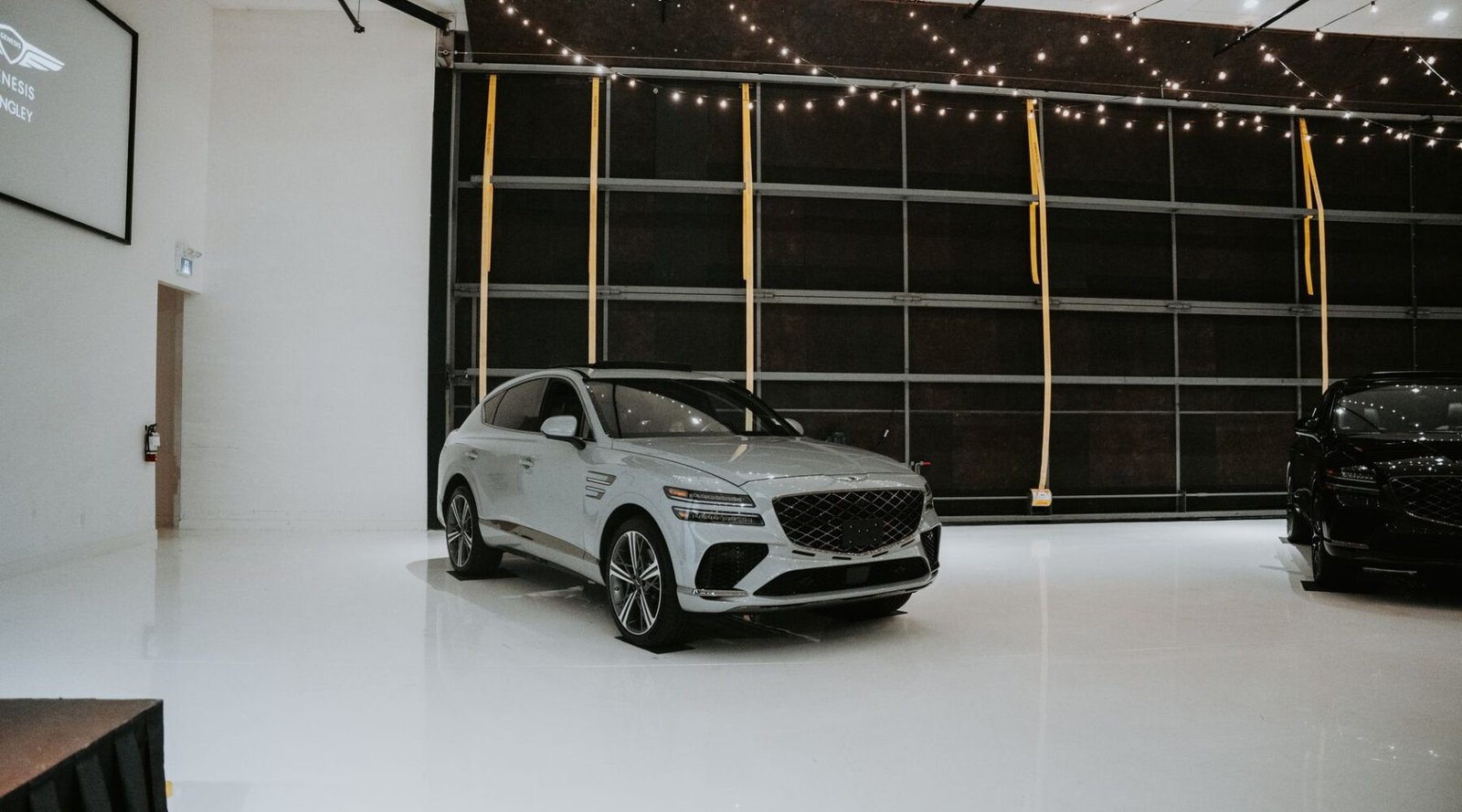
The modern definition of automotive luxury extends far beyond fine leather and polished wood trim. Today, luxury demands an immaculate ride quality, quiet cabin acoustics, effortless powertrain delivery, and seamless technology integration. As automakers advance both electrification and chassis engineering, the high-end market offers remarkable diversity. This analysis evaluates the standout luxury vehicles available today.
The benchmark full-size luxury sedans
The Mercedes-Benz S-Class continues to serve as the industry reference point for flagship sedans. Its ride compliance, provided by standard air suspension, isolates passengers from road imperfections without feeling disconnected from the surface. The interior balances digital interface density with physical craftsmanship, featuring active ambient lighting and an available rear-seat executive package that rivals first-class air travel. Under the hood, mild-hybrid inline-six and V8 powertrains deliver smooth, unruffled acceleration.
BMW takes a distinct approach with the 7 Series and its all-electric counterpart, the i7. Rather than separating its internal combustion and electric architectures, BMW utilizes a shared platform that preserves generous interior dimensions across both variants. The cabin introduces tactile materials like cashmere wool alongside traditional leather, complemented by an optional 31-inch rear theater display. The i7 delivers near-silent operation that elevates overall chassis refinement.
The elevation of the luxury SUV
The Range Rover remains the definitive luxury utility vehicle. Its understated exterior hides an exceptionally quiet cabin and an electronically controlled air suspension that adapts continuously to both pavement and off-road terrain. Land Rover offers long-wheelbase configurations with individual rear executive seats, making it a legitimate alternative to traditional flagship saloons while retaining genuine off-road capability.
For drivers seeking exceptional mechanical craftsmanship combined with high performance, the Bentley Bentayga provides a compelling balance. Available with V8 and plug-in hybrid powertrains, the Bentayga pairs rapid acceleration with an interior defined by hand-stitched hides, real knurled metal switchgear, and book-matched wood veneers. An active anti-roll control system counteracts body lean, allowing the heavy SUV to maintain composure through demanding corners.
The electric luxury vanguard
The Lucid Air demonstrates how purpose-built electric platforms redefine luxury interior packaging. By eliminating the spatial constraints of a gas engine, the Air provides full-size interior passenger room within executive-sedan exterior proportions. Its electric powertrains yield exceptional real-world efficiency and range while delivering instant throttle response. The cabin design emphasizes minimal Scandinavian aesthetics and high-resolution glass interfaces.
Porsche approaches electric luxury from a driver-focused perspective with the Taycan. Available in sedan and wagon variants, the Taycan features an 800-volt architecture for rapid DC fast charging, paired with driving dynamics that rival traditional sports cars. Its adaptive air suspension, rear-axle steering, and two-speed rear transmission ensure exceptional high-speed stability and repeatable performance.
True automotive luxury is defined not by transient tech features, but by the seamless execution of ride comfort, mechanical quietness, and intuitive design.
Selecting the ideal luxury vehicle depends on specific ownership priorities: the timeless composure of the S-Class, the all-weather versatility of the Range Rover, or the efficiency of the Lucid Air. Each represents the peak of contemporary automotive engineering.
Exploring the future of executive mobility
As the automotive industry evolves, so do the expectations for executive transport. In recent years, the focus has shifted from merely providing luxury and comfort to integrating advanced technology and sustainability into the luxury vehicle experience. This new paradigm is not only about arriving in style but also about making a statement that aligns with modern values, such as environmental responsibility and connectivity.
One of the most significant trends in luxury executive transport is the rise of electric vehicles (EVs). Brands like Tesla have set a precedent by combining high-end features with zero-emission driving. The Tesla Model S, for instance, offers impressive acceleration and a spacious interior, all while boasting a range of over 400 miles on a single charge. This model has become a symbol of how luxury and sustainability can coexist, appealing to executives who want to project a forward-thinking image.
Furthermore, established luxury car manufacturers are adapting to these changes. The Porsche Taycan, an electric sedan, exemplifies this shift. It not only offers the performance and luxury expected from the brand but also features a high-tech interior with advanced connectivity systems, making it an ideal choice for executives who depend on seamless integration of their digital lives while on the road.
“Sustainability is not just a trend; it’s becoming a core value for luxury brands as they cater to a new generation of executives who prioritize environmental impact.”
In addition to sustainability, the integration of artificial intelligence (AI) and connectivity features is reshaping the luxury transport landscape. Vehicles are increasingly equipped with advanced driver-assistance systems (ADAS) that enhance safety and convenience. The Mercedes-Benz S-Class, for instance, comes with a sophisticated AI-powered MBUX infotainment system that learns the driver’s preferences and can control various vehicle functions through voice commands. This level of personalization not only enhances the driving experience but also allows executives to focus on their work while on the move.
Moreover, the concept of autonomous driving is on the horizon, promising to revolutionize executive transport. Companies like Waymo and Cruise are making strides in self-driving technology, and while fully autonomous vehicles are not yet mainstream, the implications for executive mobility are profound. Imagine an executive car that could drive itself to a meeting, allowing the occupant to prepare or conduct virtual meetings en route. This possibility could redefine productivity for busy executives, making travel time an extension of the office rather than a loss of time.
Additionally, the emergence of mobility-as-a-service (MaaS) platforms is changing how executives approach their travel needs. Services like Uber Lux and Lyft Lux offer high-end vehicle options that can be summoned on-demand, providing flexibility and convenience for those who may not want to own a luxury vehicle outright. This trend allows executives to select vehicles that suit their specific requirements for each journey, whether it’s a quiet sedan for a business meeting or a spacious SUV for transporting clients.
“The future of executive transport lies in embracing technology and sustainability, allowing executives to remain productive while making responsible choices.”
In conclusion, the luxury executive transport landscape is undergoing a significant transformation, driven by the need for sustainability, advanced technology, and personalized experiences. As these elements continue to evolve, executives can expect their transport options to not only meet but exceed their expectations, creating a new standard for what it means to travel in style and comfort in the modern world.
Evolution of technology in executive transport
The landscape of executive transport has evolved significantly over the past decade, driven by advancements in technology that enhance not only comfort but also safety and efficiency. High-end manufacturers are integrating cutting-edge features that redefine what it means to travel in luxury.
For instance, take the Mercedes-Benz S-Class, a long-standing favorite among executives. The latest S-Class models incorporate an advanced MBUX infotainment system that uses artificial intelligence to learn preferences and provide a personalized experience. This system enables voice command control that responds to natural language, allowing passengers to adjust climate settings, navigate, or access entertainment without lifting a finger.
Another noteworthy example is the BMW 7 Series, which features a unique Gesture Control system. This allows drivers and passengers to control various functions, such as volume and navigation, through hand gestures. This intuitive interface minimizes distractions, enabling executives to focus on their work or discussions without fumbling with controls.
“The integration of technology in luxury vehicles is not just about convenience; it’s about redefining the executive experience for the modern age.”
Moreover, the rise of hybrid and electric vehicles has brought a new dimension to the executive transport market. The Tesla Model S, while not traditionally viewed as a luxury vehicle, is becoming increasingly popular among executives for its impressive range, rapid acceleration, and cutting-edge Autopilot feature. This makes it a viable alternative for those looking to reduce their carbon footprint without sacrificing performance. The Model S’s over-the-air software updates also ensure that the vehicle’s features remain current, a key consideration for tech-savvy executives.
Luxury brands are also focusing on sustainability in their offerings. The Porsche Taycan, for example, blends luxury with performance and environmental responsibility. Its high-performance electric drivetrain offers instantaneous torque, thrilling acceleration, and a high-tech interior that includes sustainable materials. This shift towards electric vehicles reflects a growing awareness among executives about the importance of sustainability in business practices.
Safety features have also received significant attention. The Volvo S90, renowned for its commitment to safety, incorporates advanced driver assistance systems that include pilot assist, lane-keeping aid, and a collision avoidance system that actively works to prevent accidents. Such features not only enhance the safety of passengers but also provide peace of mind for executives who need to focus on their work while on the road.
In addition to these technological advancements, connectivity has become a critical component of executive travel. Many luxury vehicles now come equipped with 5G capabilities, enabling seamless internet access for all passengers. This connectivity allows executives to conduct business meetings, access documents, and stay in touch with their teams while traveling. For example, the Audi A8 offers a Wi-Fi hotspot that can support multiple devices, turning the back seat into a mobile office.
“The future of executive transport lies in the seamless integration of luxury, technology, and sustainability.”
As manufacturers continue to innovate, the standard for executive transport will likely evolve even further. The next generation of luxury vehicles will not only focus on the driving experience but also on creating an environment that facilitates productivity and promotes well-being. Whether through enhancing connectivity, integrating advanced safety features, or prioritizing sustainability, the luxury car market is set to redefine the expectations of executive travel in the years to come.
Technological innovations enhancing executive transport
The luxury car market has undergone a significant transformation, not just in terms of design and performance but also through the integration of cutting-edge technology. Executive transport is no longer merely about arriving in style; it is increasingly about creating an environment that enhances productivity and comfort while on the move. Several luxury manufacturers are leading the way in this arena, implementing advanced features that cater specifically to the needs of executives.
One prime example is the Mercedes-Benz S-Class, often hailed as the benchmark for luxury sedans. The latest iteration comes equipped with the MBUX (Mercedes-Benz User Experience) infotainment system, which uses artificial intelligence to learn the preferences of its users. This system allows for voice commands that can control everything from navigation to climate settings, making it easier for busy executives to stay focused on their work or meetings rather than fiddling with controls.
Moreover, the S-Class boasts a feature known as the “E-Active Body Control,” which actively scans the road ahead and adjusts the suspension in real time for maximum comfort. This system not only improves ride quality but also ensures that passengers can arrive at their destination feeling refreshed and ready to tackle their next engagement.
The integration of AI and real-time data analysis is revolutionizing the way executives experience transport.
Another noteworthy example is the BMW 7 Series, which has also embraced technology to enhance the executive experience. Its gesture control feature allows drivers and passengers to perform functions like adjusting the volume or answering calls with simple hand movements. Such innovations minimize distractions and keep the focus on the road ahead. Additionally, the 7 Series utilizes a sophisticated heads-up display that projects important information onto the windshield, allowing executives to stay informed without taking their eyes off the road.
For those who prefer the electric luxury segment, the Tesla Model S stands out for its unique approach to combining performance with technology. With over-the-air software updates, owners can continuously benefit from new features and improvements, ensuring that their vehicle remains state-of-the-art. Tesla’s Autopilot system also adds a layer of convenience, allowing executives to delegate some driving tasks, which can be particularly useful during long trips or in heavy traffic.
As the market evolves, the focus on connectivity has intensified. Many luxury vehicles now come equipped with comprehensive Wi-Fi hotspots, allowing passengers to stay connected and productive while traveling. For instance, the Audi A8 features a 5G connection that not only supports high-speed internet access but also enables real-time data sharing and cloud services, ensuring executives can work seamlessly on the go.
The future of luxury executive transport lies in the seamless integration of technology and personalized experiences.
In conclusion, the evolving landscape of luxury executive transport is heavily influenced by technological advancements. The integration of AI, real-time data analysis, and connectivity features are not mere conveniences; they are essential tools that enhance productivity and comfort for today’s executives. As the industry continues to innovate, the standard for executive transport will undoubtedly rise, setting new benchmarks for what luxury truly means in the context of business travel.
Related reading: First Drive: The Solari EV-9 Doesn’t Try to Be Clever, and That Works in Its Favor, and Long-Term Update: 40,000 Miles in a Compact Hatchback. For an outside reference on this topic, see the EPA's official fuel economy database.



1 Response