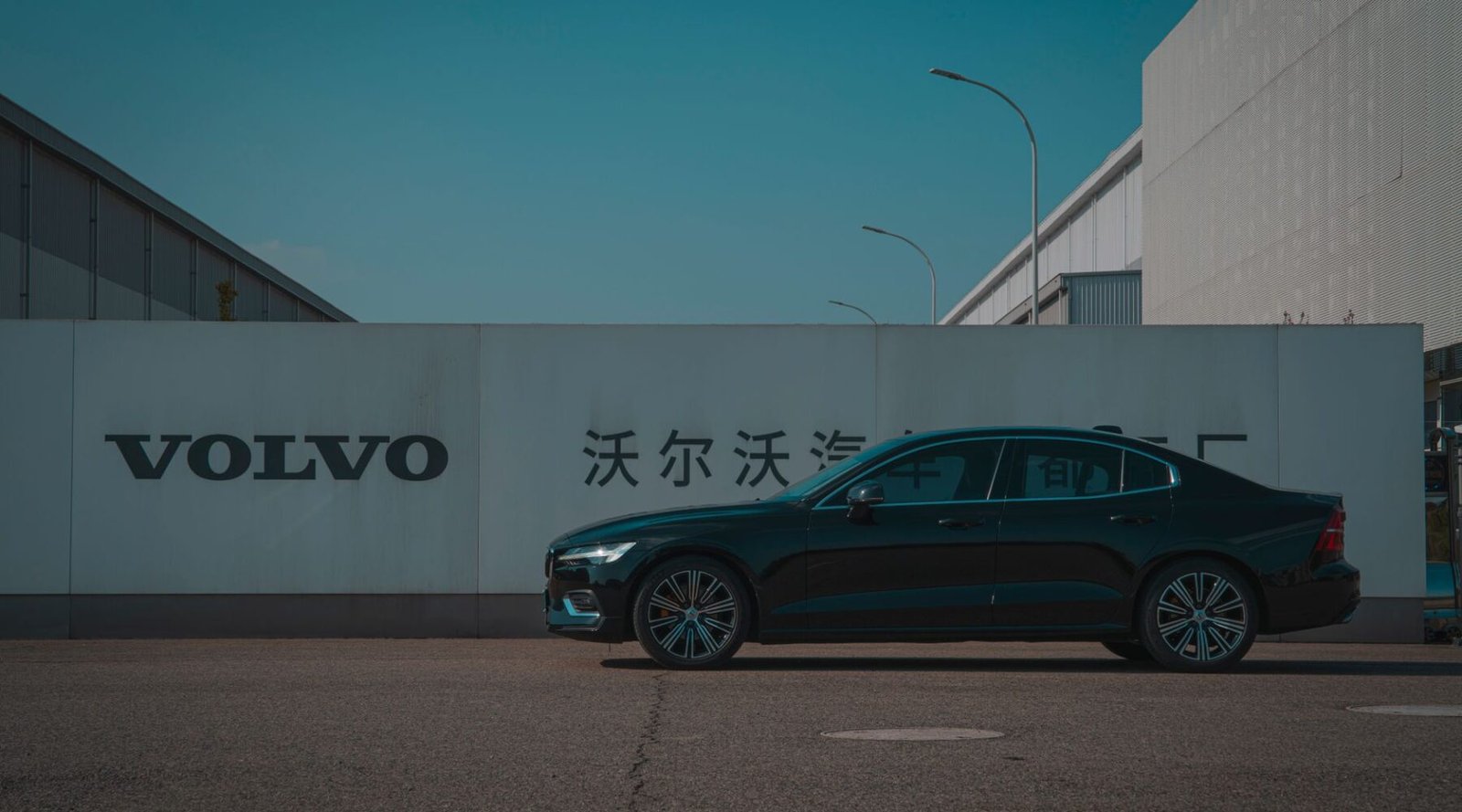
The rise of Chinese automakers is reshaping the global car market in unprecedented ways. As these manufacturers expand their reach beyond domestic borders, they are not only increasing competition but also altering consumer preferences, supply chains, and technological advancements across the automotive industry.
The emergence of Chinese automotive giants
Over the past two decades, China has cemented its position as the largest automotive market in the world. Companies like Geely, BYD, and NIO have transformed from local players to globally recognized brands. This transformation is driven by substantial investments in research and development, strategic partnerships, and a focus on electric vehicles (EVs).
Investment in innovation and technology
Chinese automakers are heavily investing in innovation, particularly in electric and autonomous vehicle technologies. The Chinese government’s support for EV adoption, combined with a robust supply chain for battery production, has positioned these companies at the forefront of the green revolution. For instance, BYD has become one of the leading manufacturers of electric batteries, which are critical for the performance and range of EVs.
Impact on global supply chains
The rise of Chinese automakers is also influencing global supply chains. As these companies expand, they are sourcing materials and components from various countries, leading to a more interconnected global supply network. This shift is prompting traditional automakers in Europe and North America to reassess their strategies regarding sourcing and production, as they face competition not only in the marketplace but also in securing essential materials.
Changing consumer preferences
The entry of Chinese brands into international markets is altering consumer preferences. As these manufacturers offer high-quality vehicles at competitive prices, consumers are increasingly considering alternatives to established brands like Ford, Honda, and Volkswagen. The appeal of affordable EVs with advanced technology is particularly strong among younger consumers who prioritize sustainability and innovation.
Challenges faced by established automakers
Established automakers are grappling with the challenges posed by the rise of Chinese manufacturers. Traditional brands have been slow to adapt to the rapid shift towards electrification and digitalization. In response, many are ramping up their investments in EV technology and digital features to remain competitive. This is evident in the growing number of new electric models being announced by legacy automakers.
Geopolitical factors influencing the market
The geopolitical landscape also plays a significant role in the dynamics of the automotive industry. Trade tensions and tariffs can impact the ability of Chinese automakers to enter certain markets. For example, the United States has imposed tariffs on several Chinese imports, which could hinder the expansion of Chinese brands in North America. Conversely, the European Union is exploring ways to enhance its collaboration with Chinese manufacturers, particularly in the realm of sustainable mobility.
The rise of electric vehicles
The global shift towards electric vehicles is a key factor in the rise of Chinese automakers. With stringent emissions regulations in various countries, there is an increasing demand for EVs. Chinese manufacturers are well-positioned to capitalize on this trend due to their early investments in battery technology and EV infrastructure. This has resulted in significant market share for companies like NIO and Xpeng, which are gaining traction in Europe and Asia.
The future of Chinese automakers
Looking ahead, the future of Chinese automakers seems promising. With a focus on innovation, sustainability, and global expansion, these companies are poised to play a crucial role in shaping the future of the automotive industry. As they continue to refine their products and adapt to global market demands, the competitive landscape will evolve, forcing established brands to innovate or risk obsolescence.
Conclusion: A transformative shift in the automotive landscape
The rise of Chinese automakers marks a transformative shift in the global car market. As they challenge established players and redefine consumer expectations, the automotive industry must adapt to this new reality. The implications of this shift are far-reaching, influencing everything from supply chains to consumer preferences and technological advancements. As we move forward, understanding the strategies and innovations of Chinese automakers will be essential for anyone involved in the automotive sector.
Technology and innovation: The backbone of growth
As Chinese automakers have surged in prominence on the global stage, their success can be attributed not only to favorable domestic policies and cost advantages but also to a relentless focus on technology and innovation. This strategic emphasis has allowed companies such as BYD, NIO, and Geely to redefine automotive manufacturing and consumer expectations.
One of the most significant trends is the aggressive investment in electric vehicles (EVs) and battery technology. According to the International Energy Agency, China accounted for over 50% of global electric vehicle sales in 2021. This dominance is not merely a matter of scale; it is underpinned by substantial investments in research and development. For instance, BYD has invested billions into developing its proprietary Blade Battery technology, which enhances safety and extends the lifespan of its EVs. As a result, BYD has become the world’s largest EV manufacturer, surpassing even Tesla in some quarters.
Moreover, the Chinese government has provided substantial incentives to promote the adoption of EVs, including subsidies for manufacturers and consumers, as well as investments in charging infrastructure. This proactive approach has created a fertile ground for innovation, enabling companies to experiment with cutting-edge technologies such as autonomous driving, smart connectivity, and sustainable manufacturing practices.
For example, NIO has garnered attention not only for its electric SUVs but also for its innovative battery swapping technology, which allows drivers to exchange depleted batteries for fully charged ones in under five minutes. This model addresses range anxiety—a key barrier to EV adoption—while positioning NIO as a leader in the EV market. NIO’s focus on user experience, including its in-car AI assistant and comprehensive app ecosystem, further distinguishes it from traditional automakers.
“The rapid rise of Chinese automakers is a testament to their ability to harness technology as a competitive advantage, rewriting the rules of the global automotive market.”
In addition to EVs, Chinese automakers are actively exploring advancements in artificial intelligence (AI) and big data analytics. Companies like Geely and SAIC are leveraging AI not only to enhance manufacturing efficiency but also to develop smart vehicle features that improve safety and user experience. This technology-driven approach has led to collaborations with tech giants such as Alibaba and Baidu, further integrating digital solutions into automotive design and functionality.
Furthermore, the rise of the autonomous vehicle sector cannot be overlooked. Chinese firms are investing heavily in this area, with Baidu’s Apollo project leading the charge. By partnering with various automakers and technology firms, Baidu aims to create a comprehensive ecosystem for autonomous driving, which could facilitate the widespread adoption of self-driving vehicles across China and beyond.
Chinese automakers are not just competing in their home market; they are increasingly looking to expand internationally. This expansion is supported by strategic acquisitions and partnerships, such as Geely’s purchase of Volvo and its investment in Daimler. Such moves allow Chinese companies to acquire advanced technology and expertise while also gaining access to established markets.
As these trends continue to evolve, the global automotive landscape is being reshaped. Traditional automakers are now compelled to accelerate their own innovation efforts to keep pace with their Chinese counterparts. The competitive pressure from China is driving a global race toward electrification, automation, and enhanced connectivity, marking a significant shift in the industry.
In conclusion, the rise of Chinese automakers is not merely a phenomenon of increased production; it is fundamentally about leveraging technology and innovation to create new paradigms in the automotive world. As these companies continue to push boundaries, their influence on the global market will only grow, compelling all players in the industry to adapt or risk obsolescence.
Exploring the role of technology partnerships in expansion
As Chinese automakers continue their rapid ascent in the global automotive market, a crucial factor contributing to their success is the establishment of strategic technology partnerships. These collaborations not only enhance their capabilities in electric vehicle (EV) technology but also facilitate entry into highly competitive international markets.
One prominent example is the partnership between BYD and global tech giant Huawei. This collaboration has enabled BYD to integrate Huawei’s advanced telecommunications technology into its vehicles, aiming to create smarter and more connected cars. This synergy not only boosts BYD’s technological know-how but also positions it as a frontrunner in the burgeoning smart vehicle sector.
Additionally, NIO, often referred to as the “Tesla of China,” has partnered with several international companies, including the German automotive supplier ZF Friedrichshafen. This partnership focuses on developing advanced driver-assistance systems (ADAS) and smart mobility solutions. By leveraging ZF’s expertise in traditional automotive engineering and NIO’s innovation in electric mobility, they are creating vehicles equipped with cutting-edge safety and convenience features that appeal to customers worldwide.
Moreover, the collaboration between Geely and the Volvo Group represents a significant cross-border synergy. Geely acquired Volvo in 2010 and has since invested heavily in research and development, focusing on electrification and sustainability. This partnership has enabled Geely to access Volvo’s advanced safety technologies and engineering expertise while allowing Volvo to tap into the rapidly growing Chinese market. The result is a new line of hybrid and electric vehicles that combine Scandinavian design with Chinese production efficiency.
“Partnerships allow Chinese automakers to leapfrog technology gaps and reduce the time to market for new innovations.”
The importance of these partnerships extends beyond technology transfer. They also help Chinese automakers navigate regulatory environments and establish credibility in foreign markets. For instance, XPeng Motors has collaborated with the Italian design firm Pininfarina to enhance its vehicle aesthetics and appeal to European consumers, thus improving its market penetration efforts.
Furthermore, the Chinese government’s push for international expansion aligns with these partnerships. Policies encouraging domestic companies to form joint ventures with international firms have led to a surge in collaborative projects focusing on R&D in electric and autonomous vehicles. This not only facilitates knowledge sharing but also enhances innovation capabilities within Chinese firms.
In conclusion, the rise of Chinese automakers is not solely a function of domestic market growth but is significantly bolstered by strategic technology partnerships. These alliances have equipped them with the necessary tools to innovate, comply with international standards, and effectively compete on a global scale. As the automotive landscape continues to evolve, the ability to forge and sustain these partnerships will be critical for Chinese manufacturers aiming to solidify their presence and influence in the global market.
Technology and innovation as driving forces
The surge of Chinese automakers in the global market is not merely a result of competitive pricing or government support; it is fundamentally tied to their aggressive investment in technology and innovation. In recent years, companies such as BYD, NIO, and Geely have shifted their focus from traditional manufacturing to integrating advanced technologies that appeal to a tech-savvy consumer base. This transformation is reshaping the automotive landscape.
One of the most prominent examples is BYD’s significant investment in battery technology, which has positioned it as a leader in electric vehicles (EVs). The company has developed a proprietary lithium iron phosphate (LFP) battery that offers a longer lifespan and improved safety compared to traditional lithium-ion batteries. This innovation not only enhances the performance of their vehicles but also reduces costs, making electric cars more accessible to the average consumer.
“BYD’s focus on battery innovation has set a new standard for the electric vehicle market, making it a formidable competitor not just in China, but globally.”
Moreover, NIO’s innovative approach to battery swapping technology has gained traction in urban areas where charging infrastructure may be lacking. Instead of waiting for a vehicle to charge, NIO owners can simply swap their depleted batteries for fully charged ones in minutes. This disruptive model not only addresses consumer pain points but also showcases the adaptability of Chinese automakers in leveraging technology to enhance user experience.
The integration of artificial intelligence (AI) and autonomous driving features is another area where Chinese automakers are making significant strides. Companies like Xpeng have invested heavily in developing self-driving capabilities, with their vehicles equipped with advanced driver-assistance systems (ADAS) that rival those of established Western players. The rapid development of AI technologies in China, supported by a robust ecosystem of tech firms and research institutions, allows these automakers to accelerate their innovation cycles and bring cutting-edge features to market faster.
“Chinese automakers are not just catching up; they are redefining the automotive experience through technology-driven solutions that resonate with modern consumers.”
The impact of these technological advancements extends beyond just the vehicles themselves. They are also influencing supply chain dynamics and manufacturing processes. For instance, the adoption of smart manufacturing techniques in factories has improved efficiency and reduced waste, enabling Chinese automakers to scale production to meet both domestic and international demand. This has been particularly crucial in the face of global supply chain disruptions caused by the COVID-19 pandemic.
Additionally, the collaboration between Chinese automakers and tech giants has created a fertile ground for innovation. Partnerships with companies like Baidu and Alibaba have allowed automakers to integrate cutting-edge technologies such as cloud computing and big data analytics into their operations. This synergy not only enhances vehicle performance but also drives customer engagement through connected car services.
As Chinese automakers continue to innovate, their impact on the global market is likely to grow even stronger. The focus on sustainable practices, digital connectivity, and consumer-centric design will challenge traditional automotive paradigms and force global competitors to rethink their strategies. In a market that is increasingly defined by technological prowess, the rise of Chinese automakers is not just a trend; it is a transformative movement that is reshaping the future of mobility.
Related reading: The shift toward software-defined vehicles and its impact, and How new safety regulations are changing modern cars. For an outside reference on this topic, see Reuters' autos and transportation coverage.