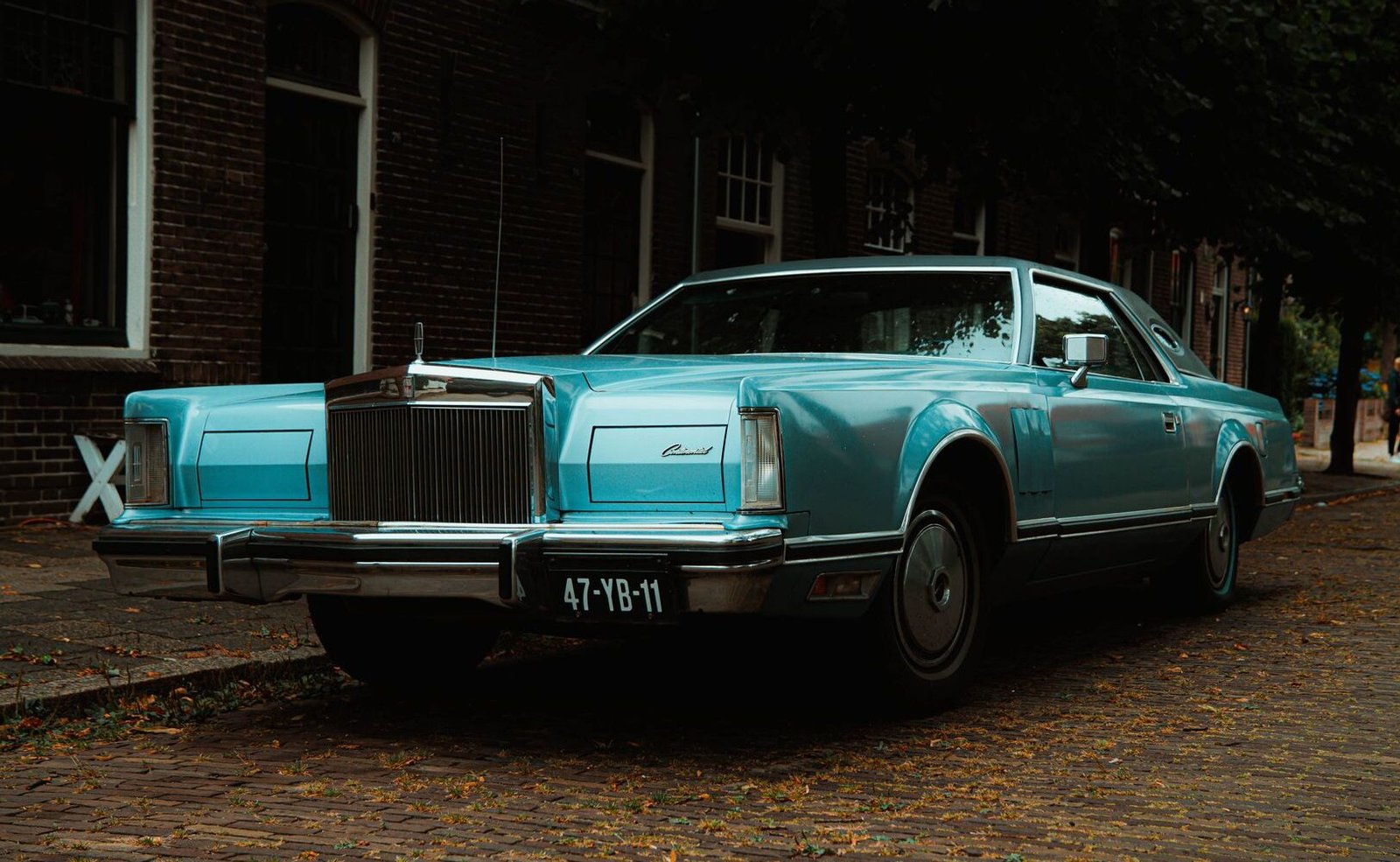
The Lincoln Mark III stands as a symbol of classic American luxury, combining elegant design with powerful performance. Launched in 1968, this iconic coupe quickly captured the hearts of car enthusiasts and luxury seekers alike. With its bold styling and high-end features, the Mark III not only defined a generation but also set the standard for future luxury vehicles.
Design and Aesthetics
One of the most striking features of the Lincoln Mark III is its design. The vehicle was conceived under the direction of the legendary automotive designer, Elwood Engel, who was known for his work on the Ford Thunderbird. The Mark III showcased a long hood, a short deck, and a wide stance, which contributed to its commanding presence on the road.
The front end featured a prominent grille, flanked by quad headlights, which gave it a distinct and aggressive look. The rear of the car boasted a unique Continental spare tire bulge, a design cue that became a hallmark for Lincoln vehicles. This aesthetic not only emphasized luxury but also conveyed a sense of power and prestige.
Performance and Engineering
Under the hood, the Lincoln Mark III was equipped with a robust 460 cubic inch V8 engine that produced an impressive 365 horsepower and 485 lb-ft of torque. This powerful engine allowed the coupe to deliver a smooth and responsive driving experience, embodying the performance expected from a luxury vehicle of its time.
Paired with a three-speed automatic transmission, the Mark III offered seamless acceleration and a comfortable ride. The suspension system was designed for both performance and comfort, featuring an independent front suspension and a rear leaf spring setup. Together, these components allowed the vehicle to handle well while providing a luxurious driving experience.
Interior Comfort and Features
The interior of the Lincoln Mark III was designed for ultimate comfort and sophistication. High-quality materials adorned the cabin, including leather upholstery and real wood trim. The seats were spacious and supportive, making long journeys enjoyable for both the driver and passengers.
Notable features included power windows, power locks, and a premium sound system, which were advanced for the time. The Mark III also offered options such as a moonroof and a climate control system, further enhancing the luxury experience. Each detail was meticulously crafted, reflecting Lincoln’s commitment to quality and elegance.
Market Position and Legacy
Upon its release, the Lincoln Mark III positioned itself as a competitor to other luxury coupes such as the Cadillac Eldorado and the Chrysler Cordoba. Its combination of style, performance, and luxury made it a popular choice among affluent buyers, contributing to strong sales throughout its production run.
The Mark III remained in production until 1971, with approximately 50,000 units sold. Its legacy continues to influence the design and engineering of modern luxury vehicles. Today, it is celebrated among classic car enthusiasts who appreciate its unique blend of style and performance.
Collectibility and Restoration
As a classic car, the Lincoln Mark III has garnered significant interest among collectors. Its unique design and historical significance make it a desirable addition to any collection. Enthusiasts often seek well-preserved models, with original features and low mileage, as these vehicles represent the pinnacle of Lincoln’s luxury offerings during the late 1960s and early 1970s.
Restoration projects for the Mark III can range from simple cosmetic updates to comprehensive rebuilds. Many owners choose to upgrade the engine for improved performance while maintaining the original aesthetic. The availability of aftermarket parts also facilitates restoration efforts, ensuring that these classic models can be revived and enjoyed for years to come.
Community and Enthusiast Clubs
There are several clubs and organizations dedicated to the preservation and appreciation of the Lincoln Mark III. These communities provide valuable resources for owners and enthusiasts, including technical support, networking opportunities, and events such as car shows and meet-ups. Joining such a club can enhance the ownership experience, as members often share tips and advice on maintaining and restoring their vehicles.
Finding a Lincoln Mark III Today
For those interested in owning a Lincoln Mark III, there are various avenues to explore. Classic car auctions, online marketplaces, and enthusiast forums can provide leads on available models. When purchasing, it is important to consider the vehicle’s condition, history, and any modifications that may have been made over the years.
Interested in This Car?
If you are considering this vehicle, you can check its current availability, pricing and purchase options from the seller.
Conclusion
The Lincoln Mark III remains a timeless representation of American luxury, blending stunning design with powerful performance. Its legacy endures in the hearts of car enthusiasts and collectors alike, serving as a reminder of a golden era in automotive history. Whether you are seeking to admire this classic coupe or add it to your collection, the Mark III continues to captivate and inspire.
Interested in This Car?
If you are considering this vehicle, you can check its current availability, pricing and purchase options from the seller.
Design and engineering legacy of the Lincoln Mark III
The Lincoln Mark III, produced between 1968 and 1971, not only defined the luxury coupe segment of its time but also established design principles that would resonate in the automotive industry for decades. Its visual elegance was not merely a product of aesthetics; it was an intricate interplay of design and engineering that set a benchmark for future luxury vehicles.
One of the hallmark features of the Mark III was its bold, sculpted lines, which were designed by the legendary Lincoln design team under Elwood Engel. The dramatic long hood and short rear deck created a powerful silhouette, which was a departure from the more conservative designs of prior models. This emphasis on a sporty yet sophisticated profile helped cement the Mark III’s status as a symbol of American luxury. The car’s unique front end, characterized by its sweeping headlights and prominent grille, was indicative of Lincoln’s intention to create a vehicle that demanded attention while still projecting an air of understated elegance.
Under the hood, the Mark III was powered by a 460 cubic inch V8 engine, which not only provided ample power but also a smooth, quiet ride that became a hallmark of the Lincoln brand. The engine’s design incorporated innovative features like a dual exhaust system that enhanced performance while reducing noise, showcasing how engineering excellence could complement design aesthetics. This focus on performance was crucial, as the Mark III was positioned to compete with European luxury brands, which were gaining traction in the American market.
The interior of the Mark III was equally groundbreaking. The use of premium materials such as rich leather upholstery and genuine wood trim set a new standard for luxury. Designers paid close attention to ergonomics, ensuring that controls were intuitively placed and easily accessible, a feature that has become increasingly important in modern luxury vehicles. The addition of amenities like power windows, adjustable seats, and a high-fidelity sound system reflected the growing consumer expectation for technological integration in luxury cars.
“Luxury is not about being noticed, it’s about being remembered.” – Elwood Engel
This philosophy was embodied in the Mark III, which offered a driving experience that was both memorable and indulgent. The car was equipped with advanced features for its time, such as an optional retractable headlight system and a climate control system that allowed for individual temperature settings. These innovations were not just gimmicks; they represented a serious commitment to luxury, ensuring that the Mark III was more than a car—it was a lifestyle choice.
In addition to its design and engineering accomplishments, the Mark III also played a significant role in shaping the future of luxury automotive marketing. Its successful launch campaign effectively communicated the car’s status as a luxury icon, targeting affluent consumers who sought more than just transportation. This strategic approach influenced how luxury vehicles are marketed today, emphasizing not only the product’s features but also the lifestyle it represents.
Today, the Lincoln Mark III stands as a benchmark for luxury coupes, influencing manufacturers from American brands to European counterparts. Its design elements, engineering feats, and marketing strategies have left an indelible mark on the automotive landscape. As collectors and enthusiasts continue to appreciate the Mark III, its legacy serves as a reminder of the golden age of American luxury automobiles.
Design legacy and cultural impact
The Lincoln Mark III, launched in 1968, not only set a new standard for American luxury coupes but also left a lasting impact on automotive design and culture. Its bold, sculpted lines and distinctive grille signaled a shift towards a more aggressive aesthetic that would influence both luxury and performance vehicles in the years that followed. This was a time when American car manufacturers were keenly aware of the need to stand out in a crowded marketplace, and the Mark III’s design was a statement of intent.
One of the most notable aspects of the Mark III’s design was its integration of elements inspired by European luxury cars. The use of a formal roofline and long hood was reminiscent of the grand coupes coming out of Italy and France, yet it maintained a distinctly American presence through its sheer size and opulence. The Mark III’s design team, led by chief designer Elwood P. Engel, took cues from the Lincoln Continental and combined them with the new styling trends of the late 1960s, resulting in a car that was both elegant and imposing.
Moreover, the Mark III introduced several design features that would later become hallmarks of luxury vehicles. The hidden headlights were a revolutionary element that added to the car’s sleek profile while improving aerodynamics—a concept that would be adopted by various manufacturers in the years to come. The use of high-quality materials, including leather upholstery and rich wood accents, set a benchmark for luxury interiors, pushing competitors to elevate their offerings as well.
“The Mark III was a game changer, not just for Lincoln but for the entire luxury market. It defined what an American luxury coupe could be.” – Automotive Historian
In terms of cultural impact, the Lincoln Mark III quickly became a symbol of status and sophistication. It was not just a vehicle; it was a lifestyle choice. The Mark III was often seen in the company of celebrities and influential figures, further cementing its image as a luxury icon. Public figures such as Frank Sinatra and President Lyndon B. Johnson were known to favor the Mark III, enhancing its allure among the affluent and those aspiring to a luxurious lifestyle. This association with fame and power contributed to the car’s mystique, making it a sought-after model during its production run.
The Mark III also played a role in the broader narrative of American culture during the late 1960s and early 1970s. As the country faced significant social changes, the luxury coupe became a symbol of American automotive prowess in a time when imports were beginning to gain traction. The Mark III’s success helped reaffirm the belief in American manufacturing and its ability to create world-class products.
In retrospect, the Lincoln Mark III can be seen as a bridge between the traditional American luxury car and the modern designs that would follow. Its impact on aesthetics, luxury features, and cultural significance has made it a beloved classic among collectors and enthusiasts. Today, the Mark III is not just celebrated for its striking visuals and comfortable ride but also for its role in shaping the identity of American luxury automobiles. As we continue to explore the legacy of the Lincoln Mark III, it stands as a testament to the innovation and craftsmanship that defined an era while influencing generations of cars to come.
Design Influences and Cultural Impact
The Lincoln Mark III emerged in the late 1960s as a symbol of American luxury, a reflection of the era’s design ethos, and a pivotal moment in automotive history. Its creation was influenced by a confluence of factors, including the burgeoning personal luxury car market, the rise of custom coachwork, and the cultural shifts of the 1960s.
At the heart of the Mark III’s design was the idea of a personal luxury vehicle that combined elegance with performance. The clean lines, signature Continental grille, and rear opera windows were not just aesthetic choices; they represented a departure from the more ostentatious designs of the previous decade. The Mark III’s design was heavily influenced by the traditional craftsmanship associated with high-end European automobiles while remaining distinctly American in its execution.
One of the most significant design elements of the Mark III was its use of the “Continental” name, which harkened back to the luxurious Continental models of the early 1960s. The Mark III’s long hood and short rear deck created a streamlined silhouette that was both sporty and stately, appealing to a demographic that valued exclusivity and sophistication. This design philosophy also aligned with the broader trends in American car manufacturing, where manufacturers began to focus on creating vehicles that catered to the desires of affluent customers rather than merely meeting functional needs.
“The Mark III is not just a car; it’s a statement of style and status, embodying the aspirations of an era.”
The Mark III’s influence extended beyond the realm of automobiles and into popular culture. It made notable appearances in films and television shows, solidifying its status as a cultural icon. For instance, in the 1971 film “The French Connection,” the Mark III is prominently featured, symbolizing power and prestige. Such appearances helped cement the vehicle’s image as the quintessential American luxury coupe, appealing not only to car enthusiasts but also to those seeking a glamorous lifestyle.
Moreover, the impact of the Lincoln Mark III can be seen in the way it influenced subsequent models within the Lincoln lineup and beyond. The success of the Mark III paved the way for other luxury vehicles, encouraging manufacturers to invest in performance-oriented luxury cars. The design and engineering decisions made for the Mark III set a benchmark for quality and style that would resonate throughout the automotive industry for years to come.
In addition to its aesthetic and cultural significance, the Mark III also represented a shift in consumer preferences. As the baby boomer generation came of age, there was a growing desire for vehicles that offered both luxury and performance. The Mark III’s combination of a powerful V8 engine, advanced suspension system, and focus on comfort made it a favorite among younger affluent buyers, who were eager to embrace a lifestyle that blended leisure with sophistication.
Today, the Lincoln Mark III remains a highly sought-after classic car, with collectors valuing its unique blend of style, performance, and historical significance. The vehicle is often celebrated at classic car shows, where it draws attention not only for its design but also for the way it encapsulates a pivotal moment in American automotive history. The Mark III is more than just a luxury coupe; it is a testament to the innovation and cultural shifts of its time, reminding us of an era when American automotive design was at its zenith.
Related reading: The best electric cars to buy this year, and Electric cars with the best range for the money. For an outside reference on this topic, see the Department of Energy's home charging guide.