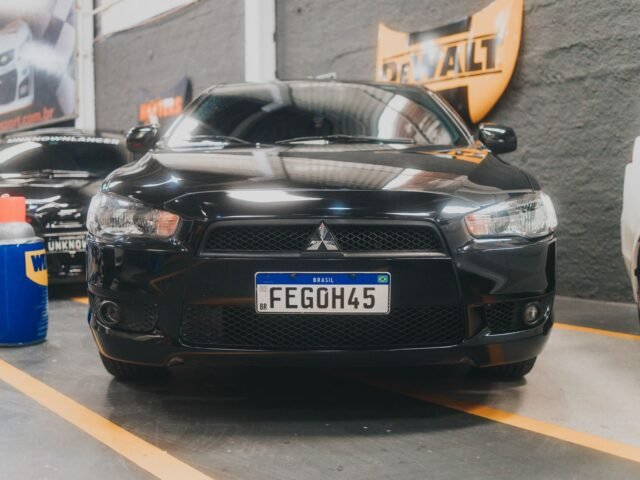
The 1996 Mitsubishi 3000GT is an iconic sports car that has garnered attention for its performance, design, and technology. As a vehicle that stands out in the automotive world, potential buyers should be well-informed about its features, reliability, and market position. This article will provide a comprehensive overview of what to expect from the 1996 Mitsubishi 3000GT.
Overview of the 1996 Mitsubishi 3000GT
The 1996 Mitsubishi 3000GT is part of the second generation of the 3000GT line, which was produced from 1994 to 1999. This model year offered various trims, including the base model, the SL, and the VR-4, which featured all-wheel drive and a twin-turbocharged V6 engine. The 3000GT was Mitsubishi’s answer to the growing demand for high-performance sports cars in the mid-1990s.
Engine and Performance
At the heart of the 1996 Mitsubishi 3000GT is a 3.0-liter V6 engine, which varies depending on the trim level. The base model and SL are equipped with a naturally aspirated version of this engine, producing around 190 horsepower. However, the VR-4 version boasts a twin-turbocharged engine that delivers an impressive 300 horsepower and 307 lb-ft of torque. This performance level enables the VR-4 to sprint from 0 to 60 mph in just over five seconds, making it a serious competitor in the sports car market.
Transmission Options
The 1996 3000GT offers buyers a choice between a five-speed manual transmission and a four-speed automatic transmission. The manual transmission is typically preferred by enthusiasts, as it allows for a more engaging driving experience. The automatic version, while convenient, tends to dull the driving dynamics for those seeking a spirited ride.
Design and Interior Features
The design of the 1996 Mitsubishi 3000GT is both distinctive and functional. Its sleek lines and aggressive stance give it a sporty appearance, complemented by features like pop-up headlights and a rear spoiler. Inside, the cockpit is driver-focused, with a well-laid-out dashboard and comfortable seating for two. Higher trims, like the VR-4, come with additional luxury features such as leather upholstery, a premium sound system, and advanced climate control.
Technology and Features
One of the standout aspects of the 1996 Mitsubishi 3000GT is its technology. The VR-4 model, in particular, was ahead of its time, featuring an active aerodynamics system that adjusts the rear spoiler based on speed, enhancing stability. Buyers can also find a variety of options, including all-wheel steering and a sophisticated all-wheel drive system, which significantly improves handling and traction.
Fuel Economy
Fuel efficiency is not typically the primary concern for buyers of sports cars, but it is worth noting. The 1996 Mitsubishi 3000GT, particularly the base model, offers respectable fuel economy for its class, averaging around 19 mpg in the city and 25 mpg on the highway. The VR-4, however, tends to consume more fuel due to its performance-oriented design, with estimates closer to 16 mpg in the city and 22 mpg on the highway.
Reliability and Maintenance Considerations
When considering a 1996 Mitsubishi 3000GT, potential buyers should be aware of its reliability and maintenance needs. While the 3000GT generally has a solid reputation for durability, it is essential to look for a well-maintained example. Common issues include problems with the cooling system, electrical components, and wear on the suspension. Regular maintenance, including timely oil changes and inspections, is crucial to keeping the 3000GT in optimal condition.
Market Availability and Pricing
The 1996 Mitsubishi 3000GT is now considered a classic car, which can influence its market availability and pricing. As of late 2023, prices for well-maintained models vary widely based on condition, mileage, and trim level. Base models can be found for a few thousand dollars, while pristine VR-4 models with low mileage may command prices significantly higher. Enthusiasts should be prepared to invest in a quality example, as the 3000GT has a dedicated following.
Interested in This Car?
If you are considering this vehicle, you can check its current availability, pricing and purchase options from the seller.
Conclusion: A timeless classic
The 1996 Mitsubishi 3000GT remains a compelling choice for sports car enthusiasts and collectors alike. Its blend of performance, technology, and unique design make it a standout in the automotive landscape. Understanding its features, performance specs, and market position is vital for any prospective buyer. Whether you’re after a base model for daily driving or a VR-4 for spirited weekend excursions, the 3000GT offers a thrilling driving experience that is hard to match. With careful research and consideration, you can find a model that fits your needs and provides enjoyment for years to come.
Interested in This Car?
If you are considering this vehicle, you can check its current availability, pricing and purchase options from the seller.
Understanding the maintenance and aftermarket support
For potential buyers of the 1996 Mitsubishi 3000GT, comprehensively understanding the vehicle’s maintenance needs and the availability of aftermarket support is crucial. The 3000GT, especially the VR-4 variant, is known for its advanced technology and performance features, but this sophistication can lead to unique maintenance challenges.
One of the first considerations is the vehicle’s timing belt. The 3000GT’s 3.0-liter V6 engine, particularly in the twin-turbo models, requires a timing belt replacement every 60,000 miles. Failure to adhere to this schedule can result in catastrophic engine damage, a risk not to be taken lightly. Buyers should inquire about the service history of any used 3000GT they consider, specifically whether the timing belt has been replaced as recommended.
Another critical maintenance area involves the vehicle’s all-wheel-drive system and active aerodynamics. The VR-4 model features a complex drivetrain that includes an electronically controlled all-wheel-drive system. This system can be prone to wear and tear, particularly if the car has been driven aggressively. Buyers should look for documentation of any repairs or service done to the drivetrain, including differential fluid changes and transfer case maintenance.
“The complexity of the 3000GT’s systems means that having a knowledgeable mechanic is essential for keeping the car in top shape.”
Suspension components are also an area of concern. The 3000GT’s adjustable suspension can provide a superior driving experience but can lead to costly repairs if parts fail. Strut mounts, bushings, and electronic adjustments may require attention, and the cost of replacement parts can vary significantly. Buyers should be prepared for these potential expenses and seek vehicles that have a clear maintenance history in this area.
When it comes to aftermarket support, the 3000GT has a dedicated enthusiast community and a range of available parts. Websites like 3si.org and Mitsubishi forums provide valuable resources for both troubleshooting and sourcing parts. Many owners have reported success in finding both OEM and aftermarket components, including performance upgrades, which can enhance the car’s already impressive capabilities. This is particularly important for buyers looking to maintain or even modify their vehicle.
However, not all parts are equally accessible. Certain components, particularly those unique to the VR-4 model, can be harder to source due to limited production numbers. Buyers should be aware that while basic maintenance parts are generally available, specific performance parts or rare interior components may require patience and persistence to locate.
“Understanding the 3000GT’s unique needs can be the difference between a rewarding ownership experience and a costly headache.”
In summary, prospective buyers of the 1996 Mitsubishi 3000GT must approach the purchase with an informed perspective on maintenance requirements and aftermarket support. Researching the vehicle’s service history, understanding critical maintenance intervals, and engaging with the vibrant community of owners can provide the knowledge necessary to make a well-informed decision. With proper care and attention, the 3000GT can serve as a reliable and thrilling addition to any car enthusiast’s collection.
Understanding the engine and performance options
The 1996 Mitsubishi 3000GT is available in various configurations, and understanding these options is crucial for potential buyers. The model came with three primary engine choices: the base model featuring a naturally aspirated 3.0-liter V6, a turbocharged 3.0-liter V6, and the top-tier VR-4 model that also includes all-wheel drive and active aerodynamics.
The base model, equipped with the 3.0-liter V6, produces 192 horsepower and provides a more laid-back driving experience. It is ideal for buyers looking for a more economical option that still offers the 3000GT’s unique styling and comfort. However, it lacks the performance thrill that enthusiasts seek.
For those interested in performance, the twin-turbocharged 3.0-liter V6 engine in the 3000GT SL generates 300 horsepower and is paired with an automatic or manual transmission. This version excels in acceleration, going from 0 to 60 mph in approximately six seconds. The added turbocharger not only boosts power but also improves responsiveness, making it a more exhilarating drive.
“The 3000GT SL’s engine strikes a balance between power and drivability, making it a compelling choice for both daily use and spirited driving.”
However, the crown jewel of the 3000GT lineup is the VR-4 variant. This model takes performance to the next level with its all-wheel-drive system and active aerodynamics, which adjusts the rear spoiler for improved stability at higher speeds. With 320 horsepower and a quicker acceleration time, the VR-4 is often regarded as one of the best performance bargains from the 1990s. Owners of the VR-4 can expect a more engaging driving experience, particularly in challenging weather conditions or on winding roads.
It’s also worth noting that the 3000GT’s advanced technological features—such as electronically controlled suspension and traction control—are notable for the era and add to the car’s appeal. However, these features can lead to higher maintenance costs, especially as the vehicle ages. Potential buyers should consider the availability of parts and the expertise required to maintain these systems.
When evaluating a 1996 Mitsubishi 3000GT, buyers should also pay close attention to the vehicle’s maintenance history. Turbocharged models can suffer from issues such as turbo lag and oil leaks if not properly maintained. It’s advisable to request service records and inspect the vehicle for signs of neglect, particularly in the turbocharged variants. A pre-purchase inspection by a knowledgeable mechanic can reveal potential issues that could lead to costly repairs down the line.
In conclusion, understanding the differences between the engine options and performance features of the 1996 Mitsubishi 3000GT is essential for buyers. Whether opting for the base model, the SL, or the VR-4, each variant offers a unique blend of performance and comfort. However, the turbocharged models demand careful consideration regarding maintenance and reliability, making thorough inspection and documentation critical factors in the buying process.
Understanding the 3000GT’s unique features and common issues
The 1996 Mitsubishi 3000GT stands out in the sports car market not only for its performance but also for its complex engineering and unique features. Buyers should be aware of both the strengths and weaknesses that come with owning this iconic vehicle.
One of the most notable aspects of the 3000GT is its advanced all-wheel-drive (AWD) system, which was groundbreaking for its time. The VR-4 model, in particular, features a full-time AWD system combined with active aerodynamics and adjustable suspension, enhancing handling and stability. However, this sophisticated system can lead to higher maintenance costs. Potential buyers should ensure that the AWD system has been regularly serviced and that there are no leaks in the differential or transfer case.
“The AWD system is a marvel of engineering, but neglect can lead to expensive repairs.”
Another unique feature is the active aerodynamics system, which includes adjustable front and rear spoilers. These components automatically adjust based on speed to optimize downforce and improve stability at high speeds. While this feature enhances performance, it can also be a source of concern. The actuators that control the spoilers can fail, and replacements can be hard to find or expensive. A thorough inspection of this system is advisable, and prospective buyers should check if the controls function correctly.
In terms of performance, the 3000GT was equipped with a 3.0-liter V6 twin-turbo engine that produces an impressive 300 horsepower. However, this power comes with its own set of issues. Turbocharger failure is a common problem, often stemming from a lack of regular maintenance or improper tuning. Buyers should inquire about the vehicle’s service history, specifically looking for any records of turbo replacement or major service work. Additionally, potential buyers should be cautious of any modifications made to the engine, as these can impact reliability and performance.
“Turbo reliability hinges on proper maintenance; ask for service records to ensure longevity.”
Transmission choices were also notable, with both a 6-speed manual and a 4-speed automatic available. While the manual transmission is generally favored for its engagement and performance, the automatic can suffer from issues such as slipping or harsh shifting. Buyers should test drive the vehicle and pay close attention to how the transmission shifts under various conditions. Any signs of hesitation or irregular behavior should be a red flag.
Moreover, the 3000GT’s interior is often a point of contention among enthusiasts. While the cabin is spacious and equipped with a range of luxury features for its time—like leather seats, a premium sound system, and climate control—many owners report issues with the electronic components, including the dashboard displays and power accessories. Potential buyers should inspect all electronic features to ensure they function correctly, as replacements can be both difficult to source and costly.
“The 3000GT is a blend of luxury and performance, but check electronics carefully to avoid future headaches.”
Lastly, buyers should be aware of rust issues, especially in regions with harsh winters. The 3000GT was not particularly well protected against corrosion, and common areas to check include the wheel wells, undercarriage, and around the headlights. A thorough inspection by a qualified technician can save buyers from unexpected restoration costs.
In summary, the 1996 Mitsubishi 3000GT offers a unique blend of performance and luxury, but potential buyers must approach with caution. Understanding the vehicle’s advanced features, common issues, and maintenance requirements is crucial for making an informed purchase.
Related reading: The hidden physics of tire pressure and vehicle dynamics, and Best SUVs for off-road driving. For an outside reference on this topic, see Consumer Reports' car-buying advice.