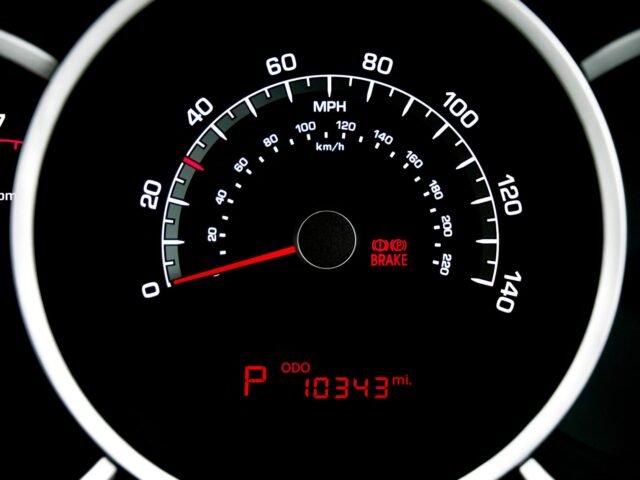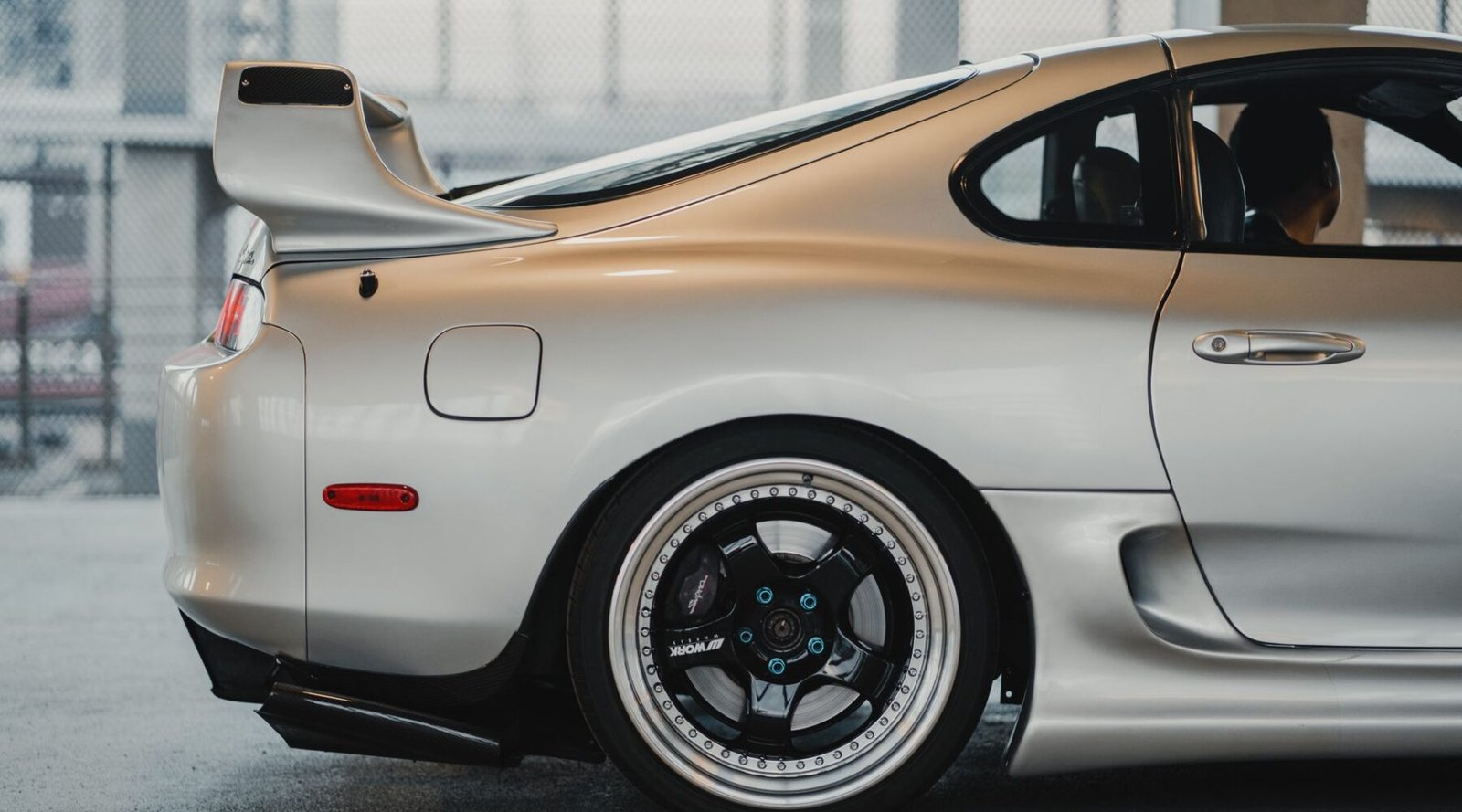
The 1996 Toyota Supra is a legendary sports car that has left an indelible mark on automotive history. Known for its powerful performance and distinctive design, this model is a sought-after classic among enthusiasts and collectors alike. Buyers interested in the 1996 Toyota Supra should be aware of its specifications, market trends, and key considerations when making their purchase.
Overview of the 1996 Toyota Supra
The 1996 Toyota Supra was part of the fourth generation of Supras, produced from 1993 to 2002. It was available in two primary trims: the naturally aspirated Supra and the turbocharged Supra. The latter is particularly famous for its impressive performance capabilities, making it a popular choice for those seeking speed and agility.
Engine and Performance Specifications
The 1996 Toyota Supra was equipped with two engine options. The naturally aspirated version featured a 3.0-liter inline-six engine that produced 220 horsepower and 210 lb-ft of torque. However, it is the turbocharged variant that captures the imagination of car enthusiasts. This model boasted a 3.0-liter inline-six engine with a twin-scroll turbocharger, delivering an astonishing 276 horsepower and 318 lb-ft of torque. This powerful engine allowed the Supra to accelerate from 0 to 60 mph in just over six seconds, establishing its reputation as a high-performance sports car.
Transmission Options
The 1996 Toyota Supra offered buyers a choice between two transmission options: a 6-speed manual or a 4-speed automatic. The manual transmission is favored by purists who enjoy the engaging driving experience it provides. The automatic transmission, while slightly less sporty, offers convenience for daily driving. Both options effectively harness the power of the engine, ensuring a thrilling driving experience.
Design and Interior Features
In terms of design, the 1996 Supra is characterized by its sleek, aerodynamic shape that remains timeless. The front fascia features a distinctive grille and pop-up headlights, giving it an aggressive yet elegant look. Inside, the cabin is driver-focused, with supportive bucket seats and a layout designed for performance driving. The dashboard includes essential gauges, and higher trims come with features like a premium audio system and leather upholstery.
Safety Ratings and Features
Safety was a priority for Toyota when designing the 1996 Supra. The car came equipped with dual airbags, anti-lock brakes, and a reinforced body structure to enhance occupant protection. While modern safety standards have evolved significantly since 1996, the Supra’s design included features that were advanced for its time, offering drivers and passengers a level of safety that was competitive within its class.
Market Trends and Pricing
The market for classic cars has seen a resurgence in interest, and the 1996 Toyota Supra is no exception. Prices have been on the rise, particularly for well-maintained, low-mileage examples. As of 2023, prices can range widely based on condition, mileage, and modifications. A naturally aspirated model may be priced lower, while turbocharged variants, especially those in pristine condition, can command premium prices. Buyers should research current market listings to gauge fair pricing.
Common Issues and Maintenance Considerations
While the 1996 Toyota Supra is a durable vehicle, potential buyers should be aware of common issues that can arise, particularly in older models. Some owners report problems with the head gasket, especially in turbocharged variants, which can lead to costly repairs. Additionally, the aging rubber components, such as bushings and gaskets, may need replacement. Regular maintenance and thorough inspections are essential to ensure the longevity of the vehicle.
Modifications and Tuning Potential
The Supra has a vibrant aftermarket community, and many owners choose to modify their vehicles for enhanced performance. Popular modifications include upgraded turbos, intercoolers, and exhaust systems. The car’s robust engine can handle significant power increases with the right modifications, making it a favorite for tuners. However, potential buyers should consider whether they want a stock example or one that has been modified, as this can significantly affect the vehicle’s value and reliability.
Interested in This Car?
If you are considering this vehicle, you can check its current availability, pricing and purchase options from the seller.
Final Thoughts
The 1996 Toyota Supra is more than just a car; it is a symbol of performance and engineering excellence. For buyers looking to invest in a classic sports car, the Supra offers a compelling blend of power, style, and heritage. Whether you are a seasoned collector or a first-time buyer, understanding the nuances of this iconic vehicle will help you make an informed decision. With its strong community support and extensive aftermarket options, the Supra continues to be a favorite among automotive enthusiasts.
Interested in This Car?
If you are considering this vehicle, you can check its current availability, pricing and purchase options from the seller.
Market trends and the future of the 1996 Toyota Supra
The 1996 Toyota Supra, particularly in its A80 generation, has seen a significant rise in popularity over the past few years, driven largely by its iconic status in automotive culture and the influence of media. As buyers consider investing in this classic sports car, it is crucial to understand the shifting market trends and how they may affect both availability and pricing.
In recent years, the Supra has become a sought-after vehicle among collectors and enthusiasts. This trend can be attributed in part to the car’s appearance in various films and video games, which have bolstered its status as a symbol of performance and style. For instance, its prominent role in the “Fast and Furious” franchise helped to rekindle interest in the Supra, introducing it to a new generation of car enthusiasts. As a result, prices for well-maintained models have surged, with some examples fetching well above $50,000, especially those equipped with the coveted 2JZ-GTE engine.
Additionally, the rise of the internet and social media has created platforms for owners to share their modifications, restorations, and driving experiences. This community aspect has fostered a sense of belonging among enthusiasts and has encouraged more buyers to enter the market. Collectors are not just looking for pristine vehicles; they are also interested in modified Supras, as the aftermarket support for this model is extensive, allowing for significant customization.
However, potential buyers should remain cautious. With the increasing demand, there is also a rise in less scrupulous sellers attempting to capitalize on the car’s popularity. Buyers must be diligent in their research, ensuring they understand the market value based on factors like mileage, condition, and maintenance history. It is not uncommon for poorly maintained or poorly modified Supras to be listed at inflated prices, which can lead to buyer’s remorse down the line.
Another aspect to consider is the aging infrastructure of the A80 models. As these cars become older, certain parts may become harder to find, leading to increased repair costs. Enthusiasts should prioritize models that have a complete service history and have undergone regular maintenance. Documentation can make all the difference, as it not only preserves the vehicle’s value but also ensures that it is in good working order.
“The Supra is more than just a car; it’s a piece of automotive history that has found a place in the hearts of enthusiasts. Understanding the market and its dynamics can empower buyers to make informed decisions.”
In conclusion, the market for the 1996 Toyota Supra is vibrant, with a mix of opportunities and challenges. Buyers should educate themselves about current trends, the importance of proper documentation, and the nuances of the aftermarket scene. With the right approach, investing in a 1996 Supra can be a rewarding experience, both as a collector’s item and as a thrilling sports car to drive.
Understanding the aftermarket modifications and tuning potential
The 1996 Toyota Supra, particularly the Turbo model, has become a beloved platform for car enthusiasts and tuners alike. When considering a purchase, understanding the aftermarket landscape can significantly influence the decision-making process. The Supra’s robust 2JZ-GTE engine is renowned for its tuning potential, allowing for impressive horsepower gains with the right modifications.
Many owners have opted to enhance their Supras through various aftermarket upgrades, making it crucial for potential buyers to be aware of common modifications. Popular upgrades include larger turbochargers, upgraded intercoolers, performance exhaust systems, and ECU tuning. For instance, swapping the stock twin-turbo setup for a single larger turbo can yield significant power increases, often exceeding 600 horsepower with supporting modifications. However, these changes also necessitate careful attention to reliability and drivability.
Buyers should also consider the quality of the modifications. A well-maintained Supra with high-quality aftermarket parts can be more desirable than a stock model that has been neglected. It’s essential to evaluate if the modifications were installed professionally and whether they comply with local emissions regulations. Documentation of the work done, including dyno sheets and receipts from reputable shops, can add significant value and peace of mind.
“A properly tuned 2JZ-GTE can be a bulletproof engine, but poor modifications can lead to reliability issues that will cost you in the long run.”
Another important aspect is the community surrounding the 1996 Supra. There are numerous forums, clubs, and social media groups dedicated to this model, providing a wealth of information on tuning, maintenance, and restoration. Engaging with this community can lead to valuable insights, recommendations for reputable shops, and knowledge about common pitfalls to avoid. For instance, the Supra’s rear differential and transmission can be areas of concern if the car has been excessively modified for power without considering the stress on these components.
Potential buyers should also be aware of the resale market for modified Supras. While a well-tuned Supra can attract enthusiasts willing to pay a premium, a poorly modified car can deter buyers and significantly reduce resale value. It is essential to strike a balance between performance enhancements and maintaining the vehicle’s integrity. Many enthusiasts prefer cars that retain their original parts, so consider this when making modifications.
Lastly, it is wise to conduct a thorough inspection before purchasing any modified Supra. Look for signs of wear or damage that could indicate poor maintenance practices or excessive use. A pre-purchase inspection by a mechanic familiar with the Supra can uncover hidden issues and provide insights into whether the modifications enhance or hinder the vehicle’s performance and reliability.
In summary, understanding the aftermarket modifications and tuning potential of the 1996 Toyota Supra is crucial for prospective buyers. The right modifications can transform this iconic sports car into a high-performance machine, but caution should be exercised to ensure reliability and value retention. Engaging with the community and conducting meticulous inspections will pave the way for a rewarding ownership experience.
Understanding the turbocharged variants and their significance
The 1996 Toyota Supra is celebrated for its performance, but not all Supras are created equal. A critical aspect that potential buyers should understand is the distinction between the naturally aspirated model and the turbocharged variants, particularly the 2JZ-GTE engine found in the twin-turbo models. This engine is not just a powerplant; it’s a cornerstone of the Supra’s legendary status.
The 2JZ-GTE engine is a 3.0-liter inline-six that produces 276 horsepower and 318 lb-ft of torque. However, its true potential lies in its tuning capabilities. Many enthusiasts have reported that with relatively minor modifications, such as upgrading the turbocharger and intercooler, it is possible to extract upwards of 500 horsepower while maintaining reliability. This tuning flexibility has made the turbocharged Supra a favorite among car enthusiasts and modifiers alike.
In contrast, the naturally aspirated model, equipped with the 2JZ-GE engine, produces 220 horsepower and 210 lb-ft of torque. While it offers a good driving experience, it lacks the raw power and potential for modification that the turbocharged version provides. Buyers should carefully consider their performance expectations when choosing between these two variants. The turbocharged models command a premium in the used car market, often fetching prices significantly higher than their naturally aspirated counterparts.
Additionally, the transmission options available also play a crucial role in the driving experience. The 1996 Supra offered both a 6-speed Getrag manual and a 4-speed automatic transmission. The manual transmission is generally preferred by driving purists for its engagement and control, especially in turbo models. It’s worth noting that the automatic version, while less desirable to purists, offers smooth shifts and can be easier to drive in everyday conditions.
“With the right modifications, the turbocharged 2JZ-GTE can rival modern supercars in terms of performance and speed.”
When evaluating a used 1996 Supra, buyers should also consider the vehicle’s service history, especially for the turbocharged models. Due to the engine’s potential for high horsepower, it’s crucial to verify that previous owners adhered to proper maintenance schedules and utilized high-quality parts during modifications. Look for documentation of any upgrades, tuning, and engine rebuilds, as these can significantly affect both performance and the longevity of the vehicle.
Furthermore, the aftermarket support for the 1996 Supra is robust, with a plethora of parts available for both performance upgrades and aesthetic enhancements. This vibrant aftermarket scene not only allows for personalization but also ensures that replacement parts for maintenance are readily available. Buyers should be aware of common issues, such as turbocharger wear and oil leaks, which can arise with age and mileage. A thorough pre-purchase inspection by a knowledgeable mechanic familiar with Supras can help identify potential problems before making a commitment.
Ultimately, understanding the differences between the naturally aspirated and turbocharged models, along with the implications of their respective maintenance and modification potentials, can significantly inform a buyer’s decision. The 1996 Toyota Supra, particularly the turbocharged variant, remains an iconic choice for those seeking a blend of performance, tuning potential, and cultural significance in the world of automotive enthusiasts.
Related reading: Ram vs. Ford vs. Chevrolet: Full-size truck comparison, and High-efficiency SUVs that deliver real-world practical utility. For an outside reference on this topic, see Consumer Reports' car-buying advice.