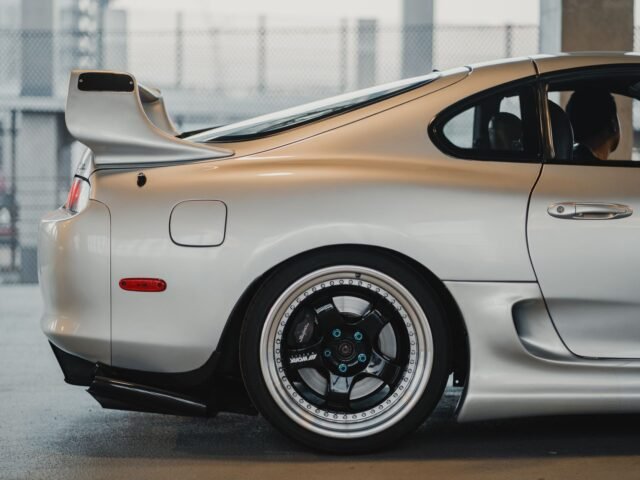
The 1991 Nissan 300ZX is a standout model in the lineage of sports cars that blends performance, technology, and style. As a part of the Z-car family, the 300ZX represents a significant evolution from its predecessors. This article delves into the specifics that potential buyers should be aware of when considering this iconic vehicle.
Overview of the 1991 Nissan 300ZX
The 1991 Nissan 300ZX was offered in two primary configurations: the naturally aspirated model and the turbocharged variant. Both models were well-regarded for their sleek design, advanced technology, and impressive performance. This generation of the 300ZX is often celebrated for its balance between everyday usability and sports car excitement.
Design and Features
The exterior of the 1991 300ZX features a low, wide stance that contributes to its sporty appearance. The design is characterized by smooth lines and pop-up headlights, which were a signature feature of the Z-car series. Inside, the 300ZX boasts a driver-focused cockpit, with an array of technology that was ahead of its time, including a digital instrument cluster and available leather upholstery.
Engine and Performance
The naturally aspirated version of the 1991 300ZX is powered by a 3.0-liter V6 engine producing 222 horsepower, while the turbocharged variant ups the ante with 300 horsepower. Both engines are paired with either a 5-speed manual or a 4-speed automatic transmission, providing an engaging driving experience. The turbo model offers superior acceleration and handling, appealing to enthusiasts seeking thrill.
Handling and Suspension
One of the key strengths of the 1991 Nissan 300ZX is its handling capabilities. The vehicle features a multi-link rear suspension and a well-tuned front suspension, both of which provide excellent stability and responsiveness on the road. This setup ensures that the car can navigate tight corners with confidence while maintaining ride comfort.
Fuel Economy
Fuel economy is an important consideration for buyers, especially for a sports car. The naturally aspirated model achieves approximately 19 mpg in the city and 25 mpg on the highway, while the turbo variant offers slightly lower figures due to its performance focus. These numbers were competitive for the era, making the 300ZX a relatively efficient option among sports cars.
Common Issues to Watch For
As with any classic vehicle, potential buyers should be aware of common issues associated with the 1991 Nissan 300ZX. Some owners have reported problems with the electronic components, particularly in the digital dashboard. Additionally, the rubber seals and gaskets may deteriorate over time, leading to leaks. A thorough inspection by a knowledgeable mechanic is advisable before purchasing.
Aftermarket Support and Modifications
The 1991 300ZX has a robust aftermarket community, with numerous parts and accessories available for modifications. This support allows owners to enhance performance, aesthetics, and overall driving experience. Popular modifications include upgraded turbochargers, suspension kits, and performance exhaust systems. Buyers looking to personalize their 300ZX should find ample opportunities to do so.
Interested in This Car?
If you are considering this vehicle, you can check its current availability, pricing, and purchase options from the seller.
Ownership Experience
Owning a 1991 Nissan 300ZX can be a rewarding experience, particularly for enthusiasts who appreciate its blend of performance and style. Owners often report a sense of community among fellow Z-car fans, with many clubs and online forums dedicated to sharing tips, maintenance advice, and event information. Regular maintenance and care are essential to keep the vehicle in top condition.
Conclusion
The 1991 Nissan 300ZX remains a compelling choice for buyers interested in a classic sports car that offers a combination of style, performance, and technological innovation. With its storied history and enthusiastic fan base, it’s a vehicle that stands the test of time. Whether you are a collector or a first-time sports car buyer, understanding the nuances of the 300ZX will enhance your ownership experience.
Interested in This Car?
If you are considering this vehicle, you can check its current availability, pricing and purchase options from the seller.
Understanding the Z32’s maintenance specifics
The 1991 Nissan 300ZX, known as the Z32, offers a blend of performance and style that continues to capture the hearts of enthusiasts. However, prospective buyers must be aware of the unique maintenance requirements that come with owning this iconic sports car. Regular upkeep is essential not only for longevity but also for preserving its performance capabilities.
One of the most critical aspects of maintaining the Z32 is the timing belt. Unlike some vehicles that utilize a chain, the 300ZX is equipped with a timing belt that should be replaced every 60,000 miles. Failure to adhere to this schedule can lead to catastrophic engine damage, especially in the V6 turbo model. Keep an eye on the service history of any Z32 you consider purchasing; a missed timing belt replacement may indicate a neglected vehicle.
Additionally, the Z32 is notorious for its cooling system issues. The plastic radiator tanks can become brittle over time, leading to leaks. Upgrading to an aluminum radiator is a common modification among enthusiasts, providing better durability and heat dissipation. When inspecting a potential purchase, check for signs of coolant leaks and ensure the radiator and hoses are in good condition. Replacing the radiator and associated components can be costly, so it’s wise to factor this into your budget.
“Maintaining the cooling system is as crucial as the engine itself—overheating can lead to severe issues.”
Another area of concern is the suspension. The Z32 features a sophisticated multi-link rear suspension that enhances handling, but it can be expensive to repair if it hasn’t been properly maintained. Look for signs of worn bushings or leaking shock absorbers. If you notice a rough ride or clunking noises, be prepared for potentially significant repairs. Upgrading to aftermarket suspension components can improve ride quality and handling but may also increase the overall cost of ownership.
Electrical issues are not uncommon in older Z32 models. The wiring harness, especially in the engine bay, can suffer from wear and tear. Look for frayed wires or corroded connectors, which can lead to electrical gremlins down the line. It’s also advisable to check the functionality of the vehicle’s digital gauges—any malfunctioning instruments can be indicative of deeper electrical problems.
An often-overlooked aspect of Z32 ownership is the preservation of the interior. The leather seats, if not cared for, can crack and fade. Many owners recommend treating the leather with conditioner regularly to prevent deterioration. Additionally, the digital dash and climate control systems are prone to issues, so ensure these components are functioning correctly before finalizing your purchase.
Lastly, don’t forget to consider the market for replacement parts. While many components are still readily available, some specific parts may be harder to find due to the age of the vehicle. Joining enthusiast forums or clubs can provide invaluable resources for sourcing hard-to-find parts and maintenance tips from experienced owners.
In summary, owning a 1991 Nissan 300ZX can be a rewarding experience, but it requires diligence and attention to detail. Understanding the unique maintenance requirements and potential pitfalls will help ensure that your investment remains a source of joy rather than frustration. Armed with this knowledge, buyers can navigate the Z32 market with confidence.
Understanding the Z32’s hidden gems and market dynamics
The 1991 Nissan 300ZX, often referred to as the Z32, holds a significant place in the history of sports cars. While many enthusiasts focus on its performance and aesthetic appeal, a deeper understanding of its market dynamics and the variations within the model can greatly enhance the buying experience. One of the most critical aspects to consider is the distinction between the naturally aspirated and twin-turbocharged versions, as well as the various trim levels and options that can affect both performance and resale value.
The base model 300ZX, equipped with a naturally aspirated 3.0-liter V6 engine, offers a solid performance that appeals to those who prioritize reliability and ease of maintenance. However, the twin-turbo variant, with its two turbochargers, unleashes a significantly higher horsepower rating of 300 hp, making it a coveted choice among performance enthusiasts. Buyers should be aware that the twin-turbo model not only delivers superior acceleration and handling but also comes with a more complex engine architecture, which can lead to higher maintenance costs. This distinction often reflects in the market prices, with well-maintained twin-turbo models commanding a premium.
Moreover, the 1991 model year introduced several enhancements, including a refined suspension and improved aerodynamics, which contributed to better handling characteristics. When considering a purchase, buyers should seek out models that have documentation of regular maintenance and any modifications, as these factors significantly influence the car’s longevity and performance. For instance, a car that has been upgraded with a better intercooler or a high-performance exhaust system might offer improved performance and driving enjoyment, but it’s essential to verify the quality of such modifications.
“A well-maintained Z32 can serve as both a reliable daily driver and a thrilling weekend sportscar.”
Another important factor is the rarity of certain trims and options. The 300ZX came with various packages, including the Sport Package, which offered enhancements such as performance tires and a more robust suspension. Models equipped with the optional T-top roof, which allows for an open-air driving experience, are often sought after for their unique appeal. However, buyers should be cautious of potential leaks and the wear and tear associated with removable roofs.
When it comes to market dynamics, the 300ZX has been experiencing a resurgence in interest among collectors and enthusiasts, particularly for models that are in excellent condition or have low mileage. This trend is influenced by the growing appreciation for 1990s sports cars, which are now viewed as potential classics. As a result, prices for pristine examples have seen upward momentum, making it crucial for buyers to act quickly when a desirable model becomes available.
Additionally, potential buyers should consider joining online forums or local car clubs dedicated to the Z32 community. These platforms not only provide valuable insights into ownership experiences but also can lead to opportunities to purchase well-maintained vehicles directly from enthusiasts rather than through traditional sales channels. Engaging with the community can yield information about the best mechanics specializing in Z32s, advice on common issues, and tips for enhancing the ownership experience.
In conclusion, understanding the nuances of the 1991 Nissan 300ZX—from its performance variants to market trends—can empower buyers to make informed decisions. By recognizing the unique qualities of different trims, being aware of the maintenance implications, and tapping into the community, enthusiasts can find a model that not only meets their performance desires but also serves as a sound investment for the future.
Understanding aftermarket modifications
When considering a 1991 Nissan 300ZX, potential buyers should be aware of the wide range of aftermarket modifications that may have been applied to specific vehicles. The 300ZX has long been a favorite among car enthusiasts, leading many owners to customize their cars for improved performance, aesthetics, or both. While modifications can enhance the driving experience, they also introduce complexities that buyers should carefully evaluate.
Common modifications include turbo upgrades, suspension enhancements, and exhaust system changes. For instance, many owners opt for larger turbochargers to increase power output significantly. While this can provide exhilarating performance, it may also strain the engine and lead to reliability issues if not done correctly. Buyers should inquire about the specific modifications made to the vehicle they are considering, including the quality of parts used and whether professional installation was performed.
“A well-done modification can elevate the 300ZX’s performance, but improper modifications can lead to costly repairs and headaches.”
Suspension modifications, such as coil-over systems or sway bars, are also popular among 300ZX owners. These changes can improve handling and provide a sportier ride. However, it’s vital to assess how these modifications affect ride quality and everyday drivability, as some setups may lead to a stiffer ride that is less comfortable for daily use. Additionally, altered suspension geometry can affect tire wear and alignment, important factors to consider during a pre-purchase inspection.
Exhaust modifications are another common area of interest. Many owners replace the stock exhaust system with aftermarket options to achieve a more aggressive sound and improved flow. While these changes can enhance performance, buyers should ensure that the modifications comply with local emissions regulations. A vehicle with an illegal exhaust setup could face fines or require costly reinstallation of stock parts before it can be registered.
It is also wise to check the vehicle’s service history to see how modifications were managed. Regular maintenance records should be available to ensure that the car has been properly cared for despite the alterations. If the owner installed aftermarket parts, they should ideally have documentation that details the installation process and any tuning that was performed afterward.
“Documentation of modifications and maintenance history is crucial in assessing the overall health of a modified 300ZX.”
Moreover, buyers should be cautious of modifications that may have been focused solely on performance at the expense of comfort or reliability. A car that has been heavily modified for track use may not be suitable for everyday driving. Conversely, some owners may have focused on aesthetic modifications that do not impact performance but can affect the value of the car. Buyers should weigh these factors against their intended use for the vehicle.
Finally, if you are not well-versed in mechanical aspects, consider consulting a professional mechanic who specializes in performance vehicles. They can provide insights into the quality of the modifications and help you understand the potential implications of each change. This can be invaluable in making an informed decision and avoiding a purchase that may lead to future regrets.
Related reading: The best affordable pickup trucks for work and daily driving, and The physics of traction and why all-wheel drive alters vehicle dynamics. For an outside reference on this topic, see Consumer Reports' car-buying advice.