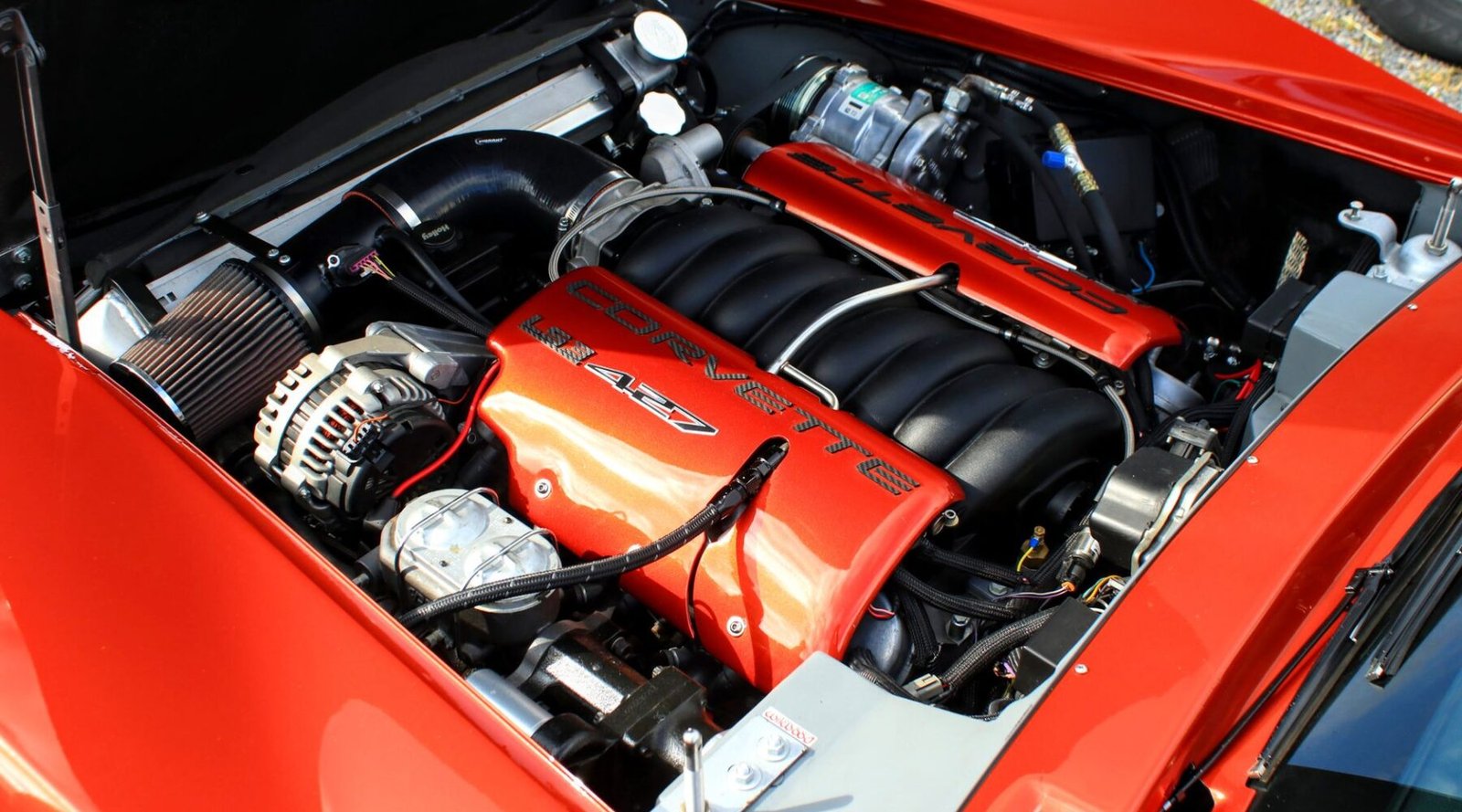
The L98 engine is a notable member of General Motors’ small-block V8 family, leaving a lasting impact on the performance automotive landscape. Produced from 1985 to 1992, it marked a significant evolution in engine design and technology, particularly through its use of advanced fuel injection systems. This article delves into the engineering, specifications, and legacy of the L98 engine, highlighting its importance in the world of performance vehicles.
Key takeaways
- The L98 engine was part of the GM small-block V8 family.
- It was known for its performance in sports cars and muscle cars.
- The L98 featured advanced fuel injection technology for its time.
Historical context of the L98 engine
The L98 engine was developed during a period when American manufacturers were focusing on efficiency and performance in response to changing market demands. The mid-1980s saw a shift in consumer preferences towards fuel-efficient vehicles, but there remained a significant demand for performance cars. The L98 was positioned to meet these dual needs.
Design and specifications
The L98 was a 5.7-liter (350 cubic inch) V8 engine, featuring a cast iron block and aluminum cylinder heads. This combination not only contributed to the engine’s durability but also helped to reduce weight, enhancing overall vehicle performance. The engine’s design incorporated a number of features aimed at boosting power and efficiency.
Fuel injection technology
One of the standout features of the L98 engine was its use of tuned port fuel injection (TPFI). This system allowed for more precise fuel delivery compared to traditional carburetors, enhancing throttle response and improving fuel economy. The TPFI system utilized a central plenum that distributed air and fuel evenly across all eight cylinders, resulting in smoother operation and increased power output.
Performance metrics
The L98 engine produced approximately 245 to 250 horsepower, with torque figures around 340 lb-ft. This performance made it a competitive option in the sports car market, particularly in vehicles like the Chevrolet Corvette and Camaro. The engine’s powerband was well-suited for both street driving and track performance, allowing for strong acceleration and responsiveness.
Applications of the L98 engine
The L98 engine found its way into several iconic vehicles during its production run. It was prominently featured in the Chevrolet Corvette, specifically in models produced from 1985 to 1991. The engine’s performance characteristics made it a favorite among sports car enthusiasts, as it provided a thrilling driving experience.
Chevrolet Corvette
In the Corvette, the L98 engine was paired with a lightweight body and advanced suspension systems, resulting in a well-balanced sports car capable of impressive speeds. The 1985 Corvette, equipped with the L98, could accelerate from 0 to 60 mph in just under six seconds, making it a formidable competitor in its class.
Chevrolet Camaro and Pontiac Firebird
Beyond the Corvette, the L98 engine was also available in the Chevrolet Camaro and Pontiac Firebird, particularly in the IROC-Z trim. These vehicles benefitted from the L98’s power, allowing them to compete with other performance cars of the era. The combination of lightweight chassis and powerful engine contributed to a thrilling driving experience.
Comparative performance
When comparing the L98 with other engines of its time, it becomes evident that it stood out for its blend of power and efficiency. The engine’s fuel injection system was a significant advancement over the carbureted engines that dominated the market. While competitors like Ford’s 5.0-liter V8 were also popular, the L98’s technology provided an edge in drivability and performance metrics.
Aftermarket potential
The L98 engine’s robust design and performance capabilities made it a popular choice among aftermarket modifiers. Enthusiasts often sought to enhance the engine’s power through various modifications, including upgraded camshafts, headers, and performance exhaust systems. These modifications could increase horsepower significantly, and many enthusiasts embraced the challenge of extracting maximum performance from the L98.

Legacy of the L98 engine
Despite being discontinued in the early 1990s, the L98 engine has left a lasting legacy. Its performance and technological innovations paved the way for future generations of small-block engines. The principles of fuel injection and efficient design continue to influence modern engine development within General Motors and the automotive industry as a whole.
Impact on modern engines
The advancements introduced with the L98, particularly the fuel injection technology, have been integrated into subsequent engine designs. Modern GM engines often build upon the foundation laid by the L98, incorporating lessons learned from its engineering. This lineage underscores the importance of the L98 as a stepping stone in the evolution of performance engines.
Conclusion
The L98 engine stands as a testament to the ingenuity of automotive engineering during a transformative era. Its combination of power, efficiency, and technology has made it a beloved choice among enthusiasts and collectors alike. As the automotive landscape continues to evolve, the legacy of the L98 will undoubtedly remain an integral part of performance history.
Aftermarket potential and tuning opportunities for the L98 engine
The L98 engine, celebrated for its robust performance in the late 1980s and early 1990s, also boasts a vibrant aftermarket scene. As enthusiasts seek to enhance their vehicles, the L98 has become a focal point for tuning and modification. This section delves into the specific enhancements and customizations that can elevate the L98’s already impressive capabilities.
One of the most significant upgrades for the L98 is the incorporation of aftermarket performance chips and tuning modules. These devices allow for precise adjustments to fuel maps, ignition timing, and other parameters, enabling the engine to produce additional horsepower and torque. For instance, tuners like Diablosport and Hypertech have developed chips that can increase output by 20 to 50 horsepower, depending on other modifications made to the vehicle.
Another popular route for performance enhancement involves the installation of high-flow intake systems. The L98’s intake manifold can be replaced with aftermarket options that allow for improved airflow. Products like the Edelbrock Performer RPM intake manifold can significantly boost performance, particularly when paired with larger throttle bodies. Upgrading to a 58mm or 65mm throttle body can further enhance the engine’s responsiveness and power delivery.
“The right combination of intake and exhaust upgrades can turn the L98 into a formidable performer on the street and the track.”
The exhaust system also plays a crucial role in maximizing the L98’s potential. Replacing the factory exhaust with a high-performance system, such as those offered by Borla or Flowmaster, can reduce back pressure and improve exhaust flow. This not only enhances power but also gives the vehicle a more aggressive sound that many enthusiasts crave. A well-tuned exhaust system can contribute to a noticeable increase in horsepower and torque, particularly in the mid to high RPM range.
Moreover, forced induction is an exciting option for those looking to push the L98 beyond its natural aspirated limits. Superchargers and turbo kits are available from various manufacturers, with companies like Procharger and Vortech leading the charge in providing reliable forced induction solutions. These systems can easily double the original power output of the L98, transforming it into a high-performance powerhouse. However, it is crucial to pair these modifications with appropriate fuel system upgrades, including high-flow fuel injectors and pumps, to ensure adequate fuel delivery.
For those interested in a more comprehensive overhaul, a complete rebuild of the engine with aftermarket performance parts can yield impressive results. Forged pistons, performance camshafts, and upgraded headers can dramatically improve the L98’s power output while maintaining reliability. Companies such as COMP Cams offer a range of camshaft profiles specifically designed for the L98, focusing on optimizing performance without sacrificing drivability.
Finally, the community surrounding the L98 engine is a valuable resource for both novice and experienced tuners. Online forums, social media groups, and car clubs dedicated to the L98 provide a wealth of knowledge, from installation tips to performance benchmarks. Engaging with fellow enthusiasts can lead to discovering innovative tuning techniques and modifications that can further enhance the L98’s capabilities.
In conclusion, the aftermarket potential of the L98 engine is vast and varied. With a plethora of tuning opportunities available, enthusiasts can tailor their vehicles to meet their performance desires while honoring the legacy of this iconic engine. Whether through simple bolt-ons or comprehensive rebuilds, the L98 remains a powerful platform for performance enthusiasts.
Aftermarket potential of the L98 engine
The L98 engine, a cornerstone of the General Motors lineup during the late 1980s and early 1990s, not only defined performance standards during its production years but has also carved out a significant niche in the aftermarket scene. Enthusiasts and tuners have recognized the L98’s robust architecture and inherent performance potential, leading to a vibrant community dedicated to enhancing and modifying this engine.
One of the defining features of the L98 is its strong foundation, characterized by a cast-iron block and a forged steel crankshaft. These components provide a reliable platform for performance upgrades, making it an attractive choice for those looking to boost horsepower and torque without worrying about premature failure. Many aftermarket companies have taken advantage of this by developing a wide array of components specifically designed for the L98, ranging from performance camshafts to high-flow intake manifolds.
“The L98 is often seen as the unsung hero of the GM small-block family. Its balance of performance and reliability makes it a perfect candidate for enthusiasts looking to build a project car.” – Performance Engine Builder
One of the most popular upgrades for the L98 is the installation of aftermarket intake systems. The stock intake manifold is functional, but enthusiasts frequently replace it with high-performance options that improve airflow and increase power. Brands like Edelbrock and Holley manufacture intake manifolds that can significantly enhance the engine’s breathing capabilities, allowing it to produce more power, especially at higher RPMs.
Another essential area for improvement is the exhaust system. Upgrading to a performance exhaust manifold and a less restrictive exhaust system can yield notable gains in horsepower and torque. Many L98 owners opt for headers that not only improve exhaust flow but also contribute to a more aggressive sound profile, further enhancing the driving experience.
In terms of tuning, the L98 is also compatible with various aftermarket engine management systems. These systems allow for precise tuning of fuel maps and ignition timing, enabling enthusiasts to extract the maximum potential from their modified engines. For example, using a standalone engine management system like the Holley EFI can result in significant performance improvements, especially when paired with forced induction setups such as superchargers or turbochargers.
Forced induction has become a favored modification among L98 enthusiasts. Adding a supercharger or turbocharger can dramatically increase horsepower and torque, transforming the L98 from a reliable performer into a true powerhouse. Companies like Procharger and Vortech offer supercharger kits specifically designed for the L98, taking advantage of its sturdy internals to achieve power levels that were previously thought to be unattainable without significant internal modifications.
Despite its age, the L98 engine has proven to be remarkably adaptable to modern performance technologies. Many enthusiasts appreciate the ability to maintain a classic engine while benefiting from contemporary performance enhancements. This adaptability, combined with the engine’s existing strengths, has established the L98 as a favored choice for both restorers and performance builders alike.
In conclusion, the aftermarket potential of the L98 engine is vast, offering enthusiasts numerous avenues for performance upgrades. From improved intake and exhaust systems to advanced engine management tuning and forced induction options, the L98 remains a formidable platform for those looking to blend classic automotive heritage with modern performance enhancements.
Performance tuning and motorsport applications of the L98 engine
The L98 engine, a hallmark of General Motors’ small-block series, has played an influential role in the world of performance tuning and motorsports. Its robust design and inherent versatility have made it a favorite among enthusiasts and racers alike, who have leveraged its potential to create high-performing machines. This section delves into how the L98 engine has been modified and optimized for various applications, showcasing its adaptability and impact on the automotive landscape.
One of the standout features of the L98 engine is its compatibility with aftermarket performance parts. The engine’s durable iron block and aluminum heads provide a solid foundation for upgrades. For example, enthusiasts often enhance airflow by installing aftermarket intake manifolds and high-performance throttle bodies. These modifications can significantly improve the engine’s power output, allowing it to produce upwards of 300 horsepower with relatively simple enhancements. The balance of power and torque makes the L98 an appealing option for street and track applications.
In the world of motorsports, the L98 engine has been a popular choice for grassroots racing series, including autocross and drag racing. Its straightforward design allows for easy modifications and tuning, enabling drivers to customize their setups to suit specific racing conditions. The engine’s ability to handle forced induction, such as supercharging and turbocharging, further expands its potential. Many racers have successfully used the L98 as a base for high-horsepower builds, achieving impressive quarter-mile times and competitive lap speeds.
“The L98 engine’s balance of power and reliability makes it an ideal candidate for performance builds in both street and racing applications.”
Moreover, the L98’s performance legacy extends into the realm of classic car restoration. Enthusiasts restoring vehicles like the Chevrolet Corvette or Camaro often opt for the L98 as a powerful yet manageable engine option. Its existing popularity means that a wealth of aftermarket support is available, from performance tuning chips to upgraded cooling systems, making it easier for restorers to enhance performance without sacrificing reliability. This has helped preserve the legacy of these iconic vehicles while also modernizing them for today’s driving conditions.
Another notable aspect of the L98 engine is its role in the Chevrolet S-10 truck. Many owners of these compact trucks have turned to the L98 for engine swaps, taking advantage of its performance characteristics in a lighter chassis. This swap not only boosts power but also transforms the driving dynamics of the vehicle. The L98’s torque curve complements the S-10’s relatively low weight, resulting in a spirited driving experience that appeals to both casual drivers and performance enthusiasts.
“The adaptability of the L98 engine across various platforms highlights its significance in the performance tuning community.”
Finally, the L98’s legacy is further solidified by the community that surrounds it. Online forums and clubs dedicated to the L98 engine feature a wealth of shared knowledge, from tuning tips to comprehensive build guides. This collaborative spirit fosters innovation and ensures that the engine remains relevant in contemporary automotive culture. As new technologies emerge, the L98 continues to adapt, proving that its performance potential is not just a relic of the past but a living legacy that inspires a new generation of automotive enthusiasts.
Frequently asked questions
What vehicles were equipped with the L98 engine?
The L98 engine was primarily found in the Chevrolet Corvette and Camaro from the late 1980s through the early 1990s. It was also used in some Pontiac Firebird models.
How much horsepower did the L98 engine produce?
The L98 engine produced around 245 to 250 horsepower, depending on the specific application. This made it a strong performer in its class.
What are the advantages of the L98 engine?
The L98 engine offered a good balance of power and efficiency, thanks to its fuel injection technology. It was also relatively easy to modify for even greater performance.
The bottom line
The L98 engine remains a significant part of automotive history, showcasing GM's engineering prowess. Its legacy continues to influence car enthusiasts and builders today.
Related reading: Understanding fuses for cars: types, functions, and maintenance, and Customizing with Jeep grill inserts for style and function. For an outside reference on this topic, see Reuters' autos and transportation coverage.