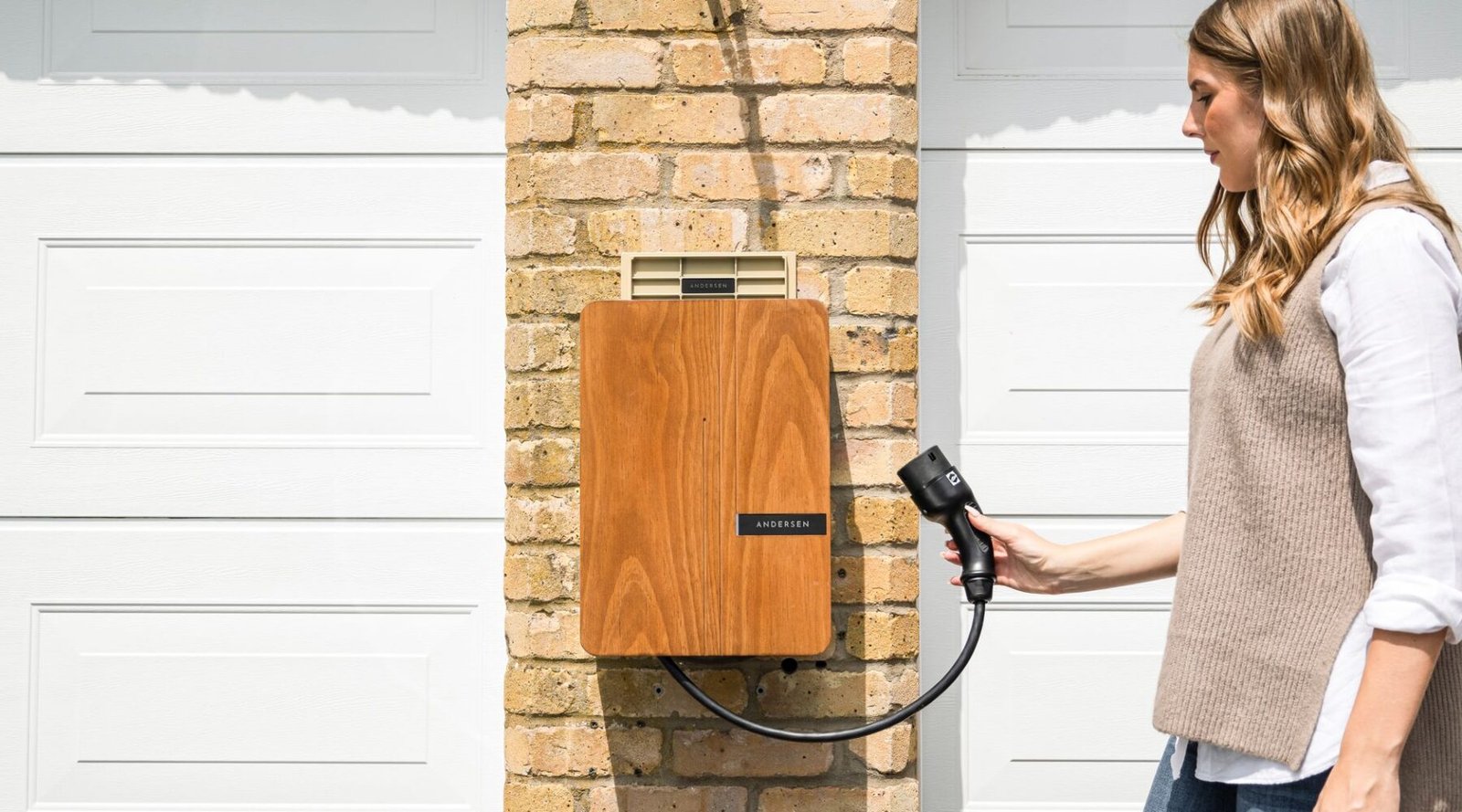
Most new EV owners spend their research time comparing range and charging speed between models, then discover the harder question only after the car is in the driveway: what does home charging actually require, and what does it cost to install.
Level 1 is enough more often than people think
A standard 120-volt outlet, the kind already in most garages, delivers roughly three to five miles of range per hour. For a commute under thirty miles a day, that is enough to fully recover overnight with no installation cost at all. Level 1 gets dismissed too quickly by buyers who assume they need a home charger on day one.
When a Level 2 charger actually pays for itself
A 240-volt Level 2 charger delivers twenty to forty miles of range per hour and typically costs between six hundred and two thousand dollars installed, depending heavily on how far your panel is from the parking spot and whether your panel has spare capacity. If your daily driving regularly exceeds forty miles, or you want to fully recharge from a low state of charge overnight, Level 2 stops being a luxury and starts being a practical need.
Check your panel before you check chargers
The single biggest cost variable is not the charger, it is your electrical panel. A panel with available capacity might mean a straightforward installation for a few hundred dollars in labor. A panel that needs an upgrade to support a new 40 or 50 amp circuit can add well over a thousand dollars before the charger itself is even purchased. Get a licensed electrician to look at your panel before you pick a charger, not after.
Once your charging setup is sorted, most of what is left is psychological: our piece on why range anxiety is mostly a math problem walks through the actual numbers. And if you are still choosing which EV to buy, our first drive of the Solari EV-9 is a good look at what a three-row electric SUV lives like day to day. For panel and circuit specifics, the Department of Energy’s home charging guide is the most reliable reference.
Choosing the right charging station for your home
When preparing for the arrival of your electric vehicle (EV), one of the most critical decisions you’ll face is selecting the right home charging station. While many new EV owners might initially consider using the standard 120-volt outlet (Level 1 charging), this option can be inadequate for daily needs, especially for those who drive longer distances. A Level 2 charging station, which operates at 240 volts, offers significantly faster charging times and can be a game-changer in your daily routine.
Before you decide on a charging station, evaluate your driving habits. For instance, if your daily commute is around 30 miles and your EV has a range of over 200 miles, a Level 1 charger may suffice. However, if your driving pattern includes longer trips or you often use your vehicle for commuting, a Level 2 charger is advisable. Most Level 2 chargers can fully charge a vehicle overnight, providing peace of mind that your car is ready to go each morning.
Next, consider the installation process. Hiring a certified electrician is recommended for installing a Level 2 charging station, particularly if your home’s electrical system requires upgrades. This might include adding a dedicated circuit breaker or ensuring that your electrical panel can handle the additional load. Always check local regulations and obtain any necessary permits before proceeding with installation.
“Proper installation of your charging station is just as important as choosing the right one. Don’t cut corners by attempting a DIY installation unless you are a qualified electrician.”
Another aspect to consider is the location of your charging station. Ideally, it should be installed in a convenient location where you park your vehicle, whether that’s in a garage or a dedicated parking spot. For those without a garage, some Level 2 chargers are designed to be weather-resistant and can be installed outdoors, but you must ensure they comply with local codes and safety standards.
When selecting a charging station, compatibility with your EV model is crucial. Most manufacturers offer charging stations that are specifically designed for their vehicles. However, many third-party options are available that can charge a variety of EVs. Some brands even feature smart technology that allows you to monitor charging times, costs, and energy consumption through a smartphone app.
Another important consideration is the potential for future-proofing your charging station. As technology advances, new EV models are likely to feature faster charging capabilities. Some charging stations are designed to be updated with new software or hardware components, which can extend their usability over time. Look for options that include features like adjustable charging speeds or compatibility with future charging standards.
Finally, consider the costs associated with purchasing and installing a charging station. While the initial investment may seem significant, many governments offer tax credits or rebates for EV charging station installations, which can offset some of the expenses. Additionally, the long-term savings on fuel and maintenance costs can make owning an EV financially advantageous.
In summary, selecting the right home charging station involves assessing your driving habits, ensuring proper installation, choosing a compatible model, and considering future-proof features. By taking the time to research and invest wisely, you can significantly enhance your EV ownership experience.
Understanding EV charging station networks
While home charging is a critical component of EV ownership, understanding the broader network of public charging stations is equally important. This knowledge not only enhances your convenience but also alleviates range anxiety, particularly for longer trips. In recent years, the landscape of EV charging has evolved significantly, with various networks offering different types of charging stations and payment systems.
Charging networks can be broadly categorized into three types: Level 1, Level 2, and DC Fast Charging. Level 1 chargers are the most basic, typically using a standard household outlet and providing a slow charging rate of about 3-5 miles of range per hour. This is often sufficient for overnight charging at home. Level 2 chargers, however, are more powerful, delivering 10-60 miles of range per hour and are commonly found in public locations like shopping centers and workplaces.
DC Fast Charging stations are a game-changer for long-distance travel, capable of replenishing up to 80% of an EV’s battery in 20-30 minutes. They use high-voltage direct current, allowing for rapid charging that can significantly cut down on travel time. However, not all EVs are compatible with every DC Fast Charger, so it’s crucial to know your vehicle’s charging specifications.
For example, Tesla has its proprietary Supercharger network, which offers fast charging specifically for Tesla vehicles. On the other hand, networks like Electrify America and ChargePoint provide more universal charging solutions that support multiple EV brands. Understanding which stations are available in your area and their compatibility with your vehicle can save you time and frustration.
“Using apps like PlugShare or ChargePoint can help you locate nearby charging stations, check real-time availability, and even reserve a spot in advance.”
In addition to knowing the types of chargers, it is also beneficial to familiarize yourself with the payment processes at various charging stations. Many stations operate on a pay-per-use model, where you’ll use a credit card or mobile app to pay for the electricity consumed. Some networks may require you to sign up for a membership to access lower rates or exclusive stations. A common strategy is to compare the costs and availability of charging stations along your frequently traveled routes, as this can impact your overall ownership experience.
Furthermore, consider the impact of charging time on your travel plans. While DC Fast Charging is quick, it may not always be the most convenient option, especially if the station is busy or located in an inconvenient area. Planning your routes to include charging stops where amenities like food, restrooms, or shopping are available can turn what might be a mundane wait into an opportunity to recharge yourself, too.
Lastly, as EV adoption grows, the charging infrastructure continues to evolve. Cities and private companies are investing heavily in expanding charging networks to meet increasing demand. Keep an eye on local government initiatives or incentives that may help fund the installation of new charging stations in your area. Joining local EV clubs or online forums can also provide insights into the best charging locations and any new developments in your region.
In summary, while home charging is essential, a well-rounded understanding of public charging networks enhances the overall EV ownership experience. By being proactive and informed, you can maximize the convenience and efficiency of your electric vehicle, making it the reliable mode of transport you expect it to be.
Understanding the costs and incentives for home charging
As you prepare for the arrival of your electric vehicle (EV), one of the most critical aspects is the financial implications associated with home charging. While many discussions center around the technical specifications of chargers, understanding the costs and available incentives can significantly impact your overall EV ownership experience.
The first cost consideration is the installation of a Level 2 home charging station, which typically requires a dedicated 240-volt outlet. The price for the charger itself ranges from $300 to $800, but installation can add another $500 to $2,000, depending on your home’s electrical setup. If your home requires significant electrical upgrades, such as a new panel or rewiring, costs can escalate further. Therefore, it is prudent to consult with a qualified electrician early in the process to get a clear estimate based on your specific circumstances.
In addition to upfront costs, you should also consider the ongoing expenses associated with charging your EV at home. The average cost of electricity in the United States is about $0.13 per kilowatt-hour (kWh). Assuming an EV consumes about 30 kWh to travel 100 miles, this translates to approximately $4 per 100 miles of driving. This is notably cheaper compared to gasoline, which can cost you significantly more per mile driven. However, keep in mind that electricity prices can vary by location and utility provider, so check your local rates to make accurate calculations.
“Understanding your local electricity rates can help you estimate the true cost of charging your EV at home.”
Moreover, many utility companies offer special EV charging rates that can further reduce your costs. These programs generally provide lower rates during off-peak hours, typically overnight when demand is lower. Some utilities even offer rebates for the installation of home chargers, which can help offset initial expenses. Therefore, it’s beneficial to investigate what incentives are available in your area. Websites like the Database of State Incentives for Renewables & Efficiency (DSIRE) can guide you to local and state-level incentives that may apply.
Another aspect to consider is the potential for solar integration with your home charging setup. If you install solar panels, you can significantly reduce or even eliminate your charging costs by generating your own electricity. Depending on your location and available sunlight, solar systems can pay for themselves within a few years through energy savings and federal tax credits. This not only provides financial benefits but also enhances your EV experience by promoting sustainable energy use.
Finally, keep in mind that while the costs of home charging may seem daunting at first glance, the long-term savings can be substantial. For instance, if you drive an average of 12,000 miles annually, charging your EV at home could save you over $1,000 each year compared to fueling a traditional gasoline vehicle, depending on gas prices. This potential saving, combined with the various incentives, can make home charging a financially sound investment in the long run.
Understanding smart charging technology
As electric vehicle (EV) adoption continues to rise, smart charging technology is becoming a vital component for EV owners looking to optimize their home charging experience. Smart chargers are not just standard charging stations; they come equipped with advanced features that allow for more control over charging sessions, potentially leading to cost savings and enhanced convenience.
One of the primary benefits of smart charging is the ability to schedule charging times. Many utility companies offer lower electricity rates during off-peak hours, typically late at night or early in the morning. Smart chargers can be programmed to start charging your EV during these off-peak times, ensuring you take advantage of lower rates. For example, if your utility provider offers rates that are 50% lower between 11 PM and 6 AM, you can set your smart charger to begin charging at 11 PM, significantly reducing your monthly electric bill.
Additionally, some smart chargers feature load management capabilities, which allow you to manage the power consumption of your home more effectively. For instance, if you have multiple high-energy appliances running simultaneously, your smart charger can automatically adjust its power output to prevent tripping circuit breakers. This feature is particularly useful for households with older electrical systems that may not handle high loads well.
Another innovative aspect of smart chargers is their ability to integrate with home energy management systems (HEMS). These systems can monitor energy usage throughout your home and optimize power distribution based on real-time data. For instance, during times of high energy demand, your HEMS can instruct the smart charger to reduce the charging rate of your EV, ensuring that essential household functions remain uninterrupted.
“Smart charging technology not only makes home charging more efficient but also enhances the overall energy management of your household.”
Moreover, many modern smart chargers are equipped with Wi-Fi and mobile app connectivity, allowing you to monitor and control your charging sessions remotely. This means you can start or stop charging, check the charging status, and even receive notifications when your EV is fully charged, all from your smartphone. For example, if you realize you need to leave sooner than expected, you can remotely halt the charging session to save energy or adjust the charging schedule to accommodate your new plans.
On top of these features, some smart chargers offer integration with renewable energy sources, such as solar panels. If your home has a solar energy system, you can configure your smart charger to prioritize charging your EV with excess solar energy generated during the day. This not only maximizes the use of renewable energy but can also lead to significant savings on your energy costs over time.
While there are numerous advantages to smart charging technology, it is essential to consider the initial investment. Smart chargers tend to be more expensive than standard Level 2 chargers, so evaluating your budget and charging needs is crucial. However, the potential long-term savings and increased convenience may justify the higher upfront cost.
In summary, embracing smart charging technology can enhance your home charging setup by providing convenient scheduling options, improving energy management, and integrating with renewable energy sources. As you prepare for your EV’s arrival, take the time to research and select a smart charger that aligns with your lifestyle and energy goals. This forward-thinking approach will not only simplify your charging experience but also contribute to a more sustainable energy future.



2 Responses