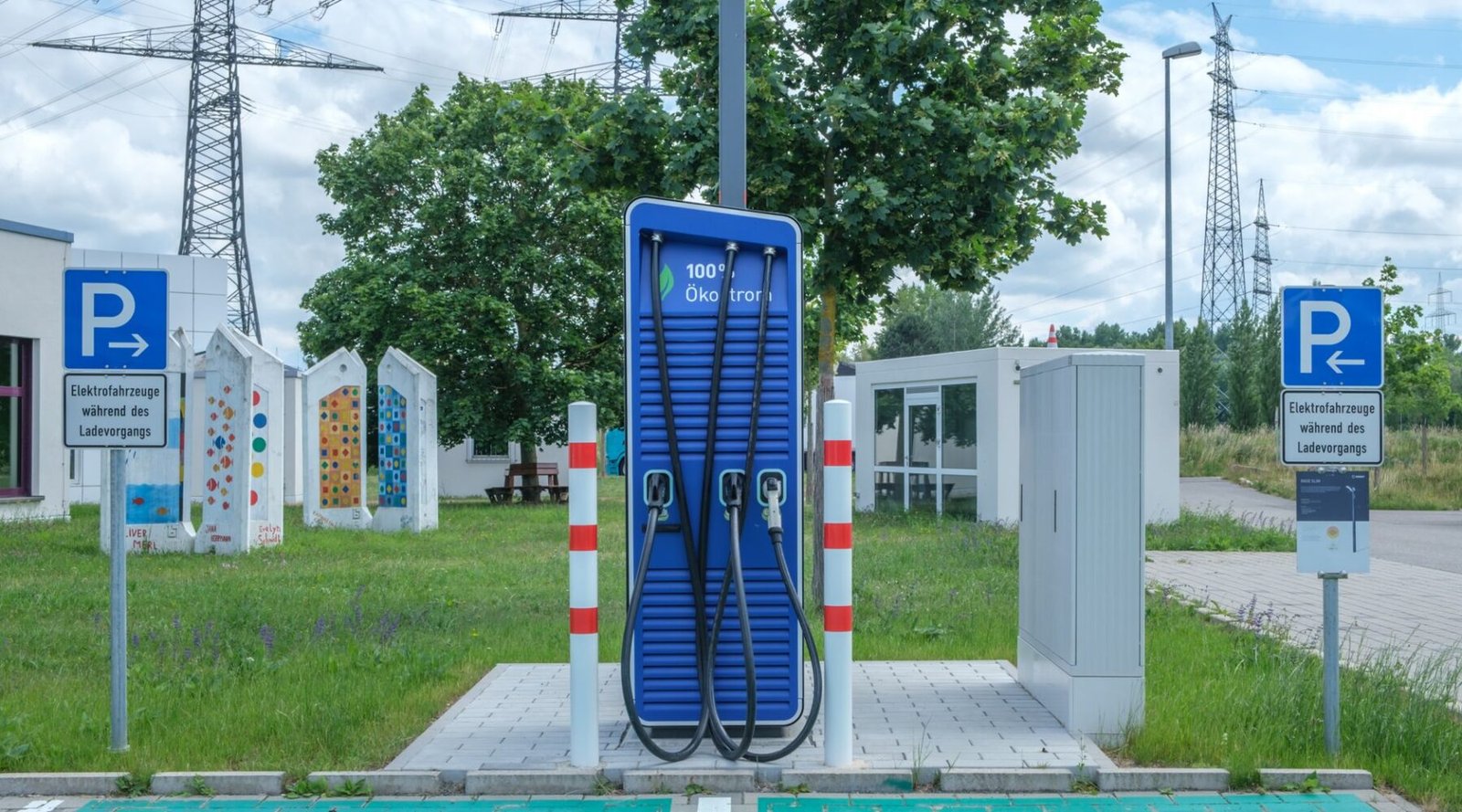
How long does it take to charge an electric car? This question is increasingly relevant as electric vehicles (EVs) become more popular. Understanding the time it takes to charge an electric car involves various factors, including the type of charger used, the vehicle’s battery capacity, and the charging level. In this article, we will explore these aspects in detail, offering insights into what EV owners can expect when it comes to charging their vehicles.
Understanding charging levels
Charging an electric vehicle is not a one-size-fits-all process. The time it takes to charge depends heavily on the charging level. There are three main levels of charging: Level 1, Level 2, and DC Fast Charging.
Level 1 charging utilizes a standard household outlet (120 volts) and is the slowest method. It typically adds about 4 to 5 miles of range per hour of charging. This method is most suitable for overnight charging at home, where the vehicle can be plugged in for several hours without time constraints.
Level 2 charging requires a specialized charging station (240 volts) and is significantly faster. It can provide about 25 to 30 miles of range per hour, making it ideal for home installations or public charging stations. EV owners often find that Level 2 charging allows them to fully recharge their vehicles overnight or during the workday.
DC Fast Charging, also known as Level 3 charging, uses direct current to provide rapid charging capabilities. These stations can recharge an EV to about 80% in 20 to 30 minutes, depending on the vehicle and the charger. This charging level is typically found along highways and in urban areas, allowing for quick top-ups during long trips.
Battery capacity and charging time
The battery capacity of an electric vehicle, measured in kilowatt-hours (kWh), plays a crucial role in determining how long it takes to charge. Vehicles with larger battery capacities will naturally take longer to charge than those with smaller batteries, assuming the same charging level is used.
For example, consider two popular electric vehicles: the Nissan Leaf with a 40 kWh battery and the Tesla Model S with a 100 kWh battery. A Level 2 charger might take around 8 hours to fully charge the Leaf, while the Model S could take over 20 hours on the same charger. However, if both vehicles are connected to a DC Fast Charger, the Leaf may reach around 80% in approximately 40 minutes, while the Model S could do so in about 30 minutes.
Factors influencing charging time
Several factors can influence the actual charging time of an electric vehicle besides the charger level and battery capacity. These include:
- Charger power output: The maximum power output of the charging station can limit charging speeds. A Level 2 charger with a higher amperage can deliver more power, reducing charging time.
- Vehicle charging capabilities: Each EV has a maximum charging rate it can accept. For instance, even if a Level 2 charger can deliver 40 amps, a vehicle that can only accept 30 amps will charge slower.
- Temperature: Battery performance can be affected by temperature. Cold weather can slow down charging speeds, while extremely hot conditions may also impact battery efficiency.
- State of charge: Charging speeds can taper off as the battery approaches full capacity. Most EVs will charge quickly up to about 80%, after which the charging rate significantly decreases.
Real-world charging scenarios
To provide a clearer picture, let’s consider some real-world charging scenarios based on different charging levels and vehicle types.
Assuming an EV with a 60 kWh battery:
- Level 1 charging: If you use a standard outlet, charging from 20% to 100% might take around 30 hours.
- Level 2 charging: Using a home charger, this could drop to about 8 to 10 hours, making it feasible for overnight charging.
- DC Fast Charging: A quick stop at a fast charger could recharge the battery from 20% to 80% in approximately 30 minutes.
For commuters who typically drive less than 40 miles a day, Level 1 charging at home may suffice, while those who need more range or take longer trips may prefer Level 2 or DC Fast Charging options.
Conclusion: Choosing the right charging method
How long it takes to charge an electric car varies significantly based on several factors, including charging levels, battery capacity, and external conditions. As electric vehicle technology continues to evolve, charging infrastructure is also improving. Many manufacturers are developing vehicles that can accept higher charging rates, reducing charging times further.
Ultimately, the right charging method for you depends on your driving habits, access to charging stations, and the specific vehicle you own. Understanding these dynamics will help you make informed decisions and maximize your electric vehicle experience.
Understanding charging time variations
The time it takes to charge an electric car can vary significantly based on several factors beyond just the type of charger used. A deeper exploration of these variables can help potential EV owners better plan their charging strategies and manage their expectations.
One of the most critical factors affecting charging time is the vehicle’s battery capacity, typically measured in kilowatt-hours (kWh). For instance, a compact electric car like the Nissan Leaf may have a battery capacity of around 40 kWh, while a larger vehicle like the Tesla Model X can have a capacity of 100 kWh or more. This difference means that, all else being equal, charging the Tesla will take longer than charging the Leaf, assuming they are both connected to the same charger.
Another significant consideration is the state of charge (SoC) of the battery when starting the charging session. Electric vehicle batteries do not charge linearly; for example, charging from 20% to 80% is typically much faster than charging from 80% to 100%. This phenomenon, known as the “charging curve,” occurs because as the battery approaches its full capacity, the charging rate decreases to protect battery health and longevity. Thus, a driver who regularly charges their vehicle at home overnight may find their total charging time longer than expected if they often plug in with a near-full battery.
Environmental factors also play a role in charging times. Temperature can significantly impact battery performance; electric vehicle batteries perform optimally within a specific temperature range, usually between 20°C and 25°C (68°F and 77°F). If the temperature dips significantly below this range, charging efficiency may decrease, resulting in longer charging times. For example, tests have shown that charging an electric vehicle in cold weather can take up to 20% longer than in moderate conditions. Therefore, those living in colder climates should consider these variables when planning their charging schedule.
The choice of charging station also affects charging speed. While Level 1 chargers (standard household outlets) can take up to 24 hours to fully charge an EV, Level 2 chargers can typically charge a vehicle in 4 to 8 hours. Fast DC chargers, found at many public charging stations, can charge a vehicle to 80% in as little as 30 minutes, but they are less common and often located along major highways or in urban areas. Drivers should familiarize themselves with the types of chargers available in their area and plan their trips accordingly.
Additionally, the charging infrastructure is continually evolving. Newer charging technologies are being developed that promise faster charging times and improved efficiency. For instance, ultra-fast charging stations capable of delivering 350 kW are being rolled out, which could reduce charging times to 15 minutes or less for compatible vehicles. However, not all electric vehicles are equipped to handle these higher charging rates, so it’s essential to check the specifications of the car.
Ultimately, understanding how various factors impact charging time can empower electric vehicle owners to optimize their charging habits, ensuring they maximize convenience and efficiency.
Understanding the impact of charging infrastructure on electric vehicle charging times
The charging infrastructure available in a given area can significantly influence the time it takes to charge an electric vehicle (EV). While many consumers focus on the battery capacity of their vehicle and the type of charger they use, the broader network of charging stations is equally important. This section delves into how the availability and type of charging stations can affect charging times, particularly in urban versus rural settings.
Urban areas typically have a more developed charging infrastructure, featuring a mix of Level 2 and DC fast chargers. For example, cities like San Francisco and New York boast extensive networks of charging stations, often located in parking garages, shopping centers, and on-street parking. Level 2 chargers can replenish about 10 to 30 miles of range per hour, making them suitable for overnight charging or short stops. In contrast, DC fast chargers can provide up to 80% charge in approximately 30 minutes, depending on the vehicle and charger specifications.
In rural areas, however, the scenario changes dramatically. Charging stations may be sparse, and EV owners often face longer distances between charging points. This can lead to planning challenges, especially for long road trips. For instance, a driver traveling through the Midwest might have to plan their route carefully to ensure they can find a DC fast charger within a reasonable distance, as many rural charging stations are limited to Level 2 chargers. This means that charging times can stretch significantly, requiring the driver to spend more time at each stop.
Furthermore, the speed of charging can be influenced by the number of vehicles using the charging station at any given time. During peak hours, drivers may find themselves waiting for access to a fast charger, which can add to the overall time required to charge their vehicle. For example, a charging station in a busy urban area may have multiple EVs waiting during rush hour, leading to delays. Conversely, in rural areas where there may be fewer EVs, drivers might enjoy quicker access to chargers, but still face longer charging durations due to the limited availability of fast chargers.
“The charging experience is not just about the charger itself, but the entire ecosystem around it. Urban planning and infrastructure development play a critical role in how quickly electric vehicles can be charged.”
Another aspect to consider is the impact of charging networks and their membership programs. Many charging networks operate on a subscription basis or require membership for access to their fast chargers. This can complicate the charging experience, especially for drivers who may not be familiar with the local charging stations. For instance, a driver traveling through a new city may find that they cannot access certain fast chargers without a specific membership, thereby extending their charging time as they search for alternatives. Additionally, some networks offer incentivized pricing during off-peak hours, encouraging drivers to charge during less busy times for faster service.
Overall, understanding the nuances of charging infrastructure and its implications on charging times is crucial for EV owners. Whether in urban or rural settings, being aware of available charging options, potential wait times, and network membership requirements can help drivers optimize their charging experience and reduce downtime on the road. As the EV market continues to grow, advancements in charging technology and infrastructure will likely improve the efficiency and accessibility of charging stations, further enhancing the overall user experience.
Impact of charging infrastructure on charging times
The charging time of an electric vehicle (EV) is not solely determined by the vehicle’s battery capacity or the charger’s power output; it is significantly influenced by the charging infrastructure available. Various factors, such as the type of charging station, its location, and its accessibility, can drastically alter how long it takes to charge an electric car.
Charging stations are categorized into three main types: Level 1, Level 2, and DC fast chargers. Level 1 chargers, typically found in residential settings, provide 120 volts and can take anywhere from 8 to 20 hours to fully charge an EV. This is often sufficient for overnight charging, especially for users with shorter commutes. For example, if someone drives 30 miles a day and their car has a range of 100 miles, they can easily recharge overnight without needing a more powerful charger.
Level 2 chargers, commonly used in public charging stations, provide 240 volts and can charge an EV in 4 to 8 hours, depending on the vehicle and the charger’s output. These chargers are often found in shopping centers, workplaces, and public garages, making them a convenient option for those who can leave their car parked for an extended period. For instance, a driver can plug in their vehicle while shopping, effectively utilizing time that would otherwise be unproductive.
DC fast chargers, which supply 480 volts or more, significantly reduce charging time, often allowing an EV to reach an 80% charge in 20 to 30 minutes. These chargers are typically located along highways and in urban areas, making them ideal for long-distance travel. For example, a driver on a road trip can stop at a fast charger for a quick break and leave with a substantial charge, minimizing downtime during their journey.
“Charging infrastructure plays a critical role in the overall EV ownership experience, allowing users to plan their charging around their daily routines and travel needs.”
However, the effectiveness of charging stations also depends on their distribution and availability. Areas with a high density of charging stations, such as urban centers, can make charging more convenient and faster. Conversely, rural regions may lack adequate charging infrastructure, leading to longer wait times and potential range anxiety. For instance, a traveler in a remote area may have to plan their route carefully, ensuring they have access to charging stations along the way, which can extend travel times significantly.
Another dimension to consider is the accessibility of charging stations. Some stations may be occupied or out of service, creating unexpected delays. For example, if a fast charger is in use by another vehicle, a driver may need to wait or seek an alternative station, which can add unforeseen time to their journey.
Moreover, the integration of smart charging technology plays a pivotal role in optimizing charging times. Many modern charging stations come equipped with features that allow them to communicate with vehicles, optimizing the charging process based on real-time demand and grid capacity. This technology can help reduce charging costs and times, particularly during peak hours when electricity prices may surge.
In conclusion, understanding the various factors influencing charging times can empower EV owners to make more informed decisions regarding charging strategies. By considering the type of charger, its location, the surrounding infrastructure, and the latest smart charging technologies, drivers can significantly enhance their EV experience and minimize downtime.
Related reading: The premier electric vehicles engineered for cross-country highway travel, and The best electric cars to buy this year. For an outside reference on this topic, see the Department of Energy's home charging guide.