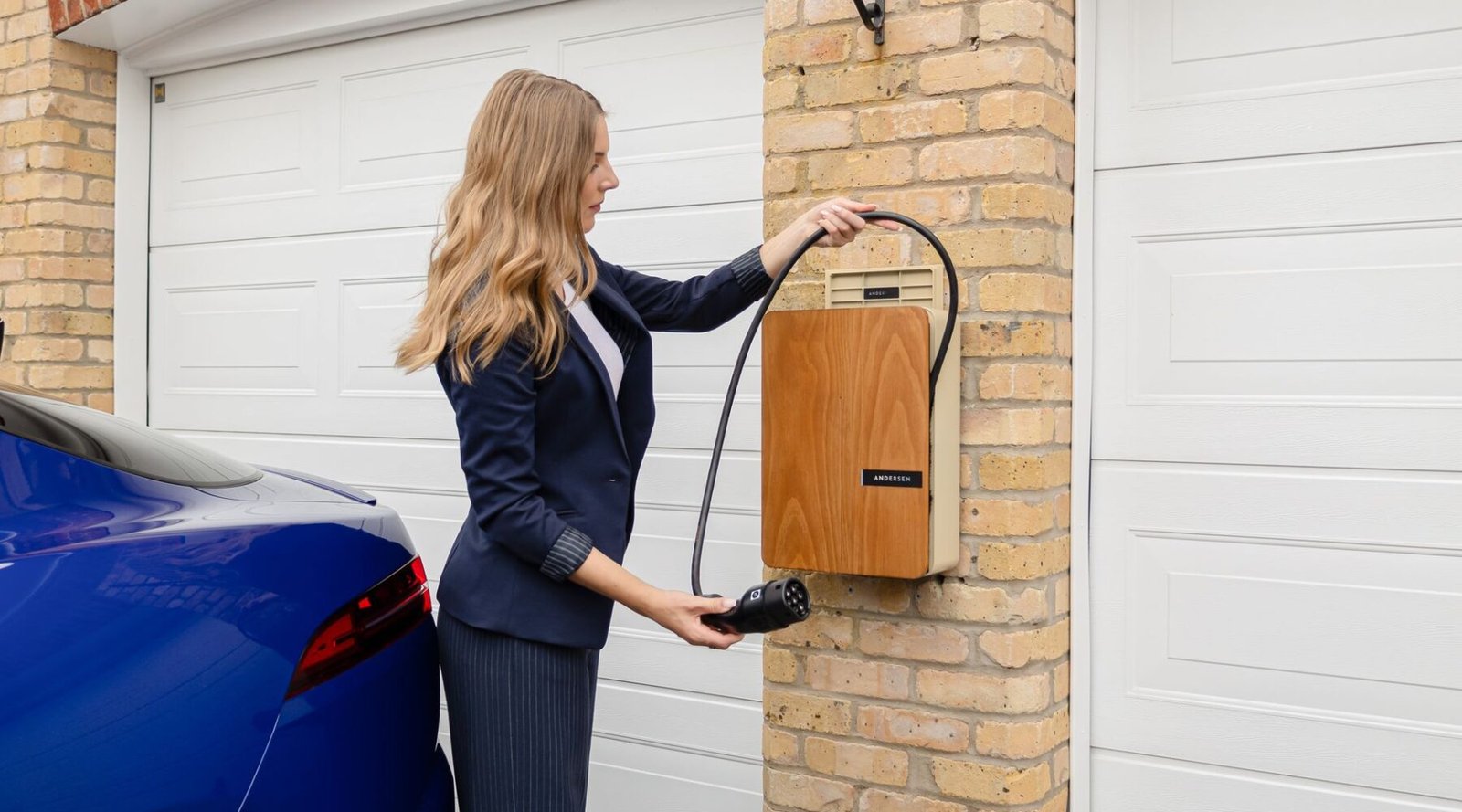
Choosing the best home EV chargers is essential for electric vehicle (EV) owners who want a seamless charging experience. The right charger can significantly reduce charge times and enhance the overall convenience of owning an electric vehicle. In this article, we will explore the top options available on the market, their features, and what to consider when selecting a home EV charger.
Understanding Level 2 EV Chargers
Home EV chargers typically fall into two categories: Level 1 and Level 2 chargers. Level 1 chargers use a standard 120-volt outlet and are best suited for overnight charging. However, they offer slow charging speeds, typically adding about 4 to 5 miles of range per hour. On the other hand, Level 2 chargers operate at 240 volts, providing a much faster charging rate, generally adding 25 to 30 miles of range per hour. For most EV owners, a Level 2 charger is the best choice for home installation.
Top home EV chargers on the market
1. **ChargePoint Home Flex**: This charger is highly versatile, adjustable from 16 to 50 amps, making it suitable for a wide range of EVs. It features Wi-Fi connectivity and an intuitive app that allows users to monitor charging status, schedule charging times, and even find nearby charging stations. The ChargePoint Home Flex is designed for easy installation and can be hardwired or plugged into a NEMA 14-50 outlet.
2. **JuiceBox 40 Smart EV Charger**: Known for its robust construction and smart features, the JuiceBox 40 delivers up to 40 amps of charging power. It is compatible with most electric vehicles and offers Wi-Fi connectivity for real-time monitoring and control. The JuiceBox app allows users to set charging schedules and track energy usage. Additionally, it comes with a durable weather-resistant enclosure, making it ideal for outdoor installation.
3. **Siemens VersiCharge**: Siemens offers a reliable charging solution with its VersiCharge model. This charger provides 30 amps of charging power and features an adjustable cable length, making it suitable for various installation scenarios. The VersiCharge also offers flexible scheduling options, allowing users to take advantage of off-peak electricity rates. Its compact design also ensures it fits well in tight spaces.
4. **Blink HQ 100**: The Blink HQ 100 is a more budget-friendly option without sacrificing quality. It delivers 30 amps of charging power and features a simple installation process. Although it lacks some of the smart features of higher-end models, it still offers essential functionalities such as a user-friendly interface and robust build quality.
Key features to consider when choosing a charger
When selecting the best home EV charger, consider the following key features:
1. **Charging speed**: Look for a charger that meets your daily driving needs. If you have a long commute, a higher amp charger will be beneficial.
2. **Smart features**: Many modern chargers come with Wi-Fi connectivity and smartphone apps, allowing you to monitor and control your charging remotely.
3. **Installation requirements**: Some chargers require hardwiring, while others can be plugged into existing outlets. Consider your home’s electrical setup before making a decision.
4. **Weather resistance**: If you plan to install your charger outdoors, ensure it has a weather-resistant rating to withstand the elements.
Installation considerations
Installing a home EV charger may require professional assistance, especially for Level 2 chargers that need a dedicated circuit. Before installation, evaluate your home’s electrical system to ensure it can handle the additional load. You may need to upgrade your electrical panel or run new wiring, which can add to the overall cost of installation.
Additionally, consider the location of the charger. Ideally, it should be close to where you park your vehicle, reducing the need for long extension cords. Make sure your installation complies with local codes and regulations, and check if there are any available incentives or rebates for installing EV chargers in your area.
Cost considerations
The cost of home EV chargers can range significantly based on features, brand, and installation requirements. Expect to pay anywhere from $400 to $700 for a quality Level 2 charger, excluding installation costs. Professional installation can add another $200 to $1,500, depending on the complexity of the job and any necessary electrical upgrades.
While the initial costs may seem high, consider the long-term savings. Charging at home is generally cheaper than using public charging stations, and many EV owners find the convenience of home charging far outweighs the upfront expenses.
Conclusion
Investing in the best home EV chargers is a crucial step for electric vehicle owners looking to maximize convenience, efficiency, and charging speed. Options like the ChargePoint Home Flex and JuiceBox 40 offer advanced features and flexibility, while budget-friendly choices like the Blink HQ 100 can meet basic needs without breaking the bank. By understanding your charging requirements and considering installation factors, you can choose the right charger to fit your lifestyle and ensure your EV is always ready to go.
Understanding the importance of smart charging features
As electric vehicles (EVs) become increasingly integrated into daily life, the significance of smart charging features in home EV chargers cannot be overstated. These advanced functionalities do more than just charge your vehicle; they optimize energy usage, reduce costs, and enhance user convenience. A deeper examination of these capabilities reveals how they can significantly impact your EV ownership experience.
Smart charging features typically include scheduling, energy usage tracking, and integration with home energy management systems. For instance, many modern chargers allow users to set charging times during off-peak hours when electricity rates are lower. This can lead to substantial savings, especially for those who charge their vehicles overnight. Features like these are increasingly supported by popular home chargers such as the ChargePoint Home Flex and the Bosch Level 2 charger.
“By charging during off-peak hours, EV owners can significantly reduce their energy costs while contributing to grid stability.”
Moreover, real-time energy monitoring is another valuable feature. Chargers equipped with this capability can provide insights into how much energy your vehicle is consuming and how it affects your overall energy bill. This not only helps users manage their budgets more effectively but also allows for better planning of energy consumption in the household.
Integration with home energy management systems can further enhance the EV charging experience. For example, systems like the SolarEdge EV Charger enable users to harness solar energy for charging. Homeowners with solar panels can charge their EVs using renewable energy, significantly lowering their carbon footprint and energy costs. This integration is especially beneficial in regions where solar energy production is maximized, making it a sustainable choice for environmentally-conscious consumers.
Some smart chargers go a step further by providing mobile app connectivity, allowing users to control and monitor their charging remotely. For example, the JuiceBox Smart EV Charger offers a user-friendly app that allows you to start or stop charging, set schedules, and receive notifications when charging is complete. This level of control enhances convenience, particularly for those with busy lifestyles.
Another noteworthy aspect is the ability to connect to smart home devices. Chargers like the Wallbox Pulsar Plus can be integrated with platforms such as Amazon Alexa or Google Assistant, allowing you to control charging with voice commands. This integration not only simplifies the process but also makes it easier to incorporate EV charging into your daily routines.
“Smart charging features transform the way EV owners interact with their vehicles and energy consumption, making it a seamless part of modern life.”
Furthermore, as the EV market continues to evolve, manufacturers are increasingly focusing on software updates and enhancements. This means that a charger purchased today can receive new features and improvements over time, extending its usability and relevance. For example, many chargers can now adapt to the latest energy tariffs and grid conditions, ensuring that users always benefit from the most efficient charging methods available.
In conclusion, selecting a home EV charger with smart features is no longer merely an option; it is becoming a necessity for savvy EV owners. By leveraging these advanced functionalities, users can save money, utilize renewable energy sources, and enjoy a smoother, more integrated charging experience. As the landscape of electric vehicles continues to evolve, investing in smart charging technology will undoubtedly pay off in the long run.
Understanding the importance of smart chargers
As electric vehicle (EV) technology advances, the role of smart chargers has become increasingly significant. Smart chargers not only facilitate faster charging but also offer features that can optimize energy usage, reduce costs, and enhance the overall EV ownership experience. This section delves into the distinct advantages of smart home EV chargers, illustrating how they can benefit both the environment and your wallet.
Smart chargers connect to your home Wi-Fi and can be controlled via a mobile app. This connectivity allows users to monitor charging sessions, schedule charging times, and adjust settings remotely. For example, many utility companies offer lower electricity rates during off-peak hours, typically at night. A smart charger can be programmed to charge your EV during these times, helping you save on energy costs. Some models can even integrate with your local utility’s demand response programs, adjusting the charging rate based on grid demand, which further contributes to energy savings.
One standout example is the ChargePoint Home Flex. This charger offers adjustable amperage levels, meaning it can be configured to work with standard 240V outlets or higher amperage options for faster charging. Users can set it to charge during off-peak hours, and the accompanying app provides insights into charging history and costs, making it easy to track savings over time.
“Smart chargers are not just a convenience; they are an essential part of modern EV ownership that aligns with sustainable energy practices.”
Moreover, smart chargers can often receive firmware updates over the air, ensuring that they are equipped with the latest features and improvements without the need for physical upgrades. This is particularly important as EV technology evolves rapidly. For instance, manufacturers like JuiceBox have implemented features such as advanced scheduling, load balancing, and even integration with solar power systems, allowing users to maximize their renewable energy use while charging their vehicles.
Security is another critical aspect of smart chargers. As these devices connect to your home network, they must be secure from potential cyber threats. Brands like Wallbox emphasize security by incorporating encryption and requiring regular software updates to protect user data. The importance of security cannot be understated, especially as EVs become an increasingly integral part of our daily lives.
In addition to energy efficiency and security, smart chargers often provide enhanced user experiences through features like voice control and compatibility with smart home ecosystems. For example, you can integrate chargers with Amazon Alexa or Google Assistant, allowing you to start or stop charging sessions with simple voice commands. This level of convenience is appealing for tech-savvy users who appreciate seamless integration within their smart home environments.
Lastly, consider the potential resale value of investing in a smart charger. As EV adoption continues to grow, homebuyers are likely to prioritize homes equipped with smart charging solutions. Having a well-regarded smart charger installed can make a property more attractive in a competitive real estate market, providing a return on investment that goes beyond mere convenience.
In conclusion, while traditional Level 2 chargers serve their purpose, smart chargers elevate the EV charging experience significantly. Their ability to optimize energy consumption, enhance security, integrate with smart home systems, and contribute to overall sustainability makes them an intelligent choice for current and future EV owners.
Integrating EV chargers with smart home systems
As electric vehicles (EVs) become increasingly popular, the demand for home charging solutions that seamlessly integrate with smart home systems is on the rise. Homeowners are looking for more than just a functional charger; they want a system that enhances their overall home automation experience. A smart EV charger can do just that, providing features that optimize charging schedules, monitor energy usage, and even facilitate remote control through smartphone apps.
Many modern EV chargers, such as the JuiceBox 40 and the ChargePoint Home Flex, offer compatibility with smart home ecosystems like Amazon Alexa, Google Assistant, and Apple HomeKit. This means that users can control their chargers via voice commands or automate them through routines. For example, a homeowner can set their charger to only operate during off-peak hours to take advantage of lower electricity rates, all while being monitored through a smartphone app that provides real-time data on charging status and energy consumption.
Additionally, the integration of EV chargers with home energy management systems can significantly enhance efficiency. Some chargers are equipped with capabilities to interface with solar panel systems, allowing users to charge their EVs using renewable energy. For instance, if a homeowner has a solar energy system installed, they can program their EV charger to prioritize using solar energy when it is available, reducing reliance on the grid and further lowering energy costs.
“The ability to charge my EV with solar power has not only reduced my electricity bills but has also made me feel more connected to my home’s energy system,” says Sarah Thompson, a homeowner and EV enthusiast.
Another important feature to consider is the ability of smart chargers to receive firmware updates over the air. This ensures that the device stays up to date with the latest features and optimizations, which is crucial as the EV market evolves. Brands like Wallbox and Blink provide chargers that not only offer these updates but also come with advanced features such as customizable charging power, which can be adjusted based on the specific needs of the vehicle or the power availability of the home’s electrical system.
Moreover, some smart chargers are capable of integrating with other smart home devices, such as energy monitors and smart thermostats, to create a cohesive energy management strategy. For example, if a smart thermostat detects that the home is unoccupied, it can send a signal to the EV charger to delay charging until residents return, maximizing energy savings.
While the integration of smart technology into EV charging is beneficial, it is also essential for consumers to ensure compatibility with their existing home networks. Users should investigate which platforms their chargers support and whether they can be easily incorporated into their current smart home setup. Additionally, considering the security of these devices is crucial, as they will be connected to the home’s Wi-Fi network. Look for chargers that offer robust security features to protect against potential cyber threats.
In conclusion, the integration of smart technology into home EV chargers is revolutionizing the way users interact with their vehicles and energy consumption. By selecting a charger that not only meets charging needs but also enhances smart home capabilities, homeowners can enjoy a more efficient, cost-effective, and environmentally friendly EV charging experience.
Related reading: How much does it cost to charge an EV, and The most affordable new electric cars available today. For an outside reference on this topic, see the Department of Energy's home charging guide.