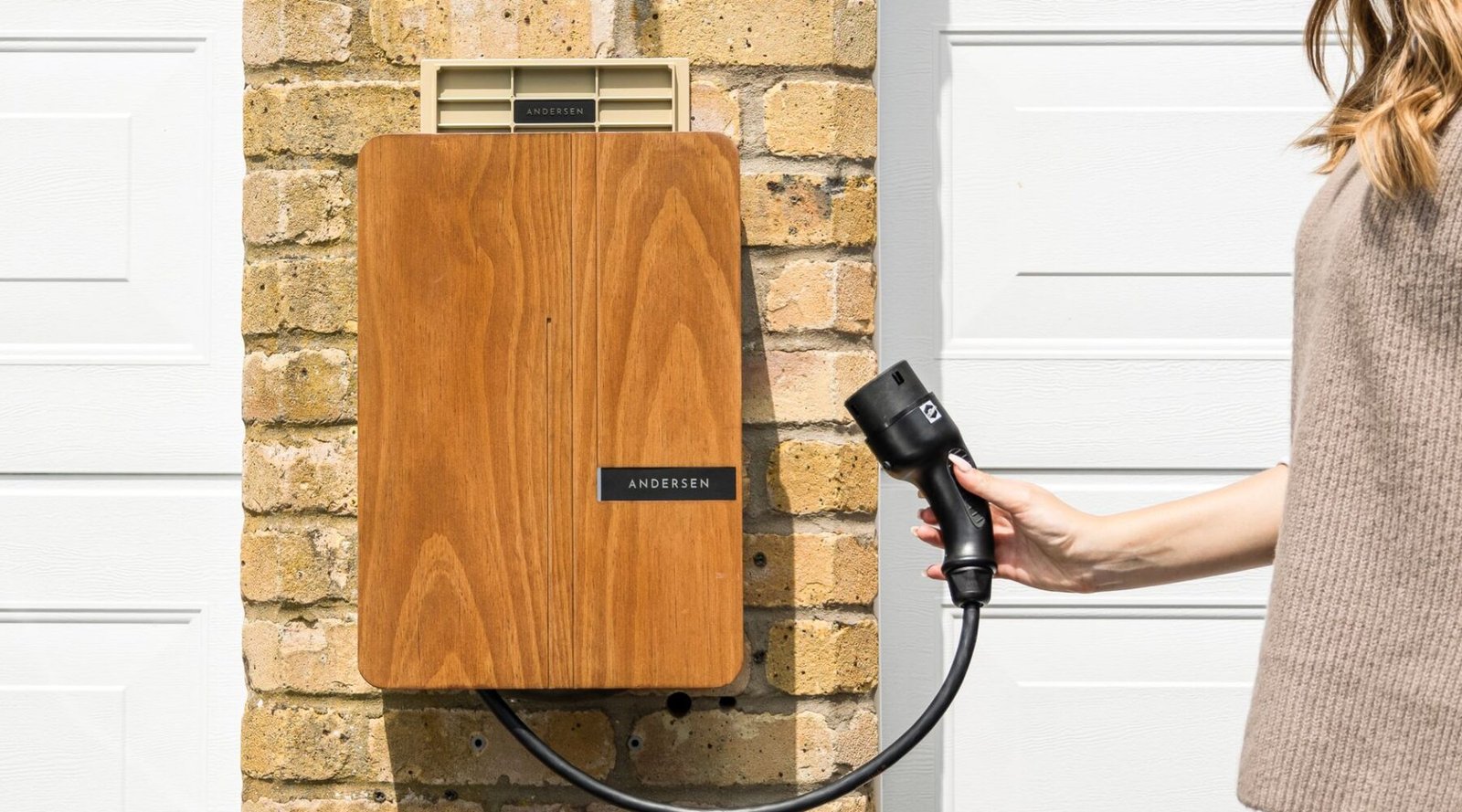
Choosing the right EV charger for your home is crucial for maximizing the convenience and efficiency of your electric vehicle (EV). With a growing number of electric vehicles on the market, understanding the various charging options available can help you make an informed decision. This guide will walk you through the factors to consider when selecting an EV charger that suits your needs.
Understanding charging levels
The first step in choosing the right EV charger is understanding the different charging levels available. There are three primary levels of EV charging:
- Level 1 Charging: This is the most basic form of charging and uses a standard 120-volt outlet. It is typically the slowest option, providing about 3 to 5 miles of range per hour of charging. Level 1 is suitable for plug-in hybrids or if you have a low daily mileage.
- Level 2 Charging: This option requires a 240-volt outlet and is much faster, delivering around 10 to 60 miles of range per hour. Level 2 chargers are ideal for most electric vehicles and can be installed in a garage or on an exterior wall.
- DC Fast Charging: Primarily found in public charging stations, DC fast chargers can replenish up to 80% of an EV’s battery in about 30 minutes. These chargers are not intended for home use, as they require specialized equipment and high-voltage power sources.
Evaluating charging speed and output
When selecting an EV charger, consider the charging speed you require. Charging speed is determined by the charger’s output, measured in kilowatts (kW). Most Level 2 home chargers offer outputs between 3.3 kW and 22 kW. The higher the kW rating, the faster the charging. However, the maximum charging speed also depends on your vehicle’s onboard charger capability.
For example, if your EV can accept a maximum of 7.2 kW, investing in a 22 kW charger would not provide any additional benefit. Therefore, it is essential to check your vehicle’s specifications and match them with the charger’s output.
Assessing your home’s electrical capacity
Before purchasing an EV charger, assess your home’s electrical system. Most Level 2 chargers require a dedicated circuit and sufficient capacity to handle the additional load. Consult with a licensed electrician to determine if your existing electrical panel can support the charger’s requirements.
If your electrical panel is outdated or insufficient, you may need to upgrade it, which can add to the overall cost of your EV charging setup. Additionally, consider the potential need for a permit or inspection based on local regulations.
Choosing the right features
Modern EV chargers come with various features that can enhance your charging experience. Here are some key features to consider:
- Smart Charging: Many chargers now include smart technology that allows you to monitor and control charging via a smartphone app. This feature can help you track energy usage, schedule charging times, and receive notifications.
- Wi-Fi Connectivity: Wi-Fi-enabled chargers can integrate with home automation systems, enabling remote management and energy monitoring.
- Safety Features: Look for chargers that include safety features such as overcurrent protection, ground fault protection, and temperature monitoring to ensure safe operation.
- Weather Resistance: If you plan to install the charger outdoors, ensure it is rated for outdoor use to withstand the elements.
Estimating installation costs
The cost of installing an EV charger can vary significantly based on several factors, including the type of charger, installation complexity, and local labor rates. On average, the cost of a Level 2 charger ranges from $400 to $1,500, not including installation. Installation costs can add another $300 to $1,500 depending on electrical upgrades and labor costs.
Additionally, some states offer incentives or rebates for EV charger installations, which can help offset costs. Research local programs to see if you qualify for any financial assistance.
Final considerations
Choosing the right EV charger for your home involves careful consideration of your specific needs, vehicle capabilities, and home electrical infrastructure. By evaluating charging levels, speeds, and features, you can find a charger that enhances your EV experience.
As electric vehicles become increasingly popular, investing in a suitable home charging solution will ensure that you can efficiently power your vehicle and enjoy the benefits of electric driving.
Understanding installation requirements for home EV chargers
When considering the installation of an electric vehicle (EV) charger at home, it’s crucial to go beyond just choosing the right model and understand the specific installation requirements that can affect both performance and safety. The installation process can vary significantly based on your home’s existing electrical infrastructure, local regulations, and the type of charger you choose.
One of the first steps in this process is to assess your home’s electrical capacity. Most residential homes are equipped with a 100-200 amp electrical service. A Level 2 charger, which is the most common choice for home EV charging, typically requires a dedicated circuit of 30 to 50 amps. If your current service capacity is on the lower end, you may need to upgrade your electrical panel, which can be a significant expense ranging from $1,000 to $3,000.
Another critical aspect to consider is the distance from the electrical panel to the charging location. Longer distances may require thicker gauge wiring to minimize voltage drop, which can lead to inefficiencies in charging. Depending on local codes, you may also need to use conduit, which adds to both material and labor costs.
“Consulting with a licensed electrician can help you determine the most efficient and code-compliant way to set up your EV charger.”
Local regulations and permits are also vital factors in the installation process. Some jurisdictions require specific permits for electrical work, particularly for high-amperage installations like EV chargers. It’s essential to check with your local building department to understand the necessary permits and inspections required. Not adhering to these regulations can result in fines or safety hazards.
In addition to the electrical setup, consider the physical placement of your charger. It should be easily accessible, ideally located near where you park your vehicle. If you plan to install your charger in a garage, make sure there is sufficient space to accommodate both the charger and your vehicle without obstruction. Outdoor installations must also take into account weatherproofing and the potential exposure to the elements, which may require additional protective measures or enclosures.
Homeowners should also be aware of the potential for future upgrades. As EV technology continues to evolve, older chargers may become obsolete. Installing a charger with smart capabilities can provide added flexibility. Smart chargers can be programmed for optimal charging times, track energy usage, and even integrate with home energy management systems, making them a future-proof choice.
In conclusion, choosing the right EV charger for your home involves careful consideration of installation requirements. By assessing your electrical capacity, understanding local regulations, and planning for future needs, you can ensure that your home charging solution is efficient, compliant, and tailored to your lifestyle. Engaging with professionals, such as licensed electricians, will not only streamline the installation process but also enhance the safety and longevity of your charging solution.
Understanding charging speeds and their impact
When selecting an EV charger for home use, understanding the different charging speeds is crucial. Charging speeds are primarily categorized into three levels: Level 1, Level 2, and DC Fast Charging. Each of these levels offers distinct advantages and limitations that can greatly affect your daily driving experience and overall satisfaction with your electric vehicle.
Level 1 chargers utilize a standard 120-volt outlet and are often the simplest to implement. They are ideal for overnight charging or for those who drive short distances daily. For instance, if you own a plug-in hybrid or an electric vehicle with a smaller battery, the Level 1 charger can replenish enough power for your daily needs without any major investment. However, the charging speed is slow, typically providing about 4 to 5 miles of range per hour of charging. This means that if your daily commute is over 30 miles, you will need to charge overnight and may not have enough range if you forget.
Level 2 chargers, operating at 240 volts, are the most common choice for home installations. They significantly reduce charging time, offering anywhere from 10 to 60 miles of range per hour, depending on the vehicle and charger specifications. For example, a Tesla Model 3 can charge at a rate of about 30 miles per hour with a Level 2 charger, making it feasible to fully charge overnight even after a long day of driving. If you have a dedicated parking space and the ability to install a Level 2 charger, this option often represents the best balance between cost, convenience, and efficiency.
Consider your daily driving habits when deciding on the charging level. A family with multiple electric vehicles might benefit from a Level 2 charger to ensure all vehicles are adequately charged for daily use.
For those who need ultra-fast charging, DC Fast Chargers are available but are typically not suitable for home use due to their complexity and high installation costs. These chargers can provide 60 to 80 miles of range in just 20 minutes, making them ideal for public charging stations along highways. However, installing a DC Fast Charger at home often requires significant electrical infrastructure changes and is generally unnecessary for typical residential use.
In addition to the charging speed, it is important to consider the compatibility of your EV with the charger. Most electric vehicles come with a standard charging port, but some proprietary systems exist. Tesla, for instance, has its own charging interface, although adapters are available for compatibility with other chargers. It’s essential to verify that the charger you choose will work seamlessly with your vehicle to avoid compatibility issues.
Beyond charging speeds, you should also evaluate your home’s electrical capacity. A Level 2 charger may require a dedicated circuit, and older homes may need electrical upgrades to support higher voltage chargers. Consulting with a licensed electrician can provide clarity on what modifications may be necessary.
Understanding your charging options and their implications will empower you to make a more informed decision that aligns with your lifestyle and driving habits.
By taking the time to assess your specific needs, charging habits, and home infrastructure, you can make an informed choice about the right EV charger for your home, ensuring that you stay charged and ready for the road ahead.
Understanding the nuances of installation and power requirements
When selecting an EV charger for your home, the installation process and the associated power requirements are often overlooked yet critical components. Understanding these nuances can significantly impact both the cost and functionality of your charging setup.
First, assess your home’s electrical capacity. Most residential homes operate on a 100 to 200 amp service. If you have a standard 100 amp service, you might find it challenging to support a Level 2 charger, which typically requires a dedicated 240-volt circuit and can draw anywhere from 16 to 80 amps. It’s advisable to consult with a certified electrician to evaluate your electrical panel and determine whether an upgrade is necessary. This is particularly important if you have other high-demand appliances, such as an air conditioner or electric heater, that could strain your electrical system.
Next, consider the distance between your EV charger and your main electrical panel. Longer distances may require thicker gauge wiring to minimize voltage drop, which can increase installation costs. For instance, if your EV is parked in a garage that is detached from the main house, the installation might involve running conduit and cable through walls or underground, further increasing complexity and expense.
If your electrical system cannot support the additional load, you might need to consider a home energy management system or even a solar charging setup as alternatives to conventional power sources.
Another vital aspect is the existing infrastructure of your home. Older homes might have outdated wiring that is not suited for modern chargers. In such cases, you may have to invest in rewiring or upgrading the electrical panel. For example, if your home was built in the 1970s, it may not have been designed with the energy demands of today’s electric vehicles in mind. Even if you have a 200 amp service, the wiring might not be adequate for the continuous load of charging an EV.
Additionally, consider the time of day you plan to charge your vehicle. Some utility companies offer time-of-use (TOU) rates that can significantly reduce your electricity costs during off-peak hours. If you plan to take advantage of these savings, you may need a smart charger that can be programmed to charge your vehicle during specific hours. This consideration can enhance your savings while providing greater flexibility in your charging routine.
Lastly, explore the potential for local incentives or rebates that may assist with the costs of installation, especially if you are upgrading your electrical system. Many states and municipalities offer financial incentives for the installation of EV chargers or energy-efficient home upgrades, which can offset some of the initial expense. Researching available programs in your area can provide substantial savings and make the transition to electric mobility more economical.
By paying attention to these installation nuances and power requirements, you not only ensure a seamless charging experience but also lay the groundwork for a more sustainable and economical energy use in your home.
Related reading: Home Charging 101: What You Need Before Your EV Arrives, and The premier electric vehicles engineered for cross-country highway travel. For an outside reference on this topic, see the Department of Energy's home charging guide.



1 Response