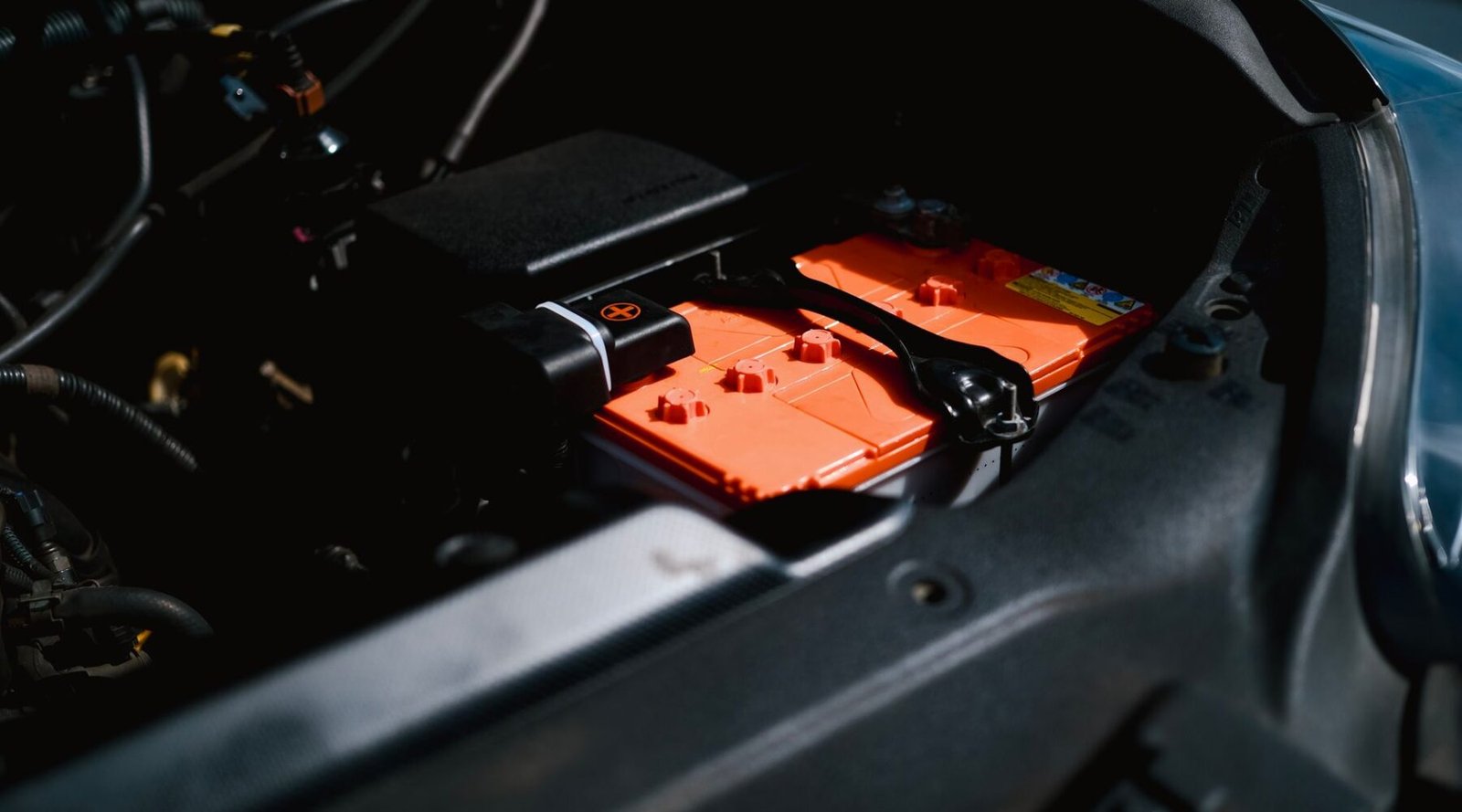
Replacing your car battery is a straightforward process that every vehicle owner should be able to handle. A healthy battery is essential for your car’s performance, and eventually, all batteries will need to be replaced. This guide will take you through the steps to safely and effectively replace your car battery.
Understanding when to replace your battery
Before diving into the replacement process, it’s crucial to recognize the signs that your battery needs replacing. Common indicators include dimming headlights, slow engine crank, and the battery warning light on your dashboard. If your battery is older than three to five years, it’s wise to consider a replacement, even if it seems to be functioning well.
Gathering necessary tools and materials
Before starting the replacement, make sure you have all the tools and materials you need. You will typically require:
- A new battery (ensure it’s compatible with your vehicle)
- A wrench or socket set
- A battery terminal cleaner or wire brush
- Safety gloves and eyewear
- A towel or rag
- Optional: battery terminal protector spray
Having the right tools will make the process smoother and safer.
Steps to replace your car battery
Follow these steps carefully to replace your car battery:
- Park your vehicle safely: Ensure your car is parked on a level surface and the engine is turned off. Engage the parking brake to prevent any movement.
- Open the hood: Release the hood latch and secure the hood with the prop rod if necessary.
- Locate the battery: Identify the battery’s location. In most vehicles, it is found near the front of the engine compartment.
- Disconnect the negative terminal: Always disconnect the negative terminal first to minimize the risk of a short circuit. Use a wrench to loosen the bolt on the negative terminal (usually marked with a minus sign or black color) and carefully remove the cable.
- Disconnect the positive terminal: Repeat the process for the positive terminal (marked with a plus sign or red color). Make sure to keep the cables away from each other.
- Remove the battery: If there is a bracket holding the battery in place, use your wrench to remove it. Carefully lift the battery out of its tray, ensuring you have a good grip as it can be heavy.
- Clean the battery tray and terminals: Use a battery terminal cleaner or wire brush to clean any corrosion from the terminals and the battery tray. This prevents poor connections with the new battery.
- Install the new battery: Place the new battery into the tray, ensuring it is positioned correctly with the positive and negative terminals in the right orientation.
- Reconnect the positive terminal: First, connect the positive terminal and tighten it securely with your wrench.
- Reconnect the negative terminal: Finally, connect the negative terminal in the same manner.
- Secure the battery: If there was a bracket, reattach it to secure the battery in place.
- Close the hood: Double-check that everything is secure and close the hood of your vehicle.
- Start your vehicle: After replacing the battery, start your car to ensure everything is functioning properly.
Disposing of the old battery
It is important to dispose of your old battery responsibly. Car batteries contain toxic materials and should not be thrown in regular trash. Most auto parts stores will accept old batteries for recycling. Check with local regulations for proper disposal methods and recycling options in your area.
Maintaining your new battery
Once you have replaced your battery, there are several maintenance tips to ensure longevity:
- Regularly check the battery terminals for corrosion and clean them as needed.
- Keep the battery secured to prevent vibration damage.
- Check the battery’s fluid levels if applicable, and maintain them according to the manufacturer’s recommendations.
- Avoid short trips that prevent your battery from fully charging.
By following these maintenance tips, you can help extend the lifespan of your new battery and ensure your vehicle remains reliable.
Replacing your battery doesn’t have to be daunting. With the right tools and knowledge, you can keep your vehicle running smoothly.
Understanding battery recycling and disposal
When replacing your car battery, it’s essential not only to focus on the installation process but also to understand the implications of battery disposal. Lead-acid batteries, which are commonly used in vehicles, contain toxic materials that can harm the environment if not disposed of properly. In fact, nearly 99% of the lead used in batteries is recycled, making it one of the most recycled consumer products. However, the recycling process requires responsible handling and processing.
Once you’ve successfully replaced your car battery, it’s crucial to know how to dispose of the old one. Most auto parts stores, including major retailers like AutoZone and O’Reilly Auto Parts, offer battery recycling programs. They often provide a small discount on your new battery if you return your old one, incentivizing proper disposal.
Additionally, many municipalities have specific guidelines for hazardous waste disposal, including car batteries. Check with your local waste management authority to find designated drop-off locations or scheduled collection events for hazardous materials. This ensures that your battery is processed in a way that minimizes environmental impact.
In 2020, the EPA reported that improper disposal of lead-acid batteries contributes to approximately 1.2 million tons of lead pollution in the environment each year.
Another option is the involvement of local recycling centers that specialize in electronic waste. These facilities are equipped to handle the components of lead-acid batteries, ensuring that the materials are recycled efficiently and safely. Many centers will accept batteries for free or for a nominal fee, making them accessible to the average consumer.
If you are part of a community that emphasizes sustainability, consider organizing a battery recycling drive. Collaborating with local businesses or environmental organizations can raise awareness about proper disposal and recycling methods while promoting community engagement.
It’s also worth noting that new technologies are emerging in the battery recycling sector. Innovations like hydrometallurgical processes are being developed to extract valuable materials from batteries more effectively, further enhancing recycling rates. Keeping informed about these advancements can help you make better decisions about battery disposal and recycling in the future.
In summary, replacing your car battery is just one step in a broader responsibility toward environmental stewardship. By understanding and participating in battery recycling and disposal, you contribute to a sustainable future while ensuring that hazardous materials are handled appropriately.
Understanding battery recycling and disposal
Replacing your car battery is only part of the process; responsible disposal of the old battery is equally important. Lead-acid batteries, commonly used in vehicles, contain hazardous materials that can harm the environment if not disposed of properly. In this section, we will explore the best practices for recycling and disposing of your old car battery.
First, it’s essential to recognize that most automotive retailers and service centers offer battery recycling programs. When you purchase a new battery, inquire whether they will take your old battery for recycling. Many retailers provide this service for free or may even offer a small credit toward your new battery purchase. For example, AutoZone and Advance Auto Parts have established programs that ensure batteries are handled according to environmental regulations.
“Proper disposal of car batteries helps prevent lead and acid from contaminating the environment.”
In addition to retail programs, local recycling centers often accept lead-acid batteries. Check with your municipality to find designated drop-off locations. Many cities have special collection events, especially during Earth Day or similar initiatives, where residents can dispose of hazardous waste, including car batteries, safely.
Understanding the recycling process can also provide insight into why proper disposal is crucial. When a lead-acid battery is recycled, the lead is reclaimed and purified for reuse in new batteries, while the sulfuric acid is neutralized into sodium sulfate, which can be used in laundry detergents and glass manufacturing. This closed-loop system not only conserves resources but also minimizes landfill waste.
In some regions, laws mandate that used batteries be recycled, meaning improper disposal can result in fines. For instance, California has stringent regulations that require retailers to accept used batteries and recycle them responsibly. Familiarizing yourself with your local laws can help you stay compliant and environmentally conscious.
While it may be tempting to leave an old battery on the curb or in a garage, this poses risks beyond legal compliance. Batteries can corrode and leak, releasing toxic substances into the ground and air. Furthermore, if not stored correctly, they can become a fire hazard. The safest approach is to handle them as you would any other hazardous waste: with care and responsibility.
When transporting your old battery for disposal, ensure it is secured in your vehicle to prevent spillage or damage. Use a battery box or container to avoid any acid leaks, and be cautious of the weight, as lead-acid batteries can weigh between 30 to 50 pounds. Always wear gloves and protective eyewear when handling batteries to safeguard against acid burns and other injuries.
In summary, replacing your car battery does not end with the installation of a new one. Taking steps to dispose of your old battery responsibly is crucial for environmental protection and public health. By utilizing retailer programs, local recycling facilities, and following safe handling practices, you can contribute positively to your community and the planet.
Understanding battery types and their applications
When replacing your car battery, it is crucial to understand the different types of batteries available and their specific applications. Two common types are lead-acid batteries and absorbed glass mat (AGM) batteries, each serving distinct needs and performance characteristics.
Lead-acid batteries, the traditional choice for most vehicles, are cost-effective and widely available. They work well for standard gasoline vehicles and are relatively simple to replace. However, they have limitations, particularly in terms of longevity and performance under extreme conditions. For example, when exposed to high temperatures or deep discharge cycles, lead-acid batteries may fail sooner than expected.
On the other hand, AGM batteries offer several advantages, especially for modern vehicles equipped with advanced start-stop technology or high-demand electronics. AGM batteries are designed to withstand deeper discharges and are less susceptible to sulfation, which can degrade performance over time. They also have a sealed construction, reducing the risk of corrosion and allowing for installation in various orientations.
Consider the following factors when choosing a battery:
1. **Vehicle specifications:** Always check your owner’s manual for the recommended battery type and specifications, including size, capacity (measured in amp-hours), and cold cranking amps (CCA). This ensures compatibility and optimal performance.
2. **Climate considerations:** If you live in an area with extreme weather, you may need a battery designed for those conditions. For instance, AGM batteries perform better in cold climates due to their ability to deliver higher CCA ratings.
3. **Usage patterns:** If you frequently drive short distances or use a lot of electronic accessories, an AGM battery may be a better investment due to its ability to handle cycles without significant degradation.
Another aspect to consider is the warranty. Many battery manufacturers offer warranties ranging from 2 to 5 years, with AGM batteries often having longer warranties. A longer warranty can provide peace of mind and can indicate a manufacturer’s confidence in their product.
Lastly, installation practices can also vary based on battery type. AGM batteries are typically lighter and may require specific mounting techniques to ensure safety and performance. Always refer to the manufacturer’s guidelines for installation tips and safety precautions.
In summary, understanding the differences between battery types and their applications can significantly enhance the effectiveness of your battery replacement. By selecting the right battery for your vehicle’s needs, you can improve reliability, performance, and longevity, providing better value over time.
Understanding battery types and their impact
When replacing your car battery, it is essential to understand the different types of batteries available and how they can affect your vehicle’s performance. The two most common types of car batteries are lead-acid batteries and absorbed glass mat (AGM) batteries. Each has its own advantages and disadvantages that can significantly impact your vehicle’s operation and maintenance.
Lead-acid batteries are the traditional option, widely used in vehicles due to their cost-effectiveness and reliability. They are typically easier to find and replace, making them a popular choice for budget-conscious drivers. However, they tend to have a shorter lifespan, usually lasting three to five years, especially in extreme temperatures.
On the other hand, AGM batteries are a more advanced option, designed to provide superior performance and longevity. They are sealed and spill-proof, which makes them a safer choice for vehicles with complex electrical systems that require consistent power supply. AGM batteries generally last longer, often exceeding five years, and can handle deep discharges better than their lead-acid counterparts. This quality makes them particularly appealing for vehicles with high electrical demands, such as luxury cars, SUVs, and those equipped with numerous electronics.
“Choosing the right battery type can prevent premature failures and enhance your vehicle’s overall performance.”
Understanding your vehicle’s specific requirements is crucial. Check the owner’s manual or consult with a professional to determine the battery type that suits your vehicle best. Pay attention to the cold cranking amps (CCA) rating, which measures the battery’s ability to start the engine in cold temperatures. A higher CCA rating indicates better starting power, especially in colder climates.
Furthermore, consider the warranty offered with your new battery. Many manufacturers provide warranties ranging from two to five years, depending on the battery type. A longer warranty indicates a manufacturer’s confidence in their product’s durability and can be a sign of quality. Opting for a battery with a solid warranty can save you money in the long run by covering potential replacement costs.
Lastly, be aware of battery maintenance. Lead-acid batteries require regular checks for corrosion on terminals and water levels, while AGM batteries are generally maintenance-free. However, keeping your battery clean and securely mounted will help prolong its life regardless of the type. Regularly inspecting the battery and its connections can prevent unexpected failures and ensure optimal performance.
In conclusion, understanding the differences between lead-acid and AGM batteries is vital when replacing your car battery. The right choice can enhance your vehicle’s efficiency, reliability, and longevity. By aligning your battery selection with your vehicle’s requirements and usage, you can avoid common pitfalls and enjoy a smoother driving experience.
Related reading: How often should you rotate your tires, and Understanding the check engine light and its implications. For an outside reference on this topic, see NHTSA's vehicle resources.


3 Responses