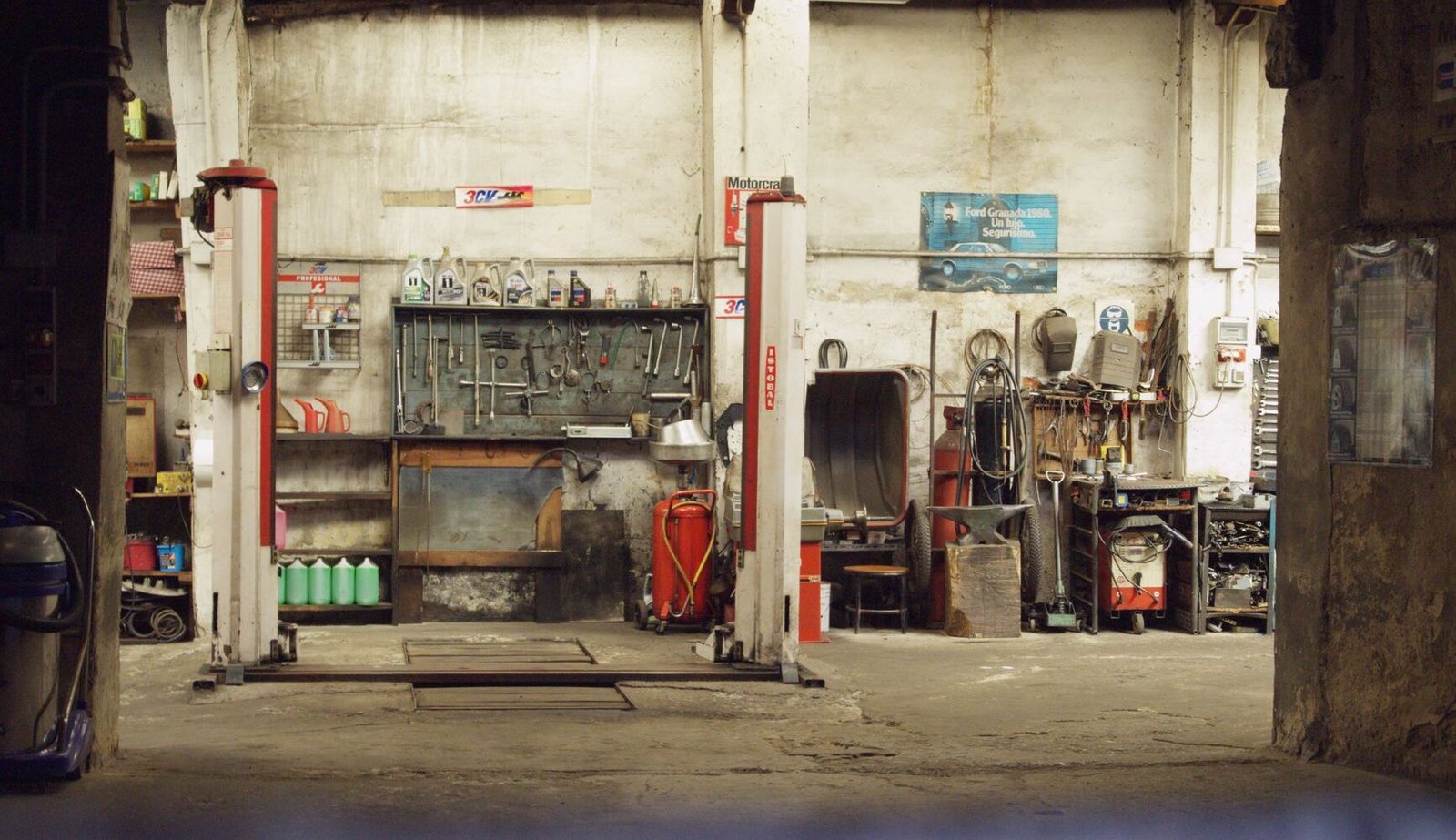
Car maintenance is critical for ensuring the longevity and reliability of your vehicle. However, many drivers unknowingly make mistakes that can lead to costly repairs. These car maintenance mistakes can not only drain your bank account but also compromise your safety on the road. Here are ten common mistakes to avoid if you want to keep your vehicle running smoothly and save thousands in the long run.
1. Ignoring the owner’s manual
Every vehicle comes with an owner’s manual, and it is your best resource for understanding maintenance schedules. Ignoring recommendations for oil changes, tire rotations, and fluid checks can lead to premature wear and tear. For instance, neglecting to change the oil at recommended intervals can cause engine damage, which may cost you thousands in repairs. Always familiarize yourself with the maintenance schedule outlined in your owner’s manual.
2. Skipping regular oil changes
Oil is the lifeblood of your engine, and skipping regular oil changes can lead to severe engine damage. Over time, oil breaks down and loses its ability to lubricate moving parts effectively. This can result in increased friction, overheating, and ultimately engine failure. Depending on your vehicle and the extent of the damage, repairing or replacing an engine can easily cost several thousand dollars. Regular oil changes are a small price to pay for peace of mind.
3. Neglecting tire maintenance
Tires are the only contact point between your vehicle and the road, making their maintenance crucial. Failing to check tire pressure regularly can lead to uneven wear, reduced fuel efficiency, and, in severe cases, tire blowouts. Additionally, neglecting to rotate your tires can result in expensive replacements sooner than expected. Investing in proper tire maintenance, including rotation and alignment, can prevent costly accidents and ensure a smoother ride.
4. Overlooking brake issues
Brakes are one of the most critical safety features of your vehicle. Ignoring warning signs, such as squeaking or grinding noises, can lead to severe brake failure. If your brake pads wear down completely, you risk damaging the rotors, which can significantly increase repair costs. Regularly inspecting and replacing brake components is essential to avoid dangerous situations and costly repairs.
5. Not replacing air filters
Air filters play a vital role in maintaining optimal engine performance and fuel efficiency. A clogged air filter can restrict airflow, leading to reduced engine power and increased fuel consumption. While replacing an air filter is a relatively inexpensive maintenance task, neglecting it can result in decreased performance and higher fuel costs. Regularly check and replace your air filters as recommended in your owner’s manual.
6. Ignoring fluid levels
Fluids are essential for the proper functioning of various systems in your vehicle, including the engine, transmission, brakes, and cooling system. Neglecting to check and top off fluid levels can lead to overheating, transmission failure, or brake issues. For example, low coolant levels can cause your engine to overheat, resulting in expensive repairs. Make it a habit to check fluid levels regularly and top them off as needed.
7. Delaying repairs
When you notice a small issue with your vehicle, it can be tempting to delay repairs, hoping it will resolve itself. However, this can lead to bigger problems down the road. For instance, a small oil leak can turn into a catastrophic engine failure if left unaddressed. Regularly inspect your vehicle for any warning signs and address repairs promptly to avoid more significant and costly issues.
8. Neglecting battery maintenance
Your vehicle’s battery is crucial for starting your engine and powering electrical systems. Failing to maintain the battery can lead to unexpected breakdowns. Corrosion on battery terminals can impede performance, and an aging battery may leave you stranded. Regularly checking the battery for corrosion, ensuring tight connections, and replacing it as needed can save you from costly roadside assistance or a new alternator.
9. Using the wrong fuel
Using the wrong type of fuel can lead to poor engine performance and potential damage. If your vehicle requires premium fuel, using regular gasoline can cause knocking and reduce efficiency. Always refer to your owner’s manual for the correct fuel type and octane rating to ensure optimal performance and avoid costly repairs.
10. Skipping professional inspections
While DIY maintenance can save money, it should not replace professional inspections. Mechanics can identify issues that may not be visible to the average driver. Regular professional inspections can catch potential problems before they escalate into costly repairs. Investing in annual inspections is a wise decision to maintain your vehicle’s health and longevity.
In conclusion, avoiding these car maintenance mistakes can save you thousands of dollars and keep your vehicle safe and reliable. By being proactive and following a regular maintenance schedule, you can enjoy a smoother driving experience and extend the life of your vehicle. Remember, a well-maintained car is not just about saving money; it’s about ensuring safety for you and your passengers on the road.
Understanding the importance of fluid maintenance
Many car owners overlook the regular maintenance of essential fluids, believing that if their vehicle is running smoothly, there’s no need for concern. However, neglecting fluid checks can lead to catastrophic failures and costly repairs. Engine oil, transmission fluid, brake fluid, coolant, and power steering fluid all play crucial roles in the operation of your vehicle. Each fluid degrades over time, accumulating contaminants that can severely impact performance.
For instance, engine oil lubricates moving parts, preventing wear and tear. Over time, oil loses its viscosity and ability to lubricate effectively. A simple oil change can cost around $50 to $100, but ignoring it can lead to engine failure, which could set you back thousands in repairs or even necessitate a full engine replacement.
“Regularly checking and changing your fluids can save you from catastrophic engine failures down the line.”
Transmission fluid, often overlooked, is another critical component. It not only lubricates the transmission but also helps cool it. A failure to change the transmission fluid can lead to overheating and eventual transmission failure. The cost to replace an automatic transmission can range from $3,000 to $5,000. By contrast, a fluid change costs approximately $150 to $250. Furthermore, the signs of poor transmission health, such as slipping gears or delayed engagement, are often ignored until it’s too late.
Brake fluid is equally important. It can absorb moisture over time, which reduces its effectiveness and leads to corrosion in the brake system. This can result in a complete brake failure, which is not only dangerous but also expensive to repair. Regularly flushing brake fluid every two years can prevent these issues, costing around $100, far less than the potential cost of replacing an entire braking system.
Coolant is essential for regulating engine temperature. If the coolant is not changed periodically, it can become acidic and lead to corrosion of engine components, resulting in a blown head gasket or a cracked engine block, with repair costs that can easily exceed $1,500. Many car owners wait until they see the temperature gauge climb or a warning light illuminate before addressing cooling issues, which is a costly mistake.
Power steering fluid is often neglected as well. Low levels can lead to steering difficulties and the potential for pump failure. While a power steering pump replacement can run between $300 and $800, regularly checking and topping off your fluid can prevent this issue.
In summary, fluid maintenance is a critical aspect of car care that can prevent expensive breakdowns. Establishing a routine check on fluid levels and their condition can save you from thousands of dollars in repairs, ensuring that your vehicle remains reliable for years to come. Regular maintenance might seem like a hassle, but it is an investment in the longevity and performance of your car.
Understanding the importance of tire maintenance
Tires are the only point of contact between your vehicle and the road, making their maintenance crucial not only for safety but also for financial efficiency. Neglecting tire care can lead to a cascade of costly issues, from poor fuel economy to hazardous driving conditions. Here are some specific tire maintenance mistakes that could cost you dearly.
One common oversight is failing to regularly check tire pressure. Under-inflated tires can increase rolling resistance, leading to decreased fuel efficiency and accelerating tire wear. For example, a study by the U.S. Department of Energy indicates that maintaining proper tire pressure can improve gas mileage by up to 3% on average. If you drive 15,000 miles per year in a vehicle that gets 25 miles per gallon, that could save you about $120 annually at current fuel prices.
Conversely, over-inflated tires can also pose serious risks. They can lead to a harsher ride and uneven tire wear, which not only affects handling but can also result in blowouts. Regularly checking tire pressure—ideally, once a month and before long trips—is essential. Invest in a reliable tire pressure gauge, and keep in mind that tire pressure fluctuates with temperature changes; a drop in temperature can cause pressure to decrease significantly.
“Neglecting tire care can lead to a cascade of costly issues, from poor fuel economy to hazardous driving conditions.”
Another mistake is ignoring tread wear. Tires wear differently depending on driving habits and road conditions. A simple way to check tread depth is the penny test: insert a penny into the tread with Lincoln’s head facing down. If you can see all of Lincoln’s head, your tires are too worn and need replacement. Worn tires can lead to longer stopping distances and reduced traction, especially in wet conditions, significantly increasing your risk of accidents. According to the National Highway Traffic Safety Administration, approximately 11,000 crashes annually are attributed to tire-related issues, underscoring the importance of maintaining proper tread depth.
Additionally, rotating your tires regularly is essential for even wear. Most experts recommend rotating tires every 5,000 to 7,500 miles, but this can vary based on your vehicle type and driving style. Neglecting this simple task can lead to premature tire wear, costing you hundreds in replacement costs. For example, if you drive a car that requires four new tires every 50,000 miles and fail to rotate them, you could end up replacing them after just 30,000 miles, resulting in an unnecessary expense.
Finally, don’t overlook alignment and balancing. Misalignment can cause your vehicle to pull to one side, making driving less safe and more exhausting. It can also lead to uneven tire wear. If you notice your car drifting or your steering wheel vibrating, it may be time for an alignment check. Regular alignments can extend the life of your tires and improve overall vehicle handling, saving you money in the long run.
In summary, paying attention to tire maintenance can prevent expensive repairs and enhance your vehicle’s performance. By monitoring tire pressure, checking tread depth, rotating tires regularly, and ensuring proper alignment, you not only improve your vehicle’s safety but also protect your wallet from unexpected costs associated with tire neglect.
Related reading: How to check and maintain tire pressure for safety, and Walmart tire center: affordable options for every driver. For an outside reference on this topic, see NHTSA's vehicle resources.


1 Response