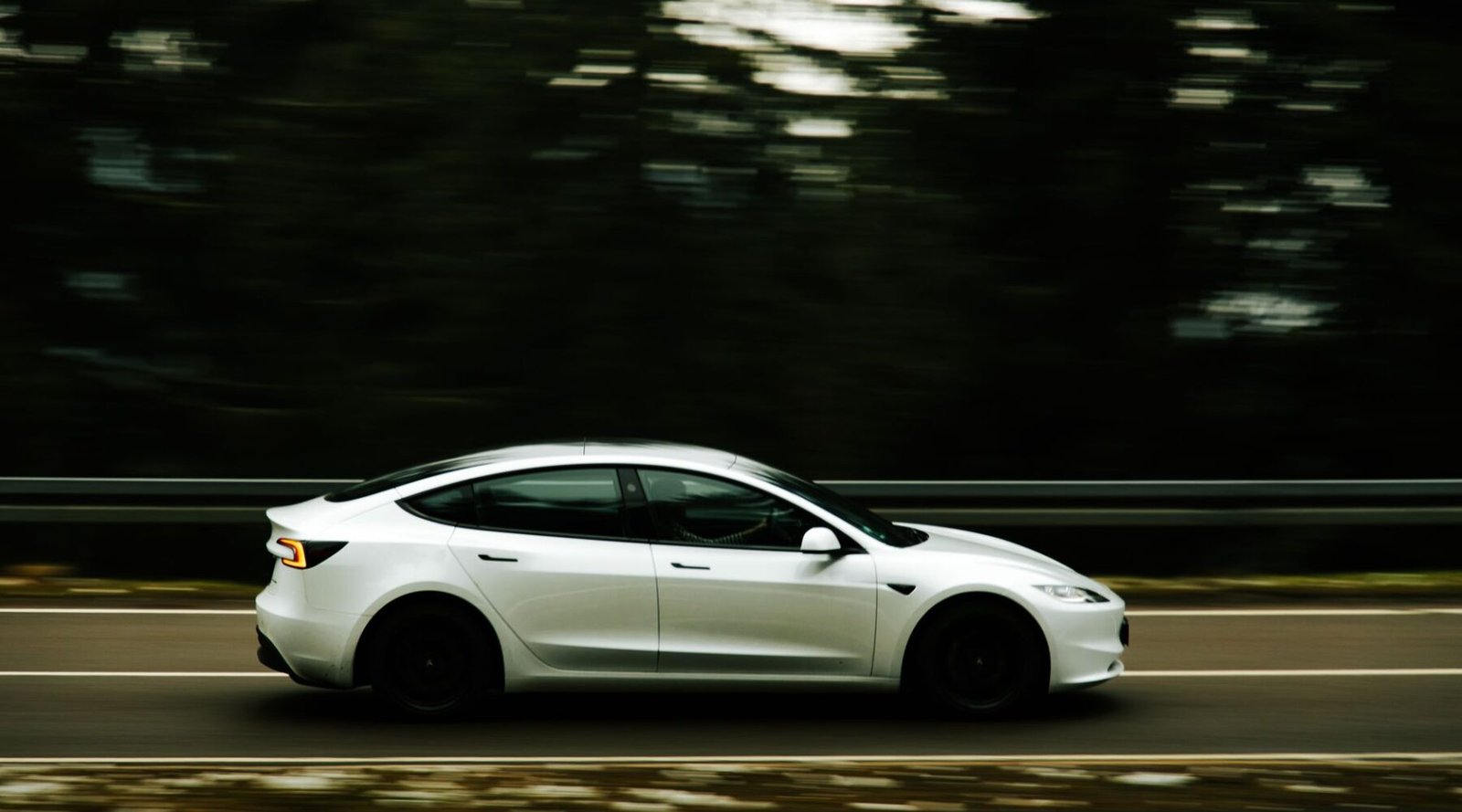
Taking an electric vehicle on an extended road trip used to require meticulous planning and a high tolerance for slow public chargers. Today, the modern EV landscape offers refined highway cruisers capable of matching traditional combustion vehicles in pace and comfort. The best long-distance EVs rely on high-voltage architecture, exceptional aerodynamic drag coefficients, and stable charging curves that get you back on the highway in twenty minutes or less.
Evaluating an electric car for highway duty involves looking past published EPA range numbers. High-speed travel drains batteries significantly faster than city driving. Success on the open road comes down to how efficiently a vehicle uses its energy at 70 miles per hour and how quickly its battery pack accepts a charge between stints.
The ultra-long-range specialists
When maximum distance between stops is the main priority, the Lucid Air Grand Touring remains the benchmark. With an official EPA rating exceeding 500 miles, it achieves its figures through relentless aerodynamic efficiency and a proprietary drive unit rather than an oversized, heavy battery. Cruising at highway speeds, the Lucid Air routinely delivers over 400 real-world miles, allowing drivers to skip entire regions of charging infrastructure without anxiety.
Tesla continues to hold a distinct advantage through its integrated Supercharger network and route-planning software. The Model S Long Range couples an EPA-estimated 405 miles of range with seamless thermal preconditioning, ensuring the battery is at optimal temperature before plugging in. While newer competitors match or beat its peak charging speeds, the friction-free experience of Tesla’s charging ecosystem remains a strong asset for cross-country routes.
High-voltage architecture and rapid replenishment
Total range is only half of the equation; charging speed dictates the actual pace of a trip. Vehicles built on 800-volt electrical architectures can accept higher power levels for longer durations without overheating the battery pack.
Real-world road-trip capability depends more on how quickly a vehicle adds 200 miles of range than its maximum theoretical battery size.
The Hyundai Ioniq 6 Long Range showcases the power of this technology at an accessible price point. Operating on an 800-volt system, it can charge from 10 to 80 percent in roughly 18 minutes on a 350 kW DC fast charger. Its sleek sedan profile minimizes drag, allowing it to cover substantial highway mileage before needing another brief pit stop.
At the performance end of the spectrum, the Porsche Taycan demonstrates how sustained charging curves outweigh peak numbers. Rather than spiking briefly at a high wattage and dropping off rapidly, the Taycan maintains a strong charge rate across a broad percentage window. Drivers can stop for a quick coffee and resume driving with hundreds of miles added in under twenty minutes.
Real-world considerations for long-distance EV travel
Selecting the right electric road tripper requires matching vehicle capabilities to existing regional charging networks. While luxury sedans offer the highest efficiency figures, electric SUVs like the Rivian R1S provide practical utility and access to growing fast-charging infrastructure, albeit with higher energy consumption due to their larger frontal area. With the industry transitioning toward standardized charging connectors across North America, vehicle versatility and network compatibility will only improve over the coming model years.
Ultimately, the best electric road trip vehicle is one that minimizes downtime. Models that combine low energy consumption per mile with robust thermal management and 800-volt charging setups represent the current gold standard for uninterrupted long-distance travel.
Understanding charging infrastructure for long trips
When considering electric vehicles (EVs) for cross-country travel, the charging infrastructure is as important as the vehicles themselves. The convenience and accessibility of charging stations can significantly influence the viability of long-distance road trips in electric cars. As manufacturers ramp up production of EVs designed for highway use, the expansion and improvement of charging networks have become a crucial aspect of the travel experience.
The United States boasts an extensive network of charging stations, but it varies significantly from region to region. For instance, the West Coast, particularly California, has a dense concentration of charging stations, allowing for seamless travel along routes like the Pacific Coast Highway. In contrast, rural areas in the Midwest may have fewer options, which can necessitate careful planning. To mitigate range anxiety, travelers should familiarize themselves with apps and websites that map out charging locations, such as PlugShare and ChargePoint.
“Proper planning can make the difference between a smooth journey and a frustrating experience.”
In addition to location, the type of chargers available is pivotal. Fast chargers, which can provide up to 80% battery in about 30 minutes, are essential for minimizing downtime during long trips. Tesla’s Supercharger network is well-known for its speed and reliability, but other manufacturers are expanding their own fast-charging networks. For example, Electrify America and Ionity are investing heavily in ultra-fast charging stations across major highways, making them a viable option for various EV brands.
Moreover, understanding the charging capabilities of your vehicle is essential. Some EVs, such as the Ford Mustang Mach-E and the Chevrolet Bolt EV, support DC fast charging, which allows for rapid charging on the go. However, others may only be compatible with Level 2 chargers, which take longer to replenish the battery. This distinction affects how and where you plan your stops. In-depth knowledge of the vehicle’s charging curve—how quickly it can charge at different battery levels—can also optimize charging times. For example, charging may be faster at lower battery levels but slow down significantly as the battery nears full capacity.
Another crucial factor is the cost of charging. While many public charging stations are free, others may require payment, often at rates that vary by location and time of day. Using apps that track charging costs can save money and help travelers budget accordingly. Additionally, some charging networks have membership plans that can offer lower rates for frequent users. EV owners should consider these options when planning long trips.
Finally, as the EV landscape evolves, emerging technologies such as Vehicle-to-Grid (V2G) systems and mobile charging units could transform the charging experience. V2G allows EVs to feed energy back into the grid, potentially providing a financial incentive for drivers. Meanwhile, mobile charging units are being tested to provide on-demand charging for stranded EVs or to serve as temporary solutions in underserved areas.
“The future of EV travel will rely not just on vehicles but on the networks that support them.”
In summary, while the advent of electric vehicles capable of cross-country travel is exciting, the underlying charging infrastructure is equally vital. By understanding the availability, types, costs, and future trends in charging technology, EV travelers can ensure that their journeys are not only feasible but also enjoyable. Proper planning can make the difference between a smooth journey and a frustrating experience, empowering drivers to embrace the open road with confidence.
Exploring charging infrastructure and range optimization
One of the pivotal aspects of successfully undertaking cross-country travel in electric vehicles (EVs) is the availability and accessibility of charging infrastructure. While many manufacturers are keen to promote their vehicles’ range capabilities, the practicalities of charging station placements along major highways often dictate the feasibility of long-distance journeys. Understanding these dynamics can greatly enhance the cross-country travel experience.
As of late 2023, the United States boasts a growing network of fast-charging stations, with companies like Electrify America and ChargePoint leading the charge. These networks are strategically placed along key interstate routes, allowing EV drivers to plan their journeys with greater confidence. For instance, the I-95 corridor, a major thoroughfare running from Florida to Maine, features numerous fast-charging stations that can recharge your vehicle to about 80% in approximately 30 minutes. This convenience allows travelers to take breaks at nearby amenities, making the journey more enjoyable.
However, not all EVs are created equal when it comes to charging compatibility. It is crucial for potential buyers to research which charging networks their chosen vehicle can access. For example, Tesla’s Supercharger network is exclusive to Tesla vehicles, providing a significant advantage in terms of charging speed and availability. In contrast, other manufacturers often rely on third-party networks, which may vary in terms of reliability and performance. Understanding these nuances can prevent frustrating delays during long trips.
“Range anxiety remains a significant concern for many potential EV buyers, but with ongoing advancements in battery technology and charging infrastructure, cross-country travel is becoming increasingly viable.”
Range optimization is another vital consideration for long-distance EV travel. Many modern electric vehicles come equipped with advanced navigation systems that not only map out routes but also identify optimal charging stops. These systems can factor in variables such as topography, driving speed, and even weather conditions to provide the most efficient travel plan. For example, the Ford Mustang Mach-E and the Hyundai Ioniq 5 both feature intelligent route planning that can help drivers manage their energy consumption effectively.
Furthermore, it’s important for drivers to consider their driving habits. Aggressive acceleration and high speeds can significantly reduce an EV’s range. By adopting a more moderate driving style, travelers can maximize their vehicle’s efficiency. Some manufacturers even offer driving modes specifically designed for long-distance trips, balancing performance with energy conservation. Utilizing regenerative braking can also extend range, allowing drivers to recapture energy during downhill stretches or when decelerating.
For those embarking on cross-country journeys, it is advisable to utilize mobile apps that provide real-time updates on charging station availability and status. Apps like PlugShare and A Better Route Planner can help locate nearby charging stations, check for outages, and even reserve spots at busy locations. These tools ensure that drivers can traverse long distances without the unexpected hurdles of unavailable charging options.
In conclusion, while the promise of electric vehicles is immense, the successful execution of cross-country trips hinges on understanding the interplay between vehicle range, charging infrastructure, and driving strategies. As the network of charging stations continues to expand and technology evolves, the journey across the highways of America becomes more accessible for EV enthusiasts.
The critical role of charging infrastructure in cross-country travel
While the appeal of electric vehicles (EVs) for cross-country travel lies in their efficiency and sustainability, the practicality of such journeys is heavily influenced by the availability and reliability of charging infrastructure. In the past few years, significant investments have been made to develop extensive charging networks, yet the experience can vary widely depending on the route taken. Understanding these networks can make a substantial difference in planning long-distance EV trips.
For instance, the United States boasts a patchwork of charging stations, with some regions—like California—having a robust network of fast chargers, while others, particularly rural areas, may present challenges. Tesla has led the charge with its Supercharger network, which allows for rapid charging and is strategically placed along major highways, making long trips more feasible. Other manufacturers, such as Ford and Volkswagen, are following suit, establishing partnerships with charging networks like Electrify America to expand their coverage.
However, reliance on a single network can be precarious. EV owners should leverage apps like PlugShare or ChargePoint that offer real-time updates on station availability, charging speeds, and user reviews. These platforms can also help identify alternative routes with better charging access and avoid potential delays due to out-of-service stations. For example, a cross-country trip from Los Angeles to New York could involve hundreds of charging stops if the driver strictly depends on a single network. By diversifying charging options, one can streamline the journey significantly.
“The key to a successful long-distance EV trip is not just having a car with a long range, but knowing how to navigate the charging landscape.”
Moreover, it’s essential to factor in the type of charger available at each station. Level 2 chargers are common and suitable for longer stops, such as meals or overnight stays, but they can take several hours to fully charge an EV. In contrast, DC fast chargers can provide up to 80% charge in about 30 minutes, making them ideal for quick pit stops. Knowing which chargers are available along the route can greatly enhance efficiency.
Another consideration is the charging speed of the vehicle itself. Some models, like the Ford Mustang Mach-E and the Hyundai Ioniq 5, support ultra-fast charging capabilities, while others may take longer to charge even with the same charger. Researching the vehicle’s specifications and pairing them with the charging infrastructure can prevent unnecessary delays. For example, a vehicle with a maximum charging rate of 150 kW might take full advantage of a high-capacity charging station, while older models may not fully utilize the available speed.
As manufacturers continue to innovate, the landscape of electric vehicle charging will evolve. Advances in battery technology promise longer ranges and faster charging times, but the infrastructure must keep pace. Future developments might include mobile charging solutions or enhanced charging stations that can accommodate multiple vehicles at once, reducing wait times. Additionally, as EV adoption grows, there is increasing interest in deploying renewable energy sources at charging stations, further enhancing the sustainability of long-distance travel.
In conclusion, successful cross-country travel in electric vehicles hinges not just on choosing the right car but also on understanding and navigating the charging infrastructure. By utilizing available technology, planning routes wisely, and staying informed about charging options, drivers can enjoy the open road without the worry of running out of power.
Related reading: Home Charging 101: What You Need Before Your EV Arrives, and Range Anxiety Is Mostly a Math Problem. For an outside reference on this topic, see the Department of Energy's home charging guide.



2 Responses