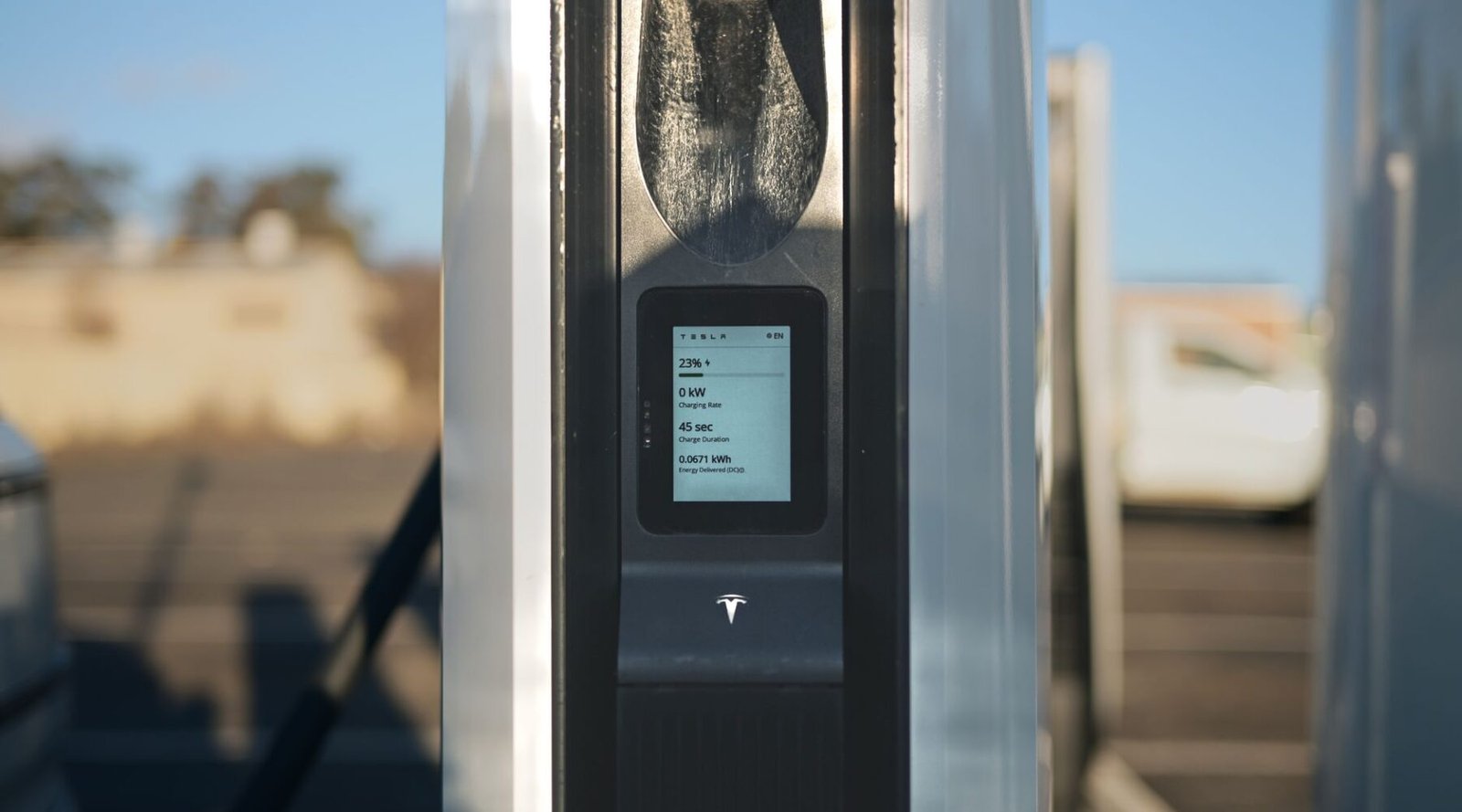
In the rapidly evolving landscape of electric vehicles (EVs), charging times are a critical factor for consumers. Electric cars with the fastest charging times offer convenience and efficiency, allowing drivers to minimize downtime and maximize their travel experience. Understanding which models excel in this area can significantly influence purchasing decisions.
Understanding fast charging technology
Fast charging technology has advanced considerably in recent years, enabling electric cars to recharge their batteries in a fraction of the time it once took. The key to rapid charging lies in the battery chemistry and the charging infrastructure. Most modern EVs utilize lithium-ion batteries, which can accept higher voltage levels, reducing the time needed to reach a substantial charge. Additionally, the availability of high-capacity charging stations plays a crucial role. These stations can deliver DC fast charging, which is much quicker than standard AC charging.
Top electric cars with fast charging capabilities
As electric vehicle technology continues to improve, several models stand out for their impressive charging times. Here is a selection of electric cars that lead the pack:
Tesla Model 3
The Tesla Model 3 is renowned for its performance and range, but it also boasts one of the fastest charging times available. Utilizing Tesla’s Supercharger network, the Model 3 can gain up to 175 miles of range in just 15 minutes of charging. With a peak charging rate of 250 kW, owners can recharge their vehicles from 10% to 80% in approximately 30 minutes under optimal conditions.
Porsche Taycan
Porsche has entered the electric vehicle market with a strong contender: the Taycan. This luxury sports sedan can achieve an impressive 270 kW peak charging rate, allowing it to add about 60 miles of range in just 5 minutes. A full charge from 5% to 80% can be accomplished in around 22.5 minutes at a fast charger, making it one of the quickest options available.
Ford Mustang Mach-E
The Ford Mustang Mach-E is another standout in the electric vehicle segment. Equipped with an 800-volt architecture, the Mach-E can support fast charging up to 150 kW. This enables the vehicle to regain about 61 miles of range in approximately 10 minutes. For a more comprehensive charge, the Mach-E can go from 10% to 80% in roughly 38 minutes when connected to a DC fast charger.
Charging infrastructure: key to fast charging
The charging infrastructure plays a vital role in the speed at which electric cars can be charged. Public charging networks are expanding, with many companies investing in high-capacity chargers. Tesla’s Supercharger network remains the most extensive, but other players like Electrify America and Ionity are rapidly increasing their footprint. Additionally, some manufacturers are collaborating with charging network providers to enhance accessibility for their customers.
Future trends in electric vehicle charging
As the demand for electric vehicles continues to rise, advancements in charging technology are expected to follow suit. The development of solid-state batteries promises to further reduce charging times while increasing energy density and safety. Furthermore, innovations such as ultra-fast charging stations capable of delivering over 350 kW could change the landscape of EV charging entirely. These advancements will not only benefit current electric car models but also pave the way for future vehicles to charge at unprecedented speeds.
Conclusion: choosing the right electric car for you
When considering an electric vehicle, charging time is a pivotal factor that can significantly affect the overall ownership experience. The Tesla Model 3, Porsche Taycan, and Ford Mustang Mach-E exemplify vehicles that excel in this area, providing fast charging capabilities to accommodate modern lifestyles. As technology continues to evolve, consumers can expect even faster charging options in the future, making electric cars an increasingly viable alternative to traditional gasoline vehicles.
The role of battery management systems in fast charging
Fast charging technology in electric vehicles (EVs) hinges not just on the charging stations themselves but significantly on the battery management systems (BMS) integrated into these vehicles. A BMS is responsible for monitoring and managing the battery pack’s performance, ensuring that it operates within safe parameters while maximizing efficiency and longevity.
One of the critical functions of a BMS is to regulate the charging current and voltage during the charging process. For instance, during the initial phase of charging, a vehicle may accept a higher current, which allows for rapid energy intake. However, as the battery approaches its maximum voltage, the BMS will gradually reduce the current to prevent overheating and potential damage. This balancing act is crucial for maintaining the health of lithium-ion batteries, which are the most common type used in electric cars.
Manufacturers such as Tesla and Porsche have invested heavily in developing sophisticated BMS technologies that enable their vehicles to achieve some of the fastest charging times on the market. Tesla’s Supercharger network, for example, leverages advanced algorithms within its BMS to optimize charging speeds based on real-time data, such as battery temperature and state of charge. This ensures that Tesla vehicles can charge from 10% to 80% in roughly 30 minutes, depending on the charger and conditions.
“The efficiency of a BMS can mean the difference between a 20-minute charge and a 40-minute charge, influencing the overall user experience of EV ownership.”
Porsche’s Taycan also exemplifies the role of a robust BMS in achieving rapid charging times. Utilizing an 800-volt architecture instead of the traditional 400 volts, the Taycan can accept up to 270 kW of charging power. The BMS efficiently manages this high input, allowing drivers to charge from 5% to 80% in approximately 22.5 minutes under optimal conditions. This capability is particularly beneficial for long-distance travel, where charging time can be a critical factor in route planning.
Furthermore, as the EV market becomes increasingly competitive, manufacturers are developing new BMS technologies that can adapt to various charging infrastructures. For instance, some companies are exploring the use of solid-state batteries, which promise faster charging times and greater energy density compared to conventional lithium-ion batteries. A well-designed BMS will be critical in managing these new battery types, ensuring they operate safely and efficiently.
In addition to charging speed, the BMS also plays a pivotal role in extending the lifespan of EV batteries. By managing factors such as temperature and charge cycles, it can help to minimize degradation. This aspect is particularly important as consumers become more concerned about the total cost of ownership and the environmental impact of battery disposal.
As the charging infrastructure continues to evolve, the future of fast charging will likely see even more innovations in BMS technology. Features such as predictive analytics, which can anticipate the charging needs based on driving patterns, may soon become standard. This will not only enhance charging speeds but could also lead to a more integrated and user-friendly EV experience.
Charging infrastructure: a critical factor for fast charging adoption
While the charging speed of electric vehicles (EVs) is a crucial factor for consumers, the availability and quality of charging infrastructure play an equally significant role in the overall adoption of fast charging technology. A well-developed network of high-capacity charging stations not only enhances the usability of EVs but also influences consumer confidence and market growth. As automakers race to produce vehicles with faster charging capabilities, the corresponding infrastructure must evolve to meet the growing demand.
For instance, Tesla has established a robust Supercharger network that allows its vehicles to achieve up to 80% charge in about 30 minutes. This network is strategically placed along major highways and urban areas, ensuring that Tesla owners can travel long distances without significant downtime. The success of this model is evident in Tesla’s market dominance, demonstrating that investing in a comprehensive charging infrastructure is critical for consumer adoption.
Similarly, companies like Electrify America are making strides by deploying ultra-fast charging stations across the United States. Their charging stations can deliver up to 350 kW, allowing compatible vehicles to gain significant range in a short amount of time. As of late 2023, Electrify America has expanded to over 800 charging stations, many featuring multiple high-speed chargers. This extensive network ensures that users can find charging options more conveniently, directly addressing range anxiety—a common barrier for potential EV buyers.
Additionally, the integration of charging infrastructure into urban planning is becoming increasingly important. Cities that prioritize the installation of fast chargers in public spaces, such as shopping centers, office buildings, and parking lots, can dramatically improve the accessibility of EV charging. An example of this is the partnership between ChargePoint and various municipalities to install charging stations in urban environments, making them as ubiquitous as gas stations.
“The growth of fast-charging networks is essential to support the increasing number of electric vehicles on the road. Without significant investment in infrastructure, even the fastest EVs may struggle to gain traction in the market.”
Moreover, innovative solutions such as battery swapping stations are emerging as alternatives to traditional fast charging. Companies like NIO have introduced battery swap technology, where users can exchange their depleted batteries for fully charged ones in a matter of minutes. This method not only reduces charging time but also addresses battery degradation concerns, as batteries can be maintained and monitored more effectively in a centralized facility.
In conclusion, while advancements in EV technology lead to faster charging times, the evolution of charging infrastructure is equally vital. Stakeholders, including governments, automakers, and private enterprises, must collaborate to create a comprehensive and accessible charging network. This synergy will not only facilitate the adoption of electric vehicles but will also support the transition towards a more sustainable transportation ecosystem, ultimately benefiting consumers and the environment alike.
The role of charging infrastructure in optimizing fast charging
The efficiency and speed of electric vehicle (EV) charging are not solely dependent on the car’s battery technology but are significantly influenced by the availability and advancement of charging infrastructure. As manufacturers race to produce cars with faster charging capabilities, the development of a robust charging network becomes crucial in maximizing the potential of these vehicles.
High-power charging stations, often referred to as Level 3 or DC fast chargers, are pivotal in reducing the time it takes to recharge an EV. These stations can deliver power levels ranging from 50 kW to over 350 kW, with some of the latest technologies like Tesla’s Supercharger V3 and the Electrify America network pushing the boundaries even further. For instance, the Porsche Taycan can charge from 5% to 80% in about 22.5 minutes at a 270 kW DC fast charger, showcasing how both vehicle and infrastructure advancements work in tandem.
However, the widespread deployment of these fast-charging stations is inconsistent across different regions, impacting the overall user experience. Urban areas may have a higher concentration of charging points, while rural regions are often underserved, leading to potential range anxiety for EV owners. Efforts to bridge this gap are underway, with companies like ChargePoint and Ionity expanding their networks globally. This expansion not only enhances the practicality of owning an electric vehicle but also encourages more consumers to make the switch.
“The growth of fast-charging infrastructure is a game-changer for electric vehicle adoption, allowing users to recharge quickly during long trips, similar to the convenience of stopping at a gas station.”
Moreover, the integration of smart technology in charging stations is revolutionizing the experience for EV owners. Features such as real-time availability tracking, reservation systems, and mobile payment options streamline the charging process. For example, the PlugShare app allows users to find nearby charging stations, read real-time availability updates, and even check the charging speed at various locations, enhancing the overall convenience of using EVs.
As cities strive for sustainability, investments in charging infrastructure are increasingly seen as essential. Initiatives such as the European Union’s aim to have at least one publicly accessible charging point for every 10 electric cars by 2025 demonstrate a commitment to creating a supportive environment for EVs. These policies not only facilitate faster charging times but also aim to reduce carbon footprints across urban areas.
In conclusion, while advancements in electric vehicle technology are critical to achieving faster charging times, the significance of a well-planned and executed charging infrastructure cannot be overstated. The synergy between vehicle capabilities and charging networks is essential for encouraging widespread EV adoption, fostering a future where electric cars are both practical and convenient for all drivers.
Related reading: The best electric cars to buy this year, and The premier electric vehicles engineered for cross-country highway travel. For an outside reference on this topic, see the Department of Energy's home charging guide.



1 Response