Understanding the warning signs that your car needs immediate maintenance is crucial for any vehicle owner. Ignoring these signs can lead to more severe issues, costly repairs, and even unsafe driving conditions. Here are ten key indicators that should prompt you to take action and seek professional help for your vehicle.
1. Warning lights on the dashboard
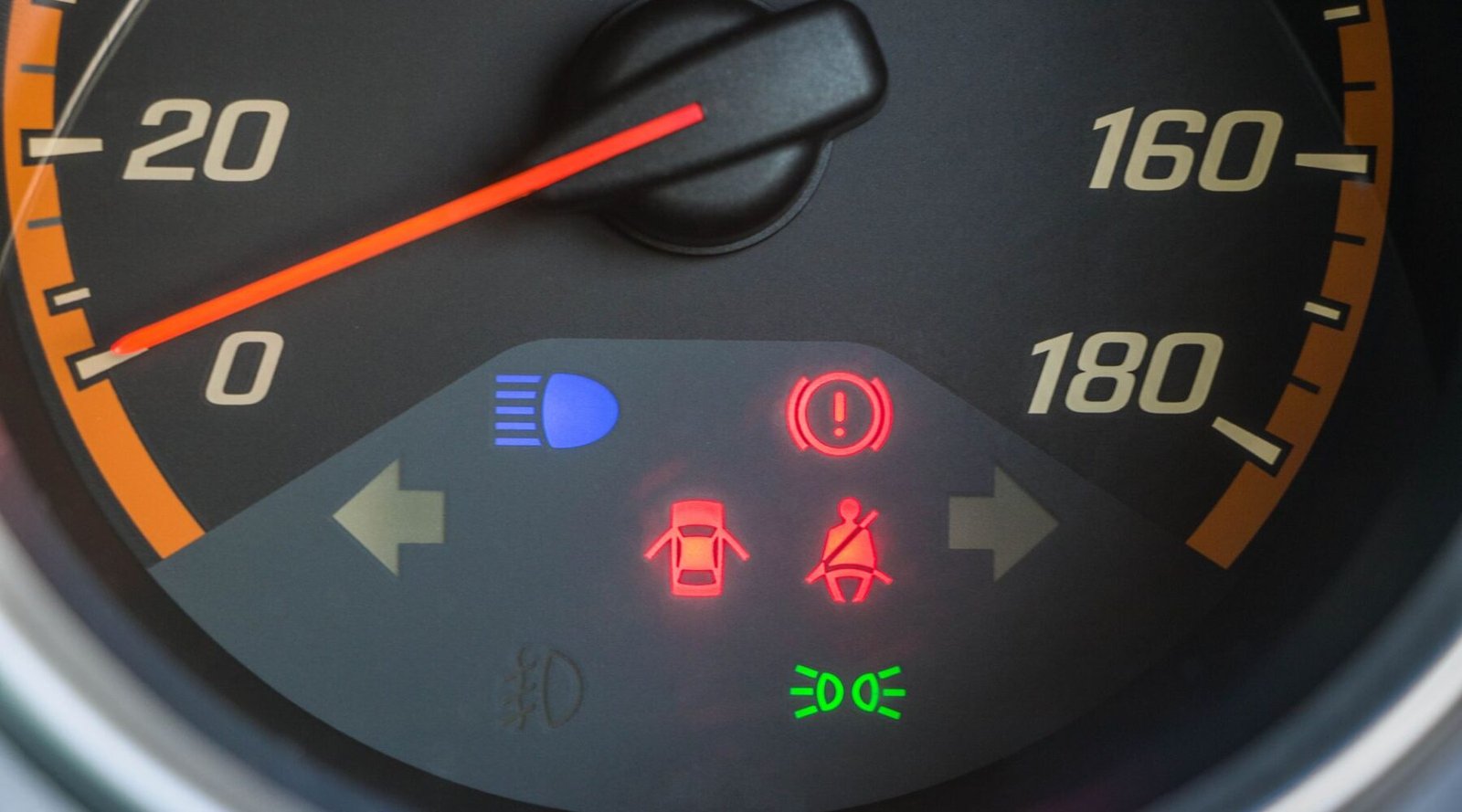
The dashboard is essentially your car’s command center, providing critical information about various systems. If any warning lights illuminate, such as the check engine light, oil pressure light, or battery warning light, it’s time to investigate. Each light corresponds to specific issues, and while some may indicate minor problems, others can signal serious malfunctions.
2. Unusual noises
Cars are designed to operate smoothly and quietly. If you start hearing unusual sounds like grinding, squeaking, or knocking, it indicates that something may be wrong. For example, a grinding noise when braking could suggest that your brake pads are worn down, while a knocking sound from the engine can indicate more serious issues requiring immediate attention.
3. Fluid leaks
Finding puddles or spots under your car can be alarming, as it may indicate a leak. Common fluids include oil, coolant, transmission fluid, and brake fluid. Each fluid has a distinct color and smell, making it easier to identify the source. If you notice any leaks, it’s essential to determine their origin and address them quickly to prevent further damage.
4. Poor handling or vibrations
When driving, your car should feel stable and responsive. If you experience vibrations in the steering wheel, seat, or floorboard, or if the car pulls to one side, it may signal issues with your tires, alignment, or suspension. Addressing these problems promptly can prevent more severe wear and enhance your driving experience.
5. Decreased fuel efficiency
A sudden drop in fuel efficiency can indicate underlying issues, such as a dirty air filter, failing fuel injectors, or even tire problems. If you find yourself refueling more frequently without any changes in driving habits, it’s advisable to have your vehicle checked. Improving fuel efficiency not only saves money but also benefits the environment.
6. Smoke from the exhaust
Smoke emanating from your vehicle’s exhaust can be a serious warning sign. Different colors signify different issues: blue smoke may indicate oil burning, black smoke suggests excessive fuel consumption, and white smoke can point to coolant entering the combustion chamber. Regardless of the color, smoke should never be ignored and requires immediate diagnosis.
7. Unresponsive brakes
If you notice that your brakes feel less responsive or require more pressure to engage, it could indicate wear on brake pads, air in the brake lines, or even a brake fluid leak. Brakes are one of the most critical safety components of a vehicle, and any sign of malfunction should prompt immediate maintenance to ensure safety on the road.
8. Unpleasant smells
Foul odors inside or outside your vehicle can indicate various issues. A sweet smell could suggest a coolant leak, while a burning smell may indicate overheating or electrical problems. Identifying and addressing these smells early can prevent further damage and ensure your vehicle remains safe to drive.
9. Dashboard temperature gauge
The temperature gauge on your dashboard is a vital indicator of your engine’s health. If the gauge shows that your engine is overheating, it is crucial to pull over immediately and turn off the engine. Overheating can lead to severe engine damage, so addressing the issue promptly can save you from expensive repairs.
10. Difficulty starting the engine
If your car struggles to start or requires multiple attempts to turn over, it may indicate a failing battery, starter issue, or fuel delivery problem. Getting to the root of starting issues can prevent you from being stranded and can save you from potentially costly repairs down the line.
In conclusion, recognizing these ten warning signs is essential for maintaining your vehicle’s health. Regular maintenance and prompt attention to these indicators can not only prolong the life of your car but also ensure your safety on the road. Don’t wait until a minor issue escalates into a major problem; take proactive steps to keep your vehicle in top shape.
Understanding the role of warning lights
Modern vehicles are equipped with an array of sensors and systems designed to monitor their performance and alert drivers to potential issues. The dashboard warning lights serve as the first line of defense in identifying problems that could escalate into serious maintenance issues if ignored. However, many drivers either overlook these warning signs or misinterpret their meanings. Understanding the specific functions of these lights can empower drivers to take timely action and prevent costly repairs.
There are several critical warning lights that should never be ignored:
1. **Check Engine Light (CEL)**: This light can indicate a range of problems, from a loose gas cap to serious engine malfunctions. A flashing CEL usually signifies a severe issue, such as misfiring, which could lead to engine damage.
2. **Oil Pressure Warning**: If this light illuminates, it indicates that your engine oil pressure is low. Low oil pressure can cause serious engine damage if not addressed immediately. Check the oil level and consider a professional inspection.
3. **Brake Warning Light**: This light can indicate a problem with the braking system, including low brake fluid levels or worn brake pads. Ignoring this warning can compromise vehicle safety and lead to complete brake failure.
4. **Battery Warning Light**: This light indicates that your vehicle’s charging system is not working properly. This could be due to a failing battery or alternator. Continuing to drive with this light on may leave you stranded.
In addition to knowing what these lights mean, it’s essential to understand their implications. For instance, if the Check Engine Light comes on, many drivers may dismiss it, thinking it’s a minor issue. However, diagnostic trouble codes (DTCs) can indicate anything from a malfunctioning oxygen sensor to a failing catalytic converter. Ignoring such warnings can result in decreased fuel efficiency, increased emissions, and higher repair costs down the line.
Moreover, some warning lights may provide additional context. For example, if the ABS light comes on alongside the Brake Warning Light, it indicates that there may be issues with the braking system’s anti-lock functionality, necessitating immediate attention. Understanding the combination of lights can help pinpoint problems more accurately.
To further aid in addressing these warning signs, vehicle owners should regularly consult their owner’s manual, which provides specific information regarding warning lights unique to their make and model. Many vehicle manufacturers also offer mobile apps that allow drivers to monitor their car’s health in real time.
In conclusion, the dashboard warning lights are a critical aspect of vehicle maintenance that should not be overlooked. By taking the time to understand what each light signifies and responding appropriately, drivers can ensure their vehicle remains in optimal condition, preventing small issues from escalating into major repairs.
Understanding the importance of warning lights
Modern vehicles are equipped with a sophisticated network of sensors and warning lights designed to alert drivers to potential issues before they escalate into serious problems. Ignoring these indicators can lead to costly repairs and even unsafe driving conditions. It is crucial for drivers to understand what these warning lights mean and to respond appropriately.
One of the most critical warning lights is the check engine light (CEL), which can indicate a range of issues from a loose gas cap to a severe engine malfunction. For instance, a blinking CEL usually signifies a serious engine problem, such as a misfire, which can damage the catalytic converter if not addressed promptly. In contrast, a steady CEL may suggest a less urgent issue, but it still requires attention. Drivers should not dismiss this light as merely an inconvenience; instead, they should have their vehicle diagnosed as soon as possible to avoid further damage.
Another important light is the oil pressure warning light, which signals that the oil pressure is too low. Low oil pressure can lead to engine failure if not addressed quickly. If this light illuminates, it is advisable to pull over immediately and check the oil level. If the oil level is adequate, a malfunctioning oil pump or a leak may be the cause, requiring professional attention.
Additionally, the battery warning light indicates potential issues with the vehicle’s charging system. This could be due to a failing alternator, a weak battery, or corroded connections. If this light comes on, it is essential to have the electrical system inspected to prevent the vehicle from stalling or failing to start.
If you are unsure how to interpret a warning light, consult your owner’s manual or a professional mechanic. Ignoring these signals can lead to much more severe—and costly—problems down the line.
Moreover, warning lights aren’t just limited to the engine or electrical systems; they can also indicate issues with the brakes or tire pressure. The brake warning light may mean there is an issue with the braking system, such as low fluid levels or worn brake pads. The tire pressure monitoring system (TPMS) light alerts drivers when tire pressure is too low, which can lead to poor handling and increased tire wear. Regularly checking tire pressure and maintaining proper inflation is essential for safety and fuel efficiency.
In addition to understanding warning lights, drivers should also familiarize themselves with the maintenance schedule outlined in the vehicle’s owner manual. Regular maintenance checks, including oil changes, brake inspections, and tire rotations, can help prevent warning lights from appearing in the first place. Proactive maintenance is always more cost-effective than reactive repairs.
Lastly, modern cars often come with onboard diagnostic systems that can provide drivers with additional information about potential issues. Utilizing this technology, either through a vehicle’s display or third-party apps, can help drivers stay informed about their car’s health and address problems before they escalate.
In conclusion, understanding the implications of warning lights and responding swiftly is vital for maintaining vehicle safety and performance. Regular maintenance and prompt attention to warning signs can extend the lifespan of your vehicle and ensure a safer driving experience.
Tire wear patterns and their implications
One of the most critical, yet often overlooked, indicators of vehicle health is tire wear. The state of your tires can tell you a lot about your car’s overall condition and can prevent serious accidents. Understanding the different types of tire wear can help you determine whether immediate maintenance is necessary.
Common tire wear patterns include:
1. Uneven wear: If your tires show significant wear on one side, it may indicate misalignment issues. Misaligned wheels can lead to poor handling and increased tire wear. Getting a wheel alignment is crucial to ensure that your tires wear evenly and last longer.
2. Center wear: If the tread in the center of the tire is more worn than the edges, your tires may be over-inflated. Over-inflation can reduce traction and increase the risk of a blowout. Always check your tire pressure regularly, especially before long trips.
3. Edge wear: Conversely, if the edges of your tires are worn more than the center, it could mean that your tires are under-inflated. This can also lead to poor handling and decreased fuel efficiency. Make it a habit to inspect your tire pressure monthly.
4. Patchy wear: This irregular wear can indicate a range of issues, including suspension problems or worn-out components like shocks and struts. If you notice patchy wear, it’s advisable to have a professional inspect your vehicle.
To properly assess tire wear, you can perform a simple penny test. Insert a penny into the tread of your tire with Lincoln’s head facing down. If you can see the top of his head, it’s time for a tire replacement. Regular rotation of your tires can also help in achieving even wear and extending their lifespan.
Moreover, keep an eye on your tire tread depth. The legal minimum tread depth in many places is 2/32 of an inch. However, for optimal safety, consider replacing tires that have less than 4/32 of an inch of tread, especially in wet conditions.
In summary, understanding tire wear patterns not only enhances your car’s performance but also significantly contributes to your safety. Regularly inspecting your tires can save you money in the long run by preventing premature tire replacement and maintaining fuel efficiency. Additionally, it can avert dangerous situations caused by tire blowouts or poor traction.
Related reading: 10 car maintenance mistakes that can cost you thousands, and How to jump-start a car safely. For an outside reference on this topic, see NHTSA's vehicle resources.