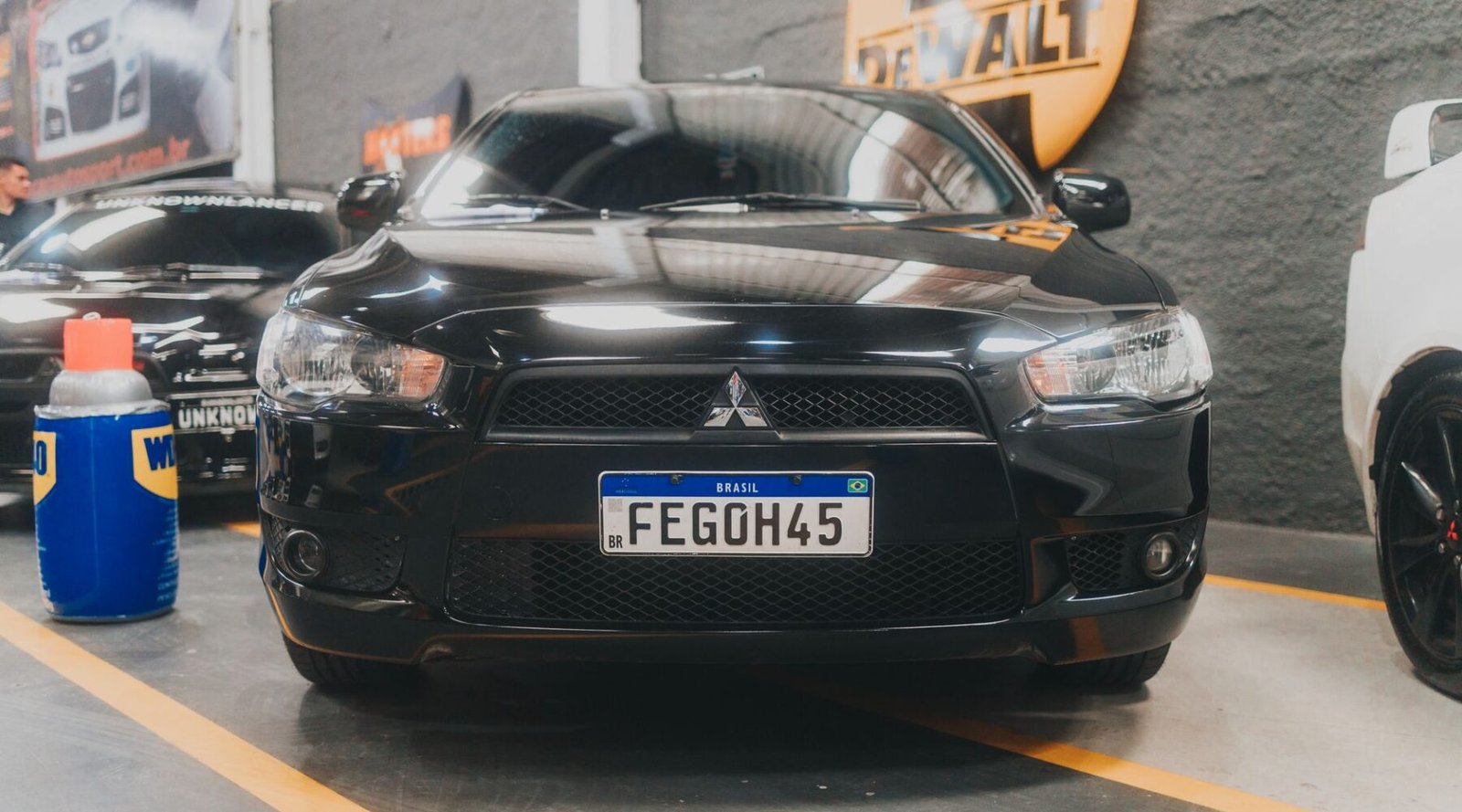
The 2010 Mitsubishi Galant is a midsize sedan that offers solid performance and a spacious interior, making it an option worth considering for buyers in the used car market. This model year reflects Mitsubishi’s commitment to providing a reliable and comfortable vehicle, catering primarily to budget-conscious consumers. With a range of features and specifications, potential buyers should be well-informed about what the 2010 Galant has to offer.
Overview of the 2010 Mitsubishi Galant
The 2010 Mitsubishi Galant was part of a long-standing lineage that began in the 1970s. By 2010, the Galant had undergone several transformations, but it maintained its position as a practical and affordable sedan. Available in three trims—ES, SE, and Ralliart—the Galant offered a mix of features suitable for various preferences and budgets.
Engine and Performance
The Galant was equipped with a 2.4-liter four-cylinder engine that produced 160 horsepower and 157 lb-ft of torque. This engine was paired with a four-speed automatic transmission, which allowed for smooth gear transitions. While the power output is modest compared to some competitors, the Galant’s performance is adequate for everyday driving needs.
For those seeking a more spirited driving experience, the Ralliart trim featured a 3.8-liter V6 engine that generated 230 horsepower and 250 lb-ft of torque. This engine was paired with a five-speed automatic transmission, enhancing acceleration and overall performance. The Ralliart variant also included sport-tuned suspension for improved handling, making it a more engaging option for driving enthusiasts.
Fuel Economy
Fuel efficiency is a significant consideration for many buyers. The four-cylinder engine in the base ES and SE trims offers a respectable fuel economy rating of approximately 21 mpg in the city and 30 mpg on the highway. The V6 engine in the Ralliart trim, while more powerful, has a lower fuel efficiency rating of around 17 mpg city and 25 mpg highway.
Interior Features and Comfort
The 2010 Mitsubishi Galant boasts a spacious and comfortable interior that can accommodate five passengers. The base ES trim comes equipped with essential features such as air conditioning, power windows and locks, and a four-speaker audio system. As you move up to the SE trim, additional features include a six-disc CD changer, steering wheel audio controls, and upgraded upholstery.
The Ralliart trim enhances the interior further with sport seats, a premium sound system, and additional technology features. Overall, the interior quality is decent, with a straightforward layout and user-friendly controls, making it a practical choice for families or commuters.
Safety Ratings and Features
The safety of the 2010 Mitsubishi Galant is another aspect that buyers should consider. The Galant comes equipped with standard safety features such as anti-lock brakes, front-seat side airbags, and full-length curtain-type airbags. In crash tests conducted by the National Highway Traffic Safety Administration (NHTSA), the Galant received a four-star overall safety rating, indicating a solid performance in collision safety.
Additionally, the Galant includes features like active front head restraints designed to reduce whiplash injuries in the event of a rear-end collision. Although the Galant may not boast the latest advanced safety technologies found in newer vehicles, it provides essential safety features that meet the needs of everyday driving.
Trim Levels and Pricing
The 2010 Mitsubishi Galant is available in three trim levels: ES, SE, and Ralliart. The base ES trim is the most affordable option, with a starting price around $23,000, while the SE trim adds more features for approximately $24,000. The Ralliart trim, representing the high-performance variant, starts at around $27,000.
As a used vehicle, prices for the 2010 Galant can vary significantly based on mileage, condition, and location. It is advisable for potential buyers to conduct thorough research and compare listings to secure the best deal.
Common Issues and Reliability
When considering a used 2010 Mitsubishi Galant, it is essential to be aware of common issues that may arise. Some owners have reported problems with the transmission, particularly in models equipped with the four-speed automatic. Additionally, electrical issues, such as problems with the power windows and locks, may occur.
Despite these concerns, the Galant has generally received positive feedback regarding its overall reliability. Regular maintenance and timely repairs can help ensure that the vehicle continues to perform well throughout its lifespan.
Competitors in the Midsize Sedan Market
The 2010 Mitsubishi Galant competes in a crowded midsize sedan market that includes popular models such as the Honda Accord, Toyota Camry, and Ford Fusion. Each of these competitors offers unique features and advantages, making it essential for buyers to consider their priorities when making a decision.
The Honda Accord is known for its well-rounded performance and spacious interior, while the Toyota Camry is celebrated for its reliability and strong resale value. The Ford Fusion, on the other hand, offers a more engaging driving experience. Weighing the pros and cons of each vehicle can help buyers determine which model best suits their needs.
Conclusion: Is the 2010 Mitsubishi Galant Right for You?
The 2010 Mitsubishi Galant presents a practical option for buyers seeking a reliable midsize sedan with a comfortable interior and adequate performance. While it may not be the most exciting vehicle in its class, it provides essential features and safety ratings that appeal to budget-conscious consumers.
For those considering a used Galant, it is crucial to inspect the vehicle thoroughly and review its maintenance history. The Galant may not have the same level of brand recognition as some competitors, but it can still be a valuable choice for those who prioritize affordability and functionality.
Interested in This Car?
If you are considering this vehicle, you can check its current availability, pricing, and purchase options from the seller.
Interested in This Car?
If you are considering this vehicle, you can check its current availability, pricing and purchase options from the seller.
Reliability and maintenance insights for the 2010 Mitsubishi Galant
The 2010 Mitsubishi Galant is often praised for its reliability, but understanding its long-term maintenance needs can significantly influence a buyer’s experience. One of the standout features of this model year is its robust 2.4-liter four-cylinder engine, which is known for its durability. This engine is coupled with a four-speed automatic transmission that, while not the most modern option available, has proven to deliver consistent performance.
When considering the Galant, potential buyers should be aware of some common maintenance issues that have been reported by owners over the years. Routine maintenance, such as oil changes and fluid checks, is essential to keep the engine running smoothly. The Galant’s engine is particularly sensitive to engine oil quality, so using the recommended viscosity and quality is crucial to avoid premature wear.
Another area that requires attention is the suspension system. The 2010 model features a MacPherson strut front suspension and a multi-link rear suspension, which contributes to a comfortable ride. However, some owners have noted that the struts and shocks may wear out quicker than expected, especially if the vehicle is frequently driven on rough roads. Regular inspections and timely replacement of these components can help maintain ride quality and handling.
“Regular inspections and timely replacement of suspension components are crucial for maintaining ride quality.”
In terms of electrical systems, the Galant has been generally reliable, but a few owners reported issues with the power windows and door locks. These problems are often easy to fix but can be a nuisance, so it’s advisable for buyers to test all electric components thoroughly during a pre-purchase inspection.
Fuel economy is another factor to consider. The 2010 Galant’s EPA ratings are respectable for its class, averaging around 20 mpg in the city and 28 mpg on the highway. However, some owners have noted that real-world fuel efficiency can vary based on driving habits and maintenance. Keeping the tires properly inflated and adhering to regular maintenance schedules can help maximize fuel efficiency.
Another important aspect of ownership is the availability of parts. Mitsubishi’s dealer network has shrunk over the years, which can make sourcing OEM parts more challenging for the Galant. Fortunately, many parts are still available through third-party suppliers, and the vehicle’s simplicity means that many common repairs can be handled without proprietary tools or specialized knowledge.
In conclusion, while the 2010 Mitsubishi Galant offers a strong value proposition with its reliability and comfort, being aware of its maintenance needs can enhance ownership satisfaction. Potential buyers should conduct thorough inspections and consider the vehicle’s service history to ensure a wise investment. Understanding these nuances can help buyers navigate their options and ensure they select a well-maintained model that meets their expectations for years to come.
Understanding the Galant’s reliability and maintenance costs
The 2010 Mitsubishi Galant is known for its reliability, but prospective buyers should delve deeper into the specifics of its maintenance costs and common issues that may arise. Understanding these factors can help in making an informed purchasing decision and in anticipating future expenses.
One of the standout features of the Galant is its robust engine. The standard 2.4-liter four-cylinder engine is generally regarded as durable and efficient, with average fuel economy ratings of 20 mpg in the city and 28 mpg on the highway. However, some owners have reported issues with the engine’s timing belt, which should be replaced every 60,000 to 100,000 miles. Failing to do so can lead to catastrophic engine failure, resulting in costly repairs.
Another common concern among Galant owners is the automatic transmission. While the transmission is typically reliable, there are reports of issues related to shifting delays or rough transitions, particularly in older models. Keeping up with regular transmission fluid changes can help mitigate these concerns and extend the lifespan of the transmission.
“Regular maintenance is key. Neglecting minor issues can lead to bigger problems down the road.”
When it comes to routine maintenance, the Galant is relatively affordable compared to other midsize sedans. Oil changes typically range from $30 to $60, depending on the service center, and other routine tasks like brake pad replacements can cost anywhere from $150 to $300. Parts are generally available and reasonably priced due to the car’s popularity during its production run, which means that repairs should not break the bank.
To further understand the Galant’s reliability, it’s essential to check online forums and owner reviews. Many enthusiasts appreciate the model’s straightforward engineering and ease of repair, which adds to its appeal as a used vehicle. Moreover, the availability of a solid aftermarket parts market means that owners can easily find replacements and upgrades.
In terms of safety, the 2010 Galant scored well in crash tests, earning five stars for front-impact safety from the National Highway Traffic Safety Administration (NHTSA). It comes equipped with essential safety features such as anti-lock brakes, stability control, and multiple airbags. However, as with any vehicle, it’s crucial to ensure that all safety systems are functional, especially in older models.
Lastly, prospective buyers should consider obtaining a vehicle history report to check for any past accidents or title issues. This report can provide insight into the car’s maintenance records and previous ownership, further informing your decision.
“A well-maintained Galant can be a reliable companion, but due diligence is essential before purchasing.”
In conclusion, while the 2010 Mitsubishi Galant presents itself as a reliable option in the used car market, understanding its maintenance needs and common pitfalls can significantly enhance the ownership experience. Buyers who invest time in research and inspections will likely find a dependable vehicle that meets their needs without excessive financial burden.
Common issues and maintenance tips for the 2010 Mitsubishi Galant
The 2010 Mitsubishi Galant is generally regarded as a reliable vehicle, but like any car, it is not without its issues. Understanding common problems that owners have faced can not only help potential buyers make informed decisions but also prepare them for future maintenance needs.
One of the most frequently reported issues with the 2010 Galant is related to the transmission. Some owners have noted harsh shifting or slipping, particularly in models equipped with the 4-speed automatic transmission. This can sometimes be attributed to low transmission fluid levels or the need for a fluid change. Regular maintenance, including checking fluid levels and ensuring timely changes, can mitigate these concerns.
“Transmission fluid should be inspected regularly, particularly if you notice any changes in shifting behavior. It’s a relatively inexpensive maintenance task that can save you from more severe issues later on.”
Another common area of concern is the electrical system. Some drivers have reported issues with the power windows and door locks malfunctioning. This could be due to faulty switches or wiring issues. A thorough inspection of these systems is advisable before making a purchase, especially in older models where wear and tear are more likely.
Fuel efficiency is another aspect potential buyers should consider. While the Galant offers decent mileage for a midsize sedan, some owners have found that fuel economy can dip below expectations, especially in urban driving conditions. Ensuring that the vehicle has been regularly serviced and that the air filter is clean can help maintain optimal fuel efficiency.
“Pay attention to the vehicle’s service history, particularly regarding routine maintenance like oil changes and air filter replacements. A well-maintained engine will not only perform better but will also extend fuel efficiency.”
Additionally, the suspension system is worth examining. Some drivers have reported issues with the struts and shocks wearing out prematurely, leading to a harsher ride and less handling stability. Inspecting these components during a pre-purchase inspection can help identify potential replacement needs. Replacing worn suspension parts can enhance ride quality significantly and improve handling performance.
Finally, consider the vehicle’s overall condition. The Galant’s interior and exterior materials, while generally durable, can show wear, especially in models that have been subjected to harsh weather conditions or lack of care. Look for signs of rust, particularly in the wheel wells and undercarriage, as well as any fading or cracking in the dashboard and interior components.
“A thorough visual inspection, coupled with a test drive, can reveal insights into the car’s condition that a simple review of the maintenance records won’t provide.”
In summary, while the 2010 Mitsubishi Galant is a solid choice for buyers seeking a reliable sedan, being aware of its common issues and maintenance needs can help ensure a satisfying ownership experience. Potential buyers should invest time in inspecting these areas and seek vehicles with comprehensive service histories to minimize the likelihood of future problems.
Related reading: Certified pre-owned vs. used cars: what’s the difference, and The true five-year cost of car ownership beyond the sticker price. For an outside reference on this topic, see Consumer Reports' car-buying advice.