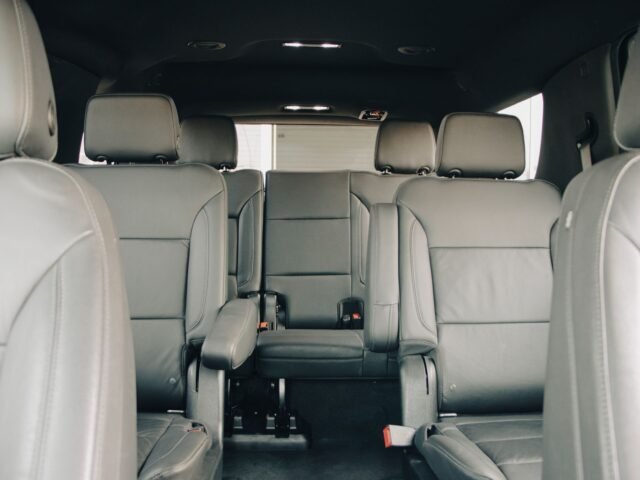
When it comes to finding the best cars for people who drive mostly in the city, several factors come into play. Urban environments demand vehicles that are compact, fuel-efficient, and easy to maneuver. With traffic congestion, narrow streets, and parking challenges, the right car can make a significant difference in daily commutes and city adventures.
Why city driving requires a unique vehicle
City driving is different from highway driving in numerous ways. Urban areas often have stop-and-go traffic, numerous traffic signals, and less space for parking. Therefore, the ideal city car must be agile enough to weave through traffic and small enough to fit into tight parking spots. Additionally, fuel efficiency is crucial since city driving typically leads to lower miles per gallon compared to highway driving.
Key attributes of the best city cars
When evaluating the best cars for city driving, several key attributes should be considered:
- Size: Smaller vehicles are easier to navigate in tight spaces.
- Fuel Efficiency: Look for cars with good fuel economy ratings.
- Maneuverability: A car with a tight turning radius is beneficial for urban driving.
- Comfort: City cars should provide a comfortable ride for both driver and passengers.
- Technology: Features like parking assist and navigation can enhance the driving experience in the city.
Top compact cars for city driving
Compact cars are often the go-to choice for city dwellers. Their smaller dimensions make them easy to park and maneuver. Here are some of the best compact cars suited for urban settings:
1. Honda Civic
The Honda Civic has long been a favorite among urban drivers. It offers a spacious interior, excellent fuel economy, and a reputation for reliability. The latest models come equipped with advanced safety features and a user-friendly infotainment system, making it an excellent choice for city driving.
2. Toyota Corolla
The Toyota Corolla is another strong contender. Known for its dependability and efficiency, the Corolla provides a comfortable ride and a suite of standard safety features. Its compact size makes it easy to navigate crowded streets.
3. Mazda3
The Mazda3 combines sporty handling with a refined interior. It is fun to drive and offers an impressive list of technology and safety features. The hatchback version adds extra versatility for urban lifestyles.
Best subcompact cars for city driving
Subcompact cars take the idea of compact cars even further. These vehicles are perfect for navigating tight spaces and are often more affordable. Here are the top subcompact cars to consider:
4. Hyundai Accent
The Hyundai Accent is a standout in the subcompact category. It offers a smooth ride, good fuel efficiency, and a surprisingly spacious interior. Its compact size allows for easy parking in urban environments.
5. Kia Rio
The Kia Rio is another excellent choice for city driving. With a modern design, user-friendly technology, and solid fuel economy, the Rio is a practical and stylish option for urban commuters.
6. Chevrolet Spark
The Chevrolet Spark is one of the most affordable subcompact cars available. Its tiny footprint makes it perfect for city driving, and it offers a surprising amount of interior space for passengers and cargo.
Best electric cars for urban environments
As cities become more environmentally conscious, electric vehicles (EVs) are gaining popularity. EVs are particularly well-suited for city driving due to their efficiency and the availability of charging stations. Here are some standout electric vehicles:
7. Nissan Leaf
The Nissan Leaf is one of the best-selling electric cars globally. It offers a spacious interior, decent range, and advanced safety features. The Leaf is perfect for city commuting and can handle daily errands with ease.
8. Mini Electric (Mini Cooper SE)
The Mini Electric combines the fun driving experience of a Mini with electric efficiency. Its small size and nimble handling make it an ideal city car while providing a unique style.
9. BMW i3
The BMW i3 stands out with its distinctive design and premium interior. It is compact yet spacious and offers an engaging driving experience. The i3 is perfect for those looking to make a statement in the urban landscape.
Best hybrids for city driving
Hybrid vehicles offer the best of both worlds, combining gasoline engines with electric motors for improved fuel efficiency. Here are some of the top hybrids for city driving:
10. Toyota Prius
The Toyota Prius has long been synonymous with hybrid technology. Its efficient powertrain and roomy interior make it a great choice for city dwellers who want to reduce their carbon footprint.
11. Honda Insight
The Honda Insight offers a more traditional sedan experience with hybrid efficiency. It has a stylish design, spacious interior, and excellent fuel economy, making it an excellent choice for urban driving.
12. Ford Escape Hybrid
The Ford Escape Hybrid is a compact SUV that combines the versatility of an SUV with hybrid efficiency. Its higher driving position provides excellent visibility in city traffic, and its spacious interior is perfect for families.
Considerations for safety and technology
When selecting a city car, safety and technology features play a significant role in the overall driving experience. Many modern vehicles come equipped with advanced driver-assistance systems that enhance safety in urban environments. Features such as adaptive cruise control, lane-keeping assist, and automatic emergency braking can help prevent accidents in congested city traffic.
Conclusion: the best cars for city driving
Choosing the best cars for people who drive mostly in the city involves considering size, fuel efficiency, and technology. Whether you opt for a compact, subcompact, electric, or hybrid vehicle, the right choice will enhance your urban driving experience. Each of the cars mentioned in this article comes with its unique advantages, catering to different preferences and budgets. Ultimately, the best city car is one that aligns with your lifestyle, making daily commutes and city adventures more enjoyable.
Exploring the benefits of car-sharing and electric options
As urban areas continue to evolve, so too does the concept of car ownership. City dwellers are increasingly turning to car-sharing services and electric vehicles (EVs) as practical alternatives to traditional car ownership. This shift not only addresses the challenges of city driving but also aligns with sustainable living practices. Understanding these alternatives can help drivers make informed decisions that suit their urban lifestyle.
Car-sharing services like Zipcar, Turo, and Getaround allow residents to rent vehicles on an as-needed basis, which is particularly advantageous in densely populated areas where parking is at a premium. For instance, a resident in New York City may find that using a service like Zipcar provides the flexibility to access a vehicle without the burden of maintenance, insurance, or the hassle of finding parking. The convenience of picking up a car nearby for a few hours or even a day can often be more economical than owning a vehicle, especially when considering costs associated with city living.
“Many urbanites find that car-sharing meets their needs without the hassle of ownership, particularly for occasional trips or errands.”
Moreover, the environmental benefits of car-sharing are significant. Fewer cars on the road can lead to reduced traffic congestion and lower emissions. According to studies, each shared car can replace up to 13 privately owned vehicles, which can contribute to less crowded streets and cleaner air in urban settings. This is particularly relevant in cities where air quality is a growing concern.
Electric vehicles are another crucial aspect of city driving. With the rise of EV infrastructure, including charging stations in urban areas, more city dwellers are considering electric cars as a viable option. For example, the Nissan Leaf and the Chevrolet Bolt have become popular choices among city drivers due to their compact size, energy efficiency, and relatively low operating costs. The availability of incentives, such as tax credits and rebates for EV purchases, further sweetens the deal.
In addition to financial incentives, electric vehicles contribute to sustainability goals. Many cities are investing in green initiatives to reduce their carbon footprint, and driving an EV aligns with these efforts. For instance, cities like San Francisco and Seattle have implemented programs that prioritize EV use, including designated parking spots and reduced tolls for electric cars.
“The infrastructure for electric vehicles is expanding rapidly, making them a more practical choice for urban living than ever before.”
Furthermore, many electric vehicles offer advanced technology features that enhance the city driving experience. Features such as regenerative braking can help conserve energy and improve efficiency, while integrated navigation systems can assist drivers in avoiding traffic congestion, a common issue in urban settings. Additionally, many EVs come equipped with driver-assistance systems that enhance safety, making them ideal for navigating busy city streets.
Ultimately, the decision between owning a car, using a car-sharing service, or opting for an electric vehicle depends on individual circumstances, including driving habits, budget, and personal values. City driving is evolving, and recognizing the interplay between car-sharing and electric vehicles helps drivers adapt to the changing landscape of urban transportation. By embracing these alternatives, residents can enjoy a more flexible, sustainable, and enjoyable driving experience in the city.
Hybrid and electric vehicles: the ideal choice for urban driving
As cities become increasingly congested and regulations around emissions tighten, hybrid and electric vehicles (EVs) have emerged as the optimal choice for urban driving. These vehicles not only offer significant fuel savings but also provide unique advantages tailored for city environments.
One of the most compelling benefits of hybrids and EVs is their efficiency in stop-and-go traffic. Traditional internal combustion engines often struggle with fuel economy in city settings, where frequent idling and acceleration are common. In contrast, hybrids utilize both an electric motor and a gasoline engine, allowing them to run on electric power at lower speeds and during idle periods. This capability can lead to fuel economy ratings that are significantly higher than their gasoline counterparts. For example, the Toyota Prius, a well-known hybrid, can achieve an impressive 54 mpg in city driving conditions.
Electric vehicles take this efficiency a step further. With zero tailpipe emissions, they contribute to cleaner air quality, which is particularly important in densely populated areas. Models like the Nissan Leaf and the Chevrolet Bolt EV not only provide an environmentally friendly option but also often come equipped with regenerative braking systems. This technology recaptures energy typically lost during braking, further enhancing efficiency and extending driving range.
Charging infrastructure is a critical aspect to consider when discussing EVs in cities. As urban areas expand their charging networks, the convenience of owning an electric vehicle increases. Many cities now feature public charging stations in parking garages, shopping centers, and along major thoroughfares, making it easier for drivers to top off their batteries while running errands or at work. Additionally, home charging options are becoming more accessible, with various affordable home charging units available for installation. This allows urban dwellers to start each day with a full battery, eliminating the need for gas stations.
Financial incentives also play a significant role in the appeal of hybrids and EVs. Many governments offer tax credits, rebates, and other financial benefits to encourage the adoption of greener vehicles. In some cities, EV drivers may even benefit from reduced parking fees or access to carpool lanes, further enhancing the convenience of electric driving. For instance, California offers a rebate of up to $2,000 for qualifying electric vehicles, making the initial purchase more manageable.
Furthermore, the quiet operation of electric vehicles significantly improves the urban driving experience. Traditional vehicles contribute to noise pollution, which can be a substantial issue in busy city neighborhoods. EVs operate almost silently, making them an appealing choice for residents and pedestrians alike. This quiet nature not only enhances the quality of life in urban areas but also allows drivers to enjoy a more serene driving experience.
In summary, as urban areas continue to evolve, the advantages of hybrid and electric vehicles become increasingly significant. Their ability to navigate city traffic efficiently, coupled with environmental benefits and financial incentives, makes them the ideal choice for city driving. With more manufacturers investing in these technologies, urban drivers can expect a growing selection of vehicles that cater specifically to their needs and the demands of city living.
Related reading: What to know before financing a car, and Toyota Tacoma vs. Ford Ranger: Which truck to buy. For an outside reference on this topic, see Consumer Reports' car-buying advice.