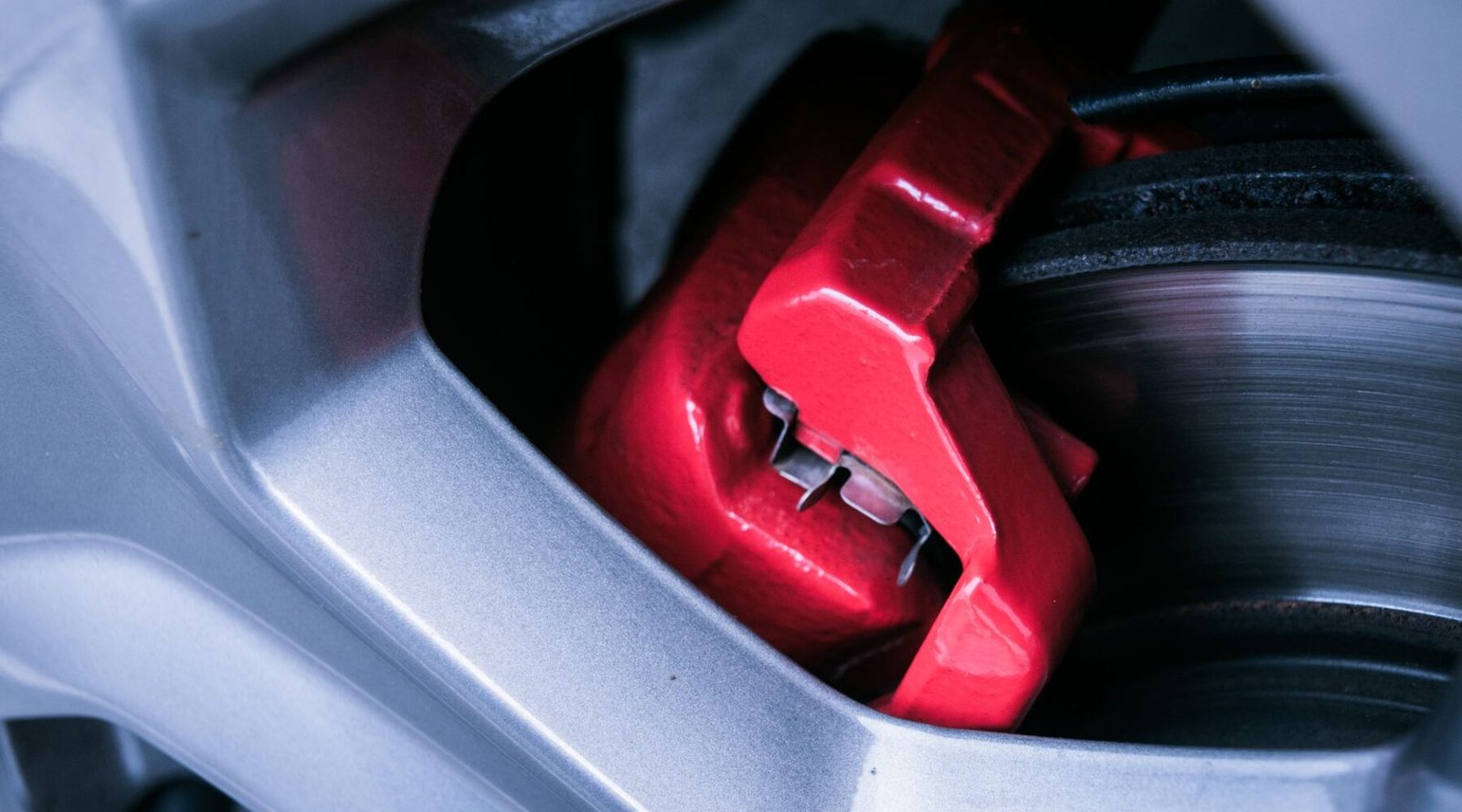
The terms break and brake often confuse those involved in the automotive world. Although they sound similar and may even be used interchangeably in casual conversation, they have distinct meanings that are crucial for anyone who drives or works on vehicles. Understanding the difference between these two terms can enhance your knowledge of automotive mechanics and vehicle safety.
Defining brake
In automotive terminology, a brake refers to a device that is used to slow down or stop a vehicle. The braking system is one of the most critical components of a vehicle, directly influencing both safety and performance. Brakes operate using friction, hydraulic force, or electronic systems, depending on the type of brake in question.
Types of brakes
There are several types of brakes commonly found in vehicles. Each type has its unique characteristics, advantages, and disadvantages.
Disc brakes
Disc brakes consist of a rotor, caliper, and brake pads. When the brake pedal is pressed, hydraulic fluid forces the caliper to squeeze the brake pads against the rotor, generating friction and slowing the vehicle. Disc brakes are known for their excellent performance in wet conditions and are commonly used in modern vehicles.
Drum brakes
Drum brakes operate using a different mechanism. They consist of a drum that rotates with the wheel and brake shoes that press against the inner surface of the drum when the brake is engaged. While drum brakes are often less effective than disc brakes, they are typically less expensive to manufacture and can be found in older vehicles and some budget models.
Anti-lock braking system (ABS)
The Anti-lock Braking System is a safety feature designed to prevent the wheels from locking up during hard braking. ABS uses sensors and a control module to modulate brake pressure, allowing the driver to maintain steering control while braking. This technology has significantly improved vehicle safety, particularly in emergency situations.
Understanding break
The term break, in contrast, refers to the action of separating or causing something to stop functioning. In everyday language, it is often associated with physical damage or interruption. For example, one might say, “I need to take a break” or “The car broke down.” In the context of automobiles, break does not have a specific technical meaning.
Common misconceptions
One common misconception is that the terms break and brake can be used interchangeably. This misunderstanding can lead to confusion, especially in discussions about vehicle maintenance and safety. For instance, telling someone to “break hard” instead of “brake hard” could potentially lead to dangerous situations on the road.
Implications of using the wrong term
Using the wrong term can have serious implications, particularly in written communication. In automotive manuals, repair instructions, or safety guidelines, the accurate use of terminology is essential for clarity. Miscommunication can lead to improper maintenance or unsafe driving practices.
Common phrases and their meanings
Understanding common phrases that involve the terms break and brake can further elucidate their meanings.
Break in period
The phrase “break-in period” refers to the initial phase after purchasing a new vehicle when it is recommended to drive gently to allow the engine and other components to settle. This term does not relate to the braking system but is often confused due to similar wording.
Brake fluid
Brake fluid is a hydraulic fluid used in the braking system. It is essential for the proper functioning of hydraulic brakes, transmitting force from the brake pedal to the brake components. Understanding the importance of brake fluid can significantly impact vehicle safety.
Importance of proper terminology in automotive discussions
Proper terminology is vital in any technical field, and the automotive industry is no exception. Clear communication can prevent misunderstandings that could lead to accidents or costly repairs. Whether discussing maintenance, repairs, or safety features, using the correct terms ensures everyone is on the same page.
Conclusion
In summary, understanding the difference between break and brake is essential for anyone involved in the automotive world. While brake refers to the device used to slow or stop a vehicle, break pertains to the action of causing something to stop functioning. Clear communication and proper terminology can enhance vehicle maintenance and safety, ultimately leading to a better driving experience.
Advanced braking systems and their implications
In modern automotive engineering, the terms break and brake extend beyond mere spelling differences to encompass a wide range of technologies and systems that enhance vehicle safety and performance. Understanding these advanced braking systems is crucial for both automotive enthusiasts and everyday drivers.
At the forefront of these innovations are anti-lock braking systems (ABS), electronic stability control (ESC), and regenerative braking systems. ABS prevents wheel lockup during hard braking, allowing for better steering control and reducing stopping distances on slippery surfaces. It uses a series of sensors to monitor wheel speed and modulates brake pressure accordingly. This technology is particularly useful in emergency situations, where maintaining control is paramount.
Another significant advancement is ESC, which builds on the principles of ABS by helping drivers maintain control of their vehicles during extreme steering maneuvers. By selectively applying brakes to individual wheels, ESC can prevent skidding and loss of traction, especially in adverse weather conditions. The implementation of ESC has been linked to a substantial reduction in accident rates, making it a pivotal feature in modern vehicles.
Regenerative braking systems, primarily found in hybrid and electric vehicles, capture the energy typically lost during braking and convert it into electrical energy to recharge the vehicle’s battery. This not only improves energy efficiency but also extends the range of electric vehicles. Understanding how these systems work can help drivers optimize their driving habits to maximize energy recovery.
“The integration of advanced braking technologies has transformed vehicle safety and efficiency, making it essential for drivers to familiarize themselves with how these systems function.”
Moreover, the terminology associated with braking systems has evolved. Terms such as ‘brake fade’ and ‘brake balance’ are critical for understanding how performance can vary under different driving conditions. Brake fade refers to the reduction in stopping power that occurs when brakes overheat, often resulting from prolonged or aggressive braking. This phenomenon can be particularly dangerous in downhill driving situations, where maintaining control is crucial. Drivers should be aware of their vehicle’s braking capabilities and the potential for fade when facing steep descents.
Brake balance, on the other hand, pertains to the distribution of braking force among the front and rear wheels. Proper brake balance is essential for maintaining vehicle stability during braking. An imbalance can lead to skidding or uncontrolled movements, especially when cornering. Performance vehicles often utilize advanced suspension and brake system designs to achieve optimal brake balance, enhancing both safety and performance.
In summary, the distinction between break and brake in automotive terminology is a gateway to understanding the complexities of vehicle safety systems. By delving deeper into advanced braking technologies and their implications, drivers can make more informed decisions and appreciate the engineering that goes into modern vehicles. This knowledge not only enhances safety but also enriches the driving experience, allowing for greater engagement with the vehicle’s capabilities.
Exploring the nuances of braking systems
The terms “break” and “brake” are often confused, but they hold distinct meanings in the automotive context. To deepen the understanding of braking systems, it’s essential to explore their components, functionalities, and the technology behind them. This section will provide insights into the various types of brakes, their operational principles, and the importance of regular maintenance.
Braking systems can be broadly categorized into two types: disc brakes and drum brakes. Disc brakes consist of a rotor, caliper, and brake pads. When the driver presses the brake pedal, hydraulic fluid activates the caliper, which squeezes the brake pads against the rotor, creating friction that slows the vehicle. This type of brake is known for its superior performance in terms of heat dissipation and stopping power, making it the preferred choice for high-performance vehicles and modern cars alike.
In contrast, drum brakes use a different mechanism. They consist of a cylindrical drum that rotates with the wheel and brake shoes that expand against the inner surface of the drum to create friction. While drum brakes are generally cheaper and simpler to manufacture, they can be less effective under heavy braking conditions due to heat buildup, which can lead to brake fade.
“Understanding the different types of braking systems can enhance your ability to maintain your vehicle effectively.”
In addition to understanding the types, it is crucial to recognize the role of brake fluid in the system. Brake fluid is the hydraulic fluid that transfers force from the brake pedal to the brake components. It is vital for ensuring that the braking system operates efficiently. Over time, brake fluid can absorb moisture, which lowers its boiling point and can lead to brake failure. Regularly checking and replacing brake fluid is a crucial aspect of vehicle maintenance that is often overlooked.
Another important aspect to consider is the technology behind modern braking systems. Many newer vehicles are equipped with advanced systems such as Anti-lock Braking System (ABS) and Electronic Stability Control (ESC). ABS prevents the wheels from locking up during hard braking, allowing the driver to maintain steering control. ESC, on the other hand, helps prevent skidding by automatically applying brakes to individual wheels based on the vehicle’s traction. Understanding these technologies can not only enhance driving safety but also help drivers appreciate the complexities of their vehicles.
For instance, during emergency braking situations, ABS can significantly reduce stopping distances on slippery surfaces, which can be a life-saving feature. Drivers should familiarize themselves with how these systems work and their limitations. For example, while ABS improves control, it does not shorten stopping distances on dry pavement. This nuanced understanding can make a difference in critical driving scenarios.
Lastly, regular brake inspections are essential for safety and performance. Drivers should be aware of the signs indicating that brake maintenance is needed, such as squeaking or grinding noises, a spongy brake pedal, or reduced responsiveness. Addressing these issues promptly not only ensures safety but can also save costs on more extensive repairs down the line.
In conclusion, distinguishing between “break” and “brake” is just the beginning. A comprehensive understanding of braking systems, their components, and technological advancements, along with regular maintenance, is essential for any vehicle owner. By educating themselves about these elements, drivers can enhance their safety and the overall performance of their vehicles.
Exploring braking systems: types and functionalities
Understanding the distinction between break and brake is crucial for anyone involved in automotive discussions, but it is equally important to grasp the complexities of braking systems themselves. Braking systems are pivotal in ensuring vehicle safety and performance, and they can be broadly categorized into two main types: hydraulic and mechanical systems.
Hydraulic braking systems, commonly found in modern vehicles, rely on fluid pressure to activate the brake components. When the driver presses the brake pedal, hydraulic fluid is transmitted through brake lines to the brake calipers, which then squeeze the brake pads against the rotors, creating friction that slows down the vehicle. This system is known for its effectiveness and is often used in conjunction with anti-lock braking systems (ABS), which prevent wheel lock-up during hard braking, enhancing control and safety.
In contrast, mechanical braking systems, while less common in modern cars, are still found in applications like bicycles and older vehicles. These systems utilize physical components like cables and levers to engage the brakes. When the brake lever is pulled, the cable tightens and activates the brake pads or shoes against the wheel. Although simpler, mechanical brakes can be less effective, particularly in adverse weather conditions where they may be more prone to wear or failure.
“Modern vehicles typically use hydraulic brakes due to their superior performance and reliability, especially in emergency situations.”
Another vital aspect of braking systems is the various components that make up these systems. Brake pads, rotors, calipers, and brake lines all play integral roles in the braking process. For instance, the material composition of brake pads can significantly influence their performance. Organic pads provide quiet operation and low dust, while metallic pads offer better heat dissipation and longer lifespan but can create more noise and dust. Understanding these materials can help drivers make informed choices about brake maintenance and upgrades.
Furthermore, advancements in technology have introduced electronic braking systems, which use sensors and computer algorithms to optimize braking force for enhanced safety. These systems can automatically adjust to different driving conditions, such as wet or icy roads, ensuring maximum grip and stability. The integration of electronic stability control (ESC) further aids in preventing skidding by modulating brake pressure on individual wheels when necessary.
Maintenance is another critical aspect of braking systems that vehicle owners should not overlook. Regular inspections of brake pads and rotors can prevent costly repairs and ensure optimal performance. Signs that your braking system may need attention include squeaking or grinding noises, a soft brake pedal, or a vehicle pulling to one side when braking. Addressing these issues promptly can prevent brake failure, which is a serious safety hazard.
“The braking system is often the most overlooked component in vehicle maintenance, yet it is crucial for safety and performance.”
In conclusion, while understanding the difference between break and brake is essential, a deeper comprehension of braking systems and their components can greatly enhance one’s knowledge of automotive safety. Whether through hydraulic or mechanical systems, the effectiveness of brakes depends on their design, materials, and maintenance practices. As vehicles continue to evolve, staying informed about these developments will empower drivers to make better decisions regarding their vehicle’s performance and safety.
Related reading: 2026 Ford Mustang review: the iconic muscle car returns, and The definitive new cars to buy for real engineering and performance. For an outside reference on this topic, see the EPA's official fuel economy database.