
Introduction to the Jeep 3.7 engine
The Jeep 3.7 engine has been a prominent feature in several Jeep models, providing a reliable V6 option for drivers seeking a balance of performance and efficiency. This engine has been a part of the Jeep lineup since the early 2000s and has contributed to the brand’s reputation for rugged dependability.
Key takeaways
- The Jeep 3.7 engine is a reliable V6 option for various models.
- It offers a balance of performance and fuel efficiency.
- Understanding common issues can help in maintenance and repairs.
Engine specifications
The Jeep 3.7 engine is a 3.7-liter V6 powerplant. It features a DOHC design, which allows for better airflow and improved performance. The engine typically produces around 210 horsepower at 5,200 RPM and 235 lb-ft of torque at 4,000 RPM. This combination provides a well-rounded performance, suitable for both daily driving and off-road adventures.
Fuel efficiency
One of the appealing aspects of the Jeep 3.7 engine is its fuel efficiency. Depending on the model and configuration, it achieves approximately 16 to 20 miles per gallon in city driving and 20 to 24 miles per gallon on the highway. While these numbers may not be class-leading, they represent a decent compromise for a vehicle designed for off-road capability.

Performance capabilities
In terms of performance, the Jeep 3.7 engine excels in its ability to deliver power across a wide RPM range. This versatility allows for confident acceleration, whether merging onto highways or tackling steep inclines during off-road excursions. The engine’s torque output also aids in towing capacity, making it a practical choice for drivers who require those capabilities.
Applications in Jeep models
The Jeep 3.7 engine has been utilized in various models, notably the Jeep Liberty and Jeep Grand Cherokee. In the Liberty, this engine has been paired with both manual and automatic transmissions, offering versatility in driving preferences. In the Grand Cherokee, the 3.7 engine provides a solid foundation for those looking for a midsize SUV with off-road prowess.
Common issues and reliability
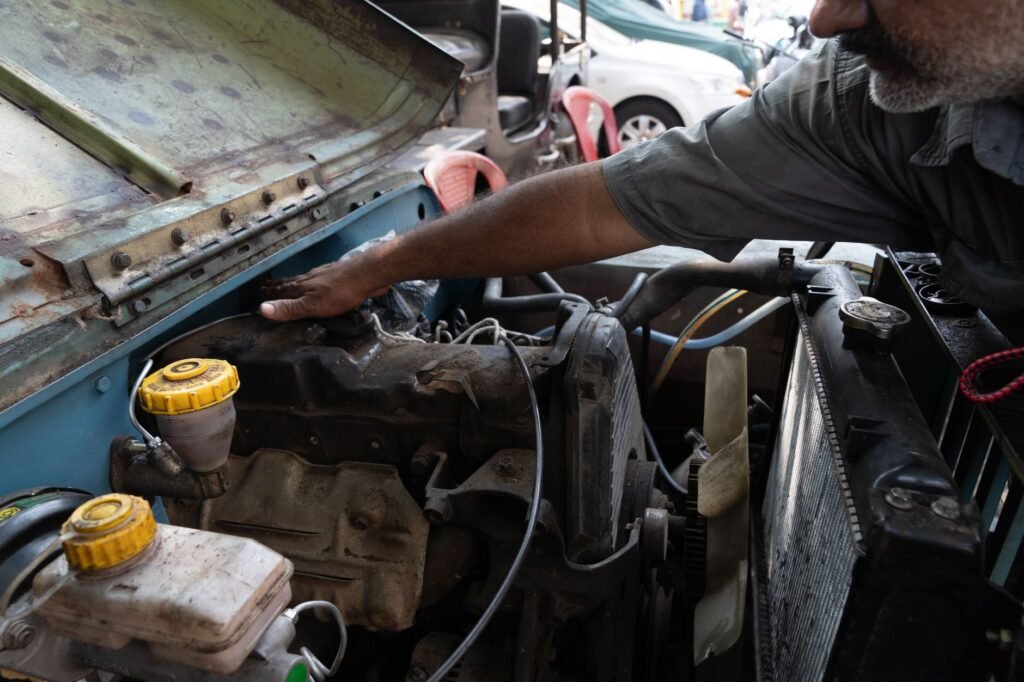
While generally regarded as a reliable engine, the Jeep 3.7 engine has its share of common issues. Owners have reported oil leaks, particularly around the valve cover gaskets and timing chain covers. Additionally, some users have experienced timing chain problems, which can lead to significant engine damage if not addressed promptly. Regular maintenance and early intervention are essential to ensure longevity.
Maintenance tips
To keep the Jeep 3.7 engine running smoothly, following a routine maintenance schedule is crucial. Regular oil changes, typically every 5,000 to 7,500 miles, help maintain engine health. It’s also advisable to monitor fluid levels and check for leaks periodically. Additionally, keeping an eye on the timing chain and addressing any unusual noises can prevent more serious issues down the line.
Aftermarket modifications
For those looking to enhance the performance of their Jeep 3.7 engine, several aftermarket modifications can be considered. Cold air intakes, performance exhaust systems, and tuning chips can all contribute to improved horsepower and torque. However, it is essential to research and select reputable products, as poorly designed modifications can lead to reliability issues.
Conclusion
The Jeep 3.7 engine stands out as a capable and reliable option for Jeep enthusiasts. Its balance of performance, fuel efficiency, and off-road capability makes it a popular choice among drivers. Understanding its specifications, common issues, and maintenance requirements can lead to a more satisfying ownership experience.
Interested in This Car?
If you are considering this vehicle, you can check its current availability, pricing and purchase options from the seller.
Interested in This Car?
If you are considering this vehicle, you can check its current availability, pricing and purchase options from the seller.

Optimizing fuel efficiency and performance through tuning
The Jeep 3.7 engine, while known for its solid performance, can benefit greatly from tuning to enhance both fuel efficiency and power output. Many Jeep enthusiasts have discovered that minor adjustments can lead to significant improvements. Understanding the intricacies of the engine’s fuel management and ignition systems is crucial for optimizing performance.
One of the most effective ways to enhance the 3.7’s performance is through engine tuning. This can involve reprogramming the engine control unit (ECU) to alter fuel maps, ignition timing, and throttle response. Several aftermarket tuning companies offer performance chips or programmers specifically designed for the 3.7 engine. By recalibrating these parameters, owners can achieve a noticeable increase in horsepower and torque, particularly in the mid-range, where the engine tends to feel more responsive.
For example, a popular performance chip, such as the DiabloSport Trinity, allows users to customize their settings according to their driving preferences. Users have reported gains of up to 20 horsepower and improved throttle response after installation. Furthermore, the ability to adjust settings for different driving conditions means that the engine can be optimized for off-road adventures or highway cruising.
“Optimizing the 3.7’s fuel management system through tuning can lead to improved efficiency and responsiveness.”
In addition to ECU tuning, upgrading the intake and exhaust systems can further enhance performance. The Jeep 3.7 has a relatively restrictive factory exhaust, which can hinder its ability to breathe efficiently at higher RPMs. Installing a performance exhaust system, such as those from MagnaFlow or Borla, can reduce back pressure and improve exhaust flow, leading to better performance and a more aggressive sound. Similarly, a cold air intake system can increase the volume of cooler air entering the engine, contributing to better combustion and, subsequently, more power.
Moreover, maintaining optimal air-fuel ratios is essential for maximizing both power and efficiency. Utilizing an O2 sensor or wideband air-fuel ratio gauge can help owners monitor their engine’s performance in real-time, allowing for further adjustments. This data can be invaluable when making modifications to the engine or when tuning for specific needs, such as towing or off-roading.
It’s also worth noting that regular maintenance plays a significant role in the overall performance of the 3.7 engine. Using high-quality synthetic oils, regularly changing the oil filter, and ensuring that spark plugs are in good condition can prevent performance degradation. Furthermore, a clean fuel system can improve fuel delivery and combustion efficiency, which is crucial for maintaining power output.
Finally, understanding the vehicle’s weight and its impact on performance is essential. The 3.7 engine performs admirably in lighter Jeep models, such as the Liberty, but may feel sluggish in heavier models like the Grand Cherokee. This weight consideration should inform owners when tuning for performance, as incremental power gains can have varying effects based on the vehicle’s overall dynamics.
“A well-tuned Jeep 3.7 not only performs better but can also significantly improve fuel efficiency, making it a smart investment for any Jeep owner.”
In conclusion, while the Jeep 3.7 engine offers reliable performance out of the box, tuning and performance upgrades can unlock its full potential. By carefully selecting modifications and paying attention to maintenance, owners can enjoy a more efficient and powerful driving experience.
Aftermarket enhancements for the 3.7 engine
The Jeep 3.7 engine, while generally reliable and capable, can benefit significantly from various aftermarket modifications that enhance both performance and longevity. Understanding these enhancements can help owners get the most out of their engines, especially for those who frequently engage in off-roading or towing.
One popular modification is the installation of a cold air intake system. This upgrade allows for increased airflow into the engine, which can lead to improved combustion efficiency. Brands like K&N and AIRAID offer kits specifically for the 3.7 that are designed to optimize airflow without compromising filtration. Users often report a noticeable increase in throttle response and a slight boost in horsepower, typically in the range of 10 to 15 additional horsepower.
Another effective enhancement is the use of performance exhaust systems. Upgrading to a high-flow cat-back exhaust system can significantly reduce back pressure, allowing the engine to breathe better. This can help increase horsepower and torque while also providing a more aggressive exhaust note that many Jeep enthusiasts enjoy. Companies such as Borla and MagnaFlow offer exhaust systems that are specifically tuned to the 3.7 engine, ensuring compatibility and optimal performance.
Tuning the engine’s computer, or ECU, is also a critical step in maximizing performance. Aftermarket tuners like Superchips and DiabloSport provide handheld devices that allow users to reprogram their engine’s parameters. These tuners can adjust fuel maps, timing, and other settings to optimize performance based on the modifications made. For instance, after installing a cold air intake and a performance exhaust, a custom tune can help realize the full potential of those upgrades, often yielding gains of up to 20 horsepower or more.
In addition to performance enhancements, many Jeep owners focus on reliability. Installing a high-quality oil cooler can help maintain lower operating temperatures, particularly during demanding conditions such as towing or off-road driving. This is crucial since the 3.7 engine has a history of overheating issues, especially in older models. By ensuring the engine runs cooler, owners can extend the life of their engine components and reduce the likelihood of expensive repairs.
Furthermore, regularly upgrading to high-performance spark plugs and ignition coils can improve ignition efficiency and fuel economy. Brands like NGK and MSD offer options that provide better spark energy and resistance to fouling, which is beneficial for maintaining engine performance over time.
Ultimately, while the Jeep 3.7 engine is known for its reliability, investing in thoughtful modifications can unlock significant performance gains and enhance overall engine longevity. Whether for daily driving or rugged adventures, these enhancements can create a more satisfying driving experience.
Tuning options for the Jeep 3.7 engine
The Jeep 3.7 engine, while robust in its stock form, offers numerous tuning options that can significantly enhance its performance and reliability. For enthusiasts looking to maximize the potential of their Jeep, understanding these options is crucial. This section delves into various tuning approaches, including ECU remapping, cold air intakes, and exhaust upgrades, providing insights into how they affect the engine’s overall performance.
One of the most effective ways to boost the performance of the Jeep 3.7 is through ECU remapping. The engine’s factory settings are designed to balance performance with fuel economy and emissions. However, a remap can optimize fuel delivery and ignition timing, leading to noticeable gains in horsepower and torque. For instance, several tuners report improvements of around 10-15% in power output after a proper ECU remap, which can be especially beneficial for towing or off-road driving scenarios.
Another popular modification is the installation of a cold air intake system. Stock intake systems can restrict airflow, which limits engine performance. By replacing the factory intake with a high-performance cold air intake, owners can significantly improve airflow to the engine. This modification not only enhances throttle response but can also contribute to a modest increase in horsepower, typically in the range of 5-10%. Brands like K&N and Airaid have well-reviewed options that fit seamlessly into the Jeep 3.7 setup.
“A cold air intake is one of the first mods I recommend for the 3.7. It’s simple, cost-effective, and you can really feel the difference while driving.” – Experienced Jeep Mechanic
Exhaust upgrades also play a critical role in enhancing performance. The factory exhaust system is often restrictive, which can hinder engine efficiency. By upgrading to a high-performance cat-back exhaust system, owners can improve exhaust flow, which reduces back pressure and enhances engine efficiency. This modification typically results in a deeper exhaust note and can yield additional horsepower gains of around 10-15%. Popular choices include systems from MagnaFlow and Borla, which are known for their durability and performance benefits.
For those looking for a more comprehensive approach, a combination of these modifications can yield impressive results. A typical setup involving an ECU remap, a cold air intake, and a cat-back exhaust can lead to cumulative gains of 20% or more in horsepower and torque. This not only improves the driving experience but also enhances the vehicle’s capability in off-road situations, where power delivery is crucial.
While boosting performance is a primary goal, reliability should never be overlooked. It is essential to ensure that any tuning is done by a reputable professional to avoid potential issues related to engine longevity. Additionally, regular maintenance becomes even more critical with performance modifications. Upgrading components such as spark plugs and using high-quality engine oil can help maintain reliability while enjoying the benefits of enhanced performance.
Finally, it is worth mentioning that while performance enhancements can be very rewarding, they should align with the intended use of the vehicle. For instance, a Jeep intended primarily for off-road adventures may benefit more from torque gains at lower RPMs, while a model used mainly for highway driving might prioritize higher-end power. Understanding these nuances will help Jeep owners make informed decisions about tuning their 3.7 engine.
Frequently asked questions
What vehicles use the Jeep 3.7 engine?
The Jeep 3.7 engine is primarily found in the Jeep Liberty and Jeep Grand Cherokee models from the early 2000s to the mid-2010s.
What are the performance specifications of the Jeep 3.7 engine?
This engine typically produces around 210 horsepower and 235 lb-ft of torque, providing a solid performance for both on-road and off-road driving.
What are common issues with the Jeep 3.7 engine?
Some common issues reported include oil leaks and problems with the timing chain, which can affect long-term reliability if not addressed.
The bottom line
The Jeep 3.7 engine remains a viable choice for those seeking a capable and dependable vehicle. Understanding its features and quirks can enhance ownership satisfaction.
Related reading: The best station wagons for modern families, and 2026 Ford Mustang review: the iconic muscle car returns. For an outside reference on this topic, see the EPA's official fuel economy database.