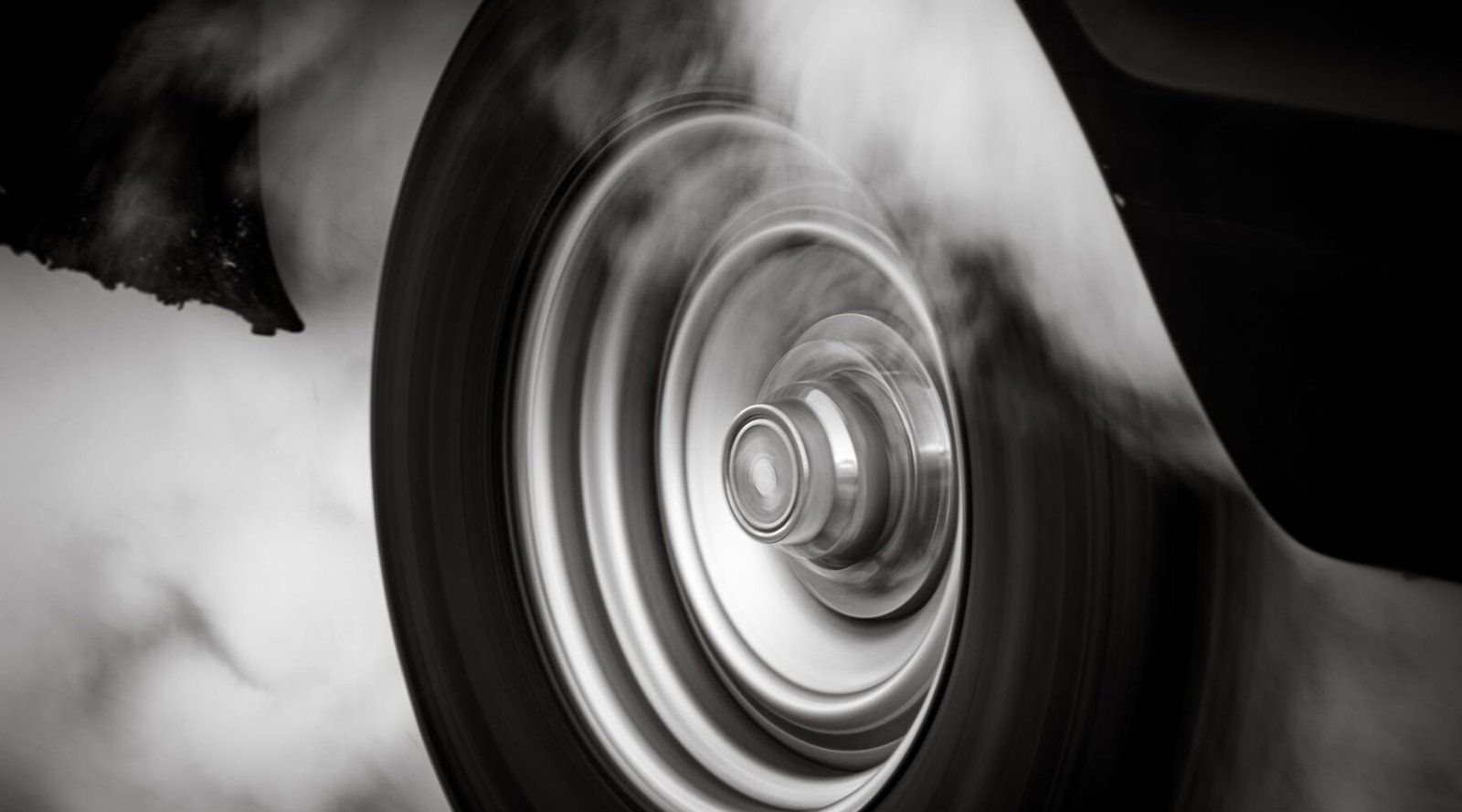
A car that smells like burning rubber can be alarming for any driver. The scent is often unmistakable and may indicate underlying mechanical issues that require immediate attention. Understanding the causes of this smell and knowing how to respond can save you from costly repairs and enhance your driving safety.
Common causes of burning rubber smells
The smell of burning rubber can stem from various sources within your vehicle. It is essential to identify the exact cause to address it promptly. Here are some common culprits:
Worn-out belts and hoses
One of the most frequent reasons for a burning rubber smell is worn-out belts or hoses. The serpentine belt, timing belt, and other rubber components can degrade over time due to heat and friction. When these parts become brittle or cracked, they may slip or come into contact with other engine components, generating that telltale burning smell.
Brake issues
Another significant cause of a burning rubber odor is related to the brakes. If your brake pads are worn down, the metal backing plate can come into contact with the brake rotor, leading to excessive heat. This friction can create a burning rubber smell that is particularly strong when braking. If you notice this scent alongside a decrease in braking performance, it is crucial to have your brakes inspected immediately.
Clutch problems
For manual transmission vehicles, a burning rubber smell can be associated with clutch problems. If the clutch is not fully disengaging, it can lead to excessive wear and overheating. This issue can produce a burning odor that may be mistaken for rubber. Addressing clutch problems promptly is essential, as continued use can lead to more severe transmission issues.
Electrical issues and overheating
In some cases, a burning rubber smell can be attributed to electrical issues. Frayed wires or faulty connections can generate heat and lead to insulation melting, creating a rubber-like odor. This scenario is particularly dangerous and can result in electrical fires. If you suspect electrical issues, seek professional help immediately.
Diagnosing the source of the smell
Once you detect a burning rubber smell, diagnosing the source is your next step. Here are practical approaches to identifying the issue:
Visual inspection
Start with a visual inspection under the hood and around the wheels. Look for signs of wear on belts and hoses. Check the brake pads for thickness and inspect for any signs of burning or discoloration. A thorough inspection can often reveal the source of the odor.
Listening for unusual sounds
While inspecting your vehicle, pay attention to any unusual sounds. A slipping belt may produce a squealing noise, while grinding brakes will often be accompanied by a distinct sound. These auditory clues can help narrow down the potential issue.
Professional assistance
If you cannot pinpoint the source of the burning smell, it is wise to consult a professional mechanic. They have the tools and experience to diagnose issues accurately and can perform necessary repairs to ensure your vehicle operates safely.
Preventative maintenance tips
Preventing the smell of burning rubber can often be achieved through regular maintenance and inspection. Here are some essential tips to consider:
Regular belt and hose checks
Schedule regular inspections of your vehicle’s belts and hoses. Replace any components that show signs of wear, such as cracks or fraying. Keeping these parts in good condition can prevent slipping and overheating.
Brake system maintenance
Ensure that your brake system is regularly inspected. Replace brake pads when they become worn, and check the brake fluid levels. A properly functioning brake system is vital not just for avoiding burning smells but also for your overall safety.
Monitor clutch performance
If you drive a manual transmission vehicle, pay attention to your clutch performance. If you notice difficulty in gear shifting or a burning smell after driving, it may be time to have your clutch inspected or adjusted.
When to seek professional help
While some issues can be identified and resolved by the driver, others require professional assistance. Here are scenarios where it is best to consult a mechanic:
Persistent burning smell
If the burning rubber smell persists despite visual checks or after you have made minor adjustments, it is time to seek professional help. Ignoring a persistent odor can lead to more significant issues and safety hazards.
Unusual performance issues
If you experience any unusual performance issues alongside the burning smell, such as decreased power, unusual noises, or difficulty in handling, do not hesitate to get your vehicle checked. These symptoms can indicate serious underlying problems.
Electrical concerns
If you suspect the scent may be related to electrical issues, it is critical to consult a professional immediately. Electrical fires can escalate quickly, posing a significant risk to your safety.
Conclusion
Understanding why your car smells like burning rubber is crucial for maintaining your vehicle’s health and safety. By being proactive in diagnosing issues and performing regular maintenance, you can prevent many of the problems associated with this odor. Whether it is worn-out belts, brake issues, or electrical concerns, addressing the source of the smell promptly will ensure a safer driving experience and protect your investment in your vehicle.
Tire health and its impact on burning rubber smells
One of the most common causes of a burning rubber smell in vehicles is related to tire health. Tires are the only part of a car that makes contact with the road, and their condition can significantly affect not only the car’s performance but also the safety of the vehicle. Understanding how tire issues can lead to burning rubber odors is crucial for drivers who want to maintain their vehicle properly.
Worn-out tires can generate excessive heat due to friction between the tire and the road surface. When tires are bald or have uneven wear patterns, they do not grip the road effectively, which can cause slippage. This slippage creates more friction, generating a burning rubber smell that can pervade the cabin and the exterior of the vehicle. In extreme cases, the heat buildup can even lead to tire blowouts, presenting a serious safety hazard.
Another critical factor is tire pressure. Under-inflated tires create more surface area contact with the road, resulting in increased friction and heat. For every pound per square inch (PSI) that a tire is under-inflated, the risk of overheating rises. Regularly checking and maintaining the correct tire pressure can prevent this issue. Most vehicles have a recommended tire pressure listed in the owner’s manual or on a sticker inside the driver’s door jamb.
It is also important to consider the type of tire being used. Performance tires, for example, are designed for optimal grip and handling but may wear more quickly under everyday driving conditions. If these tires are used for prolonged periods in situations they are not designed for, such as driving on rough terrain or in heavy traffic, they can overheat and produce a burning rubber smell. Drivers should be sure to select tires that are appropriate for their driving conditions and style.
Additionally, alignment issues can contribute to tire wear. If a vehicle is not properly aligned, the tires may wear unevenly, which can exacerbate the problems associated with friction and heat. A professional alignment service can help ensure that all four tires are positioned correctly, reducing uneven wear and the risk of odors.
Regular maintenance of tire health is not just about preventing burning rubber smells; it’s also about ensuring safety on the road.
Finally, consider the age of the tires. Rubber degrades over time, regardless of usage. Tires that are more than six years old should be inspected regularly, and if they are nearing ten years, they should be replaced regardless of tread depth. Aged tires can become brittle, leading to cracks and other issues that can cause burning smells during normal operation.
To summarize, maintaining tire health is essential to preventing burning rubber smells. Regular inspections for wear, proper inflation, appropriate tire selection for driving conditions, alignment checks, and timely replacements can help keep both the smell and the risks associated with burning rubber at bay. Drivers should make tire health a priority in their vehicle maintenance routine to ensure safety and performance.
Understanding the role of tires and braking systems
A burning rubber smell in your car is often a signal that something is amiss, and while it can stem from various sources, two critical components to investigate are the tires and the braking system. Addressing issues in these areas can not only eliminate unpleasant odors but also enhance the overall safety and performance of your vehicle.
Tires, particularly, are a common culprit when it comes to burning rubber smells. If your tires are improperly inflated, they can wear unevenly, generating excess heat. This heat can lead to a situation where the rubber begins to break down, producing that telltale burning smell. For example, if a tire is under-inflated by just a few PSI, it can cause the sidewalls to flex unnaturally, resulting in increased friction and heat. Regularly checking your tire pressure, especially before long trips or seasonal changes, can prevent such issues. Aim to check your tire pressure at least once a month and before any road trips to ensure they are within the manufacturer’s recommended range.
Moreover, worn-out tires can also contribute to a burning smell. If the tread depth has diminished significantly, the tires may overheat while driving, particularly in high-speed conditions. The rubber may start to peel or even smoke if the situation is severe. It’s essential to replace tires that are worn down to the tread wear indicators—those small bars of rubber molded into the tire that become visible when the tread is too low.
The braking system deserves equal attention when diagnosing a burning rubber smell. If brake pads are worn down to the metal or if the calipers are sticking, this can lead to excessive friction and heat generation. For instance, if a driver frequently applies the brakes while descending a steep hill, the pads may overheat, generating a burning smell. Additionally, if the brake fluid is contaminated or low, it can lead to poor brake performance and overheating. Inspecting the brake pads for wear and having the braking system serviced regularly can help mitigate these risks.
Furthermore, some drivers may not realize that improper use of the parking brake can lead to a burning rubber smell. If a vehicle is parked with the parking brake engaged for an extended period, especially on an incline, it can cause the brake pads to overheat and emit a burning smell. Always ensure that the parking brake is fully released before driving and avoid relying on it as the primary means of securing your vehicle.
In summary, while the smell of burning rubber in your vehicle can indicate various problems, tires and brakes are often at the forefront. Regular maintenance, including tire pressure checks and brake inspections, can prevent these issues from escalating. By being proactive, drivers not only enhance their driving experience but also ensure the longevity and safety of their vehicle. If the smell persists despite taking these preventative measures, consulting a professional mechanic is prudent to identify any underlying issues that could pose a risk to your vehicle’s performance and safety.
Understanding the role of the serpentine belt in burning rubber smells
The serpentine belt is a vital component in many modern vehicles, responsible for driving multiple peripheral devices such as the alternator, power steering pump, water pump, and air conditioning compressor. When this belt begins to wear out or becomes misaligned, it can produce a distinct smell that resembles burning rubber, which is often the first indicator of a potential problem.
One of the most common signs of a failing serpentine belt is the presence of a burning rubber smell, which occurs when the belt slips or becomes frayed due to age or wear. This smell can also arise from the belt becoming excessively loose, leading to slippage against pulleys. For example, if you notice the smell after a long drive or during heavy acceleration, it could indicate that the belt is unable to maintain adequate tension, causing it to overheat and emit that characteristic odor.
“A worn serpentine belt can lead not only to unpleasant smells but also to a cascade of mechanical failures if not addressed promptly.”
In addition to the burning rubber smell, there are other signs that may indicate an issue with the serpentine belt. These include unusual noises such as squeaking, squealing, or chirping, which often result from the belt slipping over pulleys. If these sounds accompany the smell, it’s advisable to inspect the belt immediately. Ignoring these symptoms can lead to a complete belt failure, which can disable essential vehicle functions, including power steering and electrical systems.
When dealing with a serpentine belt issue, it is crucial to check for proper tension. Most vehicles have a tensioner that keeps the belt taut. If the tensioner is malfunctioning, it can lead to insufficient tension and subsequent slippage. A quick visual inspection can often reveal if the belt is worn, cracked, or frayed. Some belts come with wear indicators, which are useful for determining if a replacement is necessary.
It’s also important to understand the replacement schedule for serpentine belts. Many manufacturers suggest changing the serpentine belt every 60,000 to 100,000 miles; however, this can vary based on driving conditions and the type of vehicle. Routine maintenance that includes checking the condition of the serpentine belt can prevent the unpleasant smell of burning rubber and avoid costly repairs down the line.
Moreover, if you have replaced the serpentine belt and continue to experience the burning rubber smell, it may be worth considering other components that the belt interacts with. For instance, a failing alternator or a seized water pump can create additional friction, causing the belt to overheat and emit a burning smell. In such cases, it may be beneficial to consult a mechanic who can perform a more comprehensive diagnostic assessment of the vehicle.
“Regular maintenance and inspections can save you the inconvenience of unexpected breakdowns related to serpentine belt failures.”
In conclusion, while the smell of burning rubber might be a common annoyance for drivers, it serves as a critical warning sign of potential mechanical issues. Understanding the role of the serpentine belt, recognizing the symptoms of wear, and adhering to a regular maintenance schedule can help mitigate risks and ensure that your vehicle operates smoothly. If in doubt, always consult a professional, as timely intervention can prevent a minor issue from escalating into a major repair. Keeping your vehicle in prime condition not only enhances performance but also contributes to safety on the road.
Related reading: Understanding the bell ringing sound in vehicles, and How new safety regulations are changing modern cars. For an outside reference on this topic, see Reuters' autos and transportation coverage.