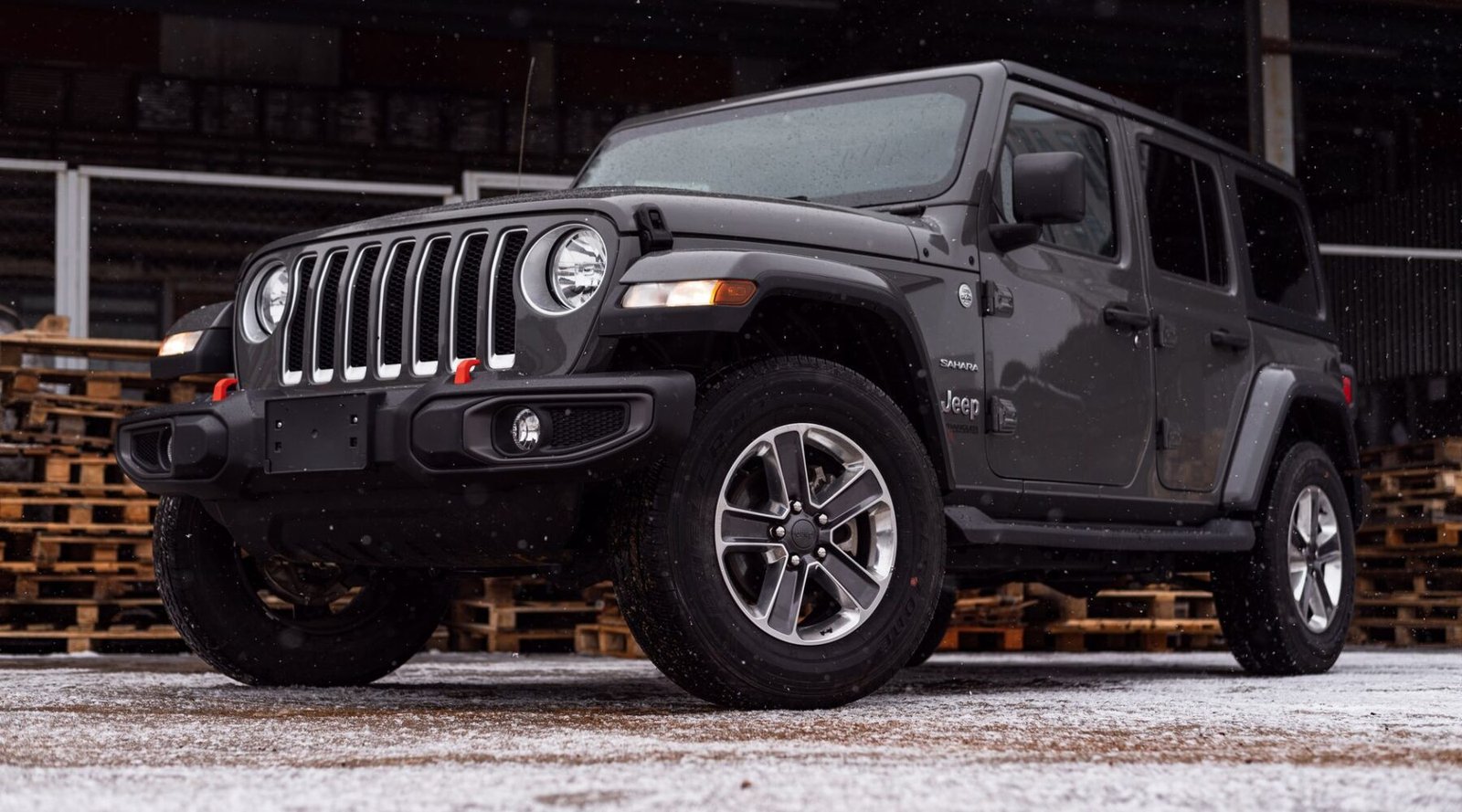
The Jeep Wrangler is a rugged icon known for its off-road capabilities and distinctive style. However, potential buyers often consider the reliability of the Jeep Wrangler before making a purchase. Understanding the factors that contribute to its reliability can help drivers decide whether this vehicle meets their needs for both on and off-road adventures.
Overview of Jeep Wrangler reliability
When discussing reliability, the Jeep Wrangler has garnered a mixed reputation. On one hand, it is celebrated for its durability and ability to handle tough terrains. On the other hand, certain models have been criticized for mechanical issues. Reliability ratings can vary significantly based on the year, trim, and engine options. This article delves into various aspects of the Jeep Wrangler to provide a clearer picture of its reliability.
Historical reliability ratings
Historically, the Jeep Wrangler has struggled with reliability ratings compared to other vehicles in its class. Organizations like J.D. Power and Consumer Reports have evaluated the Wrangler’s reliability over the years. While some model years have received commendable scores, others have faced issues that have affected their rankings. For instance, the 2018 model received a higher reliability score than the 2020 model, which faced complaints about its electrical system.
Common issues reported by owners
Owners of the Jeep Wrangler have reported a variety of common issues that can impact reliability. These issues often include:
- Transmission problems: Some owners have experienced harsh shifting or slipping in automatic transmissions, particularly in older models.
- Electrical system failures: Problems with the electrical system, including battery drainage and malfunctioning lights, have been reported in several model years.
- Rust issues: Certain Wrangler models, especially those driven in harsh winter climates, have been prone to rust, particularly around the frame and undercarriage.
- Suspension concerns: A few drivers have reported issues with the suspension system, leading to a rough ride and poor handling.
It’s essential for prospective buyers to be aware of these issues and consider inspecting any used Jeep Wrangler for signs of these problems.
Maintenance and care for reliability
Regular maintenance is crucial for ensuring the reliability of any vehicle, and the Jeep Wrangler is no exception. Following the manufacturer’s recommended service schedule can help prevent many common issues. Key maintenance tips include:
- Regular oil changes: Keeping the engine lubricated is vital for performance and longevity.
- Checking fluids: Regularly check and replace fluids, including transmission, brake, and coolant fluids.
- Tire maintenance: Regular tire rotations and alignments can enhance handling and prolong tire life.
- Brake inspections: Keeping brakes in top condition improves safety and reliability.
By staying on top of routine maintenance, Wrangler owners can improve their vehicle’s reliability and performance.
Owner experiences and testimonials
Owner experiences can offer valuable insights into the reliability of the Jeep Wrangler. Many enthusiasts praise the vehicle for its off-road capabilities and the fun factor it provides. However, some owners express frustration with specific reliability concerns. Online forums and review platforms often feature discussions where owners share their experiences with repairs and maintenance costs. These testimonials can provide prospective buyers with a broader understanding of what to expect.
Warranty and support
Jeep offers a competitive warranty for the Wrangler, which can provide peace of mind for new buyers. The standard warranty includes a three-year/36,000-mile basic warranty and a five-year/60,000-mile powertrain warranty. Additionally, many dealerships offer extended warranties that can cover additional years and miles. These warranties help mitigate the financial risks associated with potential reliability issues.
Comparative reliability: Jeep Wrangler vs. competitors
When assessing the reliability of the Jeep Wrangler, it’s essential to compare it against competitors in the compact SUV and off-road segment. Models like the Toyota 4Runner and Ford Bronco are often compared to the Wrangler. While the Toyota 4Runner typically scores higher in reliability ratings, the Wrangler excels in off-road capabilities and customization options. Understanding these comparisons can help buyers make an informed decision based on their priorities.
Resale value and long-term reliability
The resale value of a vehicle can be an indirect indicator of reliability. The Jeep Wrangler generally holds its value well compared to many other vehicles in its class, thanks in part to its strong off-road reputation. However, models with known reliability issues may see a decrease in resale value. Buyers should research the specific model year they are considering to understand how reliability may impact long-term value.
Conclusion: Is the Jeep Wrangler reliable enough for you?
In conclusion, the reliability of the Jeep Wrangler is a multifaceted topic. While it has its share of common issues, many owners find the vehicle’s performance and character worth the potential reliability drawbacks. Prospective buyers should weigh their options carefully and consider factors such as maintenance, warranty, and personal use cases. If you are considering this vehicle, you can check its current availability, pricing and purchase options from the seller.
Interested in This Car?
If you are considering this vehicle, you can check its current availability, pricing and purchase options from the seller.
Interested in This Car?
If you are considering this vehicle, you can check its current availability, pricing and purchase options from the seller.
Common issues and solutions
The Jeep Wrangler has built a reputation for durability and off-road prowess, but like any vehicle, it is not without its issues. Recognizing common problems can greatly enhance a buyer’s experience and longevity of the vehicle. The most frequently reported issues among Wrangler owners include electrical glitches, transmission problems, and excessive rust, particularly in older models.
Electrical issues often manifest in the form of faulty window regulators, malfunctioning lights, and erratic dashboard displays. These problems are generally not severe but can be annoying. A common fix for window regulators, for example, involves replacing the entire window assembly, which can cost around $300 for parts and labor. Regularly inspecting wiring harnesses and connectors, especially in off-road conditions, can prevent some of these issues from escalating.
Transmission problems, particularly in earlier automatic models, have been a concern. Some owners report harsh shifting or slipping gears. If caught early, a simple transmission fluid change can often resolve these issues. However, for more severe problems, such as a failing transmission, a rebuild or replacement may be necessary, which can cost $2,000 or more. Regular maintenance, including fluid changes every 30,000 miles, can help mitigate this risk.
Rust, particularly on the frame and undercarriage, is another issue often cited by Wrangler enthusiasts. This is especially prevalent in regions where road salt is used during winter months. Owners should conduct regular inspections, focusing on the frame and wheel wells. Applying rust-proof coatings and ensuring that drainage holes are clear can prolong the life of the vehicle. If rust is found, it is crucial to address it promptly to avoid structural integrity issues.
“The Wrangler is built for adventure, but you must keep an eye on potential pitfalls to ensure it remains reliable.”
Among model years, the 2018 Wrangler (JL) has received positive reviews regarding reliability, but some users report issues with the Uconnect infotainment system. Software updates can often resolve these problems, but persistent issues may require a trip to the dealership.
For those considering used Wranglers, it’s essential to check for a comprehensive maintenance history to identify any recurring issues. A vehicle with a documented service history, particularly for transmission and electrical work, can provide peace of mind.
In summary, while the Jeep Wrangler is known for its rugged reliability, being proactive about common issues can enhance ownership experience. Regular maintenance, vigilant inspections, and addressing problems early can ensure that the Wrangler continues to perform as expected, both on and off the road.
Understanding the nuances of maintenance and repair
The reliability of the Jeep Wrangler is not solely determined by its engineering but is significantly influenced by how owners maintain and care for their vehicles. Knowledge of specific maintenance practices and common repairs can provide insight into the true longevity of a Jeep Wrangler.
One crucial aspect of Wrangler maintenance is the attention to its drivetrain, particularly in 4WD models. Regular inspection and maintenance of the transfer case and differentials are vital. For instance, the oil in these components should be changed every 30,000 miles to prevent wear and ensure optimal performance. Neglecting this can lead to costly repairs, as issues in the drivetrain can affect not only the vehicle’s ability to handle rugged terrain but also its overall reliability.
Another common issue among Jeep Wranglers, especially older models, is related to the electrical system. Owners often report problems with the battery and alternator, particularly in models equipped with a lot of electronic accessories. It’s advisable for owners to upgrade to a high-performance battery if they frequently use winches or additional lighting. Furthermore, regular inspections of wiring harnesses for wear and corrosion can prevent more significant electrical failures down the line.
“Regular maintenance and a proactive approach to repairs can significantly extend the lifespan of a Jeep Wrangler, ensuring it remains a reliable off-road companion.”
Additionally, tire maintenance plays a critical role in the Wrangler’s reliability, given its off-road capabilities. Owners should routinely check tire pressure and tread depth, considering that a Wrangler is often subjected to uneven terrains. A proper rotation schedule, ideally every 5,000 to 7,500 miles, is also recommended to ensure even wear. This not only enhances safety but also improves fuel efficiency and prolongs the lifespan of the tires.
When it comes to repairs, several common issues have been identified across various Wrangler generations. For example, the 2018 model year faced complaints regarding the automatic transmission. Some owners reported rough shifting or delayed engagement, which could be fixed with a software update or, in more severe cases, a transmission fluid replacement. Staying informed about recalls and factory service bulletins can help owners address these issues before they escalate.
Furthermore, the Jeep community often shares valuable insights and experiences regarding reliability. Online forums and social media groups can be excellent resources for advice on specific maintenance tasks and troubleshooting common problems. Engaging with fellow Wrangler enthusiasts can also provide recommendations for trustworthy mechanics who specialize in Jeep repairs, ensuring that your vehicle receives the best care.
In summary, while the Jeep Wrangler is generally considered reliable, its longevity heavily relies on the owner’s commitment to maintenance and proactive repair strategies. Understanding the nuances of care specific to the Wrangler can significantly mitigate the risks of common issues, ultimately enhancing the vehicle’s dependability for years to come.
Understanding the impact of aftermarket modifications
The Jeep Wrangler is often celebrated for its off-road capabilities and customizability, which leads many owners to modify their vehicles. While these modifications can enhance performance and aesthetics, they also have implications for reliability. Understanding how these changes affect the long-term durability of a Wrangler is crucial for both current and prospective owners.
Many Wrangler enthusiasts opt for aftermarket parts such as lift kits, upgraded suspension systems, and larger tires to improve off-road performance. However, these modifications can introduce stresses on components that the vehicle was not originally designed to handle. For instance, lifting a Wrangler alters its center of gravity, which can lead to increased wear on suspension components and potentially compromise handling.
Another common modification is the installation of aftermarket bumpers and winches. While these additions can enhance the vehicle’s utility, they also add weight, which can strain the drivetrain. Owners should be aware that the added mass can lead to premature wear on the transmission and differential if not properly managed.
“It’s essential to strike a balance between enhancing performance and maintaining reliability. Overloading your Wrangler with modifications can lead to costly repairs down the line.”
Additionally, the Jeep community has a wealth of information on which modifications are most reliable. For example, upgrading to high-quality shock absorbers can improve ride quality and prolong the lifespan of suspension components. Conversely, opting for cheaper parts may save money upfront but often leads to more frequent replacements and repairs.
One notable aspect of aftermarket modifications is the potential impact on warranty coverage. Many manufacturers have specific policies regarding modifications; for instance, if a modification leads to a failure, the manufacturer may deny warranty claims related to that failure. Therefore, owners should be cautious and consider the long-term implications of any modifications on their warranty status.
Another crucial factor is the skill of the installer. Poor installation can lead to misalignments and mechanical issues that compromise reliability. Owners should seek professional help or ensure they have the necessary expertise before attempting complex modifications.
Lastly, regular maintenance becomes even more critical for modified Wranglers. The added stress from modifications can accelerate wear and tear, making routine inspections, fluid changes, and component checks essential. Keeping a close eye on tire wear patterns, for instance, can provide early warning signs of alignment issues caused by lift kits or larger tires.
“Informed decisions regarding modifications not only enhance the driving experience but also ensure that your Jeep Wrangler remains a reliable companion on and off the road.”
In summary, while aftermarket modifications can significantly enhance the performance and appeal of a Jeep Wrangler, they require careful consideration to maintain reliability. Owners should educate themselves about the implications of their choices, prioritize quality parts and installation, and commit to diligent maintenance practices to ensure their Wranglers remain dependable for years to come.
Related reading: Car smells like burning rubber: causes and solutions, and Rethinking touchscreen-only interiors in modern vehicles. For an outside reference on this topic, see Reuters' autos and transportation coverage.