Code P0453 is a diagnostic trouble code (DTC) that indicates a problem in the evaporative emission control system (EVAP) of a vehicle. Specifically, it refers to the fuel tank pressure sensor, which is designed to monitor the pressure within the fuel tank and ensure that the fuel vapors are effectively managed and contained. Understanding the implications of code P0453 is crucial for vehicle owners and technicians alike, as it can lead to increased emissions and reduced fuel efficiency if left unaddressed.
What triggers code P0453?
Code P0453 is triggered when the engine control module (ECM) detects a voltage input from the fuel tank pressure sensor that is higher than the expected range. This can occur due to several reasons:
- A malfunctioning fuel tank pressure sensor
- Wiring issues, such as shorts or breaks in the sensor circuit
- Corrosion or loose connections at the sensor or ECM
- A faulty EVAP canister or related components
Each of these issues can prevent the sensor from properly relaying accurate information to the ECM, leading to the illumination of the check engine light and the storage of the P0453 code.
Symptoms of code P0453
Vehicle owners may notice various symptoms when code P0453 is present. While some may experience significant performance issues, others might see minimal changes. Common symptoms include:
- Check engine light illuminated
- Increased fuel consumption
- Strong fuel odor, which may indicate a fuel leak
- Rough idling or engine stalling
- Failed emissions test
Recognizing these symptoms early can help prevent more serious issues from developing, including damage to the engine or the fuel system.
How to diagnose code P0453
Diagnosing code P0453 involves a systematic approach to ensure all potential causes are evaluated. Here’s a step-by-step guide:
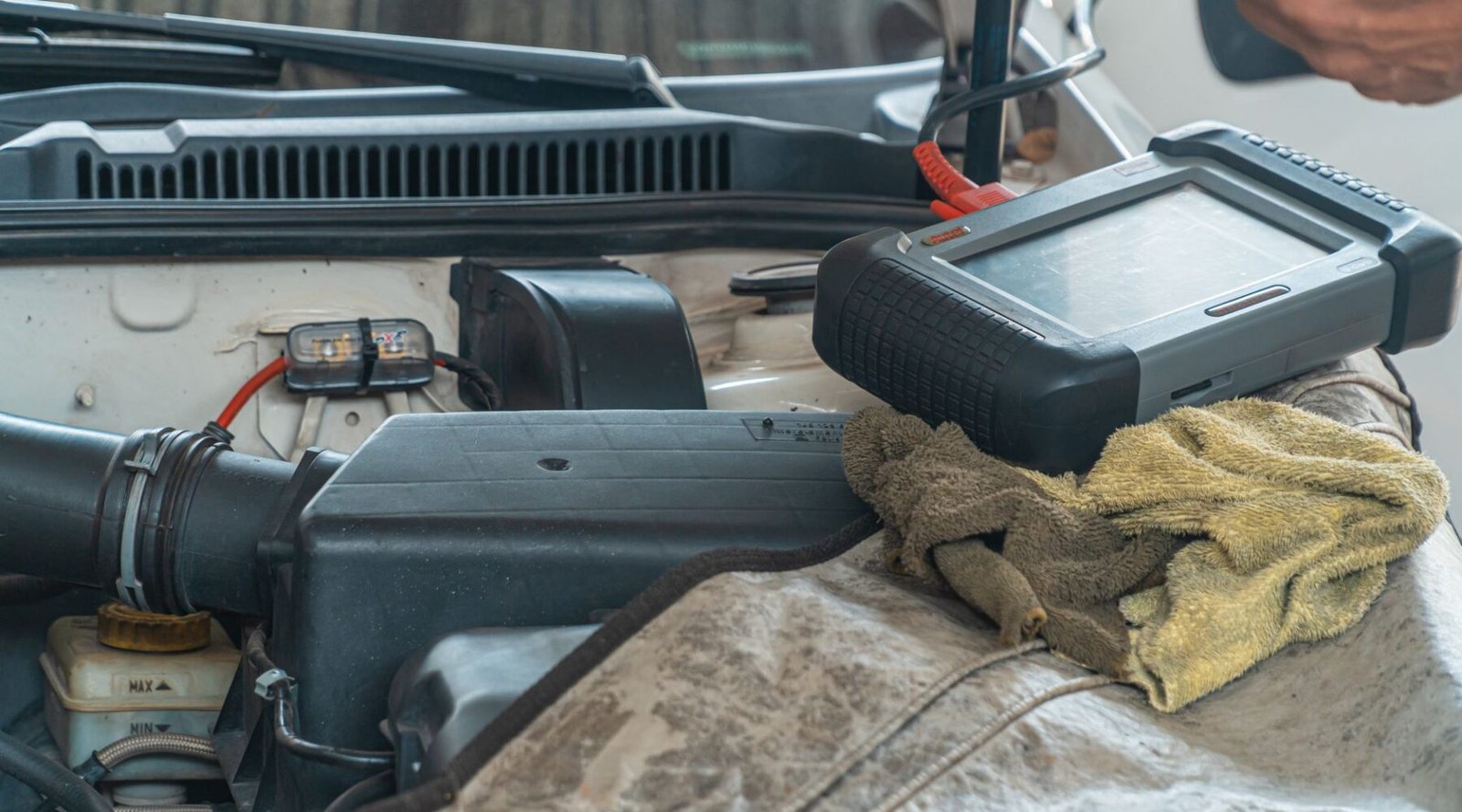
- Scan for fault codes: Use an OBD-II scanner to retrieve the DTCs stored in the ECM. Note any other codes that may be present, as they could indicate related issues.
- Visual inspection: Check the wiring and connectors associated with the fuel tank pressure sensor for signs of damage, corrosion, or loose connections.
- Test the fuel tank pressure sensor: Using a multimeter, measure the voltage output of the sensor while the vehicle is running. Compare the readings with the manufacturer specifications.
- Check for leaks: Inspect the EVAP system for any leaks, cracks, or disconnected vacuum hoses that could affect the pressure readings.
- Evaluate the EVAP canister: Ensure the canister is functioning correctly and not clogged or damaged.
- Clear the codes: After addressing any issues found, clear the codes and take the vehicle for a test drive to see if the P0453 code reappears.
Following this diagnostic process will help pinpoint the root cause of code P0453.
Common repairs for code P0453
Once the diagnosis is complete, several repairs may be necessary depending on the identified issue. Common repairs for code P0453 include:
- Replacing the fuel tank pressure sensor: If the sensor is found to be faulty, replacing it is often the most straightforward solution.
- Repairing or replacing damaged wiring: If the wiring to the sensor is compromised, it must be repaired or replaced to restore proper functionality.
- Addressing vacuum leaks: Repair any leaks found in the EVAP system to ensure accurate pressure readings.
- Replacing the EVAP canister: If the canister is clogged or damaged, it may need to be replaced to restore proper function.
Each repair should be carried out following the manufacturer’s specifications for the specific vehicle make and model.
The importance of addressing code P0453
Ignoring code P0453 can lead to several negative consequences. The primary concern is increased emissions, as the EVAP system is designed to minimize the release of harmful vapors into the atmosphere. Additionally, unresolved issues can result in:
- Decreased fuel efficiency, leading to higher operating costs.
- Potential engine performance issues, such as rough idling or stalling.
- Failed emissions tests, which can result in fines and the inability to register the vehicle.
Addressing the code promptly ensures that the vehicle operates efficiently and remains compliant with environmental regulations.
Preventative measures to avoid code P0453
To minimize the risk of encountering code P0453 in the future, vehicle owners should adopt several preventative measures:
- Regular maintenance: Follow the manufacturer’s recommended maintenance schedule, which often includes inspections of the fuel and emissions systems.
- Monitor fuel system health: Pay attention to any unusual fuel odors, drops in fuel efficiency, or engine performance issues, and address them promptly.
- Use quality parts: When replacing components in the fuel or emissions systems, opt for high-quality aftermarket or OEM parts to ensure reliability.
By taking these precautions, vehicle owners can help prevent the occurrence of code P0453 and other related issues.
Conclusion
Code P0453 is an important diagnostic trouble code that signals a problem with the fuel tank pressure sensor within the evaporative emissions system. Understanding its implications, symptoms, and repair methods is essential for maintaining vehicle performance and compliance with emissions regulations. By following a structured diagnostic approach and addressing any issues promptly, vehicle owners can ensure their vehicles run efficiently and sustainably. Regular maintenance and vigilance can also help prevent future occurrences of this code, leading to a more reliable driving experience.
Exploring the role of the EVAP system in emissions control
The evaporative emission control system (EVAP) plays a critical role in managing fuel vapors and reducing harmful emissions from your vehicle. Understanding how the EVAP system operates can provide valuable insights into the P0453 code and its implications. The P0453 code specifically indicates a problem with the EVAP system pressure sensor, typically signaling that the sensor is reading a voltage that exceeds the manufacturer’s specified range.
At the core of the EVAP system is the charcoal canister, where fuel vapors are stored until they can be purged into the engine for combustion. This process is vital not only for reducing emissions but also for optimizing fuel efficiency. When the system is functioning correctly, a series of valves and sensors monitor the pressure within the EVAP system, ensuring that any leaks or blockages are identified promptly.
One common cause of a P0453 code is a faulty pressure sensor itself. However, before jumping to conclusions, it is essential to explore other potential culprits that could lead to this code. For instance, wiring issues such as short circuits, corroded connections, or damaged insulation can cause erroneous readings from the sensor. A thorough inspection of the wiring harness and connectors associated with the EVAP pressure sensor should be one of the first steps in diagnosing the issue.
Additionally, the integrity of the entire EVAP system must be checked. A leak or blockage in any part of the system can lead to abnormal pressure readings. Common leak points include the fuel tank, fuel cap, hoses, and the charcoal canister itself. Utilizing a smoke machine can be an effective method to identify leaks, as it allows you to visualize where vapors may be escaping. If smoke is observed escaping from any part of the system, repairs will be necessary to restore proper functionality.
Another potential issue is a malfunctioning purge valve. The purge valve controls the flow of fuel vapors from the charcoal canister to the engine. If this valve fails to open or close correctly, it can create pressure discrepancies that trigger the P0453 code. Testing the purge valve involves applying voltage to the valve to see if it opens and closes as it should. If it does not function as expected, replacement may be necessary.
It is also crucial to consider the vehicle’s history and any previous repairs that have been made to the EVAP system. Sometimes, a previous repair may not have been completed correctly, or aftermarket parts may not be functioning as intended. Keeping a detailed record of repairs and maintenance can aid in diagnosing recurring issues.
In summary, addressing the P0453 code requires a comprehensive understanding of the EVAP system’s components and their interrelations. Thorough inspections, utilizing diagnostic tools, and considering the vehicle’s history will lead to a more accurate diagnosis and effective resolution.
By taking these steps, vehicle owners can ensure their EVAP system operates efficiently, thereby minimizing emissions and enhancing overall vehicle performance. Ultimately, understanding the nuances of the EVAP system is not just about fixing a code but also about contributing to a cleaner environment and better fuel economy.
The critical role of the EVAP system in fuel efficiency and emissions
The On-Board Diagnostics II (OBD-II) system is designed to monitor various components of a vehicle, and one of the key systems it oversees is the Evaporative Emission Control System (EVAP). Code P0453 specifically indicates a problem with the EVAP system pressure sensor, which can lead to significant implications not only for vehicle performance but also for environmental emissions and fuel efficiency.
The EVAP system serves a crucial purpose by capturing and storing fuel vapors from the fuel tank, preventing them from escaping into the atmosphere. This is essential for both reducing harmful emissions and improving fuel economy. When the pressure sensor within the EVAP system malfunctions or provides inaccurate readings, it can trigger code P0453 and potentially lead to a range of performance issues.
Understanding the operation of the EVAP pressure sensor can help diagnose the underlying problems. This sensor is designed to monitor the pressure within the EVAP system, sending data to the Engine Control Module (ECM). If the sensor detects pressure levels that are too high, it can indicate a blockage in the system, possibly caused by a clogged charcoal canister or a damaged vent valve. Conversely, if the pressure is too low, it may suggest a leak in the system, such as a cracked hose or a faulty gas cap.
“Addressing issues with the EVAP system not only resolves the P0453 code but also enhances overall vehicle efficiency and reduces environmental impact.”
For instance, if a vehicle owner ignores the P0453 code, they may experience increased fuel consumption as the engine struggles to compensate for the erroneous pressure readings. Additionally, a malfunctioning EVAP system can lead to increased hydrocarbon emissions, which not only harms the environment but can also result in failing emissions tests in many jurisdictions.
To effectively address the P0453 code, it’s crucial to conduct a thorough inspection of the EVAP system. Start by checking the gas cap to ensure it is sealing properly. A loose or damaged gas cap is often the simplest fix. Next, inspect the hoses and connections for any signs of wear, cracks, or disconnections. Special attention should be paid to the charcoal canister and the purge and vent valves, as these components are commonly implicated in EVAP system failures.
In some cases, using a smoke machine can help identify leaks in the system. By introducing smoke into the EVAP system, any escaping vapor can be visualized, allowing for targeted repairs. Once repairs are completed, the system should be tested for leaks, and the P0453 code can be cleared using an OBD-II scanner.
In summary, the importance of the EVAP system cannot be overstated. Addressing code P0453 not only resolves the immediate issue but also contributes to better fuel efficiency and lower emissions. By understanding the intricacies of the EVAP system and its components, vehicle owners can take informed steps towards maintaining their vehicles and protecting the environment.
Common misdiagnoses and testing strategies for P0453
Understanding P0453, which indicates a high voltage signal from the fuel tank pressure sensor, requires a nuanced approach to diagnostics. While the usual suspects include faulty sensors or wiring issues, misdiagnosis can lead to unnecessary part replacements and wasted resources. Thus, a systematic testing strategy is crucial.
One common misdiagnosis stems from assuming the sensor is faulty without verifying its operation. Before replacing the sensor, perform a thorough inspection of the wiring harness. Look for any signs of corrosion, fraying, or breaks, especially in areas where the harness might rub against other components. Voltage drops or shorts in the wiring can mimic sensor failures, so use a multimeter to check the voltage at the sensor’s connector. The expected voltage should align with manufacturer specifications, usually within a range of 0.5 to 4.5 volts. If the voltage is outside this range, it indicates a wiring issue rather than a sensor defect.
Another potential pitfall is overlooking the role of the vehicle’s PCV (Positive Crankcase Ventilation) system. A malfunctioning PCV system can create vacuum leaks that affect the fuel tank pressure readings. Before concluding that the P0453 code is solely a sensor issue, inspect the PCV valve and hoses for blockages or leaks. If the PCV setup is compromised, it can lead to incorrect pressure readings and trigger the P0453 code, thereby complicating the diagnosis.
“The key to resolving P0453 lies in a methodical approach to both the sensor and the surrounding systems. Always validate the condition of the wiring and PCV system before jumping to conclusions about the sensor itself.”
In addition to these checks, it’s essential to consider environmental factors that may affect the fuel tank pressure sensor’s performance. For instance, if a vehicle has recently undergone extensive bodywork or frame adjustments, it might have inadvertently altered the fuel tank’s position or the integrity of the lines connected to the pressure sensor. Ensure that the fuel tank is securely mounted and that all connections are tight and leak-free.
Once the wiring and PCV systems have been inspected and ruled out as causes, testing the sensor itself becomes the next logical step. If available, use a scan tool to read live data from the fuel tank pressure sensor. This data can provide insights into whether the sensor is operating within its expected parameters. If the readings are erratic or do not correlate with the expected pressure changes, the sensor may indeed need replacement.
Finally, if after all diagnostics and repairs the P0453 code persists, consider the possibility of software issues in the vehicle’s engine control module (ECM). Some vehicles may require a software update to ensure proper communication between the ECM and the fuel tank pressure sensor. Always check for Technical Service Bulletins (TSBs) related to P0453 for your specific make and model, as manufacturers may have identified and rectified known issues in earlier software versions.
By employing a comprehensive diagnostic approach, including careful inspection of wiring, evaluating the PCV system, testing the sensor, and considering software updates, technicians can effectively resolve P0453 while minimizing unnecessary repairs.
Related reading: Understanding engine power sources in modern vehicles, and Modern cars are becoming more like computers. For an outside reference on this topic, see NHTSA's vehicle safety resources.