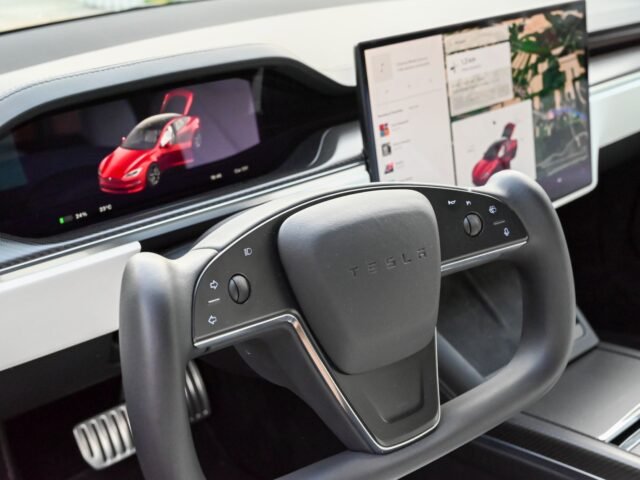
Engine power sources have evolved significantly over the decades, shaping the automotive industry and influencing driving experiences worldwide. Understanding these sources is crucial for anyone interested in the mechanics of vehicles or the future of transportation. From the traditional internal combustion engines to advanced electric powertrains, the diversity of engine power sources reflects not just technological advancements but also changing consumer preferences and environmental considerations.
The internal combustion engine: a time-tested technology
The internal combustion engine (ICE) has been the dominant power source for automobiles since the late 19th century. It typically operates on gasoline or diesel fuel, igniting a mixture of air and fuel within a cylinder to create a series of controlled explosions that drive pistons. This design has proven reliable and effective, providing the power and torque needed for various vehicle types.
ICEs are characterized by their different configurations, including inline, V, and flat engines. Each configuration offers specific performance characteristics and packaging advantages. For instance, V engines tend to provide more power in a compact size, which is why they are popular in high-performance and luxury vehicles.
Fuel types and their impact on performance
The choice of fuel significantly impacts the performance and efficiency of internal combustion engines. Gasoline engines typically offer smoother operation and higher RPM capabilities, making them ideal for passenger cars. Diesel engines, on the other hand, provide more torque at lower RPMs, making them suitable for heavy-duty vehicles like trucks and SUVs. The higher energy density of diesel fuel also contributes to better fuel economy.
In recent years, alternative fuels such as ethanol and biodiesel have gained traction, driven by environmental concerns and the need for energy independence. Ethanol, often derived from corn, can be blended with gasoline to create E85 fuel, which has a higher octane rating but lower energy density. Biodiesel, produced from vegetable oils or animal fats, can be used in diesel engines with little or no modification.
The rise of electric powertrains
As environmental regulations tighten and consumer preferences shift, electric vehicles (EVs) have emerged as a prominent engine power source. EVs utilize electric motors powered by rechargeable batteries, eliminating the emissions associated with traditional ICEs. The acceleration and torque delivery of electric motors are immediate, providing a unique driving experience that many enthusiasts find appealing.
Battery technology has made significant advancements, with lithium-ion batteries becoming the standard for most electric vehicles. These batteries offer a balance of energy density, weight, and cost, though challenges remain regarding range anxiety and charging infrastructure. However, rapid developments in battery technology, including solid-state batteries, promise to improve range and reduce charging times in the coming years.
Hybrid power sources: bridging the gap
Hybrid vehicles combine internal combustion engines with electric motors, creating a versatile power source that leverages the strengths of both technologies. These vehicles can operate in electric-only mode, internal combustion-only mode, or a combination of both, optimizing efficiency based on driving conditions.
There are several hybrid configurations, including parallel hybrids, series hybrids, and plug-in hybrids. Parallel hybrids use both power sources simultaneously, while series hybrids rely primarily on the electric motor, with the ICE acting as a generator. Plug-in hybrids can be charged from an external source, offering the potential for extended electric-only driving ranges.
Alternative fuels: exploring the possibilities
Beyond conventional gasoline and diesel, various alternative fuels are being explored as engine power sources. Hydrogen fuel cells are one of the most promising technologies, converting hydrogen gas into electricity through a chemical reaction. This process emits only water vapor, making it an environmentally friendly option. However, challenges remain in hydrogen production, storage, and distribution.
Compressed natural gas (CNG) is another alternative fuel gaining popularity, particularly in fleet vehicles and public transportation. CNG produces fewer emissions than gasoline or diesel and is often more cost-effective. However, its infrastructure is still limited in many regions, hindering widespread adoption.
Performance considerations across engine power sources
When evaluating different engine power sources, performance metrics such as power output, torque delivery, and efficiency come into play. Internal combustion engines excel in power delivery, particularly in high-performance applications, while electric motors offer instant torque and smooth acceleration.
Fuel efficiency is another critical factor. Diesel engines typically outperform gasoline engines in terms of miles per gallon, while electric vehicles can achieve significant savings in energy costs. However, the overall efficiency of an electric vehicle is contingent upon the source of the electricity used for charging—renewable energy sources provide the most significant environmental benefits.
Environmental impact of engine power sources
The environmental impact of engine power sources is increasingly under scrutiny as concerns about air quality and climate change rise. Internal combustion engines produce greenhouse gases and pollutants, contributing to global warming and health issues. Electric vehicles, while cleaner in operation, face challenges regarding battery production and disposal, as well as the energy sources used for electricity generation.
As the automotive industry pushes for sustainability, manufacturers are investing in cleaner technologies and practices. Hybrid and electric vehicles represent a step toward reducing emissions, but the transition to a fully sustainable transportation ecosystem will require collective efforts across multiple sectors.
The future of engine power sources
The future of engine power sources is likely to include a mix of existing technologies and emerging innovations. While internal combustion engines will continue to play a significant role in the short term, the shift toward electrification and alternative fuels is inevitable. Manufacturers are exploring advanced powertrains, such as hydrogen fuel cells and solid-state batteries, to enhance efficiency and reduce environmental impact.
As consumers become more eco-conscious, the demand for cleaner, more efficient vehicles will drive innovation in engine power sources. The automotive landscape will continue to evolve, with new technologies emerging to meet the challenges of tomorrow.
Conclusion
Understanding engine power sources is essential for grasping the complexities of modern vehicles. From the enduring internal combustion engine to the revolutionary electric powertrain, each engine type has its unique advantages and challenges. As the industry moves toward sustainability, the exploration of alternative fuels and advanced technologies will reshape the automotive market. Staying informed about these developments will help consumers and enthusiasts alike navigate the future of transportation.
Alternative power sources: hydrogen fuel cells and their potential
As the automotive industry moves towards more sustainable solutions, hydrogen fuel cells are emerging as a viable alternative to traditional internal combustion engines and battery electric vehicles. Hydrogen fuel cells convert hydrogen gas into electricity through a chemical reaction with oxygen, emitting only water vapor as a byproduct. This clean energy source offers several advantages, particularly in terms of refueling time and range.
One of the key benefits of hydrogen fuel cells is their refueling efficiency. Unlike battery electric vehicles that can take several hours to recharge, hydrogen fuel cell vehicles can be refueled in about 5 minutes, similar to gasoline or diesel vehicles. This rapid refueling process is essential for applications requiring quick turnaround times, such as public transportation and commercial fleets.
Moreover, hydrogen fuel cells can provide a longer driving range compared to battery electric vehicles. While many electric vehicles currently offer ranges between 200 to 300 miles on a single charge, hydrogen vehicles can often exceed 400 miles, making them more suitable for long-distance travel and reducing range anxiety for drivers.
“The future of hydrogen fuel cell technology could redefine how we think about energy in transportation, especially with advancements in production and storage methods.”
Despite their advantages, hydrogen fuel cells face significant challenges that must be addressed before they can achieve widespread adoption. One of the primary hurdles is the production of hydrogen itself. Currently, most hydrogen is produced using natural gas through a process called steam methane reforming, which emits carbon dioxide and undermines the environmental benefits of hydrogen as a clean fuel. However, there are ongoing efforts to develop greener methods, such as electrolysis, which splits water into hydrogen and oxygen using renewable energy sources like wind and solar power. If these methods can be scaled effectively, the environmental impact of hydrogen production could be significantly reduced.
Infrastructure is another critical challenge. Hydrogen refueling stations are still relatively scarce compared to electric vehicle charging stations, limiting the practicality of hydrogen vehicles in many regions. Government incentives and public-private partnerships are essential to expand this infrastructure, particularly in urban areas where air quality concerns are most pressing. Countries like Japan and Germany are leading the way in establishing hydrogen stations, with ambitious plans to increase their numbers in the coming years.
Real-world applications of hydrogen fuel cells are already being demonstrated, particularly in public transport and heavy-duty vehicles. For instance, several cities have rolled out hydrogen-powered buses, which not only reduce emissions but also offer quieter operation compared to diesel engines. Additionally, companies like Nikola and Hyundai are developing hydrogen-powered trucks aimed at long-haul freight transport, further highlighting the versatility of this technology.
“Hydrogen fuel cells represent a crucial piece of the puzzle in creating a diversified and sustainable transportation ecosystem.”
As the automotive landscape evolves, hydrogen fuel cells could play a pivotal role alongside battery electric vehicles and traditional engines. The continued development of production methods, infrastructure, and vehicle designs will determine how effectively hydrogen can contribute to reducing reliance on fossil fuels and achieving environmental goals. The shift towards a multi-faceted approach to power sources in vehicles is not just a trend; it is a necessary evolution for a sustainable future in transportation.
Hybrid technology: bridging traditional and modern power sources
As the automotive industry evolves, hybrid technology has emerged as a pivotal solution in the quest for more efficient and environmentally friendly vehicles. Hybrid vehicles (HVs) combine conventional internal combustion engines (ICE) with electric propulsion systems, allowing for a versatile approach to power generation. This section delves into the intricacies of hybrid systems, examining their benefits, challenges, and real-world applications.
At its core, a hybrid vehicle typically employs a gasoline or diesel engine alongside an electric motor powered by a battery. The integration of these power sources enables a variety of operational modes, such as electric-only, engine-only, or a combination of both. This flexibility allows hybrids to optimize fuel efficiency, particularly in urban settings where stop-and-go driving is prevalent.
One prominent example of hybrid technology is the Toyota Prius, which has become synonymous with hybrid vehicles since its introduction in the late 1990s. The Prius utilizes a series-parallel hybrid system, allowing the electric motor to assist the gasoline engine during acceleration while also enabling regenerative braking to recharge the battery. This design results in impressive fuel efficiency, often exceeding 50 miles per gallon in real-world driving conditions.
“The Prius revolutionized the perception of hybrid vehicles, proving that efficiency and practicality could coexist in a single platform.”
Beyond the Toyota Prius, numerous manufacturers have embraced hybrid technology, each adding unique features to enhance performance and efficiency. For instance, the Ford Escape Hybrid employs an Atkinson-cycle engine that enhances fuel efficiency while maintaining adequate power delivery. Additionally, its Intelligent All-Wheel Drive system can seamlessly transition between electric and gasoline power, ensuring optimal traction and stability in various driving conditions.
However, the implementation of hybrid systems is not without challenges. One significant concern is the weight of the additional components, such as batteries and electric motors, which can impact overall vehicle dynamics and efficiency. Manufacturers are continually working to develop lighter battery technologies, such as lithium-sulfur and solid-state batteries, which promise to reduce weight while enhancing energy density.
Another consideration is the environmental impact of battery production and disposal. While hybrids have a lower emissions profile during operation compared to traditional vehicles, the manufacturing process for lithium-ion batteries raises environmental concerns. Companies like Tesla and BMW are investing in sustainable mining practices and battery recycling programs to mitigate this issue, focusing on a circular economy approach.
“The future of hybrid technology lies not just in performance but also in sustainable practices that address the environmental footprint of battery production.”
Looking forward, the hybrid vehicle segment is poised for significant advancements. With the increasing integration of artificial intelligence and machine learning, future hybrids may optimize energy use more effectively by analyzing driving patterns in real-time, further enhancing efficiency. Moreover, as charging infrastructure improves and battery technology advances, the line between hybrid and fully electric vehicles may blur, leading to innovations in vehicle design and functionality.
In conclusion, hybrid technology serves as a vital bridge between traditional internal combustion engines and the electrified future of automotive power sources. As manufacturers continue to refine these systems, hybrids will remain a crucial player in achieving greater fuel efficiency and reduced emissions, catering to a diverse range of consumer needs and preferences.
Related reading: Modern cars are becoming more like computers, and The physical limits of modern production car top speeds. For an outside reference on this topic, see NHTSA's vehicle safety resources.