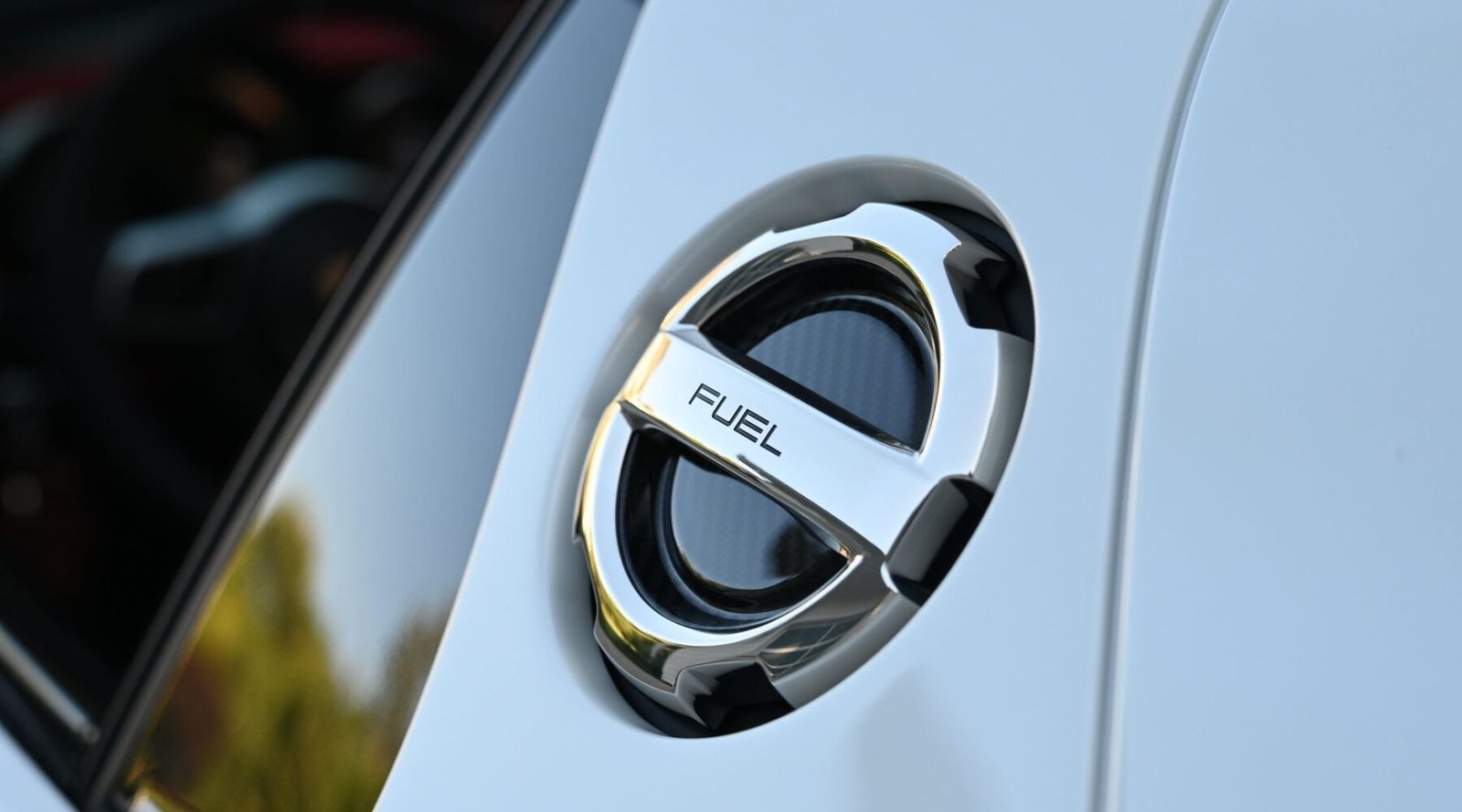
The gas cap light is a crucial indicator found on most modern vehicles, alerting drivers to potential issues within the fuel system. A seemingly minor problem, such as a loose gas cap, can trigger this warning light and lead to a cascade of complications if ignored. Understanding the gas cap light is essential for maintaining vehicle performance and ensuring fuel efficiency.
Key takeaways
- The gas cap light indicates potential fuel system issues.
- A loose or damaged gas cap can lead to decreased fuel efficiency.
- Ignoring the gas cap light may result in more serious engine problems.
What triggers the gas cap light?
The gas cap light can be triggered by multiple factors, with the most common being a loose or improperly sealed gas cap. When the gas cap is not tightened correctly, it can allow fuel vapors to escape, leading to increased emissions and reduced fuel efficiency. In some cases, a damaged gas cap may also be the culprit, which can lead to similar issues.
Common causes of the gas cap light
Aside from a loose gas cap, other factors can trigger the gas cap light. These include:
- Worn or damaged gas cap: Over time, the rubber seal on the gas cap can degrade, leading to leaks.
- Fuel system leaks: Issues within the fuel system, such as a cracked fuel line or a failing fuel pump, can also cause the gas cap light to illuminate.
- Evaporative emissions control system malfunction: This system is designed to prevent fuel vapors from escaping and can fail, triggering the gas cap light.
Understanding the implications of the gas cap light
Ignoring the gas cap light can have serious implications for your vehicle. If the gas cap is loose, you may experience decreased fuel efficiency due to fuel vapors escaping. This not only wastes fuel but can also lead to increased emissions, which can affect your vehicle’s compliance with environmental regulations.
Moreover, if the gas cap light is a symptom of a more significant issue, such as a fuel system leak or an evaporative emissions system failure, neglecting it can lead to costly repairs down the line. Therefore, it is advisable to address the gas cap light as soon as it appears.
How to troubleshoot the gas cap light
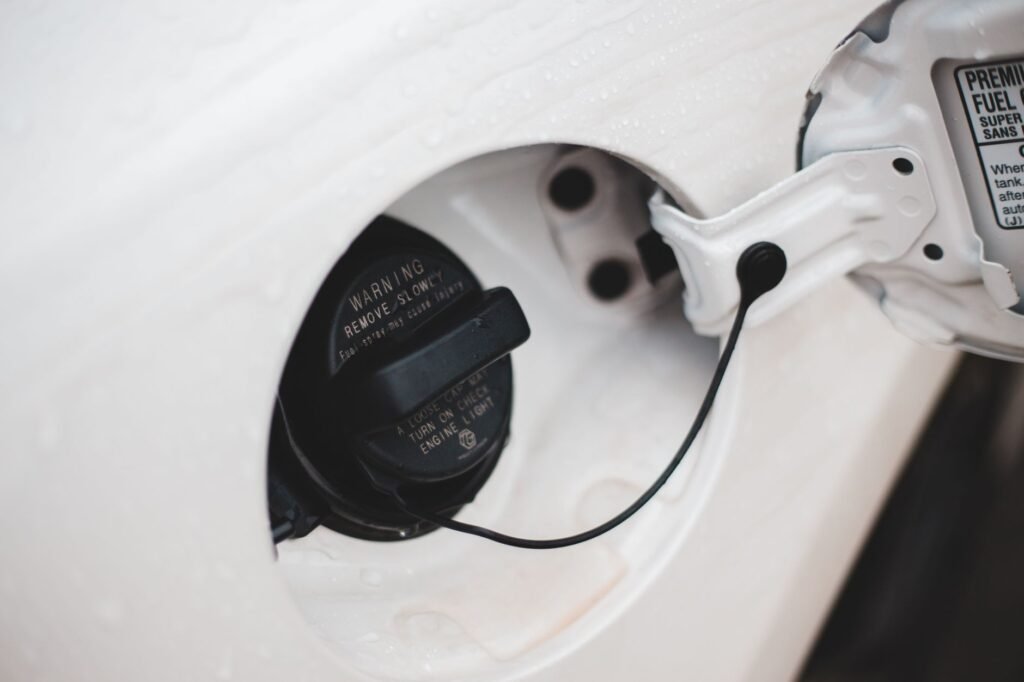
When the gas cap light comes on, the first step is to check the gas cap itself. Ensure that it is properly tightened. Many vehicles have a specific tightening procedure, often requiring a few clicks to ensure a secure fit. If the gas cap is in good condition but the light remains on, it may be necessary to perform further diagnostics.
Using an OBD-II scanner can help identify any trouble codes related to the fuel system. This device connects to the vehicle’s computer and can provide valuable information about what is causing the gas cap light to illuminate.
When to seek professional help
If tightening the gas cap does not resolve the issue, it may be time to consult a professional mechanic. A qualified technician can perform a thorough inspection of the fuel system, checking for leaks and diagnosing any underlying problems that could be affecting vehicle performance.
It’s essential to address these issues promptly to avoid more severe engine problems that can arise from neglecting the gas cap light. Regular maintenance and inspections can also help prevent these types of issues from occurring in the first place.

Preventive measures to avoid gas cap light issues
To minimize the chances of the gas cap light coming on, consider the following preventive measures:
- Regular inspections: Periodically check the gas cap for signs of wear or damage. Replace it if necessary.
- Proper tightening: Always ensure that the gas cap is tightened correctly after refueling.
- Fuel system maintenance: Have your fuel system inspected regularly as part of your vehicle’s maintenance routine.
The importance of addressing the gas cap light
Addressing the gas cap light promptly is essential for maintaining your vehicle’s health. Ignoring this warning can lead to decreased fuel efficiency and more significant issues related to the fuel system. Not only does this impact your wallet through increased fuel costs, but it can also affect your vehicle’s performance and longevity.
In addition, many states have stringent emissions regulations. A malfunctioning evaporative emissions system can result in failing an emissions test, which may hinder your ability to register your vehicle.
Conclusion
The gas cap light serves as a vital indicator of your vehicle’s fuel system health. By understanding what triggers this warning light and how to address it, you can help ensure optimal vehicle performance and prevent costly repairs in the future. Regular maintenance and immediate attention to warning lights are keys to keeping your vehicle running smoothly.

Common causes and effective troubleshooting for the gas cap light
The gas cap light is more than just a benign indicator; it serves as a gateway to understanding potential issues affecting your vehicle’s fuel system. While a loose or damaged gas cap is the most common reason for this light to illuminate, there are several other factors that drivers should be aware of. Knowing these can save time, money, and frustration.
One common cause is a faulty fuel pressure sensor. This component monitors the fuel system’s pressure and sends this information to the vehicle’s engine control unit (ECU). If the sensor malfunctions, it may incorrectly signal that the gas cap is loose or compromised, even when it is secure. In this scenario, the gas cap light will stay illuminated until the sensor is repaired or replaced, which often requires diagnostic tools to identify the issue accurately.
Another potential culprit could be a damaged or worn-out evaporative emissions control system (EVAP) component. The EVAP system is responsible for capturing fuel vapors from the tank and preventing them from escaping into the atmosphere. If there is a leak in this system, it can trigger the gas cap light. Common points of failure include the charcoal canister, which absorbs fuel vapors, and the various hoses and connections that link the EVAP system together. A thorough inspection of these components can often reveal hidden issues that contribute to the gas cap light being on.
“A faulty fuel pressure sensor may incorrectly signal that the gas cap is loose, keeping the light on even when the cap is secure.”
Moreover, the gas cap light can also indicate issues with the fuel system that are not directly related to the cap itself. For instance, a failing fuel pump can create pressure inconsistencies that affect the entire system. This can lead to a cascading effect where the ECU detects abnormal conditions and triggers the gas cap light as a warning. Regular maintenance checks are essential to catch these issues early. Replace fuel filters according to the manufacturer’s recommendations and ensure that the fuel system is inspected during routine servicing.
To troubleshoot these issues effectively, drivers should first check the gas cap to ensure it is tightened properly. If the light remains on, it may be worthwhile to reset the vehicle’s onboard diagnostics system. This can often be done by disconnecting the battery for a few minutes or using an OBD-II scanner, which can clear any stored error codes. If the light returns after resetting, it is advisable to take the vehicle to a professional mechanic for a comprehensive diagnosis. They will have access to specialized equipment that can pinpoint the exact cause of the problem.
Ultimately, understanding the broader implications of the gas cap light can lead to more informed decisions regarding vehicle care. Ignoring the light can lead to decreased fuel efficiency and potentially more significant engine problems down the road. By addressing the issue promptly and considering the various causes, drivers can maintain their vehicles in optimal condition and avoid unnecessary repair costs.
Fuel evaporation and its effects on engine performance
Many drivers may not realize that the gas cap light is not just a benign warning; it can signify deeper issues related to fuel evaporation and engine performance. Modern vehicles are equipped with advanced fuel systems designed to minimize evaporative emissions. When the gas cap is loose, damaged, or missing, it can lead to increased fuel evaporation, which not only impacts environmental standards but also affects your vehicle’s efficiency and performance.
Fuel evaporation occurs when gasoline is exposed to heat and air, leading to the formation of vapors that escape from the fuel system. This not only results in a loss of fuel but can also disrupt the air-fuel ratio that is critical for optimal engine operation. A faulty gas cap is often the culprit behind increased evaporation rates, potentially leading to reduced fuel economy. For instance, if your vehicle loses just one gallon of fuel per month due to evaporation, this could amount to over $100 lost annually, assuming an average fuel price of $4 per gallon. Furthermore, the engine’s fuel management system may struggle to compensate for the lost fuel, leading to rough idling and decreased acceleration.
Consider the case of a 2015 Honda Civic. A driver noticed the gas cap light illuminated on the dashboard but did not address it immediately. Over time, the vehicle began to experience decreased fuel efficiency and engine performance issues, prompting a visit to the mechanic. Upon inspection, it was found that the gas cap was cracked, allowing vapors to escape. Replacing the gas cap not only resolved the warning light but also restored the vehicle’s fuel efficiency, improving it from 28 miles per gallon to 33 miles per gallon.
“A loose or damaged gas cap can result in more than just a warning light; it can cost you money at the pump and impair your vehicle’s performance.”
In addition to the financial implications, there are also environmental consequences tied to fuel evaporation. The Environmental Protection Agency (EPA) has stringent regulations regarding evaporative emissions to combat air pollution. A faulty gas cap can lead to hydrocarbons escaping into the atmosphere, contributing to smog and other air quality issues. By ensuring that the gas cap is in good condition, drivers are not only protecting their wallets but also doing their part for the environment.
It’s worth noting that the gas cap light can also be triggered by issues unrelated to the cap itself. For instance, a malfunctioning fuel tank pressure sensor can send incorrect signals to the vehicle’s onboard diagnostics system, leading to an illuminated gas cap warning. In such cases, diagnostic testing is essential to pinpoint the exact cause.
For drivers looking to maintain optimal performance and avoid unnecessary costs, regular inspection of the gas cap should be part of routine vehicle maintenance. Check for signs of wear, such as cracks or damaged seals, and always ensure that the cap is tightened properly after refueling. If the gas cap light remains illuminated after addressing these issues, it may be time to consult a professional mechanic to explore further diagnostic options.
Exploring the impact of fuel economy and emissions standards
The gas cap light serves as a critical warning that should not be ignored, but understanding its broader implications can provide valuable insights into vehicle maintenance and environmental responsibility. A loose, damaged, or missing gas cap not only triggers the warning light on your dashboard but also has a cascading effect on fuel economy and emissions.
Modern vehicles are equipped with advanced fuel systems designed to minimize evaporative emissions, which contribute to air pollution. When the gas cap is not properly secured, fuel vapors escape into the atmosphere instead of being contained within the fuel system. This not only leads to wasted fuel—potentially costing the driver at the pump—but also increases the vehicle’s carbon footprint.
In fact, according to the U.S. Environmental Protection Agency (EPA), a faulty gas cap can result in a loss of 1% to 2% in fuel economy.
Consider a vehicle that typically achieves 25 miles per gallon (MPG). If the gas cap is not sealing properly, the effective MPG could drop to as low as 24.5 MPG, which may seem trivial but can add up significantly over time. For a driver covering 15,000 miles annually, this minor drop could equate to nearly 20 gallons of fuel wasted each year, costing approximately $60 at current fuel prices.
Moreover, the implications extend beyond personal finances. Automakers are increasingly held to stringent emissions standards, and a malfunctioning gas cap can lead to a vehicle failing to meet these requirements. If the check engine light is illuminated alongside the gas cap warning, the vehicle’s onboard diagnostics may indicate other issues, complicating the repair process and potentially leading to costly fixes.
In 2020, the EPA reported that transportation accounted for 29% of greenhouse gas emissions in the United States, underscoring the importance of maintaining vehicle efficiency.
For instance, a study conducted by the University of California, Davis, found that nearly 5% of all vehicles on the road experience evaporative emissions problems, primarily due to issues with the gas cap. This not only impacts the individual vehicle’s performance but contributes to a larger environmental issue, raising concerns about air quality and climate change.
To mitigate these impacts, vehicle owners can take proactive steps to ensure their gas caps are functioning correctly. Regularly inspecting the gas cap for cracks or wear, ensuring it clicks securely when closed, and replacing it if any damage is observed are simple measures that can enhance fuel economy and reduce emissions. Additionally, many states have initiated programs aimed at educating drivers about the importance of maintaining their vehicles’ evaporative systems, including the gas cap.
Regular maintenance and awareness can lead to better performance, lower fuel costs, and a more significant positive impact on the environment.
In conclusion, while the gas cap light may seem like a minor inconvenience, its implications are far-reaching. By understanding the relationship between a properly functioning gas cap and fuel efficiency, vehicle owners can make informed decisions that benefit both their wallets and the planet. Ignoring the gas cap light could lead to unnecessary expenses and contribute to broader environmental challenges. Therefore, taking it seriously is not just about avoiding a warning light; it is about being a responsible driver and steward of the environment.
Frequently asked questions
What does the gas cap light mean?
The gas cap light usually means there's an issue with the fuel system, often caused by a loose or damaged gas cap that can lead to fuel evaporation.
Can I drive with the gas cap light on?
While it's generally safe to drive with the gas cap light on for a short time, it's advisable to address the issue promptly to avoid further complications.
How do I fix the gas cap light?
To fix the gas cap light, first check if the gas cap is loose. Tighten it securely and see if the light turns off. If it remains on, further diagnostics may be needed.
The bottom line
The gas cap light is a vital indicator of vehicle health. Addressing it promptly can prevent further issues and maintain fuel efficiency.
Related reading: Understanding the starter switch in modern vehicles, and The premier electric vehicles engineered for cross-country highway travel. For an outside reference on this topic, see the Department of Energy's home charging guide.