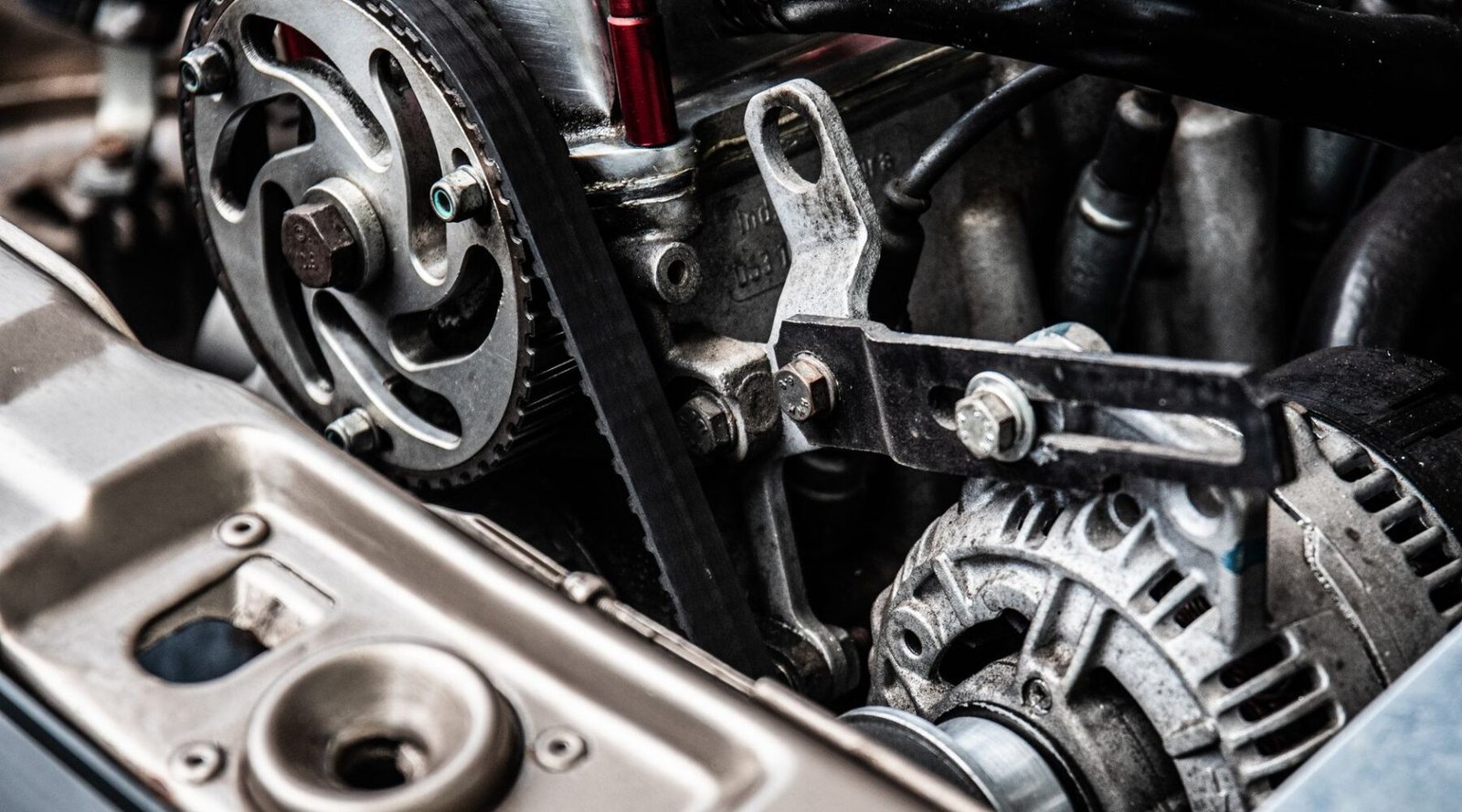
The AC belt is an essential component in the automotive air conditioning system that connects the engine’s crankshaft to the AC compressor. This belt plays a vital role in circulating refrigerant throughout the system, enabling the AC unit to function effectively. Without a properly functioning AC belt, the air conditioning system in your vehicle may not work, leading to discomfort during hot weather and potential long-term damage to other components.
Key takeaways
- The AC belt is crucial for the air conditioning system in vehicles.
- Regular inspection can prevent costly repairs and system failures.
- Signs of wear include squealing noises and poor air conditioning performance.
What is an AC belt?
The AC belt, also known as the serpentine belt in many modern vehicles, is a rubber belt that drives various accessories powered by the engine. While the primary function of the AC belt is to power the air conditioning compressor, it may also drive other components such as the alternator, power steering pump, and water pump, depending on the vehicle’s design. The belt runs around pulleys and is tensioned to ensure proper operation.
How does the AC belt work?
The AC belt operates by converting the engine’s rotational energy into mechanical energy that powers the AC compressor. When the engine runs, it turns the crankshaft, which in turn rotates the AC belt. This movement turns the compressor, allowing it to compress the refrigerant in the AC system. The compressed refrigerant then flows through the system, absorbing heat from the cabin and providing cool air inside the vehicle.
Signs of a failing AC belt
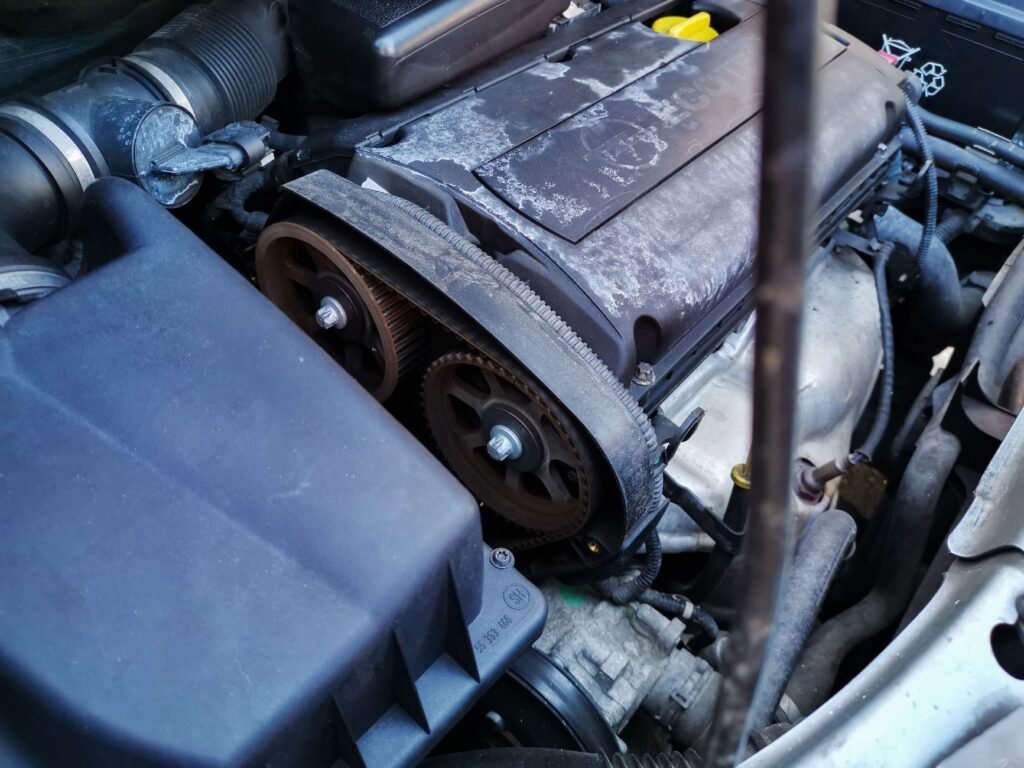
Recognizing the signs of a failing AC belt is crucial for maintaining the overall health of your vehicle’s air conditioning system. Common symptoms include:
- Squealing noises: A worn or damaged AC belt can produce a high-pitched squealing sound, especially when the AC is running.
- Reduced cooling performance: If the AC belt is slipping or damaged, the compressor may not function effectively, leading to poor cooling.
- Visible wear and tear: Inspect the belt for cracks, fraying, or signs of glazing, which indicate that it may need replacement.
Maintenance tips for the AC belt
To ensure the longevity and effectiveness of your AC belt, regular maintenance is essential. Here are some tips:
Regular inspections
Inspect the AC belt during routine vehicle maintenance. Look for signs of wear, such as cracks, fraying, or glazing. Pay attention to the tension of the belt; it should be snug but not overly tight.
Replace as needed
Follow your vehicle manufacturer’s recommendations regarding the replacement interval for the AC belt. Generally, belts should be replaced every 60,000 to 100,000 miles, but this can vary based on driving conditions and belt material.
Check the tension
Ensure that the AC belt is properly tensioned. A belt that is too loose may slip, causing poor AC performance, while a belt that is too tight can lead to premature wear on both the belt and the components it drives.
Common AC belt problems
Understanding common issues related to the AC belt can help you address problems before they escalate:
Worn-out belts
Over time, exposure to heat, moisture, and friction can cause the AC belt to wear out. Regular inspections can help identify when a belt needs to be replaced.
Misalignment
Improper alignment of the pulleys can cause the belt to wear unevenly or slip off. If you notice that the belt is consistently coming off, have the pulleys inspected and adjusted by a professional.
Pulley issues
Sometimes the problem lies with the pulleys rather than the belt itself. Worn or damaged pulleys can lead to belt failure. Inspect the pulleys for wear and replace them if necessary.
Upgrading your AC belt
When it comes to replacing your AC belt, consider upgrading to a high-performance option. Many aftermarket belts are designed to withstand higher temperatures and resist wear better than standard belts. They may also offer better grip, improving overall AC performance.
Conclusion
The AC belt is a small but crucial component of your vehicle’s air conditioning system. Proper maintenance and timely replacement can prevent discomfort during hot weather and ensure that your AC system runs smoothly. Regular inspections, attention to signs of wear, and understanding the function of the AC belt will help you keep your car’s climate control system in optimal condition. By prioritizing the care of your AC belt, you extend the life of your vehicle’s air conditioning system and maintain a comfortable driving experience.
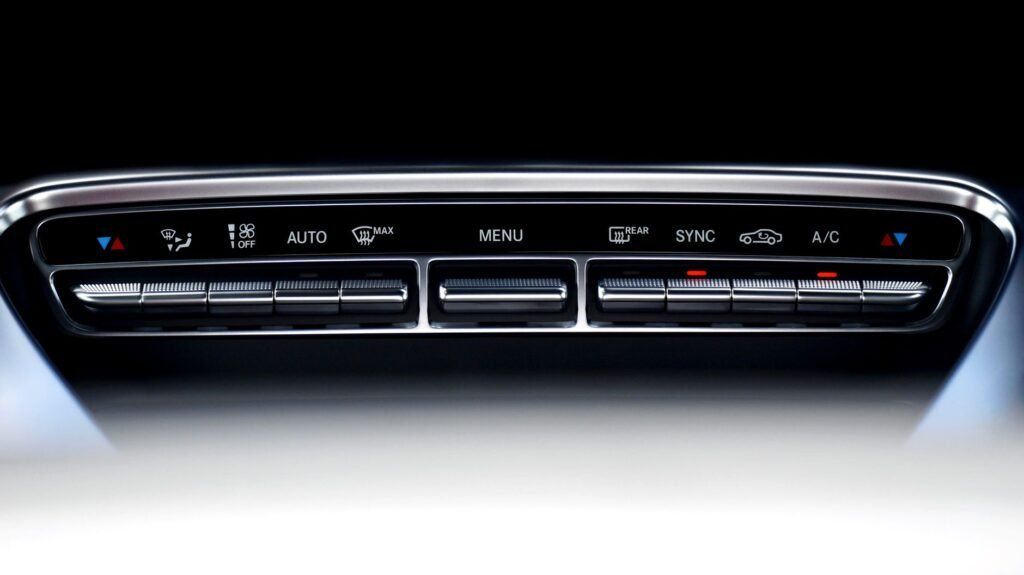
Exploring the importance of maintenance and diagnostics
The AC belt, a critical component in an automotive air conditioning system, experiences wear and tear over time. Regular maintenance and diagnostics play a pivotal role in ensuring its longevity and efficiency. Ignoring the state of the AC belt can lead to significant issues, including decreased cooling performance and potential damage to other components.
One of the most common problems associated with a worn AC belt is slippage. When the belt becomes loose or frayed, it can fail to engage the AC compressor effectively. This can result in inadequate cooling, particularly during peak summer months when the demand for air conditioning is highest. To prevent slippage, it is essential to check the tension of the belt regularly. Many manufacturers recommend inspecting the belt every 30,000 miles or during routine oil changes.
In addition to visual inspections, a sound check can be a useful diagnostic tool. A squealing noise when the AC is engaged typically indicates a worn or loose belt. Drivers should not dismiss these sounds; they often signify that the belt is nearing the end of its life cycle. Addressing this issue promptly can prevent further complications, such as damage to the AC compressor bearings, which can be costly to repair.
Another critical aspect of AC belt maintenance involves the use of a belt dressing or conditioner. While some automotive professionals debate its effectiveness, applying a conditioner can help to provide a temporary solution to prevent slippage and reduce noise. However, it is important to note that this should not be a substitute for a belt replacement if the belt shows significant wear.
“A proactive approach to AC belt maintenance not only enhances performance but also extends the life of the entire air conditioning system.”
To further enhance the understanding of the AC belt’s role, consider the broader implications of its failure. For instance, if the AC belt breaks entirely, it can lead to a complete loss of air conditioning functionality. In some vehicles, especially those with integrated systems, a broken AC belt can also affect the operation of the alternator or power steering, leading to a cascading effect on vehicle performance. Therefore, recognizing the signs of wear and performing timely replacements is crucial.
Vehicle owners should also be aware of the materials used in AC belts. Most modern vehicles utilize serpentine belts, which are designed to drive multiple accessories, including the AC compressor. These belts are typically made from reinforced rubber or synthetic materials. Understanding the material composition can guide owners in selecting the right replacement parts. For example, belts made from EPDM (ethylene propylene diene monomer) rubber offer better resistance to heat and ozone degradation, providing a longer lifespan compared to traditional rubber belts.
Lastly, it is important to reference the manufacturer’s specifications for both inspection and replacement intervals. Each vehicle may have unique requirements based on engine size, belt type, and overall design. Adhering to these specifications ensures optimal performance and can save drivers from unexpected breakdowns. In summary, maintaining the AC belt through regular inspections, timely replacements, and awareness of material choices is essential for sustaining vehicle performance and comfort.
Signs of AC belt wear and optimal maintenance practices
The air conditioning (AC) belt, often overlooked in routine vehicle inspections, plays a pivotal role in the effective operation of an automotive air conditioning system. Understanding the signs of wear and implementing proactive maintenance can significantly extend the life of this essential component and ensure that your vehicle’s climate control system operates efficiently.
One of the first indicators of AC belt wear is the presence of unusual noises emanating from the engine compartment. A squealing or chirping sound when the AC is engaged can suggest that the belt is slipping due to wear or improper tension. This noise often becomes more pronounced during acceleration or when the AC compressor kicks on, signaling that the belt may be losing grip on the pulleys. It is crucial to address these symptoms promptly, as neglecting them can lead to further damage to the belt and associated components.
Another telltale sign of a deteriorating AC belt is visible cracking or fraying. Rubber belts are susceptible to wear and tear from exposure to heat, oil, and environmental factors. Regularly inspecting the belt for surface cracks or signs of fraying can help catch potential issues before they escalate. If the belt appears dry or has visible signs of damage, it is advisable to replace it as soon as possible to prevent a complete failure.
In addition to visual inspections, checking the tension of the AC belt is a critical aspect of maintenance. An improperly tensioned belt can lead to slippage or excessive wear. Most vehicles are equipped with a tensioner that automatically adjusts the belt tension, but it is still important for owners to be aware of the tension settings specified in the vehicle’s service manual. If a manual adjustment is needed, it should be done with care to ensure that the belt maintains proper tension without being overly tight, as excessive tension can also lead to premature wear.
Timing is everything when it comes to belt replacement. Many manufacturers recommend inspecting the AC belt every 30,000 to 60,000 miles, but this interval can vary based on driving conditions and vehicle usage. For example, vehicles frequently driven in hot climates or those that are used for heavy towing may experience more rapid belt wear. Keeping a detailed maintenance log can help track when services were last performed, aiding in timely inspections and replacements.
“Preventive maintenance is always preferable to reactive repairs. Staying ahead of wear and tear on the AC belt can save drivers from costly repairs and uncomfortable situations during extreme weather conditions.”
Lastly, when replacing the AC belt, it is essential to use high-quality replacement parts that meet manufacturer specifications. This not only ensures compatibility but also enhances the longevity of the new belt. It is worth noting that some aftermarket belts may offer better performance characteristics, such as increased durability or noise reduction, but should always be chosen based on reliable performance reviews and compatibility with the vehicle model.
By understanding the signs of AC belt wear and adhering to optimal maintenance practices, vehicle owners can maintain their air conditioning systems effectively. This proactive approach not only prolongs the life of the AC belt but also enhances overall vehicle performance, ensuring a comfortable driving experience in all weather conditions.
Maintenance practices and signs of wear
The longevity and efficiency of the AC belt hinge on regular maintenance and an ability to recognize early signs of wear. A proactive approach not only ensures optimal performance but also prevents unexpected breakdowns that could lead to costly repairs.
One of the most effective maintenance practices is to routinely inspect the AC belt for signs of fraying, cracking, or glazing. A healthy belt should have a smooth surface and exhibit no visible signs of deterioration. If the belt appears shiny or has a glazed surface, it indicates that the belt is slipping, which can compromise the AC system’s efficiency. Regular inspections should ideally coincide with other routine vehicle maintenance, such as oil changes or tire rotations, to ensure that it becomes a standard part of vehicle care.
Another crucial element in maintaining the AC belt involves checking the tension. A loose belt can lead to slippage, which not only affects the AC’s cooling capacity but can also generate additional wear on the belt itself. Utilizing a tension gauge can provide precise readings, ensuring that the belt maintains optimal tension. If the tension is found to be lacking, it may be necessary to adjust the tensioner or replace the belt altogether.
In addition to visual inspections and tension checks, listening for unusual noises can also serve as an early warning system. A squeaking or chirping noise when the AC is engaged typically indicates that the belt is worn or that it may be misaligned. This not only affects the AC system but can also lead to further complications in other engine components if left unaddressed.
“Regular maintenance and keen observation can significantly extend the lifespan of your AC belt, ensuring both comfort and efficiency in your vehicle.”
When replacing the AC belt, it is essential to use the correct specifications. Different makes and models may require specific types of belts—some may be serpentine, while others could be V-belts. Referencing the vehicle’s manual or consulting with a professional can help in selecting the right belt. Additionally, using quality parts from reputable brands can prevent premature failures and ensure the belt can withstand the rigors of daily use.
Furthermore, environmental factors should not be overlooked. Extreme temperatures, exposure to oil, and debris can accelerate wear on the belt. In regions with harsh weather conditions, it may be prudent to check the AC belt more frequently to anticipate potential issues. For drivers who frequently navigate through dusty or rugged terrains, a protective cover for the belt or additional cleaning during maintenance checks can also be beneficial.
In conclusion, maintaining the AC belt goes beyond the simple act of replacement; it encompasses a holistic view of vehicle care. By incorporating routine inspections, tension checks, noise monitoring, and an understanding of environmental impacts, drivers can ensure that their AC systems operate efficiently and reliably. This not only enhances comfort during hot months but also contributes to the overall longevity of the vehicle’s engine components, making it a critical aspect of car maintenance.
Frequently asked questions
What is the function of the AC belt?
The AC belt connects the engine's crankshaft to the AC compressor, enabling it to circulate refrigerant and cool the cabin air. Without a functioning belt, the AC system cannot operate.
How often should the AC belt be replaced?
Typically, an AC belt should be inspected every 30,000 miles and replaced every 60,000 to 100,000 miles, depending on wear and vehicle manufacturer recommendations.
What are common signs of AC belt issues?
Common symptoms include unusual noises like squealing, reduced cooling efficiency, and a visible fray or crack on the belt. Addressing these early can save on repairs.
The bottom line
Proper maintenance of the AC belt is essential for vehicle comfort and efficiency. Regular checks can extend its lifespan and ensure optimal AC system performance.
Related reading: The best electric cars to buy this year, and How long does it take to charge an electric car. For an outside reference on this topic, see the Department of Energy's home charging guide.