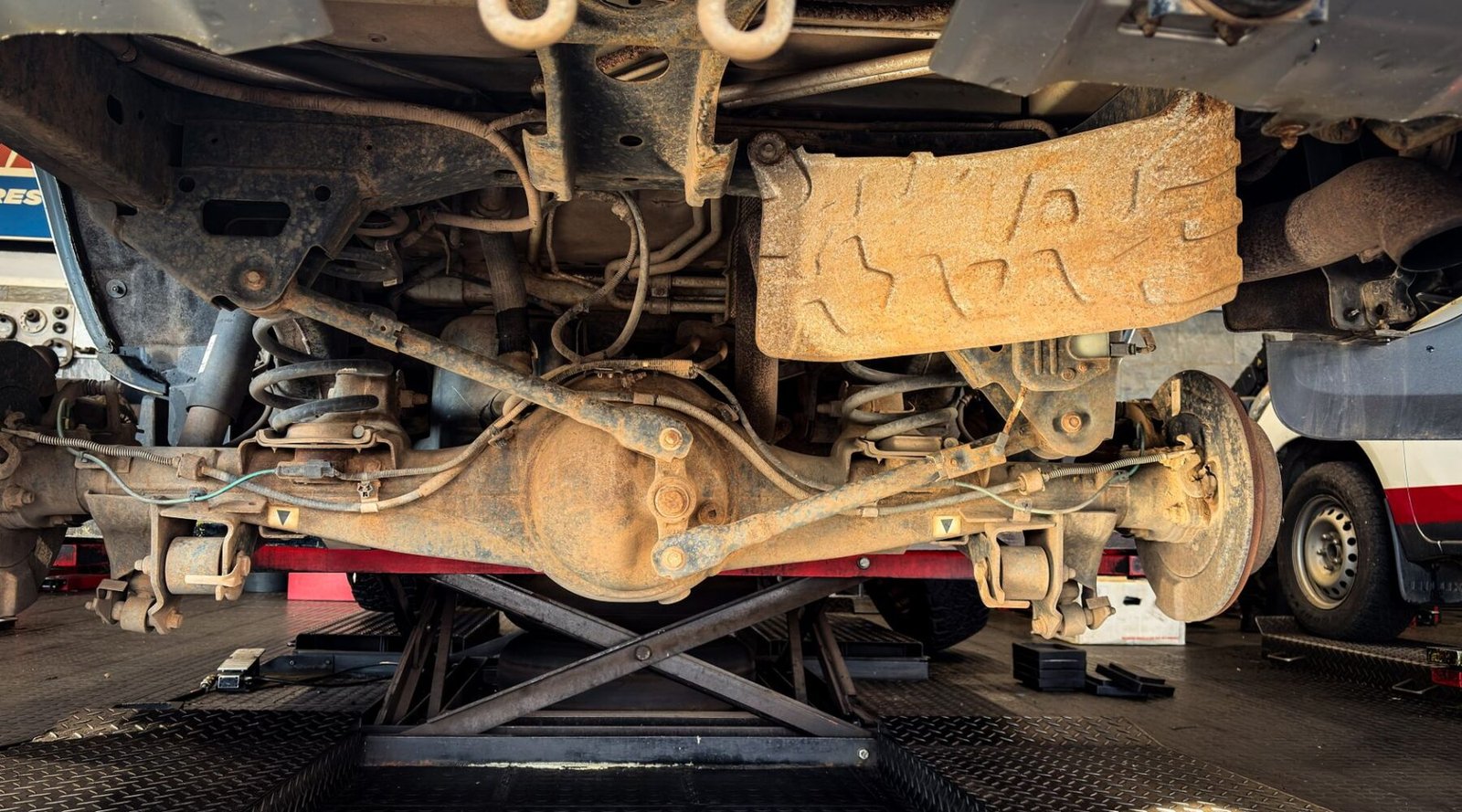
Leaf spring bushings play a vital role in vehicle suspension systems, serving as the connection points between the leaf springs and the chassis. These bushings are essential for allowing movement while absorbing shocks, contributing to overall ride comfort and handling. Understanding the function, types, and maintenance of leaf spring bushings is crucial for any vehicle owner or automotive enthusiast.
Key takeaways
- Leaf spring bushings are crucial for suspension performance.
- Different materials affect durability and ride quality.
- Regular maintenance can extend the life of bushings.
What are leaf spring bushings?
Leaf spring bushings are cylindrical components that fit into the eyes of leaf springs. Their primary purpose is to provide a pivot point for the leaf springs when they flex during driving. This flexibility is critical for the suspension system to work effectively, allowing the wheels to move independently over bumps and irregularities in the road surface.
These bushings are typically made from various materials, including rubber, polyurethane, and even nylon, depending on the application and desired performance characteristics. The choice of material can significantly impact ride quality, durability, and noise levels.
The importance of bushings in suspension
In a leaf spring suspension system, bushings are crucial for maintaining alignment and ensuring proper motion. When a vehicle encounters a bump, the leaf springs compress and expand, and the bushings allow this movement while reducing friction. Without proper bushings, the suspension would be rigid, resulting in a harsh ride and potential damage to other components.
Furthermore, bushings help isolate vibrations and noise from the road, contributing to a quieter cabin experience. They play a significant role in how a vehicle handles, especially during cornering or when carrying loads. Worn or damaged bushings can lead to instability and excessive body roll, which can compromise safety.

Types of leaf spring bushings
There are several types of leaf spring bushings available, each offering distinct advantages and disadvantages. Understanding these options can help vehicle owners make informed decisions regarding performance and comfort.
Rubber bushings
Rubber bushings are the most common type found in many vehicles. They are known for their excellent vibration-damping properties and provide a comfortable ride. However, rubber can degrade over time due to exposure to heat, oil, and other environmental factors. This degradation can lead to cracks and reduced effectiveness.
Polyurethane bushings
Polyurethane bushings are a popular upgrade for performance-oriented vehicles. They offer greater durability and resistance to wear compared to rubber. Polyurethane provides better handling characteristics and reduced deflection, which can enhance responsiveness during cornering. However, they may transmit more road noise and vibrations to the cabin.
Nylon bushings
Nylon bushings are less common but are used in specialized applications, particularly in racing or heavy-duty vehicles. They provide minimal friction and are extremely durable, but they can be harsh on ride quality. For off-road applications, nylon bushings can offer significant advantages due to their strength and resistance to impacts.
Signs of wear and when to replace bushings
Over time, leaf spring bushings can wear out due to constant movement and environmental exposure. Knowing the signs of wear can help you address issues before they lead to more significant problems. Common indicators include:
- Noise: Clunking or squeaking sounds when driving can indicate that the bushings are worn or damaged.
- Vibrations: Increased vibrations felt through the chassis can signal that the bushings are no longer effectively dampening movement.
- Harsh ride: If the ride becomes increasingly uncomfortable or harsh, it may be time to inspect the bushings.
- Visible damage: Cracks, splits, or deterioration of the bushing material is a clear sign that replacement is necessary.
Maintenance and care for leaf spring bushings
Regular maintenance of leaf spring bushings can significantly extend their lifespan and ensure optimal performance. Here are some tips for keeping your bushings in top condition:
Regular inspections
Routine inspections of the suspension system should include checking the condition of the leaf spring bushings. Look for signs of wear, such as cracks or separations. It is advisable to inspect the bushings during tire rotations or oil changes.
Proper lubrication
Some bushings, particularly those made from rubber or polyurethane, may benefit from periodic lubrication. Using the correct type of lubricant can reduce friction and prolong the life of the bushings. Always consult the vehicle’s service manual for recommendations on lubrication.
Environmental protection
Protecting bushings from harsh environmental conditions can help prevent premature wear. Regular cleaning and applying protective sprays can shield bushings from dirt and grime, particularly in off-road or harsh driving conditions.
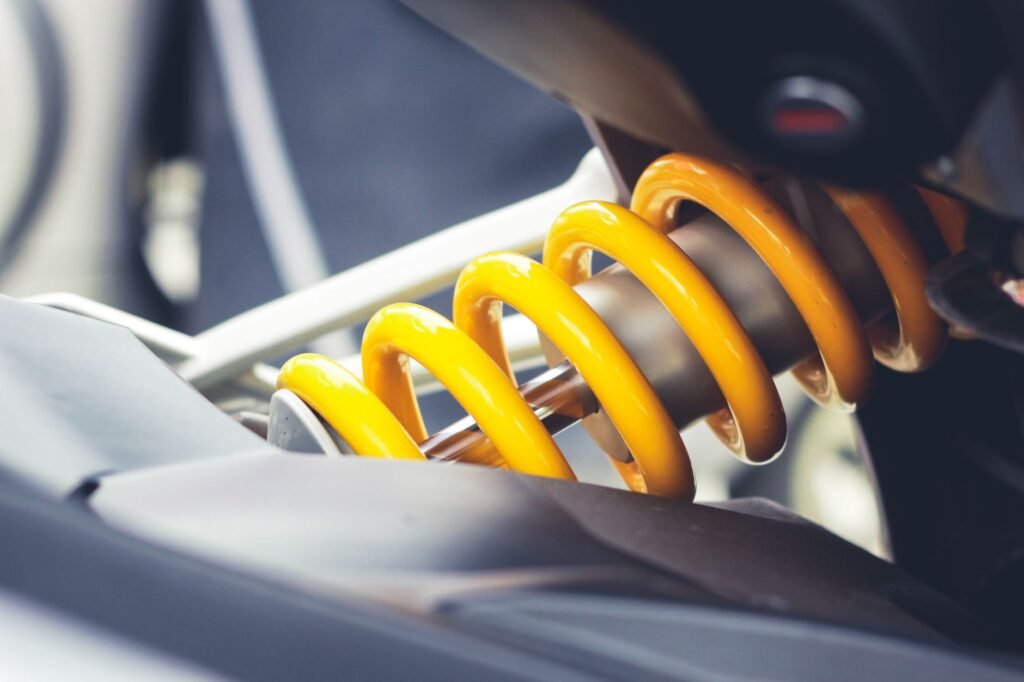
Installation and replacement of leaf spring bushings
Replacing leaf spring bushings is a task that can often be undertaken by DIY enthusiasts with the right tools and knowledge. Here’s a general overview of the process:
Tools required
Essential tools for replacing leaf spring bushings include:
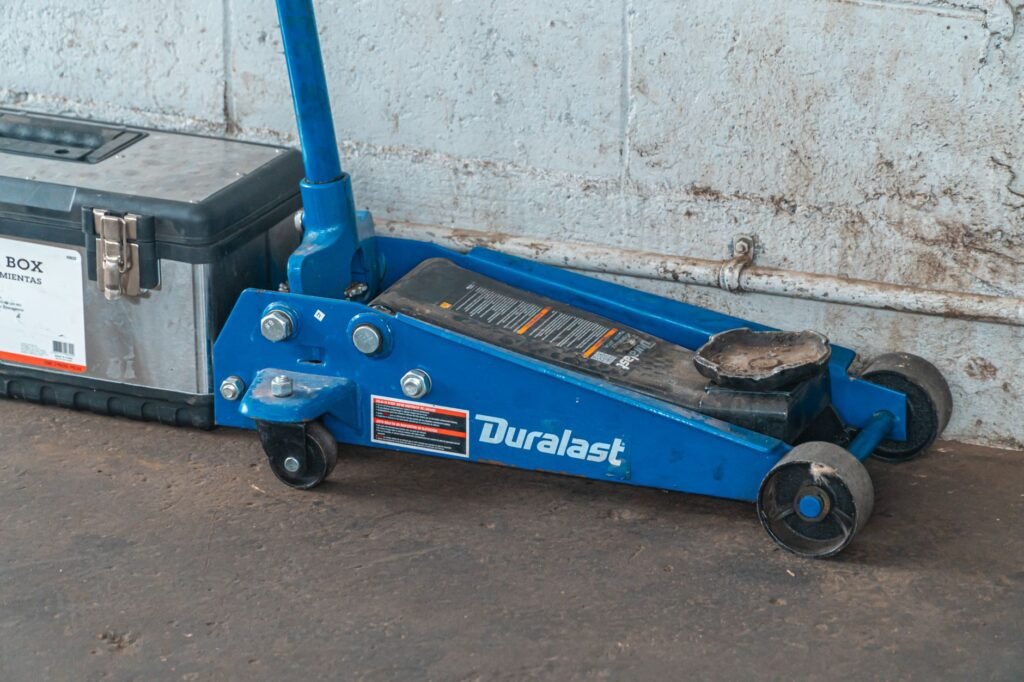
- Jack and jack stands
- Socket and wrench set
- Hammer or bushing removal tool
- Grease or lubricant
Step-by-step process
1. Begin by ensuring the vehicle is safely elevated and secured on jack stands.
2. Remove the leaf springs from the vehicle. This typically involves loosening and removing bolts connecting the springs to the chassis.
3. Once the springs are removed, use a bushing removal tool or a hammer to carefully remove the old bushings.
4. Clean the bushing seats on the leaf springs to remove any debris or old lubricant.
5. Install the new bushings by pressing them into place. Ensure they are properly aligned.
6. Reinstall the leaf springs and torque the bolts to the manufacturer’s specifications.
Impact of bushings on vehicle performance
The choice of leaf spring bushings can significantly influence a vehicle’s overall performance. Factors such as ride comfort, handling, and noise levels are all affected by the condition and material of the bushings. For example, a vehicle equipped with worn rubber bushings may experience excessive body roll and a rough ride, while polyurethane bushings can enhance cornering stability but may increase cabin noise.
Furthermore, bushings that are in good condition contribute to better alignment and suspension geometry, which is crucial for tire longevity and overall drivability. Understanding these aspects can help vehicle owners make informed decisions about upgrades and maintenance.
Conclusion: the critical role of leaf spring bushings
Leaf spring bushings are often overlooked components in vehicle suspension systems, yet their importance cannot be understated. They serve as the critical link between the leaf springs and the chassis, ensuring that the suspension operates smoothly and effectively. Regular maintenance and timely replacement of these bushings can lead to improved ride quality, enhanced handling, and increased safety on the road. By understanding the types of bushings available and the signs of wear, vehicle owners can make informed decisions that enhance their driving experience.
Material selection and its impact on performance
The choice of material for leaf spring bushings plays a critical role in vehicle performance, affecting not only ride quality but also durability and maintenance requirements. Traditionally, rubber has been the go-to material due to its excellent vibration-damping properties and cost-effectiveness. However, advancements in material science have introduced alternatives that can significantly enhance performance.
Polyurethane bushings, for example, have gained popularity in performance vehicles. They offer superior stiffness compared to rubber, which translates to better handling and responsiveness. This rigidity helps to maintain precise alignment of the leaf springs under load, thus improving cornering stability. Moreover, polyurethane is resistant to oil, grease, and other contaminants that can degrade rubber, leading to a longer lifespan under harsh conditions.
“Choosing the right material for bushings is not just about performance; it’s about ensuring the longevity of the entire suspension system.”
Another option that has emerged in the market is composite materials, which combine various polymers with reinforcements such as fiberglass. These bushings provide a balance between the softness of rubber and the stiffness of polyurethane, offering an optimal combination of ride comfort and handling performance. This is particularly beneficial in applications where vehicles encounter a mix of on-road and off-road conditions, as they can absorb impacts better than their stiffer counterparts while still providing a performance edge.
When selecting bushings, it is also essential to consider the specific application and conditions under which the vehicle will be used. For example, a truck designed for heavy hauling may benefit from the durability of a polyurethane bushing, while a sports car might prioritize handling precision and opt for a composite bushing. The environmental conditions also play a role; vehicles exposed to extreme temperatures or corrosive substances may require bushings designed to withstand such challenges.
“Performance-oriented vehicles should evaluate bushing material as part of their overall suspension tuning strategy.”
Furthermore, the manufacturing process of the bushings can influence their performance characteristics. For instance, bushings that are molded versus those that are extruded may exhibit different levels of consistency in density and material properties. High-quality, molded bushings typically provide better performance due to their uniform structure, reducing the likelihood of premature wear and failure.
Lastly, it is vital to consider the installation process. Properly installing bushings according to manufacturer specifications can drastically affect their performance. Incorrect installation can lead to misalignment, resulting in uneven wear and compromised handling. Investing in quality bushings and ensuring they are installed correctly can yield significant benefits in terms of vehicle performance and longevity.
In summary, while many focus on the dimensions and design of leaf spring bushings, the material selection is equally crucial in optimizing performance. By understanding the properties of various materials and their suitability for specific applications, vehicle owners can make informed decisions that enhance both handling and durability.
Exploring advanced materials and their impact on performance
In recent years, the automotive industry has seen significant advancements in the materials used for leaf spring bushings. Traditionally, rubber and polyurethane were the go-to materials, but today, manufacturers are increasingly turning to more advanced compounds like thermoplastic elastomers (TPEs) and composite materials. These innovations not only enhance performance but also improve durability and reduce maintenance needs.
Thermoplastic elastomers combine the flexibility of rubber with the processing advantages of plastics, making them an attractive alternative for bushings. One of the key benefits of TPEs is their ability to maintain performance across a wider temperature range compared to traditional materials. For example, in extreme cold conditions, rubber can become brittle, leading to cracking, while TPEs remain pliable and functional. This property is particularly advantageous for vehicles that operate in diverse climates, ensuring consistent performance regardless of environmental conditions.
Another advantage of TPE is its resistance to oils and chemicals, which can degrade rubber bushings over time. For off-road vehicles or trucks that frequently encounter harsh environments, TPE bushings can significantly reduce the risk of failure due to chemical exposure, thus extending the lifespan of the suspension system.
Composite materials are also gaining traction in the design of leaf spring bushings. By incorporating fibers such as carbon or fiberglass into the matrix, manufacturers can create bushings that not only withstand larger loads but also exhibit enhanced stiffness and reduced weight. These materials are particularly beneficial for performance-oriented vehicles where weight savings can contribute to improved handling and fuel efficiency.
For instance, the use of carbon fiber-reinforced composites in leaf spring bushings allows for a significant reduction in weight without compromising strength. This can lead to better overall vehicle dynamics, as lighter components contribute to a lower center of gravity and improved responsiveness during cornering. Furthermore, the enhanced stiffness of these composite bushings can reduce deflection during load, resulting in more precise control and a firmer ride quality.
“Using advanced materials like TPEs and composites can lead to better vehicle performance, reliability, and longevity, particularly in demanding driving conditions.”
Moreover, the evolution of manufacturing technologies, such as 3D printing, allows for more intricate designs that were previously unattainable with traditional manufacturing methods. This can lead to custom shapes and internal geometries that optimize the bushing’s performance characteristics. For example, a bushing designed with a variable density structure can offer different levels of stiffness in different areas, providing enhanced performance where it is most needed while maintaining comfort elsewhere.
It is essential for vehicle owners and performance enthusiasts to consider these advanced materials when upgrading or replacing leaf spring bushings. Selecting the right bushing material can not only improve ride quality and handling but also contribute to the longevity of the entire suspension system. As the industry continues to innovate, staying informed about these developments can empower vehicle owners to make choices that align with their specific performance needs.
Frequently asked questions
What are leaf spring bushings?
Leaf spring bushings are components located at the pivot points of leaf springs. They provide cushioning and allow for flexibility in the suspension system.
How do I know if my leaf spring bushings need replacement?
Signs of worn bushings include excessive noise, vibrations, and a harsh ride. Inspecting for cracks or deterioration can also indicate the need for replacement.
Can I replace leaf spring bushings myself?
Yes, replacing leaf spring bushings can be done at home with the right tools and knowledge. However, proper alignment and torque specifications are crucial for safety.
The bottom line
Understanding leaf spring bushings is essential for maintaining vehicle performance and safety. Regular checks and timely replacements can enhance ride quality significantly.
Related reading: What recent recalls reveal about car manufacturing quality, and Exploring the Honda XR100: The Quintessential Beginner’s Bike. For an outside reference on this topic, see Reuters' autos and transportation coverage.