Cruise control is a feature found in many modern vehicles, designed to maintain a consistent speed without the driver needing to keep their foot on the accelerator. But does cruise control save gas? The answer is not straightforward and depends on various factors, including driving conditions, vehicle type, and how cruise control is used.
Key takeaways
- Cruise control can improve fuel efficiency on highways.
- Maintaining a constant speed reduces fuel consumption.
- Driving conditions and vehicle type affect gas savings.
Understanding cruise control
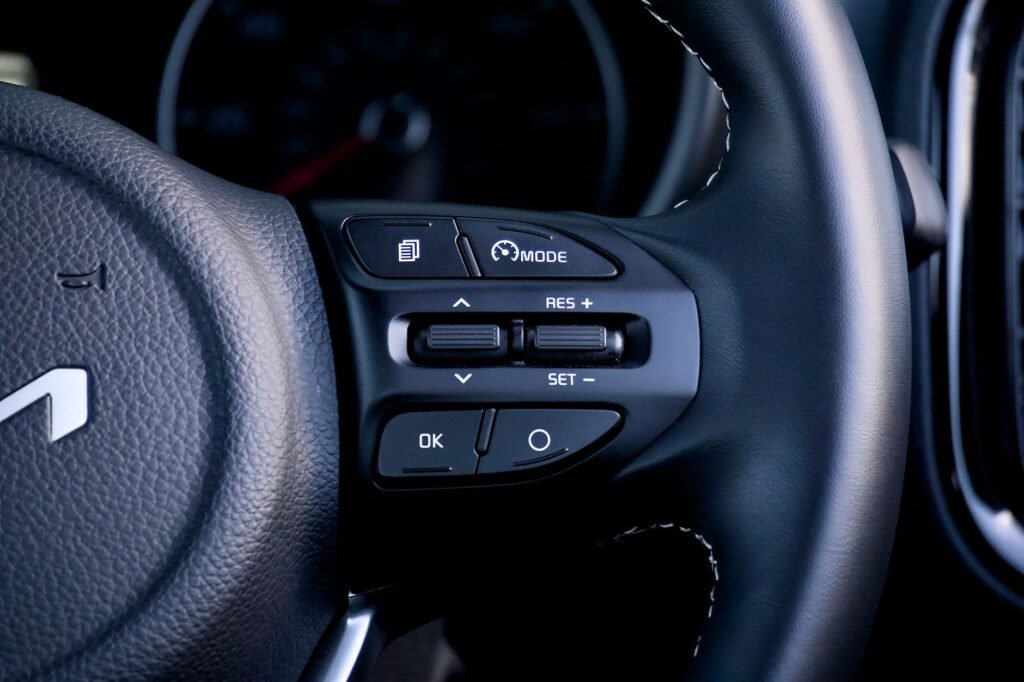
Cruise control was first introduced in the 1950s and has evolved over the decades. The basic function allows drivers to set a desired speed, and the system automatically accelerates or decelerates to maintain that speed. Advanced features like adaptive cruise control even adjust the vehicle’s speed based on the distance to the car ahead. This innovation not only provides comfort on long trips but also presents potential fuel-saving benefits.
Fuel efficiency fundamentals
Fuel efficiency is influenced by multiple factors, including speed, acceleration, and deceleration patterns. Generally, vehicles are most efficient at a specific speed, often around 45 to 65 mph for many models. At these speeds, the engine operates optimally, and aerodynamic drag is manageable. When driving without cruise control, frequent speed fluctuations can lead to increased fuel consumption as the engine works harder to accelerate from lower speeds.
The benefits of using cruise control on highways
Using cruise control on highways can lead to fuel savings by maintaining a steady speed. When drivers allow their speed to fluctuate, especially in highway environments, they may use more fuel than necessary. Studies have shown that using cruise control can improve fuel economy by 7% to 14%, depending on the conditions. The steady throttle input that cruise control provides minimizes the unnecessary acceleration and deceleration that contributes to wasted fuel.

When cruise control is less effective
While cruise control is advantageous on open highways, its effectiveness diminishes in certain scenarios. In hilly regions, for instance, cruise control may lead to increased fuel consumption. As the vehicle ascends a hill, the system may apply full throttle to maintain speed, leading to greater fuel usage. Additionally, in heavy traffic, where constant stopping and starting is required, cruise control is impractical and could lead to safety issues.
Driving habits and their impact on fuel savings
Driver behavior plays a significant role in fuel efficiency. Gentle acceleration and braking can enhance gas mileage, while aggressive driving can negate the benefits of using cruise control. Even with cruise control activated, rapid acceleration when overtaking or sudden braking can lead to increased fuel consumption. Therefore, a driver’s ability to use cruise control effectively is linked to their overall driving style.
Vehicle type and cruise control efficiency
The type of vehicle also influences how effective cruise control is at saving gas. Smaller, lighter vehicles typically achieve better fuel efficiency than larger SUVs or trucks. Additionally, hybrid and electric vehicles may show different patterns in fuel savings when using cruise control due to their unique powertrains. Understanding your vehicle’s characteristics can help you gauge how much fuel you could save with cruise control.
Technological advancements in cruise control
Modern vehicles come equipped with advanced cruise control systems that enhance fuel efficiency. Adaptive cruise control uses radar and cameras to monitor traffic conditions, adjusting speed automatically. This reduces the need for manual adjustments and can lead to enhanced fuel efficiency. Furthermore, some systems can even optimize deceleration for fuel-saving purposes, particularly in stop-and-go traffic scenarios.
Practical tips for maximizing fuel savings with cruise control
To maximize the fuel-saving benefits of cruise control, consider the following tips. First, use it primarily on long, straight stretches of highway where speed limits are consistent. Second, ensure your vehicle is well-maintained; a clean air filter and properly inflated tires can improve fuel efficiency. Lastly, avoid using cruise control in adverse weather conditions, such as rain or snow, where road traction may be compromised.
Conclusion: Is cruise control worth it?
In conclusion, cruise control does save gas under the right conditions. By maintaining a steady speed, it minimizes fuel consumption, especially on long highway trips. However, its effectiveness varies based on driving conditions, vehicle type, and driver habits. For optimal fuel savings, drivers should combine the use of cruise control with good driving practices and awareness of their vehicle’s capabilities.
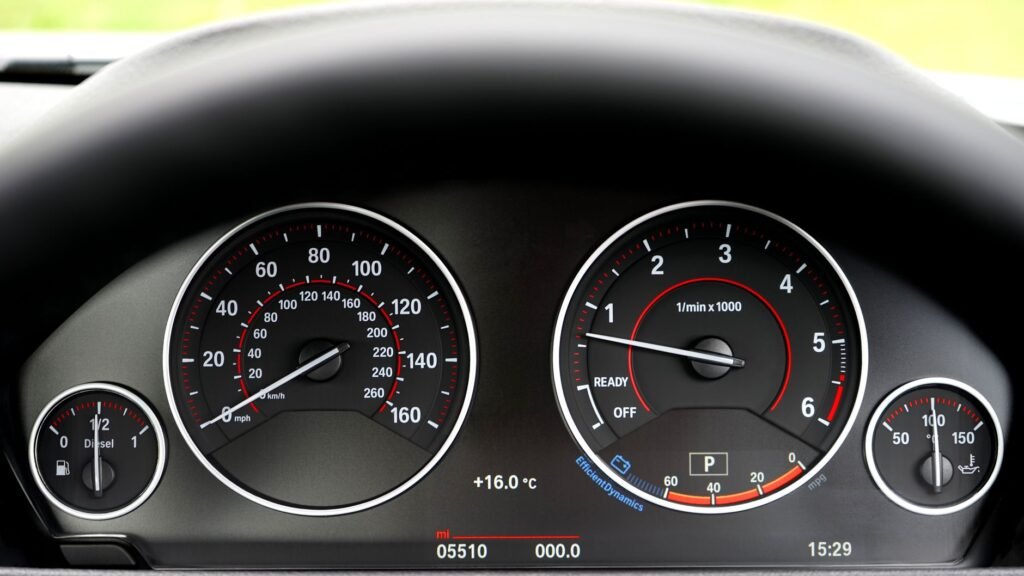
Exploring the impact of terrain on fuel efficiency
The effectiveness of cruise control in enhancing fuel efficiency is not solely dependent on the speed setting or the vehicle’s engine performance; it is also significantly influenced by the terrain on which the vehicle is operating. Understanding how different road conditions affect fuel consumption can offer deeper insights into maximizing the benefits of cruise control.
On flat highways, cruise control can lead to noticeable fuel savings. The system maintains a constant speed, minimizing the engine’s need to accelerate and decelerate, which is where fuel consumption often spikes. For instance, studies have shown that maintaining a steady speed of 55 mph can yield a 10 to 15 percent improvement in fuel economy compared to fluctuating speeds.
Conversely, when driving in hilly or mountainous terrain, cruise control can become less effective, and in some cases, it may even lead to increased fuel consumption. This is primarily due to the need for the vehicle to constantly adjust its speed to navigate inclines and declines. For example, when ascending a hill, the cruise control system will engage the throttle to maintain speed, which can cause the engine to work harder and consume more fuel. A study by the U.S. Department of Energy found that fuel efficiency can drop significantly, with vehicles consuming up to 30 percent more fuel when climbing steep grades.
“When driving in hilly terrain, it’s often more fuel-efficient to manually control your speed to avoid unnecessary throttle adjustments.”
In regions with varied topography, the advantages of cruise control can be further compromised. For instance, in areas with frequent hills, drivers might find that the fuel savings achieved on flat stretches are negated by the additional fuel consumed when the vehicle struggles to maintain speed on inclines. A practical approach for drivers in these conditions is to disengage the cruise control on steep grades and manage their speed manually, allowing for better fuel economy during descents and ascents.
Additionally, weather conditions can also play a role in how effective cruise control is in saving gas. On rainy or icy roads, maintaining a constant speed can be dangerous and may require frequent adjustments. In such cases, using cruise control can lead to erratic speed changes and potential loss of traction, ultimately impacting fuel efficiency.
Overall, while cruise control can be a valuable tool for improving fuel efficiency on certain types of terrain, it is not a one-size-fits-all solution. Drivers should consider their specific driving environments and adjust their use of cruise control accordingly. For instance, in regions with mixed terrain, a hybrid approach that combines cruise control with manual speed adjustments may yield the best fuel savings. By recognizing the influence of terrain and adapting driving habits, motorists can optimize their fuel economy and make more informed decisions about when to engage or disengage cruise control.
Understanding the impact of driving conditions on cruise control efficiency
While cruise control is widely recognized for its ability to maintain a steady speed, the actual fuel savings achieved can vary significantly depending on driving conditions. Factors such as terrain, traffic patterns, and vehicle type play crucial roles in determining whether using cruise control will indeed save gas.
For instance, on flat, open highways, cruise control can lead to substantial fuel savings. It maintains a constant speed, reducing the energy lost through constant acceleration and deceleration. Studies show that highway driving with cruise control can improve fuel efficiency by approximately 7% to 14% compared to driving without it. However, this efficiency benefit diminishes on hilly terrain. When driving uphill, the vehicle requires more power, and the cruise control may respond by increasing throttle to maintain speed, which can lead to higher fuel consumption.
Consider a typical scenario: a driver navigating a hilly route might find that engaging cruise control results in more fuel being consumed than if they had manually adjusted their speed according to the incline. The vehicle’s engine may work harder to maintain speed on inclines, leading to a decrease in overall fuel efficiency. Conversely, when descending, cruise control can help manage speed without excessive braking, which can save fuel. However, if the driver overrides the system to accelerate down a hill, this can negate potential savings.
“Understanding the terrain is key to maximizing fuel efficiency when using cruise control.”
Traffic conditions also significantly affect the effectiveness of cruise control. In stop-and-go traffic, using cruise control is impractical and can lead to increased fuel consumption as the system continuously accelerates and decelerates. In such situations, it is often more economical to drive manually, as drivers can make more nuanced decisions about speed and acceleration based on real-time traffic conditions.
Vehicle type further complicates the equation. Modern vehicles, particularly hybrids and electric cars, have sophisticated systems designed to optimize fuel efficiency. These cars may have more advanced cruise control systems that adjust power delivery and regenerative braking based on the terrain and driving conditions. Utilizing cruise control in these vehicles can sometimes lead to even greater fuel efficiency, especially in conjunction with their built-in energy management systems.
Additionally, the relationship between speed and fuel efficiency must be considered. Studies indicate that fuel economy decreases significantly at speeds above 55 mph. Therefore, using cruise control to maintain a speed at or below this threshold can enhance fuel savings. However, if the cruise control is set at higher speeds, the potential benefits can be quickly erased, making it crucial for drivers to be mindful of their cruising speed.
In conclusion, while cruise control can indeed save gas under the right conditions, understanding the nuances of driving terrain, traffic patterns, and vehicle technology is vital. Drivers should assess these factors before engaging cruise control to maximize their fuel efficiency. By doing so, they can ensure that they are not just driving comfortably but also economically.
The impact of terrain on fuel efficiency with cruise control
While cruise control is widely recognized for its ability to enhance fuel efficiency on highways and long drives, the effectiveness of this feature can vary significantly depending on the terrain. Understanding how different driving conditions influence fuel consumption can help drivers optimize their use of cruise control.
On flat, open highways, cruise control can lead to substantial fuel savings. By maintaining a steady speed, it minimizes the fuel consumption that typically occurs with frequent acceleration and deceleration. For example, a study conducted by the U.S. Department of Energy found that maintaining a constant speed can improve fuel efficiency by approximately 5 to 15 percent, especially at speeds between 55 and 65 mph.
However, the benefits of cruise control diminish considerably on hilly terrain. When driving uphill, cruise control can cause the engine to work harder, leading to increased fuel consumption. The system attempts to maintain speed by drawing more power, which can result in a drop in fuel efficiency. For instance, in a hilly area, a vehicle might consume 10 to 20 percent more fuel compared to driving without cruise control, as the engine compensates for the incline.
Conversely, when descending hills, cruise control can also lead to inefficiencies. If the system is set to maintain a certain speed, it may not reduce fuel consumption as effectively as allowing the driver to coast or use engine braking. This can lead to excessive speed and, in some cases, necessitate braking, which can further negate potential fuel savings.
To illustrate this point, consider a driver traveling through the Appalachian Mountains versus a driver on the flat plains of the Midwest. The former may find that using cruise control results in higher fuel consumption due to the frequent need for acceleration on inclines and the inability to effectively manage speed on declines. In contrast, the latter may enjoy consistent fuel savings by utilizing cruise control on straight, level stretches of road.
Additionally, hybrid and electric vehicles may demonstrate different responses to cruise control in varying terrains. These vehicles often have regenerative braking systems that can harness energy during deceleration. In hilly areas, a hybrid may benefit more from manual speed adjustments, allowing the driver to maximize the use of regenerative braking during downhill stretches.
“Understanding the terrain and adjusting driving habits accordingly can lead to more effective fuel savings, even when using cruise control.”
For drivers looking to optimize fuel efficiency while using cruise control, it is crucial to consider the terrain and adjust their approach accordingly. On flat, open roads, cruise control is an excellent tool for fuel savings. However, on hilly terrains, it may be advantageous to disengage the system and manually control speed to navigate inclines and declines more efficiently. By recognizing the relationship between terrain and fuel consumption, drivers can enhance their travel experience and maximize fuel efficiency.
Frequently asked questions
How does cruise control work?
Cruise control maintains a vehicle's speed without the driver needing to press the accelerator. It uses electronic sensors to adjust throttle input to keep the speed steady.
Does cruise control work in all driving conditions?
Cruise control is most effective on flat and open highways. It may not be as effective in hilly terrain or heavy traffic, where constant speed changes are required.
Are there any downsides to using cruise control?
While cruise control can save gas, it can also lead to less attentive driving. Drivers should remain vigilant and be prepared to take control of the vehicle at any moment.
The bottom line
Cruise control can save gas, particularly on long highway trips. However, its effectiveness varies based on driving conditions and vehicle type.
Related reading: Understanding the 300cc motorcycle segment, and New safety mandates are reshaping standard equipment and car ownership costs. For an outside reference on this topic, see Reuters' autos and transportation coverage.