The PCM car, with its intricate Powertrain Control Module, plays a vital role in modern automotive technology. Understanding how the PCM functions can enhance your appreciation for vehicle performance and efficiency.
Key takeaways
- The PCM is crucial for vehicle performance and efficiency.
- Modern PCM systems enhance vehicle diagnostics and troubleshooting.
- Understanding how a PCM operates can help in maintenance and repairs.
What is a PCM?
The Powertrain Control Module, or PCM, is an electronic component that manages both the engine and transmission in a vehicle. It collects data from various sensors throughout the car to optimize performance, emissions, and fuel efficiency. The PCM acts as the brain of the vehicle, making real-time adjustments to ensure everything operates smoothly.
The evolution of PCM technology
PCM technology has evolved significantly since its inception. Early versions were relatively simple, focusing on basic engine management functions. Today’s PCM systems are highly sophisticated, capable of managing complex interactions among numerous systems, including traction control, stability control, and even advanced driver-assistance systems (ADAS).
How the PCM works
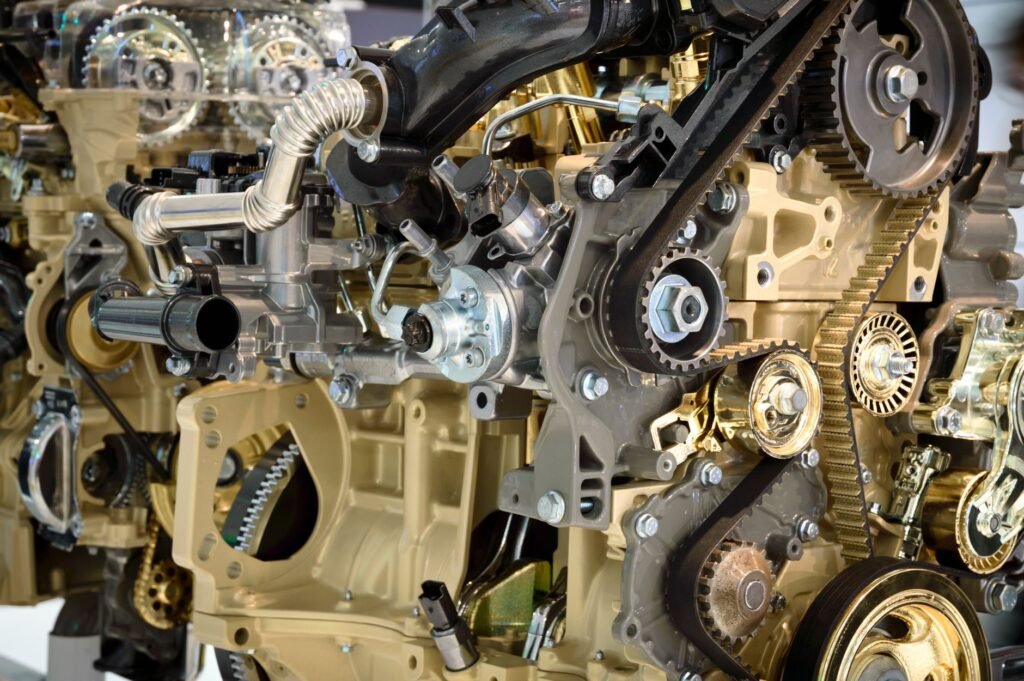
The PCM receives input from various sensors, including the mass airflow sensor, oxygen sensors, and throttle position sensor. Based on this data, it can adjust fuel injection, ignition timing, and transmission shifting to optimize performance. This real-time data processing allows for improved fuel economy and reduced emissions, making modern vehicles more environmentally friendly.
Benefits of a PCM car
Owning a PCM-equipped vehicle offers several advantages. First, improved fuel efficiency is one of the most notable benefits. The PCM ensures that the engine runs at optimal levels, which can lead to significant savings at the pump. Additionally, PCM systems support advanced diagnostics, allowing for easier troubleshooting and repairs. This can save time and money in the long run.
Diagnosis and troubleshooting
One of the most significant advancements in PCM technology is the ability to conduct self-diagnostics. The PCM can identify issues within the engine or transmission and trigger warning lights on the dashboard. Mechanics can then use specialized equipment to retrieve diagnostic trouble codes (DTCs) from the PCM, allowing for precise troubleshooting.
Common PCM issues
Like any electronic component, the PCM can develop problems. Common issues include software glitches, electrical failures, and sensor malfunctions. Symptoms of a failing PCM may include poor engine performance, erratic shifting, or failure to start. It is crucial to address these symptoms promptly to avoid more severe problems down the line.
Repairing or replacing a PCM
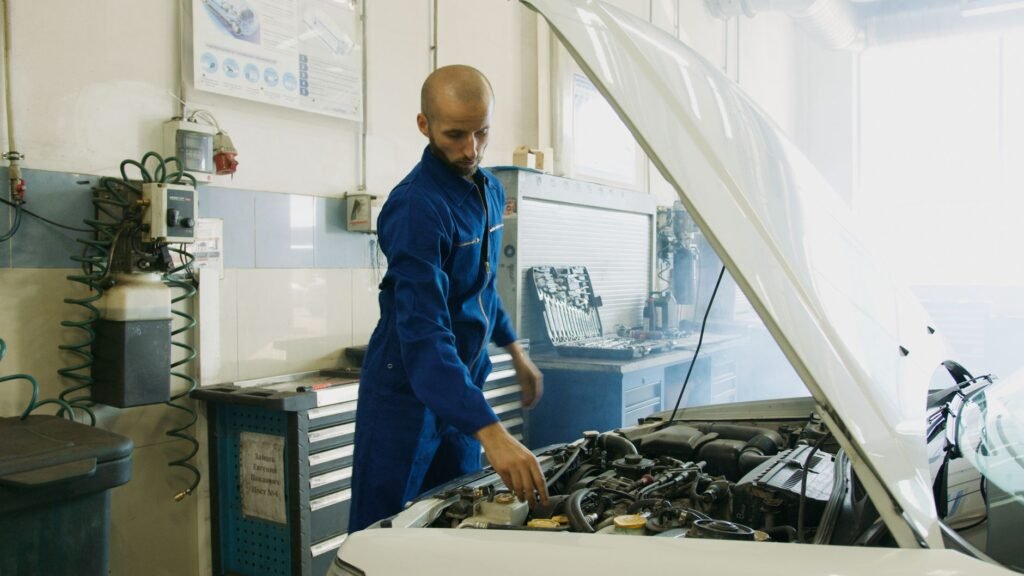
If a PCM malfunctions, it can often be repaired or replaced. However, diagnosing the problem accurately is critical. Mechanics may conduct tests to determine whether the issue lies with the PCM itself or with one of the sensors it relies on. In some cases, a simple software update can resolve issues, while other situations may necessitate a complete replacement.
Future of PCM technology
As automotive technology continues to advance, the role of the PCM will likely expand. Future developments may include enhanced connectivity features, allowing vehicles to communicate with each other and infrastructure. This could lead to improved safety and efficiency on the roads, as well as increased automation in vehicle systems.
Conclusion
A solid understanding of PCM cars is essential for anyone interested in modern automobiles. The Powertrain Control Module is a critical component that significantly impacts vehicle performance, efficiency, and safety. As technology continues to evolve, so too will the capabilities of PCM systems, making them an even more integral part of the driving experience.

The evolution of PCM technology in automotive engineering
Powertrain Control Module (PCM) technology has significantly evolved over the past few decades, fundamentally changing how vehicles operate. Initially, PCMs were rudimentary devices with limited processing power, primarily managing engine functions like fuel injection and ignition timing. As emissions regulations became more stringent, the role of PCMs expanded, necessitating more sophisticated systems capable of integrating various subsystems.
Modern PCMs are complex, multi-functional units that not only control engine functions but also interface with other critical vehicle systems such as transmission, anti-lock braking systems (ABS), and traction control. The integration of these systems enables vehicles to operate more efficiently and safely, enhancing overall performance. For instance, in hybrid and electric vehicles, the PCM plays a pivotal role in managing energy distribution between the electric motor and the internal combustion engine, optimizing fuel consumption while maximizing power output.
A notable example of advanced PCM technology is found in Tesla’s electric vehicles, where the PCM not only controls basic functions but also utilizes real-time data from numerous sensors. This allows for continuous adjustments to factors like battery usage and regenerative braking, tailoring the driving experience to the conditions and the driver’s habits. Such dynamic adjustments are a testament to how PCM technology has evolved from simple control units to sophisticated systems capable of enhancing vehicle performance and efficiency.
“The integration of modern PCM technology is not just about efficiency; it’s about creating a responsive driving experience that adapts to the driver’s needs and environmental conditions.”
Furthermore, the advent of connected vehicles has ushered in a new era for PCMs. With the ability to communicate with external networks, modern PCMs can receive over-the-air updates, allowing manufacturers to fine-tune vehicle performance and fix potential issues without requiring a visit to the dealership. This capability not only improves the longevity of vehicles but also enhances safety by ensuring that software remains current with the latest standards and regulations.
As automotive technology continues to progress towards full autonomy, the role of the PCM will become even more critical. Future vehicles will rely on PCMs to process vast amounts of data from an array of sensors and communicate with other vehicles and infrastructure. This shift will require PCMs to exhibit unprecedented levels of reliability and processing capabilities.
In summary, the evolution of PCM technology has dramatically transformed the automotive landscape. As vehicles become more integrated and reliant on advanced technology, the PCM stands at the forefront, playing a crucial role in maximizing performance, efficiency, and safety. Understanding this evolution not only highlights the importance of PCMs in contemporary automobiles but also sets the stage for anticipating future developments in automotive engineering.
Recent advancements in PCM technology
Powertrain Control Modules (PCM) have evolved significantly over the years, becoming more sophisticated with the incorporation of advanced technologies such as artificial intelligence (AI) and machine learning (ML). These enhancements are not merely incremental; they represent a paradigm shift in how vehicles operate, optimize performance, and adapt to driving conditions.
One of the most noteworthy advancements is the integration of AI algorithms into PCM systems, which allows for real-time data analysis and decision-making. For example, modern PCM units can monitor various parameters such as engine temperature, fuel mixture, and throttle position, and adjust settings dynamically to improve fuel efficiency and performance. This capability is particularly crucial in electric and hybrid vehicles, where energy management is vital for extending range and optimizing battery usage.
Moreover, the use of machine learning enables PCMs to learn driver behavior over time. For instance, a PCM can analyze how a driver accelerates, brakes, and navigates different terrains, allowing it to tailor engine responses and transmission mappings accordingly. This not only enhances the driving experience but also contributes to better fuel economy and reduced emissions.
“The integration of AI into PCM technology is redefining vehicle performance and driver engagement, making cars smarter and more responsive than ever before.”
Another area where PCM technology has made significant strides is in diagnostics and predictive maintenance. Modern PCM systems are equipped with advanced diagnostic capabilities that can detect potential issues before they become critical. This predictive maintenance feature helps in scheduling timely repairs and reducing downtime, ultimately leading to lower ownership costs and improved reliability. For example, if a PCM detects irregularities in the oxygen sensor readings, it can alert the driver via the onboard display, prompting a check before the issue escalates into a significant engine problem.
In addition, the rise of connectivity in vehicles has paved the way for remote diagnostics and updates. PCMs can now communicate with manufacturers and service centers, allowing for over-the-air updates that enhance functionality and fix bugs without requiring a visit to the dealership. This connectivity not only improves the vehicle’s performance but also increases the longevity of the PCM itself, as manufacturers can continually refine their software and algorithms based on real-world data.
As the automotive industry shifts towards electrification, the role of PCM technology will become even more pivotal. Electric vehicles (EVs) require intricate management of battery systems, regenerative braking, and power distribution—all of which rely heavily on advanced PCM functions. The ability of the PCM to manage energy flow efficiently will be critical in maximizing performance and range, particularly as battery technology continues to evolve.
In conclusion, the advancements in PCM technology are transforming the automotive landscape, making vehicles not only more efficient but also smarter and more responsive to the needs of drivers. As we look to the future, the focus on enhancing PCM capabilities will play a crucial role in shaping the next generation of vehicles, particularly in the context of electric mobility and sustainable transportation.
The future of PCM technology in automotive engineering
As we delve deeper into the intricacies of PCM (Powertrain Control Module) technology, it becomes evident that its evolution is not just a technical adaptation but a pivotal component in the future of automotive engineering. The integration of PCM systems has transformed the way vehicles operate, leading to increased efficiency, reduced emissions, and enhanced performance metrics. However, the future promises even more groundbreaking advancements that could redefine vehicular capabilities.
One of the most significant trends in PCM technology is the shift towards electrification. With the automotive industry rapidly transitioning to electric and hybrid vehicles, the role of the PCM is evolving. Today’s PCM units are not only responsible for traditional combustion engine management but are also adapting to handle complex battery management systems (BMS), energy recovery systems, and electric motor control. For instance, the Tesla Model S utilizes a sophisticated PCM that manages both its electric powertrain and regenerative braking, optimizing energy usage while enhancing driving performance.
Moreover, advancements in artificial intelligence (AI) and machine learning are set to revolutionize PCM functionality. Future PCM systems may leverage AI algorithms to analyze real-time data from various vehicle sensors, allowing for predictive maintenance and adaptive performance tuning. This could lead to a scenario where vehicles continuously learn from their driving patterns and environmental conditions, adjusting parameters such as throttle response and suspension settings on-the-fly for an optimal driving experience.
“The integration of AI with PCM technology will not only enhance performance but also significantly reduce vehicle downtime through proactive maintenance strategies.”
Another noteworthy development is the increasing emphasis on vehicle-to-everything (V2X) communication. Future PCM systems will likely incorporate V2X technology, enabling vehicles to communicate with each other and with infrastructure elements like traffic signals and road sensors. This interconnectivity can lead to improvements in traffic management, enhanced safety features, and a reduction in congestion, ultimately contributing to a more efficient transportation ecosystem. For example, imagine a situation where your car receives real-time traffic updates and adjusts its route automatically, optimizing fuel consumption and travel time.
Furthermore, the rise of over-the-air (OTA) updates is set to change the landscape of PCM software management. Manufacturers will increasingly be able to push updates remotely, enhancing vehicle performance and security without requiring a physical service visit. This capability not only extends the lifespan of PCM systems but also allows manufacturers to respond quickly to emerging issues or regulatory changes. A notable example is Ford’s use of OTA updates to improve their Sync infotainment system, showcasing how PCM technology can be enhanced post-purchase.
As we look ahead, the integration of renewable energy sources into PCM systems cannot be overlooked. With the growing adoption of solar and wind energy, future PCM technology may harness these renewable sources to charge electric vehicles or power auxiliary systems, further reducing reliance on traditional power grids. This aligns with the broader environmental goals of reducing carbon footprints and promoting sustainable driving practices.
In summary, the future of PCM technology is poised for exciting developments that will not only enhance vehicle performance but will also redefine the driving experience as we know it. By embracing electrification, AI, V2X communication, OTA capabilities, and renewable energy integration, the automotive industry is set to embark on a transformative journey that will shape the way we interact with our vehicles and the environment.
Frequently asked questions
What does PCM stand for in automotive terms?
PCM stands for Powertrain Control Module, which manages various engine and transmission functions in a vehicle.
How does the PCM improve vehicle performance?
The PCM optimizes fuel efficiency, reduces emissions, and enhances overall vehicle performance by controlling engine functions.
Can a PCM be repaired or replaced?
Yes, a PCM can be repaired or replaced if it malfunctions. However, it's essential to diagnose the issue accurately before proceeding.
The bottom line
Understanding PCM cars is essential for both enthusiasts and everyday drivers. This technology significantly impacts vehicle efficiency and performance.
Related reading: Honda Mini Trail: A classic motorcycle reimagined, and The most complete affordable cars on the market today. For an outside reference on this topic, see the EPA's official fuel economy database.