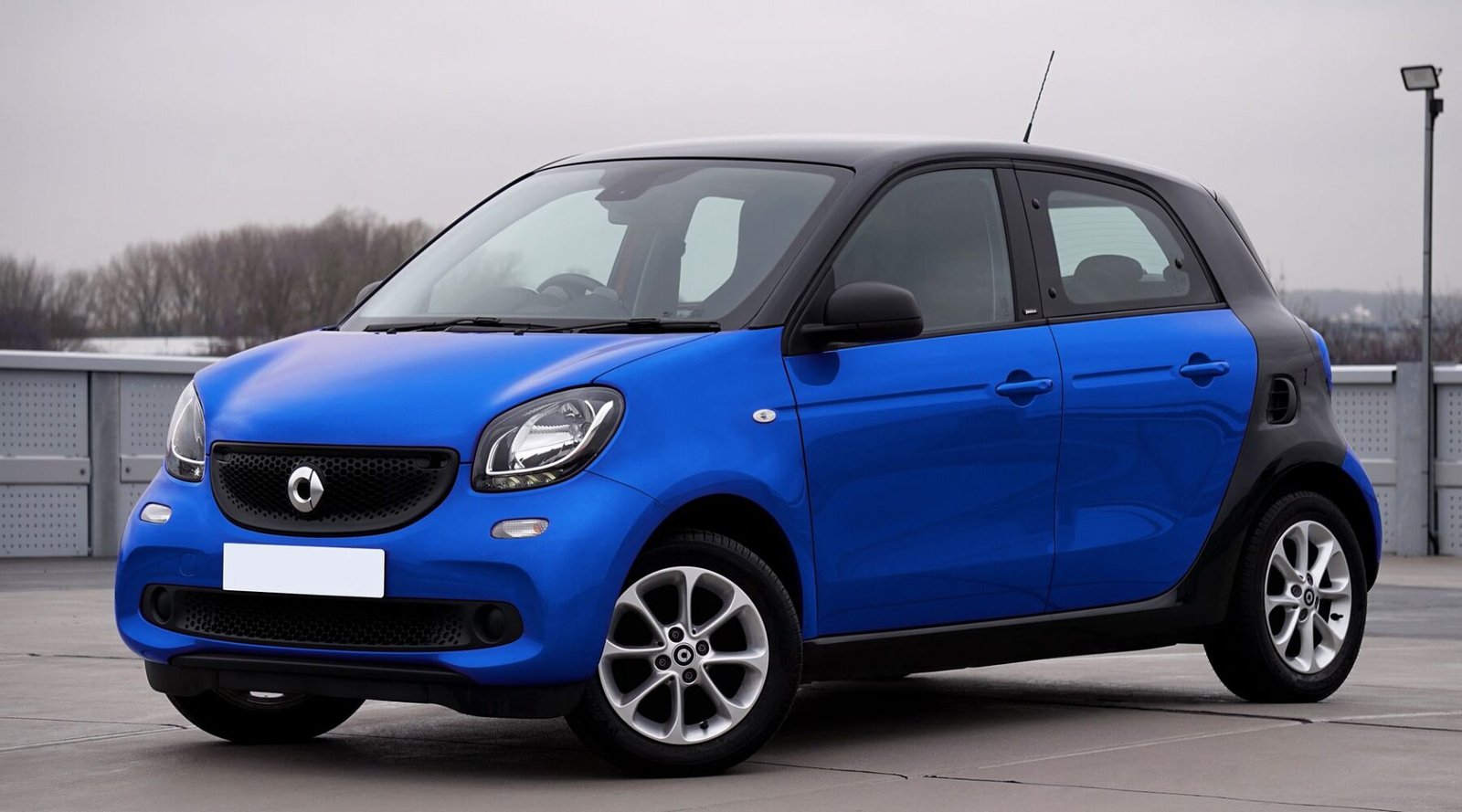
Rising transaction prices have reshaped the new vehicle market over the past three years. The average price of a new vehicle now hovers near fifty thousand dollars, pushing many buyers toward the used car market. However, a select group of compact sedans and hatchbacks continues to deliver exceptional engineering, robust safety suites, and long-term reliability for less than twenty-eight thousand dollars. Modern entry-level vehicles no longer force driver compromises in chassis stiffness, interior ergonomics, or active driver-assistance systems.
Honda Civic: The benchmark for compact versatility
The eleventh-generation Honda Civic remains the measuring stick for the compact segment. Available in both sedan and hatchback body styles, the Civic balances crisp steering response with a compliant ride that rivals vehicles in higher price brackets. The base 2.0-liter four-cylinder engine produces 150 horsepower, paired with a continuously variable transmission calibrated to mimic traditional gear shifts under hard acceleration. For buyers seeking additional output, the 1.5-liter turbocharged engine delivers 180 horsepower without significantly compromising fuel efficiency.
Inside, the Civic features a clean horizontal dashboard layout with metallic honeycomb trim concealing the air vents. Physical controls remain for primary climate functions, avoiding the touchscreen clutter that plagues competitors. Front visibility is exceptional due to low beltlines and thin A-pillars. Standard equipment includes Honda Sensing, a suite that integrates adaptive cruise control, lane-keeping assist, and automated emergency braking into even the lowest trim levels.
Mazda 3: Premium execution on an entry budget
For buyers prioritizing cabin quietness and tactile feedback, the Mazda 3 offers an experience that closely mirrors premium German marques. Available as a sedan or hatchback, the Mazda 3 skips complex dual-clutch transmissions and small-displacement turbo engines in favor of a proven 2.5-liter naturally aspirated four-cylinder making 191 horsepower. It routes power through a traditional six-speed automatic transmission, providing direct shift feel and predictable engine braking.
The interior architecture sets the class standard. Soft-touch materials cover the dashboard and door panels, while the infotainment screen is controlled via a rotary dial on the center console to minimize driver distraction. Sound insulation is extensive, isolating road noise better than nearly anything else at its price point. The trade-off comes in rear-seat legroom and cargo volume, which fall behind the Civic, making the Mazda 3 best suited for singles or couples rather than growing families.
Toyota Corolla: Unmatched mechanical reliability
The Toyota Corolla maintains its position as the pragmatic choice for budget-conscious buyers. Powered by a standard 2.0-liter engine generating 169 horsepower, the Corolla delivers smooth, predictable power delivery. For those aiming to minimize fuel expenditures, the Corolla Hybrid pairs an electric motor with a 1.8-liter engine to achieve an EPA-estimated combined 50 miles per gallon, while remaining comfortably under twenty-six thousand dollars.
Toyota equips every Corolla with Safety Sense 3.0, incorporating proactive driving assist and enhanced pedestrian detection. While its interior design lacks the artistic flair of the Mazda or the spatial intelligence of the Honda, the Corolla excels in structural durability, cheap maintenance schedules, and resale retention. It remains a rational purchase that minimizes ownership risk over a ten-year horizon.
Choosing an affordable vehicle no longer requires settling for crude platforms. The best compacts offer dynamic competence that makes expensive luxury alternatives look unnecessary for daily driving.
Securing value in today’s car market requires focusing on fundamental engineering rather than flashy touchscreens. The Civic, Mazda 3, and Corolla prove that well-tuned suspension geometry, efficient powertrains, and thoughtful cabin design remain available at reasonable price points.
Advanced safety features in budget vehicles
As the automotive market evolves, safety is no longer a luxury feature reserved for high-end models. Many affordable cars now offer advanced safety technologies that enhance both driver and passenger protection. Understanding these features can help buyers make informed decisions about their next vehicle purchase.
One key safety advancement is the inclusion of driver assistance systems. For example, the 2023 Honda Civic comes equipped with Honda Sensing, a suite of features that includes adaptive cruise control, lane-keeping assist, and collision mitigation braking. These systems work together to reduce the risk of accidents, making the Civic not only a reliable choice but also a safer one.
Another notable example is the 2023 Toyota Corolla, which offers Toyota Safety Sense as standard across all trims. This package includes pre-collision systems, pedestrian detection, and lane departure alert. The Corolla’s safety features have contributed to its strong ratings in crash tests, ensuring peace of mind for drivers and passengers alike.
Additionally, many affordable vehicles are now incorporating rearview cameras and parking sensors. The 2023 Hyundai Elantra, for instance, features a standard rearview camera with dynamic guidelines, making it easier for drivers to navigate tight spaces. This is particularly beneficial for new drivers or those unfamiliar with larger vehicles.
Moreover, enhanced visibility is a growing focus in budget cars. The 2023 Kia Forte includes standard LED headlights and available high beam assist, which automatically switches between low and high beams based on surrounding traffic. Improved lighting not only aids in nighttime driving but also enhances overall safety by increasing visibility in various weather conditions.
In addition to these features, the integration of advanced materials and structural design plays a vital role in vehicle safety. The 2023 Mazda3 employs a robust chassis and crumple zones designed to absorb impact energy, providing an additional layer of protection in the event of a collision. This kind of engineering is typically found in higher-end models but is now being utilized in more affordable options.
Furthermore, many manufacturers are focusing on child safety, making it easier for families to ensure the protection of their youngest passengers. The 2023 Subaru Impreza includes easy-to-use LATCH anchors for child seats, along with rear door child safety locks, making it a family-friendly choice that doesn’t compromise on safety.
As consumers increasingly prioritize safety alongside affordability, the automotive industry is responding with more budget-friendly options that do not skimp on essential protective features. This shift reflects a broader trend towards making advanced safety technology accessible to all drivers, regardless of their budget.
“Safety is paramount, and today’s affordable cars are proving that you don’t have to spend a fortune to drive a vehicle equipped with essential safety technologies.”
In conclusion, when considering an affordable vehicle, it is crucial to evaluate the available safety features. Advanced driver assistance systems, improved visibility, and enhanced structural integrity are becoming standard in many budget cars, providing buyers with options that prioritize safety without sacrificing affordability. By choosing a car equipped with these technologies, consumers can enjoy greater peace of mind on the road.
Evaluating technology’s role in enhancing affordability
In the quest for the most complete affordable cars, technology plays a pivotal role not just in enhancing vehicle performance and safety but also in driving down ownership costs. As manufacturers integrate advanced tech features into budget-friendly models, the overall value proposition for consumers improves significantly. This section examines how technology is redefining affordability in the automotive sector.
One notable example is the growing prevalence of hybrid and electric vehicles (EVs) in the affordable segment. Cars like the Toyota Prius and the Hyundai Kona Electric offer significant savings on fuel, reducing long-term costs for drivers. The initial price point may be higher than traditional combustion engines, but the total cost of ownership, including fuel savings and tax incentives, often favors these environmentally friendly options. For instance, the 2023 Hyundai Kona Electric starts at approximately $34,000, yet the savings in fuel and maintenance can offset this cost over time.
Moreover, advancements in manufacturing technology, such as 3D printing and modular design, have enabled automakers to produce vehicles more efficiently. Companies like Volkswagen and Ford are increasingly adopting these practices, which allow them to reduce production costs and pass savings on to consumers. This shift means that buyers can access cars with superior build quality and features without the corresponding price increase typically associated with higher-end models.
In-car technology also contributes to affordability in unexpected ways. Infotainment systems equipped with smartphone integration and navigation can reduce the need for costly add-ons or aftermarket installations. The 2023 Kia Forte, for instance, comes standard with an 8-inch touchscreen and Apple CarPlay/Android Auto compatibility, offering drivers essential connectivity without the added expense. This not only enhances user experience but also ensures that drivers can access navigation and communication tools without needing to purchase separate devices.
Furthermore, safety technologies that were once exclusive to luxury models are now standard in many affordable vehicles. Features like automatic emergency braking, lane-keeping assist, and adaptive cruise control are becoming commonplace. The 2023 Honda Civic exemplifies this trend, with Honda Sensing technology included across all trim levels. By improving safety, these features can lead to lower insurance premiums, further enhancing affordability for the consumer.
Another angle is the role of subscription services and flexible ownership models. Companies like Canoo and Zipcar are pioneering alternatives to traditional car ownership, allowing consumers to access vehicles without the long-term commitment of purchasing. This flexibility can be particularly appealing to younger buyers or urban dwellers who may not need a vehicle year-round. As these services become more mainstream, they may redefine what affordability means in relation to car ownership.
In conclusion, the intersection of technology and affordability is reshaping the automotive landscape. As consumers become more discerning, understanding how technological advancements can lead to cost savings is essential. The most complete affordable cars on the market today not only meet basic needs but also leverage innovative technologies to enhance overall value.
Integrating advanced technology and safety features
In today’s automotive market, affordability extends beyond just the purchase price of a vehicle. Modern consumers increasingly prioritize technology and safety features when considering their options. This shift has prompted manufacturers to incorporate advanced technology into their more budget-friendly models, making them not only more desirable but also safer. Here, we explore how specific features and innovations enhance both value and safety in affordable vehicles.
One standout example is the integration of advanced driver-assistance systems (ADAS) in vehicles that traditionally might lack such features. Models like the Hyundai Elantra and Toyota Corolla have recently included features such as adaptive cruise control, lane-keeping assist, and automatic emergency braking as standard equipment. These technologies, once reserved for luxury vehicles, are now accessible in models that start under $25,000, providing drivers with an added layer of security.
Additionally, infotainment systems have seen a significant upgrade in affordable cars. For instance, the Kia Forte comes equipped with an intuitive touchscreen interface that supports Apple CarPlay and Android Auto. This feature allows drivers to easily access navigation, music, and communication apps, ensuring they remain connected without compromising safety. As more drivers rely on their vehicles for daily commutes, the ability to seamlessly integrate their smartphones into their cars becomes invaluable.
Moreover, the importance of connectivity extends to vehicle maintenance as well. The Ford Maverick, for example, offers a built-in FordPass app that allows owners to remotely monitor their vehicle’s health, schedule maintenance, and even locate their car in a crowded parking lot. This level of connectedness not only adds convenience but also empowers owners to take proactive measures in maintaining their vehicles, ultimately enhancing their longevity and performance.
“Safety features and technology enhancements have become essential for buyers seeking value in their vehicles. It’s no longer just about the price; it’s also about what you get for that price.”
Another critical area where affordable cars are making strides is in their safety ratings. The Insurance Institute for Highway Safety (IIHS) and the National Highway Traffic Safety Administration (NHTSA) have rigorous testing protocols, and many budget-friendly models are scoring impressively. For instance, the Honda Civic has consistently earned high marks in crash tests, making it a solid choice for safety-conscious buyers. With improved structural integrity, multiple airbags, and cutting-edge safety technology, these vehicles provide peace of mind without breaking the bank.
Furthermore, the push for electric and hybrid vehicles is also impacting the affordable segment. The Toyota Prius offers a well-rounded package that includes fuel efficiency, advanced safety features, and a spacious interior—all at a competitive price point. As the market continues to expand, more manufacturers are expected to enter the affordable electric vehicle segment, providing consumers with greener options that do not compromise on features or safety.
Ultimately, the landscape of affordable cars is rapidly evolving. Manufacturers are responding to consumer demands by integrating features that enhance safety, connectivity, and overall driving experience. For buyers, this means that choosing an affordable vehicle today provides far more value than it did in the past, making it easier to find a car that meets their needs without sacrificing quality or performance.
Related reading: The definitive new cars to buy for real engineering and performance, and 10 upcoming cars that justify holding off on your next purchase. For an outside reference on this topic, see the EPA's official fuel economy database.



1 Response