Introduction to Ford Ranger wheels
The Ford Ranger is a versatile midsize pickup truck known for its durability and performance. A key aspect of the Ranger’s performance and aesthetics lies in its wheels. The right choice of wheels can enhance not only the truck’s appearance but also its driving capabilities.
Key takeaways
- The Ford Ranger offers a variety of wheel sizes and styles.
- Upgrading wheels can significantly improve performance and aesthetics.
- Choosing the right wheels can enhance off-road capabilities.
Stock wheel options for the Ford Ranger
Ford offers several stock wheel options for the Ranger, tailored to various trim levels and preferences. Standard wheel sizes typically range from 15 to 20 inches. The base models usually come equipped with 16-inch wheels, while higher trims may feature larger sizes, such as 18 or 20 inches, offering a more aggressive stance and improved handling.
Aftermarket wheel upgrades
Aftermarket wheels provide an excellent opportunity to customize the Ford Ranger. Enthusiasts can choose from a wide array of styles, finishes, and sizes that can dramatically alter the truck’s visual appeal. Popular aftermarket brands include Fuel, Method, and XD Series, which offer rugged designs suitable for off-road adventures.
Benefits of upgrading wheels
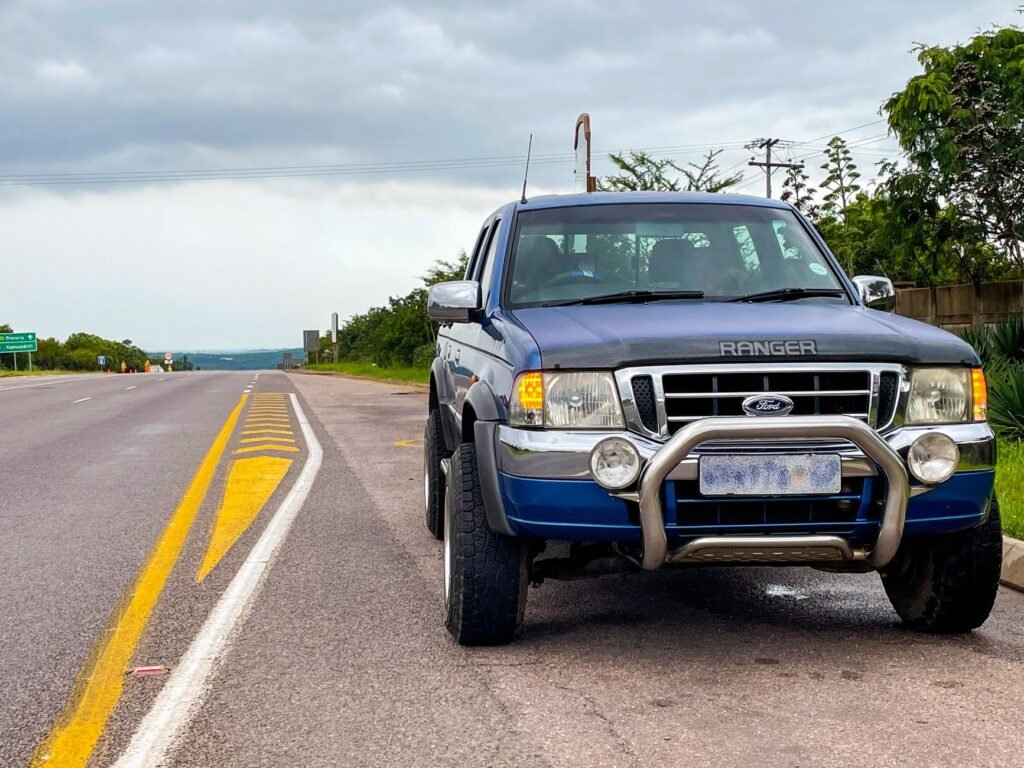
Upgrading the wheels on a Ford Ranger can lead to several benefits. First, larger wheels can improve ground clearance, which is crucial for off-road driving. Additionally, lighter materials such as forged aluminum can reduce unsprung weight, enhancing ride quality and responsiveness. Furthermore, the right tires paired with upgraded wheels can offer better traction on a variety of surfaces.
Choosing the right tire and wheel combination
Finding the ideal tire and wheel combination for the Ford Ranger involves considering driving habits and conditions. For off-road enthusiasts, wider tires with aggressive tread patterns can provide better grip in mud or sand. Conversely, those focused on highway driving may prefer all-season tires that offer a quieter ride and improved fuel efficiency.
Wheel offset and backspacing explained
Understanding wheel offset and backspacing is crucial when selecting wheels for the Ford Ranger. Wheel offset refers to the distance between the wheel’s centerline and the mounting surface. A positive offset pushes the wheel inward, while a negative offset extends it outward. Backspacing is the distance from the mounting surface to the back edge of the wheel. Both measurements affect fitment, handling, and visual appeal.
Visual upgrades and aesthetics
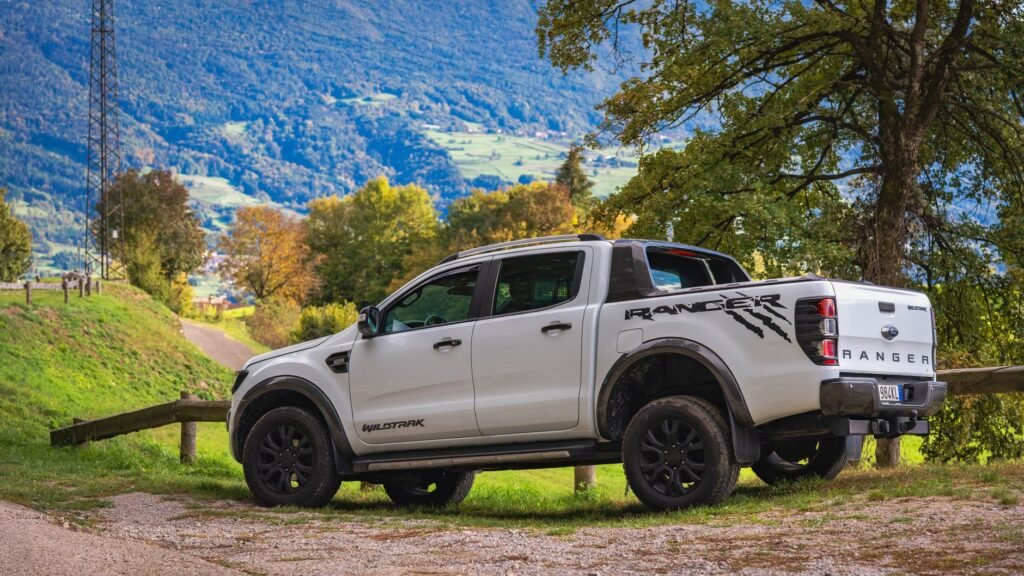
Upgrading wheels can significantly enhance the Ford Ranger’s aesthetic appeal. Black, chrome, and custom finishes allow for personalization. Additionally, wheel designs ranging from classic five-spoke to more intricate patterns can provide a unique look that sets the Ranger apart from the crowd.
Maintaining your wheels and tires
Proper maintenance of the wheels and tires is essential to ensure optimal performance and longevity. Regularly check tire pressure, rotate tires, and inspect for damage. Cleaning the wheels using appropriate products can prevent corrosion and maintain their appearance.
Interested in This Car?
If you are considering this vehicle, you can check its current availability, pricing and purchase options from the seller.
Conclusion
The Ford Ranger wheels play a crucial role in determining the truck’s performance, handling, and style. Whether opting for stock options or aftermarket upgrades, careful consideration of size, design, and material can lead to significant enhancements. The right wheels not only improve functionality but also transform the Ranger into a personalized vehicle that reflects the owner’s style.
Interested in This Car?
If you are considering this vehicle, you can check its current availability, pricing and purchase options from the seller.
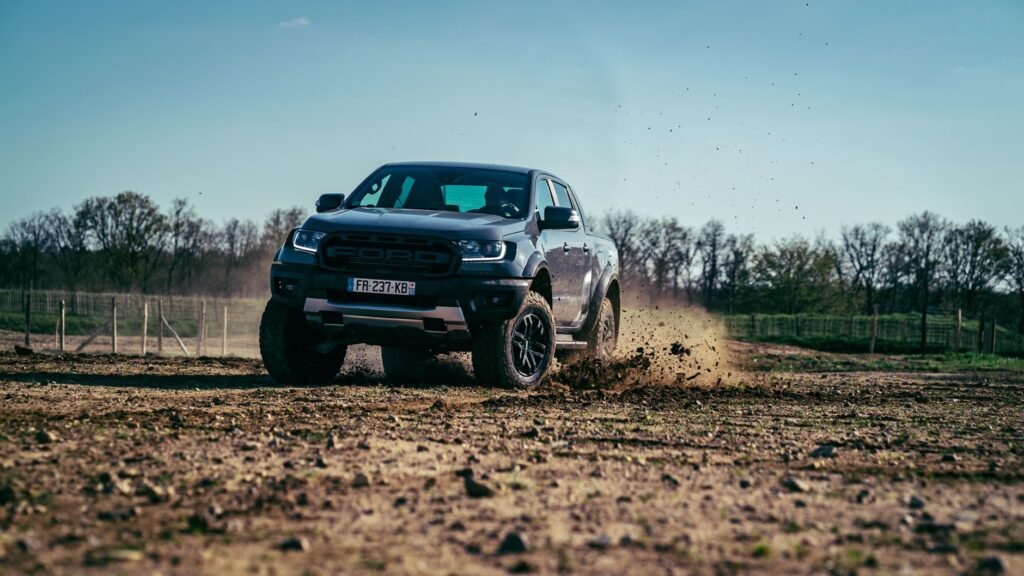
Understanding wheel offset and backspacing
When upgrading your Ford Ranger wheels, it’s crucial to consider not just the size and style but also how wheel offset and backspacing affect performance and aesthetics. Wheel offset refers to the distance from the wheel’s mounting surface to its centerline, while backspacing is the measurement from the mounting surface to the back edge of the wheel. Both factors play a significant role in the vehicle’s handling, fitment, and overall stance.
For example, a positive offset means the mounting surface is closer to the front of the wheel, while a negative offset pushes it further back. Choosing wheels with a negative offset can widen the vehicle’s track, which may enhance stability during cornering and provide a more aggressive look. However, this modification can also lead to potential rubbing issues with the fenders or suspension components, especially on a Ranger that has not been lifted.
“The right offset can drastically improve your Ranger’s on-road behavior and off-road capability while maintaining a clean fitment.”
Consider a Ranger owner who opts for a wheel with a -12 mm offset instead of the stock +30 mm. This change not only gives the truck a wider stance, providing better grip and stability but also changes the aesthetic by pushing the wheels out towards the fenders. This change, however, comes with a catch. It may require additional modifications such as fender flares to prevent tire rubbing during full steering lock or suspension compression.
Backspacing, on the other hand, is essential for ensuring that your wheels fit properly without interference. It is calculated by subtracting the wheel width from the overall diameter and then dividing by two. If the backspacing is too low, the wheel may stick out too much, creating clearance issues with the suspension or brake components. Conversely, too much backspacing can cause tires to sit too far inside the wheel wells, which can adversely affect handling and stability.
When selecting wheels for your Ford Ranger, it’s advisable to consult a fitment guide or speak with a wheel specialist. They can help you understand the implications of various offsets and backspacing based on your desired wheel size and tire choice. For instance, if you plan to fit larger tires for off-roading, you may need to adjust your offset and backspacing to accommodate the increased diameter and width.
In conclusion, understanding wheel offset and backspacing is vital for any Ranger enthusiast looking to upgrade their wheels. It impacts not just the vehicle’s stance and appearance but also its handling and performance attributes. By making informed choices on these specifications, you can achieve the desired look and functionality from your Ford Ranger while avoiding common pitfalls associated with wheel upgrades.
Tire and wheel compatibility for off-road capabilities
When considering upgrades for the Ford Ranger, the choice of tires and wheels significantly affects both performance and aesthetics, especially for off-road enthusiasts. Selecting the right combination is crucial for maximizing the vehicle’s capabilities in rugged terrain.
The first step in enhancing off-road performance is understanding the relationship between tire size and wheel diameter. For instance, many Ranger owners opt for a tire size that is larger than the factory standard, which typically ranges from 255/70R16 to 265/60R18. Upgrading to a larger tire, such as 275/70R17 or even 33-inch tires, can provide better ground clearance, improved traction, and enhanced off-road capability.
However, this change can lead to complications if not paired with the right wheel specifications. The offset and backspacing of the wheel must be considered to prevent rubbing against the suspension components or body. A wheel with a negative offset pushes the tires outward, giving a wider stance that can improve stability but may also require fender trimming or a lift kit to avoid contact.
“Finding the perfect balance between tire size and wheel specifications is essential for optimizing off-road performance without compromising safety or vehicle integrity.”
Another crucial factor is the tread pattern of the tires. All-terrain tires strike a balance between on-road comfort and off-road capability, featuring a hybrid tread that performs well across various surfaces. Popular all-terrain options for the Ranger include the Falken Wildpeak AT3W and the Goodyear Wrangler Duratrac. Meanwhile, mud-terrain tires like the BFGoodrich Mud-Terrain T/A KM3 provide superior grip in muddy and loose conditions but can compromise road noise and comfort when driving on pavement.
It’s also important to note the weight of the wheels and tires. Heavier wheels can affect acceleration and braking performance, particularly in a truck like the Ranger, which is designed for optimal power-to-weight ratios. Lightweight alloy wheels, such as those from Method Race Wheels or Fuel Off-Road, can enhance overall performance while providing the rugged look that many Ranger owners desire.
Equally, the load rating of the tires must be considered to ensure they can support the Ranger’s weight, especially if the vehicle is frequently used for towing or carrying heavy loads. It’s advisable to choose tires with a load index that exceeds the vehicle’s Gross Vehicle Weight Rating (GVWR).
Finally, a visual upgrade can enhance the Ranger’s appeal. Many aftermarket wheels come in various finishes, such as matte black, chrome, or even custom colors. A set of well-chosen wheels can elevate the Ranger’s aesthetics while still meeting performance needs. Brands like Black Rhino and KMC Wheels offer a variety of styles that cater to both function and form.
In summary, selecting the right tires and wheels for your Ford Ranger is not just about aesthetics; it fundamentally impacts performance, safety, and overall driving experience. By carefully considering tire size, tread patterns, wheel specifications, and load ratings, you can optimize your Ranger for off-road adventures while also enhancing its look.
Custom wheel finishes: enhancing aesthetics and performance
When it comes to personalizing your Ford Ranger, the choice of wheel finish plays a crucial role not only in aesthetics but also in performance. While many enthusiasts opt for traditional colors like black, silver, or chrome, the growing trend of custom wheel finishes offers a broader palette that can complement the rugged nature of the Ranger while enhancing its performance attributes.
One of the most sought-after finishes is matte black. This finish not only gives a stealthy, aggressive look but also helps in hiding scratches and dirt. In off-road conditions, where mud and grime are inevitable, a matte black finish can maintain a cleaner appearance than its glossy counterparts. Brands like Fuel and Method Race Wheels offer a variety of matte finishes that are both durable and stylish.
Another finish gaining popularity is the bronze or gold anodized look. This unique color can really make your Ranger stand out in a crowd and pairs well with various paint colors, particularly earthy tones and deep blues. For those looking to enhance their off-road capability, companies like Black Rhino provide bronze wheels that are built to withstand the rigors of tough terrain while providing an aesthetic upgrade.
“Choosing the right finish can elevate your Ranger’s style and help improve its utility. A finish like anodized bronze not only looks good but helps resist corrosion.”
In addition to color, the type of finish applied to the wheel plays a significant role in performance. For instance, a powder-coated finish provides excellent durability and resists chipping and scratching better than traditional paint. This is particularly beneficial for off-road enthusiasts who encounter rocks and debris. Brands like Alcoa offer forged aluminum wheels with a powder-coated finish that can handle the demands of off-roading while providing a lightweight option that can improve fuel efficiency.
For those who prioritize performance alongside aesthetics, consider wheels with a clear coat finish. This option allows the natural beauty of the aluminum alloy to shine through while offering protection against elements. Wheels like the Method MR301 feature a clear coat that not only protects against oxidation but also enhances the visual appeal, making them an excellent choice for those who want a high-performance wheel without sacrificing style.
It’s essential to remember that the choice of wheel finish should align with your driving habits and the overall look you’re aiming for. For instance, if your Ranger is primarily a daily driver, a glossy finish might be more suitable due to its easier maintenance and the stunning shine it provides. However, if you frequently venture off the beaten path, a matte or textured finish could be more beneficial.
Ultimately, investing in custom wheel finishes can significantly impact both the look and functionality of your Ford Ranger. As you explore options, consider not just the aesthetic appeal but also how these finishes can enhance your driving experience, whether on-road or off-road.
Frequently asked questions
What sizes of wheels are available for the Ford Ranger?
The Ford Ranger typically accommodates wheel sizes ranging from 15 to 20 inches, depending on the model year and trim level.
How do wheel upgrades affect off-road performance?
Upgrading to larger or sturdier wheels can improve traction and stability on rough terrain, making the Ranger more capable off-road.
Are aftermarket wheels worth the investment?
Aftermarket wheels can enhance the Ranger's look and performance. They often provide weight savings, improved strength, and better customization options.
The bottom line
When considering wheels for your Ford Ranger, evaluate your driving needs and style preferences. The right wheels can make a significant difference in performance and appearance.
Related reading: Exploring the Honda XR100: The Quintessential Beginner’s Bike, and G5 car: a blend of innovation and performance. For an outside reference on this topic, see Reuters' autos and transportation coverage.