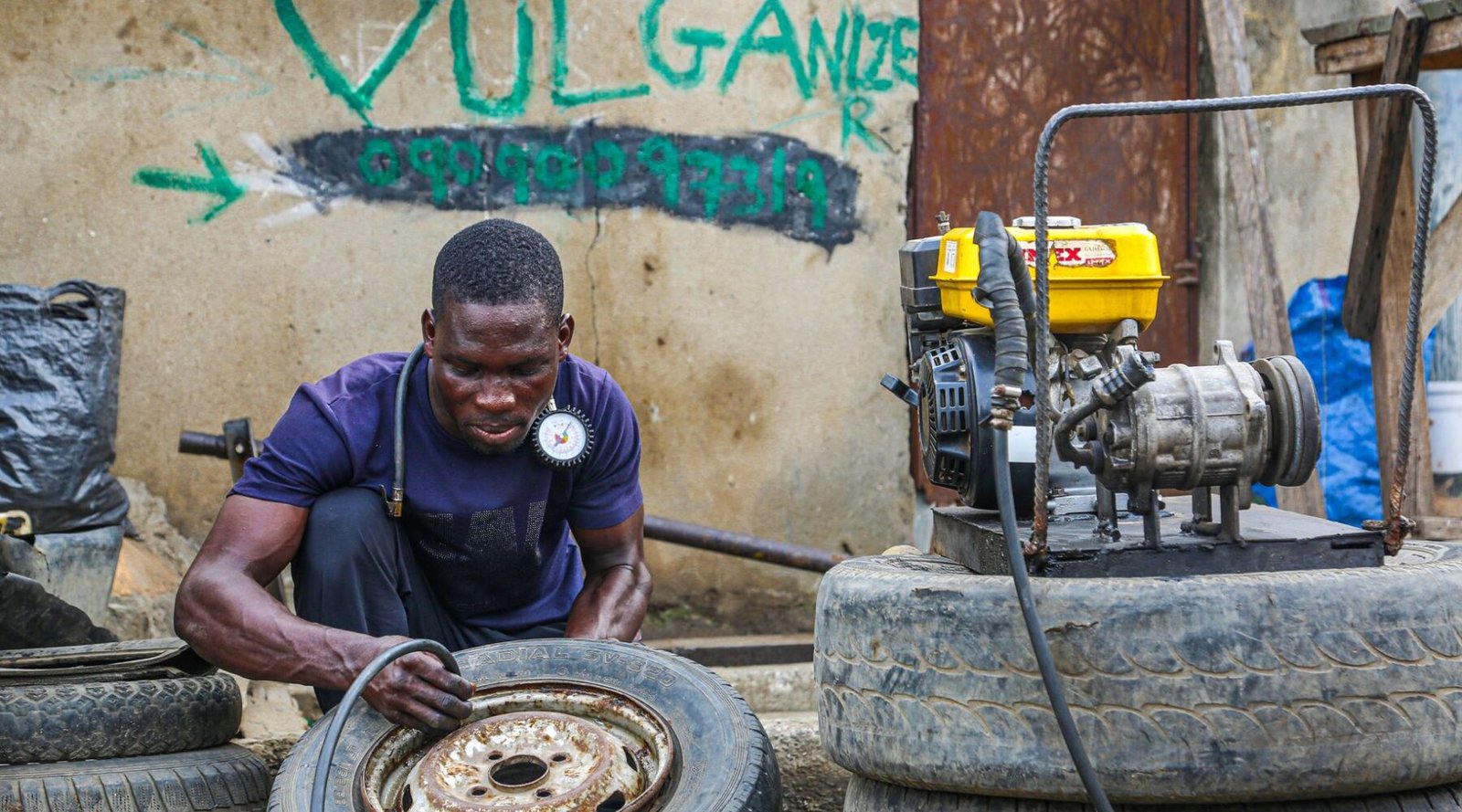
Patching a tire is a common and necessary maintenance task for vehicle owners. Understanding how long it takes to patch a tire can help you better prepare for unexpected roadside issues.
Key takeaways
- Patching a tire typically takes 30 to 60 minutes.
- Factors like tire type and damage severity can affect repair time.
- Professional tire shops have the equipment for efficient repairs.
Understanding tire punctures
Tires can be punctured for various reasons, including nails, sharp objects, or road hazards. Knowing the extent of the damage is essential before considering a patch. A simple puncture in the tread area is often repairable, while sidewall damage typically requires tire replacement.
Time factors in tire patching
The time it takes to patch a tire can vary based on several factors. Generally, the process takes between 30 to 60 minutes. However, the duration can be affected by the type of tire, the severity of the damage, and the repair method used.
Types of tires and their impact
Different types of tires, such as passenger tires, light truck tires, and high-performance tires, can influence the repair process. For example, high-performance tires often use specialized materials, making repairs more complex. Additionally, tires with run-flat technology may require different handling, potentially extending repair time.
Severity of damage matters
The extent of the damage is a critical factor in determining how long it will take to patch a tire. A minor puncture in the tread may take less time to repair than a larger gash or damage located near the sidewall. If the damage is too severe, it may necessitate a full tire replacement, which can significantly extend the overall service time.

Professional vs. DIY patching
While some vehicle owners may attempt to patch a tire themselves, professional repair services are often more efficient. Professional tire shops have specialized tools and trained technicians who can quickly assess and repair tire damage. This expertise can save time and provide peace of mind regarding the quality of the repair.
Tools and equipment used
Professional tire patching involves various tools, including tire levers, patch kits, and air compressors. These tools help technicians remove the tire from the rim, apply the patch, and reinflate the tire. Having the right tools can significantly reduce the time needed to complete the repair.
Common patching techniques
There are two primary methods for repairing a punctured tire: patching and plugging. Patching involves sealing the inside of the tire, while plugging inserts a rubber plug into the puncture. Patching is generally considered more reliable, especially for larger punctures, and can take slightly longer than plugging.
Steps involved in patching a tire
The process of patching a tire typically follows these steps:
- Remove the tire from the vehicle.
- Inspect the damage to determine if it is repairable.
- Clean the puncture area.
- Apply the patch according to the manufacturer’s instructions.
- Reinstall the tire and inflate it to the recommended pressure.
Each of these steps requires attention to detail and can affect the overall time required for the repair.

When to replace a tire instead of patching
Not all tire damage is suitable for patching. If the puncture is larger than a quarter-inch or located near the sidewall, replacement is often necessary. Additionally, if the tire has been previously repaired multiple times, it may be time to consider a new tire. Recognizing the limits of tire repair can save you time and ensure your safety on the road.
Consulting a professional
If you are unsure about the condition of your tire or whether it is repairable, consulting a professional is always the best course of action. Tire technicians can provide an accurate assessment and recommend the best solution, whether that is patching or replacement. This consultation can save you time and money in the long run.
Conclusion
In summary, patching a tire typically takes between 30 to 60 minutes depending on various factors such as tire type, damage severity, and whether you choose professional services or a DIY approach. Understanding these elements can help you manage your time effectively when dealing with a flat tire. Always prioritize safety and quality in tire repairs to ensure a smooth and reliable driving experience.
Factors influencing patching time
While the average time to patch a tire can range from 30 minutes to an hour, several factors can significantly influence this duration. Understanding these elements can help you anticipate the time needed and potentially streamline the process.
Firstly, the type of tire being patched plays a crucial role. For instance, passenger vehicle tires are generally easier to patch than those found on larger vehicles like trucks or SUVs. The complexity increases with the tire’s design; high-performance tires often incorporate advanced materials and technologies that may complicate the patching process, leading to longer repair times. Additionally, if the tire is equipped with a tire pressure monitoring system (TPMS), technicians must take extra care to avoid damaging these sensors, which can add to the overall time.
Secondly, the location of the puncture affects how quickly a tire can be patched. Punctures located in the tread area are typically straightforward to repair, while damages near the sidewall or bead can be problematic. According to industry standards, punctures in these sensitive areas often require a more detailed inspection or might even necessitate replacement rather than a patch, thus extending the time needed to address the issue.
“A technician’s experience can also dramatically affect the patching time. More experienced professionals tend to work faster and more efficiently, potentially reducing the time required for the repair.”
Moreover, the method of patching can influence duration. There are several techniques, including plug patches, traditional patches, and tire sealant applications. For example, a plug patch, which combines both a plug and a patch, may be quicker but requires precise execution to ensure a proper seal. In contrast, a traditional patch involves removing the tire from the rim, which is inherently more time-consuming. Technicians must also clean the puncture area thoroughly to ensure a successful repair, which can add to the overall time.
The tools and equipment available at the repair shop can also impact the efficiency of the process. Shops equipped with modern tire changers and balancers can significantly reduce the time spent on removing and remounting tires. Conversely, older or less sophisticated equipment can slow down the process considerably.
Lastly, the shop’s workload can influence how long it takes to get your tire patched. During peak hours or busy seasons, you may find that the shop has multiple orders ahead of yours, which can lead to longer waiting times. Booking an appointment during off-peak hours can help mitigate this issue. Some shops offer express services for simple repairs, which can be beneficial if you are in a hurry.
“If you’re knowledgeable about your tire’s condition, you can communicate effectively with the technician, potentially speeding up the process.”
In conclusion, while the average time to patch a tire is relatively straightforward, numerous factors can influence this timing. By understanding the type of tire, the location of the puncture, the repair method, the tools available, and the shop’s current workload, you can better prepare for the patching process and ensure a timely resolution to your tire issues.
The importance of proper technique in tire patching
Patching a tire is not merely a quick fix; it requires a thorough understanding of both the tire’s structure and the correct methods to ensure safety and longevity. The key to effective tire patching lies in the technique employed and the materials used. A well-executed patch can extend the life of a tire significantly, while a poorly executed one can lead to further damage and potential hazards on the road.
Firstly, it is crucial to assess the type and location of the puncture. Punctures located in the tread area can typically be patched, but those on the sidewall or shoulder of the tire are often deemed unsafe and require replacement. For instance, a nail puncture in the center of the tread is generally repairable, whereas a tear in the sidewall compromises the tire’s structural integrity. A thorough inspection, ideally performed by a professional, can help determine the appropriate course of action.
When patching a tire, the method of application is vital. The most reliable technique involves removing the tire from the rim to properly assess the damage and to apply a patch from the inside. This approach minimizes the risk of air leaks and ensures that the patch adheres securely. The tire should be cleaned and prepared, often using a special rubber cement that promotes adhesion. Without this step, the patch may not bond effectively, leading to future issues.
There are generally two types of patches: plug patches and vulcanizing patches. Plug patches are simpler to apply, but they do not provide the same level of reinforcement as vulcanizing patches, which chemically bond to the tire material, creating a more durable repair. For example, a plug patch might be sufficient for a small puncture, but a vulcanizing patch is recommended for larger or more critical damage. Understanding these distinctions can help a vehicle owner make an informed choice about the repair method used.
Another consideration is the age and condition of the tire. An older tire may not respond as well to a patch as a newer one. The rubber compounds in tires degrade over time, which can affect the effectiveness of the repair. If a tire has been previously patched or shows signs of significant wear, it may be more prudent to invest in a new tire rather than relying on another patch.
“Proper technique and attention to detail in tire patching can save you both time and money in the long run.”
It is also worth noting that after a tire is patched, it should be monitored closely. Regular checks for air pressure and signs of wear can help catch any potential issues early. Drivers should also be aware that some manufacturers have specific recommendations regarding repairs, and following these guidelines can help maintain warranty coverage.
In conclusion, while the time taken to patch a tire can vary, the emphasis on technique and understanding tire maintenance can lead to safer driving conditions and prolonged tire life. Taking the time to ensure that the patching process is done correctly makes all the difference in both safety and performance.
The tire patching process: steps and time considerations
Patching a tire is not merely a quick fix; it involves a series of steps that require careful attention to detail. Understanding these steps can provide insight into how long the entire process may take and what factors can influence this duration.
First, the technician will need to assess the tire to determine the location and size of the puncture. If the damage is on the sidewall or is larger than a quarter, the tire is generally deemed irreparable. This initial assessment typically takes about 5 to 10 minutes, depending on the tire’s condition and accessibility.
Once a tire is deemed patchable, the technician will remove it from the vehicle, which can take another 10 to 15 minutes. This step involves loosening the lug nuts, lifting the vehicle using a jack, and safely removing the tire. If the tire is particularly stubborn due to rust or improper tightening, this step can take longer.
After the tire is off, the next step is to clean the punctured area. This cleaning process is crucial because any debris left on the surface can compromise the patch’s effectiveness. Typically, this takes around 5 minutes. The technician will also inspect the inner surface of the tire for any additional damage, which could lead to a longer repair time if issues are found.
Once the tire is prepared, the actual patch application can begin. This involves applying rubber cement and then placing the patch over the puncture. Depending on the type of patch used—whether it’s a simple plug or a more comprehensive patch that covers the inner surface—the application time can vary from 5 to 15 minutes. Technicians must ensure the patch is securely adhered, which may require a curing time, particularly for vulcanizing patches.
After the patch is applied, the technician will reinstall the tire onto the vehicle. This process includes re-tightening the lug nuts to the manufacturer’s specifications, which typically takes another 10 minutes. Once the tire is back on, the technician may also check the tire pressure to ensure it meets safety standards, which can take an additional 5 minutes.
In total, a tire patching process can take anywhere from 45 minutes to an hour, contingent upon the specific circumstances of the tire and the efficiency of the technician.
Factors that may extend the time significantly include the complexity of the damage, the type of tire (e.g., run-flat tires can be more challenging to work with), and the tools available. For example, a tire with multiple punctures or internal damage may require a more intricate repair process which can extend the time needed for a patch. Additionally, if the tire has been driven on while flat, the internal structure may be compromised, necessitating replacement rather than a patch.
In summary, while a tire patch can seem like a straightforward process, several steps are involved that require time and expertise. Understanding this comprehensive approach not only sets realistic expectations for how long the repair will take but also highlights the importance of professional intervention for safe driving.
Frequently asked questions
Can I patch a tire myself?
Yes, you can patch a tire yourself using a patch kit. However, ensure proper safety measures are taken and the damage is suitable for repair.
How long does tire patching last?
A properly patched tire can last for several years, provided the damage was not too severe and the patch was applied correctly.
What is the difference between patching and plugging a tire?
Patching involves sealing the inner lining of the tire, while plugging inserts a rubber plug into the puncture. Patching is generally considered more reliable.
The bottom line
Patching a tire can be a quick process, but it depends on various factors. Always consult a professional for the best results.
Related reading: 2026 Hyundai Santa Fe review: style, space, and practicality, and Understanding break vs brake in automotive terminology. For an outside reference on this topic, see the EPA's official fuel economy database.