The brake reservoir is a vital component in a vehicle’s braking system, responsible for storing the hydraulic brake fluid that enables the braking system to function. Understanding its role, maintenance, and troubleshooting can significantly affect vehicle safety and performance.
Key takeaways
- The brake reservoir stores brake fluid, essential for hydraulic brake systems.
- Regularly checking the brake reservoir can prevent brake failure.
- Different vehicles may have varying designs for their brake reservoirs.
What is a brake reservoir?
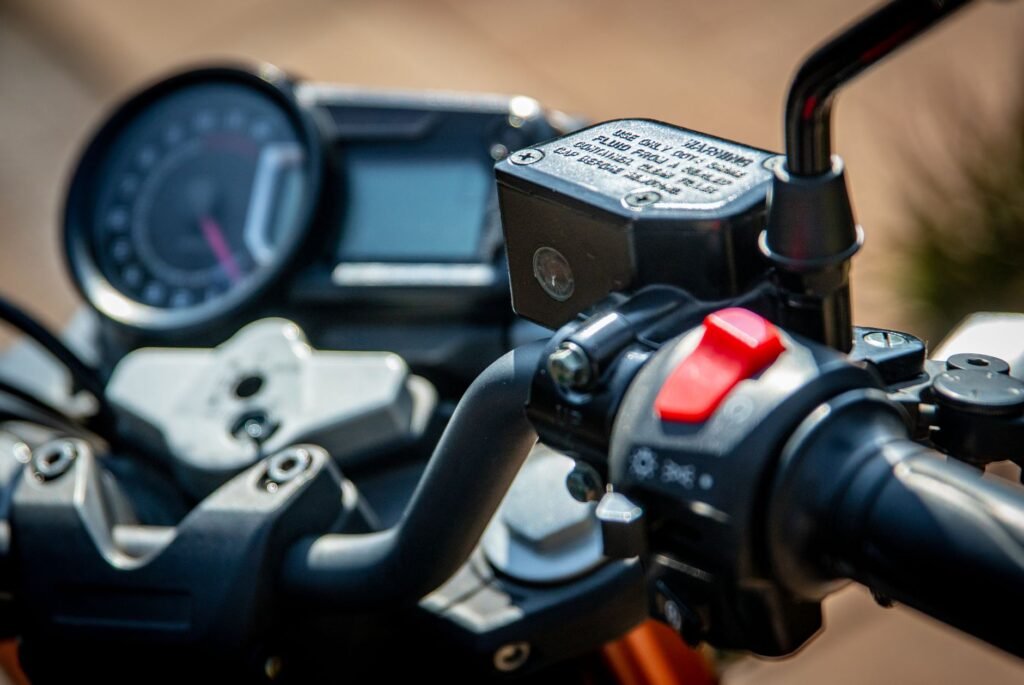
The brake reservoir is typically a small plastic or metal container located near the brake master cylinder. Its primary function is to hold brake fluid, which is a hydraulic fluid used in the braking system to transfer force from the brake pedal to the brake components. When the driver presses the brake pedal, the master cylinder pushes the brake fluid through the brake lines to the brakes at each wheel, allowing the vehicle to stop. This system relies on the brake fluid being at the correct level to maintain the necessary pressure for effective braking.
Types of brake reservoirs
Brake reservoirs can differ based on the vehicle type and braking system design. The most common types include:
- Single reservoir: Typically found in older vehicles, this design has one compartment that serves the entire braking system. If the fluid level drops, it affects all brakes.
- Dual reservoir: Modern vehicles often have a dual reservoir system, which separates the front and rear brake circuits. This enhances safety; if one circuit fails, the other can still provide braking power.
- Integrated reservoirs: Some vehicles feature reservoirs that are integrated into the master cylinder, simplifying design and reducing space.
Importance of brake fluid
Brake fluid is crucial for the efficient operation of the braking system. It not only transmits force but also lubricates moving parts within the system and prevents corrosion. There are various types of brake fluid, including DOT 3, DOT 4, and DOT 5, each with different boiling points and properties. Regularly checking the brake fluid level in the reservoir can help identify potential problems before they escalate. Low fluid levels might indicate leaks or fluid that has absorbed moisture, which can reduce its effectiveness and lead to brake failure.
Checking the brake reservoir
Regular inspection of the brake reservoir is essential for maintaining braking performance. Here are steps to check your brake reservoir:
- Locate the brake reservoir, usually found near the back of the engine bay.
- Inspect the fluid level against the markings on the reservoir, which indicate the minimum and maximum levels.
- Look for any signs of leaks or damage around the reservoir.
- If the fluid level is low, top it off with the appropriate type of brake fluid as specified in the owner’s manual.
Common issues with brake reservoirs
Several common issues can arise with brake reservoirs, and being aware of these can help you address problems quickly:
- Low brake fluid level: This can lead to diminished braking power. It is often a sign of leaks or worn brake components.
- Contaminated fluid: Over time, brake fluid can absorb moisture or become contaminated with debris. This can lead to brake system corrosion or reduced performance.
- Cracked reservoir: A cracked or damaged reservoir can lead to fluid leaks, indicating a need for replacement.
Maintenance tips for brake reservoirs
To ensure the longevity and performance of your brake reservoir, consider the following maintenance tips:
- Check the brake fluid level regularly, ideally monthly.
- Replace brake fluid as recommended, typically every two years, to prevent moisture absorption.
- Inspect brake lines and connections for signs of wear or leaks.
- Ensure the reservoir cap is properly secured to prevent contamination.
When to seek professional help
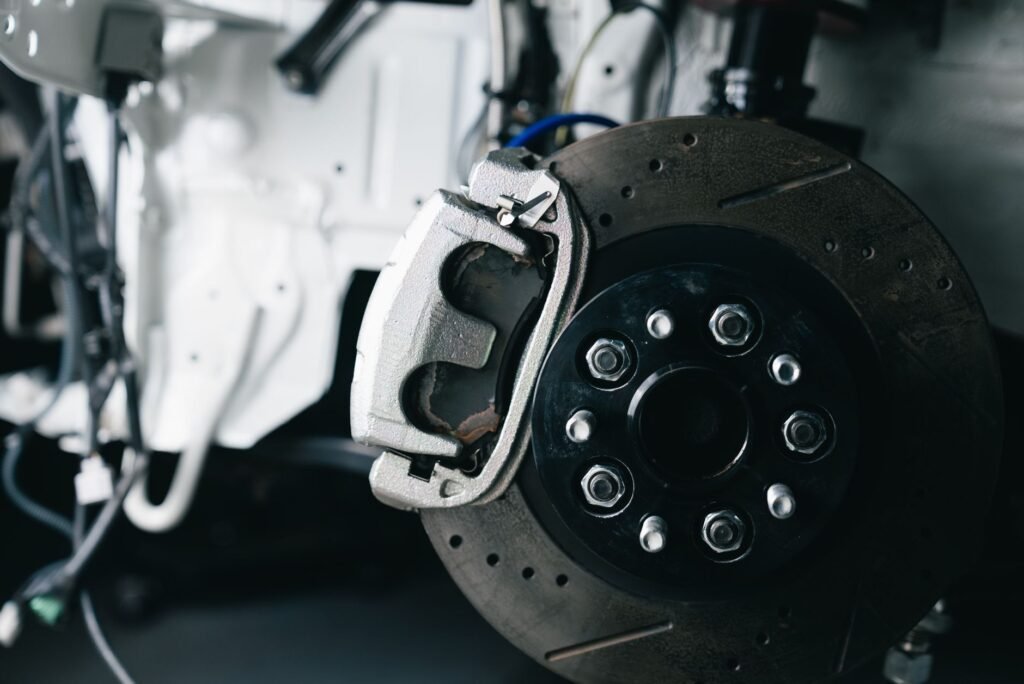
If you notice any irregularities during your inspection, such as a low fluid level that cannot be explained, or if the brakes feel spongy or unresponsive, it’s crucial to seek professional help. Mechanics can perform a thorough inspection of the entire brake system, including the reservoir, master cylinder, brake lines, and calipers, to identify and rectify any issues before they result in a safety hazard.
Conclusion
The brake reservoir plays a critical role in the overall functionality of a vehicle’s braking system. Regular maintenance, including checking fluid levels and ensuring the reservoir is intact, is essential for safe driving. Understanding how to care for your brake reservoir can help you avoid costly repairs and ensure your vehicle remains safe and reliable on the road.
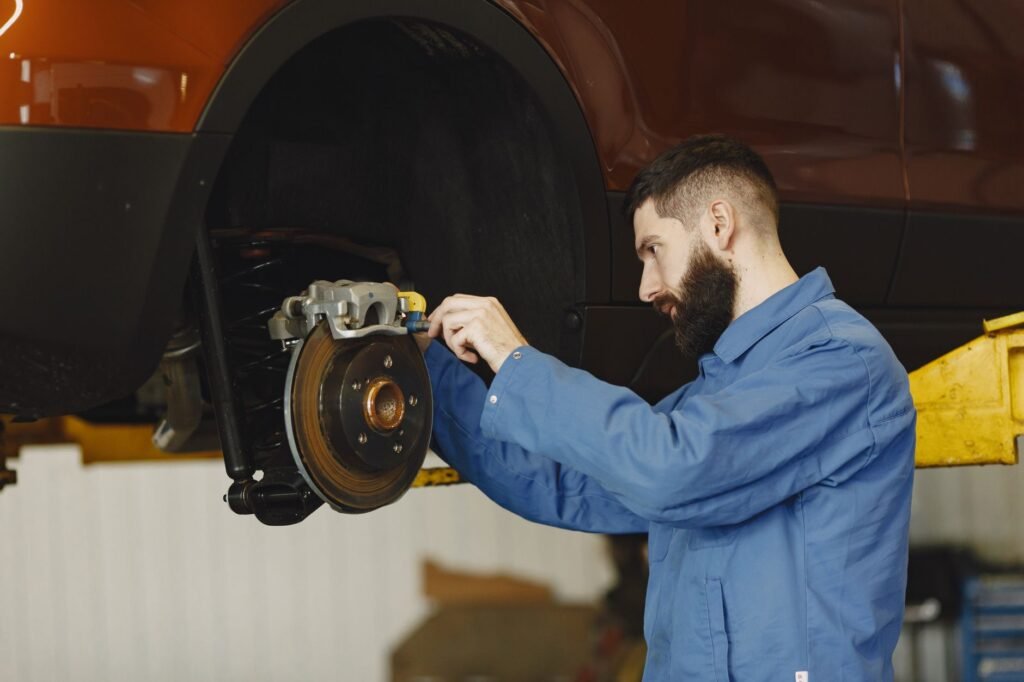
Understanding the relationship between brake fluid and braking efficiency
The brake reservoir is not just a storage container; it plays a critical role in the overall performance and safety of a vehicle’s braking system. Understanding how the condition and type of brake fluid can affect braking efficiency is essential for any car owner or enthusiast.
Brake fluid is hygroscopic, meaning it absorbs moisture from the air over time. This property can lead to a significant drop in braking performance, especially if the fluid is not changed regularly. Moisture contamination reduces the boiling point of the brake fluid, which can result in vapor lock, a condition where air bubbles form in the fluid due to overheating. This can cause a soft or spongy brake pedal and ultimately lead to brake failure.
For example, some vehicles equipped with anti-lock braking systems (ABS) are particularly susceptible to issues caused by contaminated brake fluid. ABS relies on precise hydraulic pressure to function effectively, and any moisture in the brake fluid can compromise that pressure, leading to longer stopping distances and less responsive braking.
“Regularly checking and replacing your brake fluid can prevent costly repairs and ensure your safety on the road.”
Moreover, the type of brake fluid used can also influence the performance of the braking system. There are several types of brake fluid available, categorized mainly into three types: DOT 3, DOT 4, and DOT 5.1. Each type has different boiling points and chemical properties, and they are not interchangeable. For instance, DOT 3 fluid has a lower boiling point compared to DOT 4 and DOT 5.1. If a car designed for DOT 4 fluid is filled with DOT 3, it may lead to premature brake failure under heavy use, such as in performance driving or towing.
High-performance vehicles and those used in demanding conditions often require synthetic fluids that can withstand higher temperatures and provide better performance. These fluids are engineered to maintain their viscosity and chemical stability over a broader temperature range, ensuring that the brakes remain responsive even under extreme conditions.
It is also essential to regularly check the brake reservoir level and condition. A low level could indicate a leak in the braking system, while discolored fluid may suggest contamination. Both scenarios require immediate attention, as they can lead to serious safety concerns. Car owners should be proactive about maintaining their brake fluid, including flushing it out according to the manufacturer’s recommendations—typically every 2 to 3 years.
“Investing in high-quality brake fluid can pay dividends in safety and performance, especially for enthusiasts and those who drive in challenging conditions.”
In conclusion, while the brake reservoir may seem like a minor component, its proper maintenance and the quality of brake fluid within it are crucial for optimal braking performance and vehicle safety. Understanding these elements allows car owners to take informed steps to ensure their braking systems function effectively, ultimately enhancing both safety and driving experience.
Understanding brake fluid types and their implications
Brake fluid is a critical component in the braking system, and understanding the different types can prevent costly repairs and enhance safety. There are primarily three types of brake fluids: DOT 3, DOT 4, and DOT 5, each with distinct properties and applications. The designation ‘DOT’ refers to the U.S. Department of Transportation’s standards for brake fluids.
DOT 3 and DOT 4 fluids are glycol-based and are hygroscopic, meaning they absorb moisture from the air. This property can lead to a decline in braking performance over time due to fluid boiling point reduction. DOT 3 typically has a higher boiling point than DOT 4, making it suitable for standard vehicles. Conversely, DOT 4 offers improved performance under extreme conditions, making it ideal for high-performance or heavy-duty vehicles. When considering replacement or top-up, it is crucial to ensure compatibility; mixing these fluids can lead to a chemical reaction that compromises braking efficiency.
On the other hand, DOT 5 is silicone-based, making it non-hygroscopic. This means it does not absorb moisture, which can lead to a more stable braking system over time. However, DOT 5 is not compatible with DOT 3 or DOT 4 fluids, and its use is generally limited to specific applications, such as military and vintage vehicles. Understanding these differences is essential for vehicle maintenance.
For example, if a driver of a performance vehicle decides to use DOT 3 fluid in a system designed for DOT 4, they may experience brake fade during heavy use, such as on a racetrack. This is due to the lower boiling point of DOT 3 fluid, which can lead to vapor lock and reduced braking performance. In contrast, a vintage car owner may opt for DOT 5 to protect against moisture-related corrosion in an older braking system, but must ensure that previous fluids are completely flushed from the system before making this switch.
“Choosing the right brake fluid is not just about performance; it’s about safety and longevity of your vehicle’s braking system.”
Additionally, it is vital to consider the fluid’s boiling point when selecting a brake fluid. The wet boiling point, which measures the fluid’s performance after it has absorbed moisture, is particularly important. For instance, while DOT 4 fluids generally offer a wet boiling point of around 155°C (311°F), DOT 3 fluids have a lower wet boiling point of about 140°C (284°F). Therefore, the selection of the appropriate fluid is not only based on the type but also on the expected operating conditions of the vehicle.
Regularly checking the brake fluid level and its condition can prevent issues. If the fluid appears dark or has debris, it may be time for a flush and replacement. It is also advisable to change the brake fluid every two years, as moisture accumulation can significantly affect braking performance.
In summary, understanding the types of brake fluids and their specific applications is crucial for maintaining optimal braking performance and ensuring vehicle safety. By selecting the right fluid, owners can enhance their vehicle’s reliability and longevity while minimizing risks associated with brake failure.
Understanding the importance of brake fluid maintenance
The brake reservoir is not just a container for brake fluid; it plays a crucial role in the overall safety and performance of a vehicle’s braking system. Regular maintenance of the brake fluid is essential, as it can significantly impact the efficacy of the brakes and the longevity of brake components.
Brake fluid is hygroscopic, meaning it absorbs moisture from the air over time. This moisture can lead to a decrease in the boiling point of the fluid, which in turn can cause brake fade during heavy braking situations. The presence of water in brake fluid also promotes corrosion within the brake lines and components. Therefore, understanding the implications of moisture in brake fluid and maintaining its integrity is vital for vehicle safety.
To ensure brake fluid quality, it is advisable to conduct a simple test known as the brake fluid moisture test. This test can be performed using a brake fluid tester, which measures the moisture content in the fluid. A reading of 3% or more indicates that the fluid needs to be replaced. Regular checks, ideally every two years or 24,000 miles, can help maintain optimal brake function.
In addition to moisture, brake fluid can also degrade due to heat and contamination from particles or other fluids. For instance, if the brake system is exposed to air or if there are leaks, it can introduce contaminants that compromise the integrity of the brake fluid. Thus, monitoring for any signs of leaks or damage to the brake lines and components is equally important.
“A proactive approach to brake fluid maintenance not only enhances safety but can also prevent costly repairs down the line.”
When replacing brake fluid, it is crucial to use the manufacturer’s recommended type. Different types of brake fluids, such as DOT 3, DOT 4, and DOT 5, have varying properties and compatibility with brake system materials. For example, DOT 5 fluid is silicone-based and does not absorb moisture, making it suitable for vintage and classic cars, but it is not compatible with systems designed for glycol-based fluids like DOT 3 and DOT 4. Misusing brake fluid can lead to seal damage and system failure.
Another aspect to consider is the method of brake fluid replacement. A simple top-off of the reservoir does not replace old fluid that has deteriorated. Instead, a complete brake fluid flush is recommended, where all old fluid is removed and replaced with new fluid. This process ensures that the entire system operates with clean, effective fluid, optimizing braking performance and safety.
Finally, drivers should be aware of any changes in brake feel or performance, as these can signal that the brake fluid may need attention. Spongy or unresponsive brakes can indicate air in the system or degraded fluid. Regular inspections and fluid replacements, combined with an understanding of how brake fluid works, are crucial for any car owner aiming to maintain a reliable braking system.
Frequently asked questions
What is a brake reservoir?
A brake reservoir is a container that holds brake fluid in a vehicle's braking system. It plays a crucial role in ensuring the hydraulic system functions properly.
How often should I check my brake reservoir?
It is advisable to check the brake reservoir at least once a month. Regular checks help identify leaks or low fluid levels that could compromise braking performance.
Can I drive with a low brake fluid level?
Driving with low brake fluid is not safe. It can lead to brake failure, reducing your ability to stop the vehicle effectively. If the brake fluid is low, have it inspected immediately.
The bottom line
Understanding brake reservoirs is crucial for vehicle safety. Regular maintenance can prevent costly repairs and ensure optimal braking performance.
Related reading: 10 upcoming cars that justify holding off on your next purchase, and The automotive cabins defining modern long-distance comfort. For an outside reference on this topic, see the EPA's official fuel economy database.