
When discussing the smart car weight, it is essential to consider the various models and specifications that contribute to the overall mass of these compact vehicles. Smart cars, known for their efficient design and urban adaptability, offer a unique driving experience that is heavily influenced by their weight. The weight of a smart car plays a crucial role in its performance, fuel efficiency, and safety features.
Key takeaways
- Smart cars vary in weight depending on the model and specifications.
- Weight impacts fuel efficiency, handling, and safety.
- Understanding weight helps consumers make informed automotive choices.
Overview of smart car models
Smart cars come in various models, with the most recognized being the Smart Fortwo, Smart Forfour, and electric variants. Each model has its weight specifications, which are essential for understanding how they perform on the road.
Smart Fortwo weight specifications
The Smart Fortwo is one of the lightest vehicles on the market, with a weight ranging from approximately 1,800 to 2,000 pounds. This compact two-seater is designed for city driving, making its lightweight construction advantageous for urban environments. The Fortwo’s weight allows for nimble handling and improved fuel efficiency, a crucial factor for city dwellers.
Smart Forfour and its weight
The Smart Forfour offers more space while still maintaining a lightweight profile. It weighs slightly more than the Fortwo, ranging from 2,000 to 2,200 pounds. This increase in weight accommodates additional seating and space without significantly compromising performance and efficiency.

Electric smart car weight considerations
The transition to electric models has introduced variations in weight due to the battery systems. Electric smart cars, such as the Smart EQ Fortwo, tend to weigh more than their gasoline counterparts primarily due to the heavy battery packs. The weight of these electric models can range from 2,200 to 2,400 pounds, impacting acceleration and range.
Why vehicle weight matters
The weight of a vehicle, especially a smart car, influences several factors:
- Fuel Efficiency: Lighter vehicles generally consume less fuel, which is crucial for urban driving.
- Performance: Weight affects acceleration, braking, and overall handling.
- Safety: Heavier vehicles tend to offer more crash protection, but modern smart cars are designed with safety features to counterbalance their lower weight.
Materials used in construction
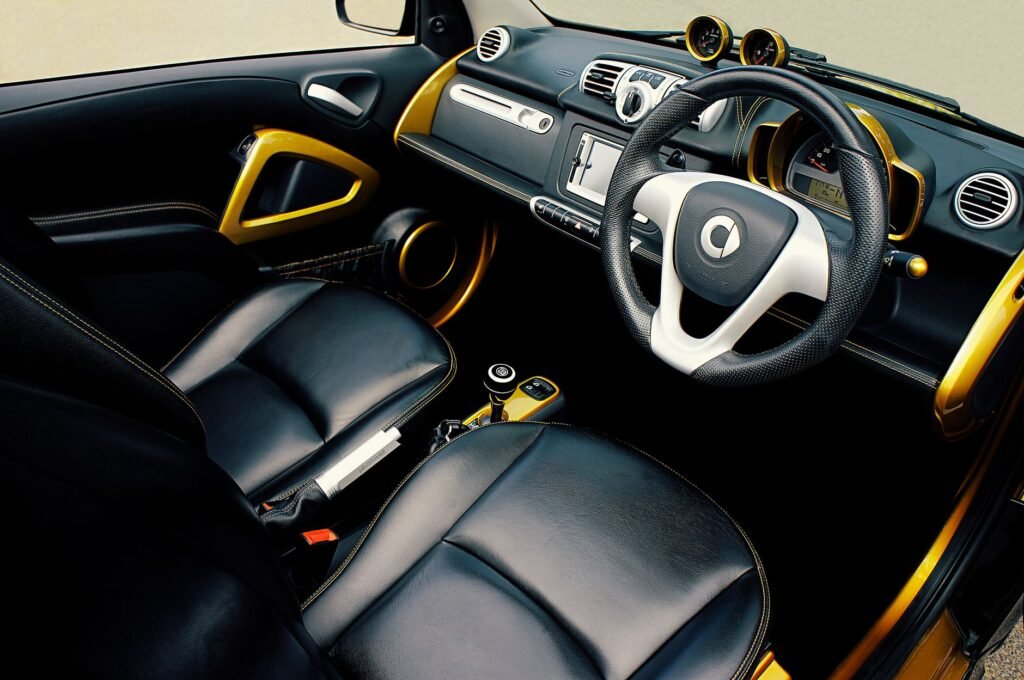
Smart cars utilize high-strength steel and lightweight materials like aluminum and plastic to minimize weight while ensuring structural integrity. These materials allow manufacturers to create a robust vehicle that can withstand the rigors of everyday driving without unnecessary bulk.
Performance and handling implications
Due to their lightweight design, smart cars offer agile handling and quick maneuverability, making them ideal for congested urban settings. The lower weight also contributes to a smaller turning radius, enhancing their ability to navigate tight spaces.
Smart car weight and environmental impact
The weight of smart cars also plays a role in their environmental impact. Lighter vehicles typically emit fewer greenhouse gases and require less energy to operate. This efficiency is a significant selling point for environmentally conscious consumers.
Conclusion
Understanding the weight of a smart car is vital for potential buyers and enthusiasts. The weight influences various performance aspects, including fuel efficiency, handling, and safety. By recognizing how these factors interact, drivers can make more informed decisions regarding their vehicle choice.

Weight distribution and its impact on performance
The weight of a smart car is not just a number; it has profound implications for performance, safety, and efficiency. A lesser-known aspect of vehicle design is how weight distribution affects handling and stability. For smart cars, which are inherently compact and designed for urban environments, understanding this distribution is critical.
Weight distribution refers to how the mass of the vehicle is spread across its axles. In smart cars, achieving an optimal weight distribution is paramount for enhancing maneuverability and ensuring safety. Smart cars typically have a front-heavy design due to the placement of the engine and battery. This configuration can lead to challenges in handling, especially in sharp turns or during sudden braking. However, car manufacturers have engineered solutions to mitigate these issues.
“A well-balanced smart car can significantly improve cornering performance and reduce tire wear.”
For instance, the latest models of smart cars have incorporated a low center of gravity by utilizing lightweight materials such as aluminum and high-strength steel. This construction not only reduces overall weight but also helps lower the center of gravity, enhancing stability during cornering. Additionally, the use of battery placement in the floor of electric smart cars aids in achieving a more balanced weight distribution, which directly impacts driving dynamics.
Another critical aspect of weight distribution is its effect on braking performance. Uneven weight can lead to increased stopping distances and the potential for loss of control in emergency situations. Smart car manufacturers have focused on optimizing brake systems to account for their specific weight dynamics. For example, regenerative braking systems that are often integrated into electric smart cars not only help recharge the battery but also distribute weight effectively during braking, enhancing overall safety.
Moreover, the relationship between weight distribution and tire performance cannot be overlooked. Tires are the only contact points between the car and the road; their interaction is influenced by how weight is distributed across them. Uneven weight can lead to premature tire wear and reduced traction, especially in adverse weather conditions. Smart cars, with their more compact tire sizes, need to be particularly mindful of this aspect. Engineers conduct extensive testing to ensure that the tires can handle the specific loads imposed by the vehicle’s weight distribution.
“Every ounce counts in a smart car, and optimizing weight distribution can lead to tangible improvements in performance and efficiency.”
Real-world examples of these principles can be observed in smart car competitions and racing events where weight management is crucial. Teams often experiment with different configurations to find the ideal balance that maximizes performance. In these settings, even slight adjustments to weight distribution can lead to significant differences in lap times and overall handling.
In conclusion, while the weight of a smart car is often discussed in the context of fuel efficiency and emissions, its distribution is equally important for performance and safety. Understanding how weight influences driving dynamics can empower consumers to make informed decisions about their vehicle choices. As smart car technology continues to evolve, so too will the innovations aimed at optimizing weight distribution, ensuring that these vehicles remain agile and safe in an increasingly congested urban landscape.
Impact of weight distribution on smart car performance
The weight distribution of a smart car significantly influences its handling, stability, and overall performance. Unlike traditional vehicles, where weight is more evenly distributed, smart cars often have a unique layout that can affect driving dynamics. Understanding this can provide insights into what makes these compact vehicles efficient and agile.
Smart cars typically feature a rear-engine design, which shifts a portion of the vehicle’s weight towards the back. This configuration can enhance traction, particularly in slippery conditions, but it also presents challenges. For instance, if too much weight is concentrated at the rear, the front end may feel lighter, leading to reduced steering responsiveness. This can make tight cornering more difficult, as the vehicle may understeer, where the front wheels lose grip before the rear wheels.
To counteract these effects, manufacturers have engineered smart cars with specific weight distribution targets. For example, the Smart EQ Fortwo has a near 50/50 weight distribution, which helps maintain balance and control during maneuvers. This careful engineering allows the vehicle to respond predictably, even in urban environments where quick turns and sudden stops are commonplace.
“A balanced weight distribution can lead to a smoother ride and improved handling in smart cars, essential for city driving.”
Moreover, the materials used in the construction of smart cars play a critical role in weight distribution. Lightweight materials such as aluminum and high-strength steel are commonly utilized to reduce overall weight while maintaining structural integrity. For instance, the Smart EQ Fortwo’s body panels are made from high-strength plastic, which not only decreases weight but also helps absorb impact energy, enhancing safety without compromising performance.
In addition to materials, the design of the smart car itself influences weight distribution. The compact design allows for a shorter wheelbase, which can enhance maneuverability. However, this design can also lead to a higher center of gravity, potentially affecting stability during sharp turns. To address this, smart car engineers often incorporate a low-profile battery placement, which helps lower the center of gravity and improves stability while cornering.
Real-world testing has shown that vehicles with optimized weight distribution can experience enhanced braking performance as well. In smart cars, where agility and quick responses are paramount, effective braking systems must be paired with a well-considered weight distribution strategy. The positioning of the battery, for example, affects not only the weight but also the braking dynamics, ensuring that the car stops efficiently and safely.
Furthermore, advancements in technology are paving the way for smarter weight management systems. Some modern smart cars are beginning to integrate sensors that monitor weight distribution in real-time, allowing for adjustments in driving dynamics based on the load. This technology could potentially revolutionize how smart cars handle various driving conditions and improve overall safety.
In conclusion, the impact of weight distribution on smart car performance is multifaceted, influencing everything from handling and stability to safety and efficiency. As manufacturers continue to innovate and refine their designs, understanding how weight affects these vehicles will be crucial for consumers looking to make informed choices in the evolving automotive landscape.
The impact of materials on smart car weight and performance
In the evolving landscape of automotive technology, the materials used in smart car construction play a pivotal role in determining not only the overall weight but also the performance and efficiency of the vehicle. Traditional vehicles often rely heavily on steel for their structural integrity, which contributes significantly to weight. However, manufacturers of smart cars are increasingly turning to alternative materials to enhance both performance and sustainability.
One such material is aluminum, which offers a compelling strength-to-weight ratio. For instance, the use of aluminum in the chassis and body panels of the BMW i3 has allowed for a reduction in weight while maintaining structural integrity. This reduction in weight translates to improved energy efficiency and driving dynamics. The i3 showcases that by incorporating aluminum, the vehicle can achieve a range of approximately 153 miles on a single charge, demonstrating a direct correlation between weight savings and electric vehicle performance.
Carbon fiber is another innovative material being utilized in smart car design. Although it is more expensive than aluminum, its application in high-performance models such as the Tesla Model S contributes to significant weight reduction and enhanced aerodynamics. The Model S employs a carbon fiber-reinforced polymer for its roof structure, which is not only lighter but also enhances the vehicle’s safety by providing a robust structure in the event of a rollover. This dual benefit of weight reduction without compromising safety is vital for smart cars aiming for higher efficiency and performance.
“The strategic use of lightweight materials is essential for optimizing the range and agility of smart cars in an increasingly competitive market.”
Another notable trend is the use of advanced composites, which combine various materials to achieve specific performance characteristics. For example, the use of thermoplastic composites in the production of certain body panels can lead to substantial weight savings while still offering durability and resistance to impact. This is particularly beneficial in urban environments where smart cars must navigate tight spaces and frequent stop-and-go traffic.
Moreover, the integration of lightweight materials extends beyond the vehicle’s structure. Interior components, such as seats and dashboards, are also being reimagined with materials like memory foam and thermoplastic elastomers, which contribute to an overall reduction in weight. This holistic approach to weight management is essential for manufacturers looking to enhance the driving experience while minimizing energy consumption.
As smart car technology continues to advance, the focus on material innovation will only intensify. The development of new alloys and composite materials, such as magnesium alloys and bio-based composites, promises even greater reductions in weight without sacrificing strength or safety. For instance, researchers are exploring the potential of bio-composites made from natural fibers, which could revolutionize the automotive industry by providing an eco-friendly alternative to traditional materials.
“Future smart cars will not only be lighter but also more sustainable, creating a new paradigm in automotive design.”
In summary, the choice of materials is a critical factor in the weight and performance of smart cars. By leveraging advanced materials like aluminum, carbon fiber, and composites, manufacturers can achieve significant weight reductions that enhance efficiency and driving dynamics. As the industry progresses, the integration of innovative materials will play a crucial role in shaping the future of smart automotive design, aligning with the growing demand for environmentally friendly and high-performance vehicles.
Frequently asked questions
What is the average weight of a smart car?
The average weight of a smart car ranges from 1,800 to 2,000 pounds depending on the model and configuration.
How does the weight of a smart car compare to other vehicles?
Smart cars are significantly lighter than many traditional vehicles, which often weigh between 3,000 to 4,500 pounds.
What factors influence the weight of a smart car?
Factors such as battery size, materials used in construction, and additional features contribute to the overall weight of a smart car.
The bottom line
Smart cars are designed for urban efficiency, with their weight contributing to both performance and economy. Understanding their weight can enhance your driving experience.
Related reading: Car jerks when accelerating at low speeds, and Honda Trx 90: A reliable ATV for young riders. For an outside reference on this topic, see Reuters' autos and transportation coverage.