
What every driver must know encompasses a range of essential skills, knowledge, and practices that can significantly enhance safety on the road and the longevity of the vehicle. Whether you are a new driver or a seasoned veteran, being informed about various aspects of driving is crucial. In this article, we will delve into the fundamental areas of knowledge every driver should possess, from vehicle maintenance to understanding traffic laws.
Key takeaways
- Understanding vehicle maintenance is crucial for safety.
- Familiarity with local traffic laws can prevent accidents.
- Awareness of basic first aid can be life-saving in emergencies.
The importance of vehicle maintenance
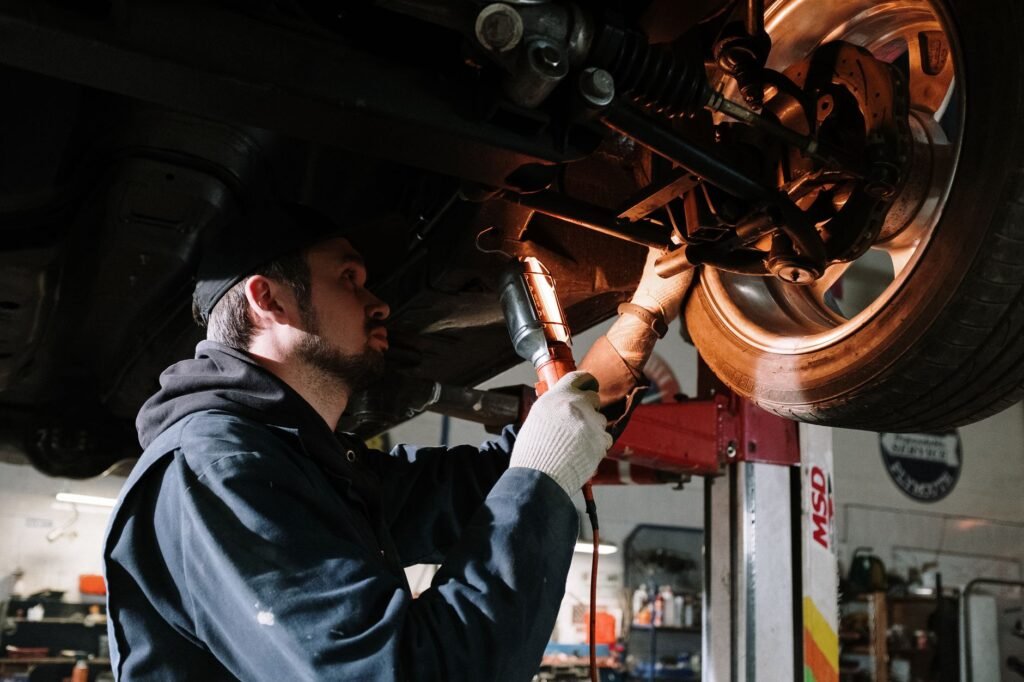
One of the most critical aspects of being a responsible driver is understanding vehicle maintenance. Regular maintenance ensures your car operates efficiently and safely. Drivers should be aware of basic checks such as oil changes, tire pressure, and brake functionality.
Oil changes are vital for keeping the engine lubricated, reducing wear, and preventing overheating. It is generally recommended to change the oil every 5,000 to 7,500 miles, but this can vary based on the vehicle and oil type. Tire pressure should be checked monthly and before long trips. Properly inflated tires improve fuel efficiency and handling, while worn-out tires can lead to accidents.
Basic checks every driver should perform
In addition to oil and tire checks, drivers should familiarize themselves with their vehicle’s warning lights. Understanding what each light indicates can prevent serious mechanical failures. For instance, a check engine light could signal a minor issue or a significant engine problem. Regularly inspecting your brakes, wiper blades, and lights also contributes to overall safety.
Furthermore, keeping your vehicle clean, both inside and out, not only improves aesthetics but can also prevent rust and damage over time. Regular washings and interior cleanings can help maintain the vehicle’s value.
Understanding local traffic laws
Every driver must understand the traffic laws specific to their locality. Traffic regulations can vary significantly between states and countries, affecting speed limits, lane usage, and right-of-way rules. Ignorance of these laws can lead to accidents or legal penalties.
Moreover, knowing local laws about mobile device usage while driving is essential. Many places have strict regulations against texting or using handheld devices. Familiarizing yourself with these laws can help you avoid fines and drive more safely.

Driving defensively
Defensive driving is a proactive approach that can prevent accidents. It involves being aware of your surroundings, anticipating potential hazards, and being prepared to react. This means keeping a safe distance from the vehicle in front of you and being mindful of blind spots.
Additionally, be cautious when changing lanes or merging. Always signal your intentions and check mirrors and blind spots. Avoid aggressive driving behaviors such as tailgating or weaving through traffic, as these increase the likelihood of an accident.
Handling distractions while driving
Distractions are a leading cause of accidents. It is essential to minimize any activities that can divert your attention from the road. This includes using your phone, adjusting the radio, or even engaging with passengers. Set your navigation system before you start driving, and if necessary, pull over to make adjustments.
The significance of seat belts
Wearing a seat belt is one of the simplest yet most effective ways to enhance safety while driving. Seat belts significantly reduce the risk of severe injury or death in the event of a collision. It is vital to ensure that all passengers in the vehicle are buckled up before starting the journey.
Basic first aid knowledge
In emergencies, basic first aid knowledge can be invaluable. Understanding how to treat minor injuries can help in situations like cuts, bruises, or sprains. More importantly, knowing how to perform CPR can be life-saving in critical situations.
Consider taking a first aid course to equip yourself with the necessary skills to assist others in emergencies. Many organizations offer classes that cover vital topics such as wound care, choking response, and emergency preparedness.
Planning for emergencies
Every driver should be prepared for emergencies. This includes having a roadside emergency kit in your vehicle, containing items like a flashlight, first aid kit, jumper cables, and basic tools. Additionally, keep a list of emergency contacts and important documents in your car, including your insurance information and registration.
Understanding how to handle specific situations, such as a tire blowout or overheating engine, can also make a significant difference. Familiarize yourself with the vehicle’s manual, which often provides troubleshooting steps for common issues.
Staying informed about vehicle recalls
Staying updated on vehicle recalls is crucial for safety. Manufacturers issue recalls for various reasons, often due to safety concerns or defects. Websites such as the National Highway Traffic Safety Administration (NHTSA) allow drivers to check if their vehicle is under recall.
Taking immediate action on recalls can prevent accidents and save lives. If you receive a recall notice, follow the instructions provided, and visit your dealership for necessary repairs.

The value of ongoing education
Driving is a skill that benefits from continuous learning. Consider taking advanced driving courses or attending workshops that focus on defensive driving, vehicle maintenance, or new technologies in vehicles. These courses can enhance your skills and knowledge, making you a better driver.
Moreover, staying informed about new traffic laws, road safety campaigns, and advancements in automotive technology can help you adapt to changes and remain a responsible driver.
Understanding the importance of vehicle maintenance
Vehicle maintenance plays a crucial role in ensuring safety on the road. Many drivers underestimate the impact that a well-maintained vehicle can have on their driving experience and overall safety. Routine maintenance can prevent accidents caused by mechanical failures, which are often avoidable.
Regularly checking and maintaining key vehicle components can significantly reduce the risk of breakdowns and enhance driving safety. The following are essential areas to focus on:
1. **Brakes**: Ensure that brake pads, rotors, and fluid are in good condition. Worn brakes can lead to longer stopping distances and increase the likelihood of collisions. Regular inspections can catch issues before they become serious.
2. **Tires**: Maintaining proper tire pressure and tread depth is vital for optimal traction and handling. Under-inflated or worn tires can lead to blowouts or loss of control, especially in adverse weather conditions. Check tire pressure monthly and rotate tires according to the manufacturer’s recommendation.
3. **Lights**: Headlights, taillights, turn signals, and brake lights must be functional to ensure visibility and communication with other drivers. Regularly inspect and replace any burned-out bulbs. Consider upgrading to brighter bulbs for better illumination at night.
Additionally, understanding warning lights on the dashboard can prevent potential issues from escalating. Many drivers ignore these indicators, which can lead to serious mechanical failures. Familiarize yourself with your vehicle’s manual to know what each warning light signifies and act promptly when one illuminates.
Another critical aspect of vehicle maintenance involves fluid levels. Regularly check oil, coolant, brake fluid, transmission fluid, and windshield washer fluid. Low fluid levels can lead to engine overheating, brake failure, or impaired visibility during inclement weather.
Incorporating seasonal checks into your maintenance routine is also advisable. Before winter, inspect the battery, antifreeze levels, and wiper blades to prepare for harsher conditions. In summer, check the air conditioning system and ensure that the engine is running cool to avoid overheating.
For those who are not mechanically inclined, consider establishing a relationship with a trusted mechanic who can provide routine maintenance and inspections. Many shops offer maintenance packages that can help keep your vehicle in top shape without breaking the bank.
Ultimately, a proactive approach to vehicle maintenance not only enhances safety but can also prolong the lifespan of your vehicle. Understanding the components that contribute to safe driving empowers you to take charge of your vehicle’s performance and reliability.
Understanding the role of technology in driving safety
As technology continues to advance, its integration into vehicles has become a pivotal element in enhancing road safety. While many drivers are aware of basic safety features, a deeper understanding of advanced driver-assistance systems (ADAS) can significantly improve their driving habits and overall safety on the road.
ADAS includes an array of features designed to minimize human error, one of the leading causes of accidents. Technologies such as adaptive cruise control, lane departure warnings, and automatic emergency braking are not merely conveniences; they serve as critical safety nets that can prevent collisions and enhance situational awareness. For instance, adaptive cruise control adjusts the vehicle’s speed to maintain a safe distance from the car ahead, allowing drivers to focus more on the road rather than constantly monitoring their speed. However, it is crucial for drivers to understand that such systems are not replacements for attentive driving but rather supplements to it.
Moreover, the implementation of rearview cameras and parking sensors has revolutionized how drivers interact with their surroundings. These tools can help avoid accidents while reversing or parking, particularly in crowded urban environments where visibility is often compromised. A study by the National Highway Traffic Safety Administration (NHTSA) noted that rearview cameras alone could prevent approximately 58 deaths and 5,000 injuries annually. This statistic underscores the importance of utilizing available technology to enhance safety.
“Technology is not just about convenience; it’s about creating a safer driving environment for everyone on the road.”
However, understanding the limitations of these technologies is equally essential. For example, while lane-keeping assist can provide steering inputs to help a driver stay within their lane, it may not always detect road markings accurately, especially in poor weather conditions or on poorly maintained roads. Drivers must remain vigilant and ready to take control of the vehicle, as reliance on technology without active engagement can lead to complacency and increase the risk of accidents.
Furthermore, as vehicles become increasingly connected, the potential for distractions also rises. Infotainment systems, although designed to enhance the driving experience, can divert attention from the road. A recent study revealed that engaging with in-car technology can increase the likelihood of a collision by up to 20%. Therefore, it is imperative that drivers familiarize themselves with their vehicle’s technology before setting off. Taking the time to learn how to use voice commands or steering wheel controls can minimize the need to glance away from the road, allowing for safer interactions with these systems.
In addition to understanding in-car technologies, drivers should stay updated on software updates and recalls related to their vehicle’s safety systems. Many manufacturers release regular updates that can improve system performance or fix known issues. Ignoring these updates not only compromises the vehicle’s safety features but may also affect overall performance and reliability.
“Knowledge is power on the road; understanding your vehicle’s technology can save lives.”
Ultimately, the integration of technology into driving offers significant benefits, but it also requires a proactive approach from drivers. Embracing these tools while maintaining an active and engaged driving style can create a safer driving environment for all road users. By understanding the capabilities and limitations of available technologies, drivers can make informed decisions that contribute to safer driving practices.
The role of advanced driver assistance systems (ADAS)
Modern vehicles are increasingly equipped with advanced driver assistance systems (ADAS) that can significantly enhance safety on the road. These technologies are designed to aid drivers in various scenarios, from everyday commuting to complex driving conditions. Understanding and utilizing these systems can be a game-changer for safety-conscious drivers.
ADAS includes features such as adaptive cruise control, lane departure warnings, automatic emergency braking, and blind-spot monitoring. Each of these technologies serves a specific purpose that can help prevent accidents and reduce the likelihood of human error. For instance, adaptive cruise control adjusts the vehicle’s speed to maintain a safe distance from the car ahead, which is particularly useful in heavy traffic or on long highway journeys. This feature not only alleviates the burden of constant speed adjustments but also helps to prevent rear-end collisions.
Lane departure warning systems alert drivers when they unintentionally drift out of their lane. This is especially valuable on highways where the risk of a collision increases if drivers become distracted. Some vehicles take this a step further with lane-keeping assist, which can automatically steer the car back into the lane if the driver does not respond to the warning.
“Research indicates that vehicles equipped with ADAS have a lower rate of accidents compared to those without these systems.”
Automatic emergency braking (AEB) is another critical feature that can save lives. It detects an imminent collision and applies the brakes if the driver does not react in time. Studies have shown that AEB can reduce rear-end crashes by up to 40%. It is essential for drivers to understand how their vehicle’s AEB functions, as it can vary by manufacturer and model.
Blind-spot monitoring systems help prevent dangerous lane changes by alerting drivers to vehicles in their blind spots. This system significantly reduces the chances of side-swipe accidents, which are common in urban driving environments. However, drivers should not rely solely on these systems; they should still check their mirrors and look over their shoulders before changing lanes.
While these technologies enhance safety, drivers must remember that they are not a substitute for attentive driving. A common misconception is that ADAS allows for a hands-free driving experience. However, these systems are designed to assist, not replace, the driver’s responsibility. It is crucial for drivers to remain engaged and alert, continuously scanning their environment and making informed decisions.
Moreover, as vehicle technology evolves, staying informed about the latest advancements is vital. This can include reading the owner’s manual, attending workshops, or participating in training sessions offered by manufacturers. Some companies even provide updates on software enhancements that can improve system performance, further ensuring driver safety.
In conclusion, understanding and effectively utilizing ADAS can significantly contribute to safer driving. Familiarizing oneself with these technologies and their limitations equips drivers with the tools necessary to navigate the complexities of modern roadways. As drivers become more adept at using these systems, they not only enhance their own safety but also contribute to a broader culture of road safety for everyone.
Frequently asked questions
What are the basic maintenance tips every driver should know?
Every driver should regularly check tire pressure, oil levels, and brakes. Keeping the vehicle clean and understanding warning lights can also prevent issues.
How can drivers improve their safety on the road?
Driving defensively, avoiding distractions, and wearing seatbelts can greatly enhance safety. Staying updated on local traffic laws is also essential.
What should I do in case of a car accident?
In the event of an accident, ensure everyone's safety first, call emergency services, and document the scene. Exchange information with other parties involved.
The bottom line
Being a knowledgeable driver enhances your safety and that of others on the road. Invest time in learning about your vehicle and traffic regulations.
Related reading: The rise of Chinese automakers and its impact on the global market, and Common problems with the 2014 Chevy Cruze. For an outside reference on this topic, see Reuters' autos and transportation coverage.