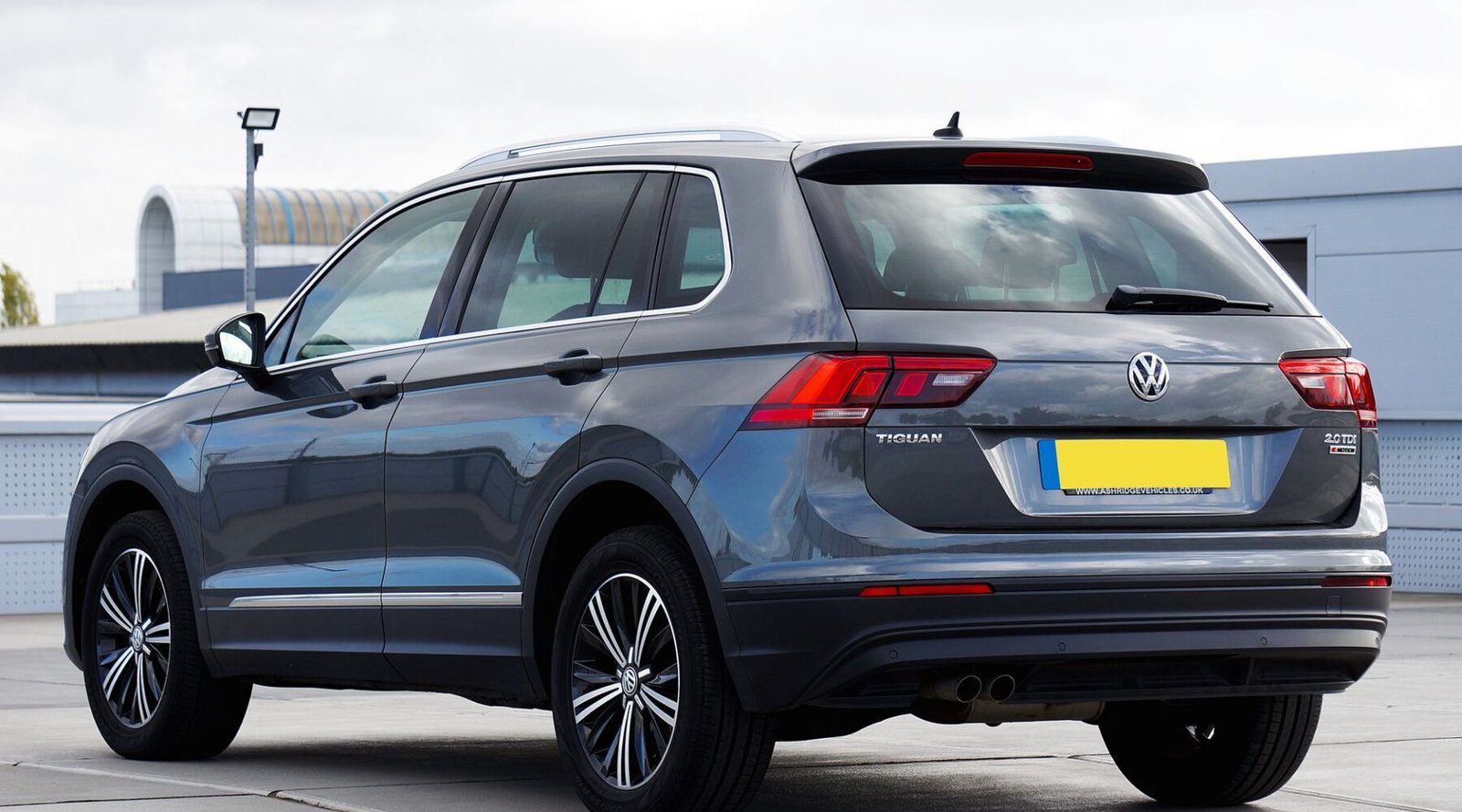
Navigating dense city centers places specific demands on a vehicle. Urban drivers do not need excessive towing capacity or massive cargo bays. Instead, the priority shifts toward tight turning radiuses, compact exterior footprints, excellent outward visibility, and efficient powertrains capable of handling stop-and-go traffic. Subcompact crossover SUVs have evolved to meet these precise needs, combining the elevated seating position of a traditional SUV with the maneuverability of a hatchback.
Mazda CX-30: Refined dynamics for tight spaces
The Mazda CX-30 stands out for drivers who prioritize driving feel and interior execution without expanding their physical footprint. Measuring just 173 inches in length, the CX-30 slides easily into parallel parking spots that force larger crossovers to keep moving. Its 34.8-foot turning circle makes U-turns and alleyway maneuvers effortless.
Underneath, the CX-30 uses a well-calibrated suspension that absorbs sharp pavement breaks and potholes typical of neglected city streets. While rear legroom is tight compared to some competitors, the front cabin rivals luxury offerings in material quality and sound insulation. The standard 2.5-liter four-cylinder engine provides predictable power delivery, while the optional turbocharged variant offers rapid merging capability on short highway entry ramps.
Volvo XC40: Smart packaging and high visibility
For those seeking maximum utility within a manageable frame, the Volvo XC40 delivers an exceptionally smart design. Its boxy silhouette is not merely an aesthetic choice. The upright roofline provides outstanding all-around visibility, reducing blind spots when changing lanes in heavy traffic or spotting pedestrians at busy intersections.
Inside, Volvo engineered the XC40 specifically for urban clutter. The door pockets are oversized because the speakers were relocated to the dashboard, allowing large water bottles and laptops to fit easily. Available as either a mild hybrid or a fully electric powertrain, the XC40 Recharge variant is particularly well suited for city duty, delivering instantaneous torque for quick lane changes and single-pedal driving that reduces brake fatigue in congestion.
Hyundai Kona Electric: Low running costs and easy maneuverability
Electric propulsion makes inherent sense in city environments where idling wastes fuel and regenerative braking recaptures energy. The Hyundai Kona Electric leverages these advantages in a platform engineered for tight quarters. With an overall length under 172 inches, it ranks among the easiest vehicles in its segment to park.
The electric motor delivers immediate throttle response, allowing drivers to take advantage of gaps in traffic smoothly and quietly. An EPA-estimated range exceeding 200 miles means most urban commuters only need to charge once a week. Furthermore, the low center of gravity provided by the floor-mounted battery pack yields stable handling around sharp city corners.
blockquote>The ideal city crossover must balance a compact exterior footprint with genuine interior utility and effortless low-speed maneuvering.
Key factors to consider before buying
Choosing the right small SUV for urban use requires evaluating how a vehicle handles real-world city constraints. Look closely at turning circle measurements, as a difference of two feet can determine whether a U-turn requires a three-point maneuver. Pay attention to rear quarter visibility and park-assist technology, such as 360-degree cameras and rear cross-traffic alert, which prove invaluable in tight parking garages.
Finally, consider suspension tuning. Extremely firm suspensions tuned for sporty handling can translate to a harsh ride over cobblestones, expansion joints, and steel construction plates. A balanced setup that dampens sharp impacts will make daily city driving significantly more comfortable over long ownership periods.
Hybrid small SUVs: Efficiency meets urban practicality
As urban areas continue to prioritize sustainability, hybrid small SUVs are becoming increasingly appealing for city driving. These vehicles combine the benefits of gasoline engines with electric power, offering better fuel efficiency, lower emissions, and a quieter driving experience—all of which are advantageous in congested city environments.
For example, the Toyota RAV4 Hybrid stands out in this category. It achieves an impressive estimated 40 mpg in the city, compared to its non-hybrid counterpart, which averages around 28 mpg. This translates to fewer trips to the gas station and more money saved over time, a critical consideration for city dwellers who often face high gas prices.
Another contender worth noting is the Honda CR-V Hybrid. With its spacious interior and a sophisticated all-wheel-drive system, this SUV not only provides a smooth ride but also boasts a low carbon footprint. The CR-V Hybrid offers a seamless transition between electric and gasoline power, making it particularly efficient during stop-and-go traffic, which is common in urban settings.
“The integration of hybrid technology in small SUVs is not just about fuel savings; it’s about enhancing the overall driving experience in the city, where every mile counts.”
Moreover, the Ford Escape Hybrid is another excellent option for those navigating city streets. It features a unique eCVT (electronic continuously variable transmission) that optimizes performance while maintaining high fuel economy. The Escape’s compact size makes it ideal for squeezing into tight parking spots, while its hybrid powertrain reduces the frequency of stops at the pump.
Beyond fuel efficiency, hybrid small SUVs often come equipped with advanced technology that enhances city driving. For instance, many models include features such as regenerative braking, which captures energy during braking and uses it to recharge the battery. This not only improves efficiency but also contributes to a smoother driving experience, particularly in urban environments where frequent stopping is unavoidable.
Safety is another crucial aspect for city drivers, and hybrid SUVs are no exception. The latest models are often equipped with advanced driver-assistance systems (ADAS) that help prevent accidents in busy traffic. Features like automatic emergency braking, adaptive cruise control, and lane-keeping assist provide an extra layer of security, making these vehicles ideal for navigating the challenges of city driving.
“Choosing a hybrid small SUV for city driving is about more than just saving on fuel; it’s a step towards a more sustainable and safer urban lifestyle.”
In summary, hybrid small SUVs represent a smart choice for city drivers who want to balance efficiency with practicality. With their ability to navigate tight spaces, reduce fuel costs, and contribute to lower emissions, these vehicles are well-suited for the demands of urban life. As cities evolve, embracing hybrid technology in small SUVs will likely become a standard, paving the way for a more sustainable future in urban transportation.
Advanced safety features for urban driving
When considering small SUVs for city driving, safety is not just a regulatory requirement; it is an essential feature that can significantly enhance the driving experience. Urban environments present unique challenges, such as heavy traffic, pedestrians, cyclists, and unpredictable driving behavior. Therefore, equipping a small SUV with advanced safety technologies can make a decisive difference.
Many modern small SUVs come with an array of safety features that go beyond the standard airbags and anti-lock brakes. For example, the 2023 Honda HR-V includes Honda Sensing, a suite of safety and driver-assistive technologies. This system offers features like Collision Mitigation Braking System, which detects potential collisions and applies brakes if necessary, and Road Departure Mitigation, which helps prevent leaving the roadway. Such features are invaluable in busy urban settings where quick reflexes are crucial.
The Ford Bronco Sport offers another innovative safety feature: the Ford Co-Pilot360. This includes a Blind Spot Information System with Cross-Traffic Alert, which is particularly useful in cities where visibility can be obstructed by larger vehicles or street furniture. Moreover, the Adaptive Cruise Control with Stop-and-Go functionality helps maintain a safe distance from the vehicle ahead and can even bring the Bronco Sport to a complete stop in heavy traffic, reducing driver fatigue during long commutes.
“Safety features can make a world of difference in urban driving conditions, where unpredictability is commonplace.”
Another notable mention is the Toyota RAV4, which includes the Toyota Safety Sense suite. One of its standout features is the Pre-Collision System with Pedestrian Detection. Given the high density of pedestrians in city areas, this feature can help avert accidents that could occur while navigating busy streets.
Additionally, the Subaru Crosstrek offers EyeSight Driver Assist Technology, which includes features like Lane Keep Assist and Adaptive Cruise Control. These systems provide extra layers of protection against potential accidents, especially in stop-and-go traffic scenarios that are commonplace in urban driving.
It’s also worth noting that the integration of technology in small SUVs enhances overall safety. For instance, the use of rearview cameras and parking sensors simplifies backing out of tight parking spaces, which is often a challenge in cities. The Hyundai Kona comes equipped with a Rear Cross-Traffic Collision Warning system that alerts the driver to approaching vehicles when reversing, further aiding in safe maneuvering in crowded environments.
As cities continue to grow and evolve, the importance of safety features in small SUVs will only increase. Prospective buyers should prioritize vehicles that not only meet basic safety standards but also offer advanced systems designed to tackle the complexities of urban driving.
In conclusion, while the design, fuel efficiency, and size of small SUVs are important considerations, the presence of advanced safety features can greatly enhance the overall driving experience in city environments. Investing in a small SUV equipped with these technologies can provide peace of mind and contribute to safer urban commuting.
Exploring electric and hybrid options for urban commuting
As cities increasingly focus on sustainability and reducing emissions, small SUVs that offer electric or hybrid options are becoming more attractive for urban drivers. These vehicles not only contribute to environmental goals but also provide unique advantages tailored to city living.
Many urban environments now have incentives for electric vehicles (EVs), such as tax breaks, reduced tolls, and access to carpool lanes. This makes electric small SUVs particularly appealing for those commuting in congested city areas. For instance, the Hyundai Kona Electric combines a compact design with an impressive range of up to 258 miles on a single charge, making it ideal for daily city commutes without the anxiety of frequent charging.
Moreover, small SUVs generally offer a higher driving position and better visibility compared to sedans, which is a significant advantage in crowded urban settings. The Ford Mustang Mach-E, an all-electric SUV, not only boasts a spacious interior but also features advanced driver-assistance technologies like Ford Co-Pilot360, enhancing safety and convenience when navigating busy streets.
Charging infrastructure is a critical consideration for city dwellers. Many cities are expanding their network of public charging stations, but the availability and convenience of charging at home is often a deciding factor. For those living in apartments or homes without dedicated parking, vehicles like the Toyota RAV4 Hybrid offer a hybrid option that requires no charging infrastructure and still provides excellent fuel economy, averaging around 40 mpg in the city.
“As urban areas evolve, the demand for flexible, eco-friendly vehicles will only grow, making hybrid and electric small SUVs a smart choice for city drivers.”
In addition to environmental benefits, electric and hybrid small SUVs often come with lower running costs compared to their gasoline counterparts. For example, the Honda CR-V Hybrid not only offers a smooth ride but also qualifies for federal tax credits, effectively reducing the total purchase price. The fuel savings over time can be substantial, especially for those who frequently drive in stop-and-go traffic, where hybrids excel.
When considering an electric or hybrid small SUV for city driving, it’s essential to evaluate the vehicle’s battery capacity, range, and available charging options. Models like the Chevrolet Bolt EUV have made strides in addressing range anxiety with a robust 250 miles of range, coupled with a rapidly growing charging network across urban areas. Furthermore, many manufacturers are investing in fast-charging capabilities, allowing for quick top-ups during a busy day.
Another important feature for city drivers is the overall dimensions of the vehicle. The compact nature of small SUVs like the Kia Niro EV makes them easier to park and maneuver through tight spaces, a crucial aspect of city driving. The Niro EV also provides ample cargo space for shopping trips or weekend getaways, striking a balance between practicality and sustainability.
In conclusion, as urban environments continue to adapt to the needs of their inhabitants, the rise of electric and hybrid small SUVs represents a forward-thinking solution to city driving challenges. By considering factors such as range, charging infrastructure, and overall functionality, city drivers can make informed choices that align with their commuting needs and environmental values.
Related reading: Brake pad compounds dictate stopping performance and noise profiles, and The physics of traction and why all-wheel drive alters vehicle dynamics. For an outside reference on this topic, see Consumer Reports' car-buying advice.


3 Responses