The sub-$30,000 crossover market is more competitive than ever. Buyers no longer need to settle for uninspired entry-level commuters to stay within budget. Today, standard driver-assistance technology, efficient powertrains, and respectable cabin materials are baseline expectations across the industry. Finding real value requires looking past basic transportation to identify vehicles that deliver genuine capability, long-term dependability, and modern safety features without inflation.
Mazda CX-30: Driving dynamics meet interior refinement
The Mazda CX-30 consistently punches above its weight class. Starting well under $30,000, it offers an interior that closely rivals entry-level luxury crossovers. High-quality switchgear, quiet cabin insulation, and tactile dashboard materials set it apart from typical budget offerings. Standard equipment includes a responsive 2.5-liter four-cylinder engine making 191 horsepower, paired with standard all-wheel drive and a conventional six-speed automatic transmission rather than a continuously variable transmission.
On the road, the CX-30 delivers precise steering feedback and composed body control through corners. The tradeoff is cargo volume. Its sloping roofline limits rear luggage space compared to boxier competitors. Rear legroom is also tight for taller passengers. For buyers prioritizing cabin quality, driving engagement, and standard all-wheel drive over absolute cargo capacity, the CX-30 remains a benchmark in the segment.
Subaru Crosstrek: Standard capability for all conditions
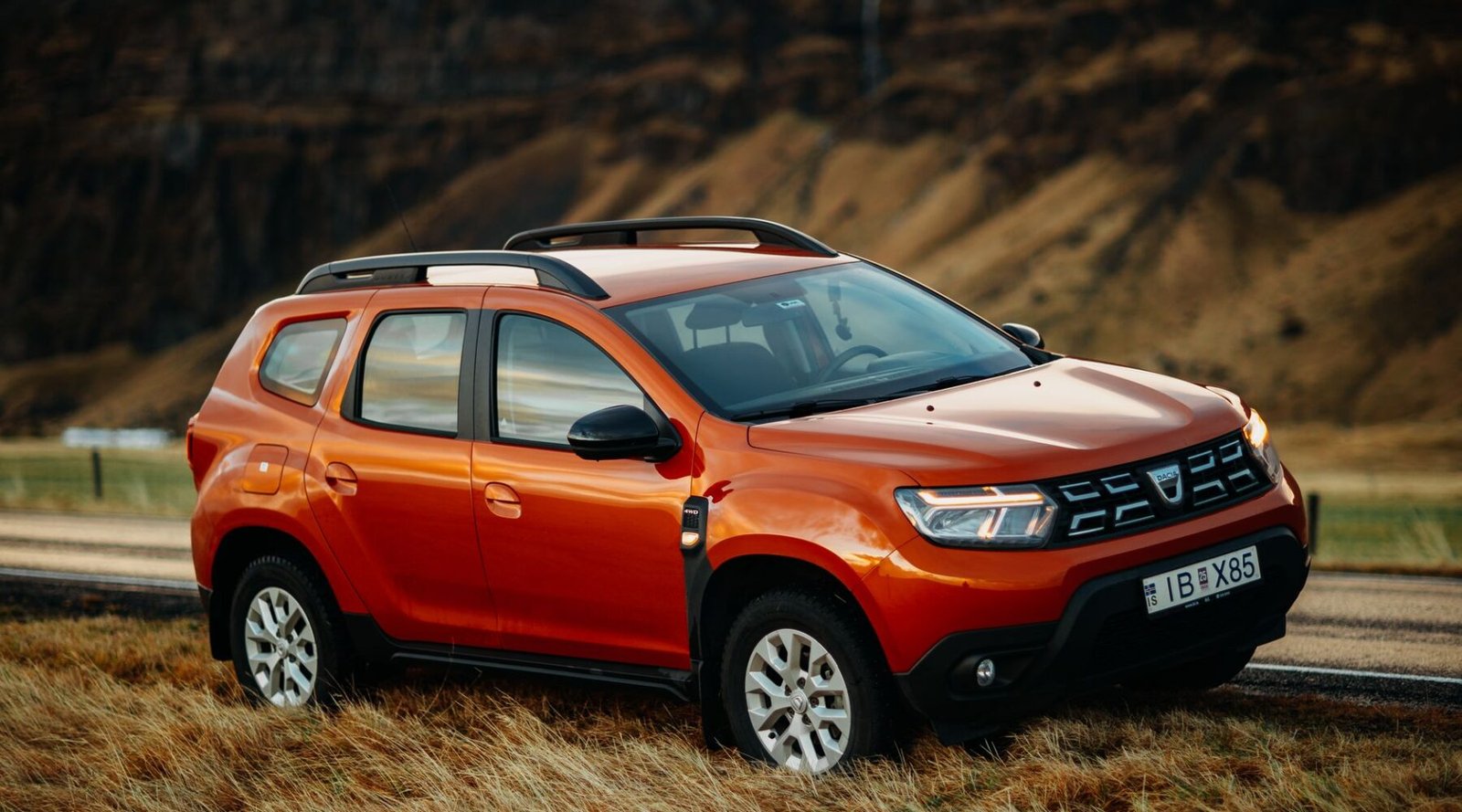
For buyers who prioritize rough-weather traction and utilitarian design, the Subaru Crosstrek stands out. The Crosstrek retains its signature 8.7 inches of ground clearance and standard symmetrical all-wheel drive. Base models feature a 2.0-liter engine, but upgrading to trims with the 182-horsepower 2.5-liter engine keeps the price comfortably under $30,000 while addressing previous acceleration concerns.
Subaru updated the chassis for improved structural rigidity, resulting in a noticeably quieter ride and better bump absorption. Inside, the cabin favors durability over luxury, featuring easy-to-clean surfaces and logical controls. Subaru EyeSight safety system is standard across all trims, providing reliable forward-collision warnings and adaptive cruise control. The Crosstrek is less sporty on tarmac than the Mazda, but its off-pavement performance and strong resale value make it an exceptional practical choice.
Honda HR-V: Practical packaging and daily comfort
The Honda HR-V focuses heavily on cabin versatility, passenger room, and predictable road manners. Based on the Civic platform, the HR-V features a longer wheelbase and wider track than its predecessor, providing smooth ride quality and spacious seating for five adults. Rear legroom leads the class, and the low cargo floor simplifies loading heavy gear.
Power comes from a naturally aspirated 2.0-liter four-cylinder generating 158 horsepower sent through a continuously variable transmission. Acceleration is modest, but engine response is refined during routine city commuting. The interior layout uses clean lines and intuitive controls, including standard Apple CarPlay and Android Auto integration. Honda Sensing, a suite of active safety technologies including lane-keeping assist and traffic sign recognition, comes standard. The HR-V represents an ideal entry point for drivers demanding space, ease of operation, and high safety scores.
Making the right selection
Choosing the right vehicle under $30,000 comes down to daily priorities. The Mazda CX-30 caters to drivers who value upscale design and engaging handling. The Subaru Crosstrek excels in all-weather capability and rugged versatility. The Honda HR-V delivers maximum interior space and straightforward usability. Each model proves that affordability does not require compromising on modern technology, occupant safety, or driving confidence.
Hybrid crossovers: The future of efficiency and capability
As the automotive market shifts towards sustainability, hybrid crossovers are increasingly becoming a viable option for those seeking both capability and fuel efficiency. Many consumers are surprised to find that several hybrid models fall under the $30,000 price point while offering features that make them competitive with traditional gas-powered vehicles. This section will explore the benefits of hybrid crossovers, highlight specific models, and examine how they balance performance and eco-friendliness.
Hybrid crossovers typically combine a gasoline engine with an electric motor, allowing for improved fuel economy without sacrificing the versatility that buyers expect from this segment. For example, the Toyota RAV4 Hybrid offers an EPA-rated 40 mpg combined, which is remarkable considering its spacious interior and all-wheel-drive capability. This not only translates to fewer trips to the gas station but also contributes to lower emissions, making it an attractive option for environmentally conscious buyers.
Another noteworthy contender is the Honda CR-V Hybrid, which also boasts impressive fuel efficiency at around 38 mpg combined. The CR-V Hybrid’s sophisticated all-wheel-drive system allows drivers to navigate various terrains with confidence, whether commuting in the city or venturing into more rugged landscapes. Its practicality is enhanced by a roomy cabin and ample cargo space, ensuring that it meets the needs of families and adventurers alike.
“The hybrid crossover segment is redefining what consumers expect from vehicles in this price range, blending performance with eco-consciousness.”
One of the lesser-known options in the hybrid crossover market is the Ford Escape Hybrid. Priced competitively under $30,000, the Escape Hybrid offers a unique blend of technology and performance. Its standard Ford Co-Pilot360 suite includes features like adaptive cruise control and lane-keeping assist, making it a great choice for safety-conscious buyers. With an EPA rating of 41 mpg city and 38 mpg highway, it stands out for its efficiency, especially for those who frequently drive in urban environments.
When considering hybrid crossovers, it’s essential to take into account the total cost of ownership. Although the initial purchase price might be slightly higher than that of conventional vehicles, the long-term savings on fuel can offset the difference, especially as gas prices fluctuate. Additionally, many hybrid models qualify for federal and state tax incentives, further easing the financial burden for consumers.
Moreover, hybrid technology is continually evolving. Manufacturers are investing heavily in research and development to improve battery life and performance. This means that the hybrid crossovers available today are likely to offer even better capabilities and efficiencies in the coming years. As electric vehicle charging infrastructure expands and battery technology advances, the potential for hybrid crossovers becomes even more appealing.
In conclusion, hybrid crossovers under $30,000 provide a compelling option for buyers looking to combine capability with environmentally friendly features. Models like the Toyota RAV4 Hybrid, Honda CR-V Hybrid, and Ford Escape Hybrid illustrate the balance between performance and efficiency. As the market continues to evolve, these vehicles will not only meet the demands of today’s consumers but also pave the way for a more sustainable automotive future.
Advanced safety features in budget crossovers
As the automotive market evolves, safety has become a paramount concern for buyers, even within the budget segment. Notably, many crossovers under $30,000 are now equipped with advanced safety technologies that were once exclusive to luxury models. Understanding these features is essential for making an informed purchase.
One standout example is the 2023 Honda CR-V. Starting around $29,000, it comes with Honda Sensing, a suite of safety and driver-assist technologies. This includes Collision Mitigation Braking System, Adaptive Cruise Control, and Lane Keeping Assist. These features work in harmony to enhance driver awareness and help prevent accidents, making it a solid choice for families or individuals prioritizing safety.
Similarly, the 2023 Subaru Forester, priced just under $30,000, includes Subaru’s EyeSight Driver Assist Technology. This system offers features like Pre-Collision Braking and Adaptive Cruise Control, along with Lane Departure and Sway Warning. The Forester’s symmetrical all-wheel-drive system also contributes to stability and control, particularly in adverse weather conditions, further enhancing its safety profile.
Another noteworthy mention is the Toyota RAV4, which offers the Toyota Safety Sense 2.0 package. This comprehensive suite includes features like Lane Tracing Assist, Road Sign Assist, and a Pre-Collision System with Pedestrian Detection. With a base price around $28,000, the RAV4 not only provides excellent safety features but also boasts a strong reputation for reliability, making it a popular choice among budget-conscious consumers.
Moreover, the Kia Sportage has recently gained attention for its robust safety offerings. Starting at approximately $26,000, it includes standard Forward Collision-Avoidance Assist and Driver Attention Warning. The Sportage has also performed admirably in crash tests, earning high safety ratings, which gives potential buyers confidence in its protective capabilities.
“Safety should never be compromised, even in budget vehicles. The latest models prove that you don’t have to break the bank to access advanced safety features.”
Additionally, many of these crossovers come with available options or trims that further enhance safety. For instance, the Ford Escape, starting around $28,000, offers an available Co-Pilot360 package, which includes features like Active Park Assist and a Blind Spot Information System. Such options allow buyers to customize their vehicle according to their specific safety needs and preferences.
It’s also worth noting the growing trend of including enhanced driver-assist technologies in these models, such as 360-degree cameras and parking sensors. These features, which were once considered luxury items, are becoming standard or available at lower price points.
In conclusion, when considering a crossover under $30,000, it is crucial to look beyond just price and performance. Advanced safety features can significantly influence your decision. A vehicle that offers comprehensive safety technology not only provides peace of mind but also enhances the overall driving experience. The crossovers discussed here exemplify how budget-friendly options are stepping up to meet the rigorous safety standards expected by today’s consumers.
Exploring off-road performance and versatility
While many crossovers are designed primarily for urban environments, a select few excel in off-road conditions, making them versatile options for adventurous drivers. For buyers looking to maximize capability without exceeding the $30,000 threshold, understanding the off-road attributes of certain models can significantly influence their purchase decision.
One standout in this category is the Subaru Crosstrek. With its standard all-wheel drive, 8.7 inches of ground clearance, and available X-Mode for enhanced traction on slippery surfaces, the Crosstrek is not just a city dweller. It can handle rough terrain like gravel roads and muddy trails with ease. Additionally, its 2.0-liter flat-four engine delivers sufficient power while maintaining fuel efficiency, making it a practical choice for both urban and rural driving.
Another noteworthy contender is the Jeep Compass. While the name Jeep is synonymous with off-roading, the Compass has evolved into a more refined crossover that still retains its rugged roots. The Compass offers a Trailhawk trim that comes equipped with an active drive locking four-wheel drive system, increased ground clearance, and skid plates that protect vital components when traversing rocky paths. Its 2.4-liter engine provides a balance of performance and economy, further solidifying its appeal to adventurous families.
For those seeking a blend of off-road capability and modern amenities, the Ford Bronco Sport is a compelling choice. Starting just under $30,000, the Bronco Sport features a terrain management system with multiple drive modes designed for various conditions, from sand to snow. Its rugged construction includes a fully independent front suspension and a rear suspension designed for maximum articulation, allowing it to tackle challenging trails while keeping passengers comfortable.
“Off-road capability is essential for those who want to experience the freedom of the outdoors, and these crossovers provide an ideal balance of functionality and price.”
The Honda CR-V, known for its reliability, also offers commendable off-road potential when equipped with the right features. By opting for the all-wheel-drive variant, drivers can enhance the CR-V’s traction in adverse weather and on uneven surfaces. While it may not be as rugged as others mentioned, its solid build quality and spacious interior make it a great option for those who prioritize family-friendly features alongside occasional off-road excursions.
In addition to vehicle attributes, it’s crucial for prospective buyers to consider aftermarket modifications that can enhance off-road capabilities. Upgrading tires to all-terrain options, adding roof racks for extra gear, or installing a skid plate can significantly improve a crossover’s performance on rugged terrain. Brands like Eibach and Bilstein offer suspension kits specifically designed for crossovers, allowing drivers to raise their vehicle’s height and enhance its approach and departure angles.
Ultimately, the best crossover under $30,000 for off-road adventures is one that aligns with the driver’s lifestyle and intended use. A model like the Subaru Crosstrek may appeal to outdoor enthusiasts, while the Jeep Compass might attract those who value brand heritage and ruggedness. By examining these features, buyers can select a crossover that not only fits their budget but also encourages exploration beyond paved roads.
Related reading: Buying a Certified Pre-Owned Car: The Complete Checklist, and The definitive luxury SUVs defining the modern flagship standard. For an outside reference on this topic, see Consumer Reports' car-buying advice.