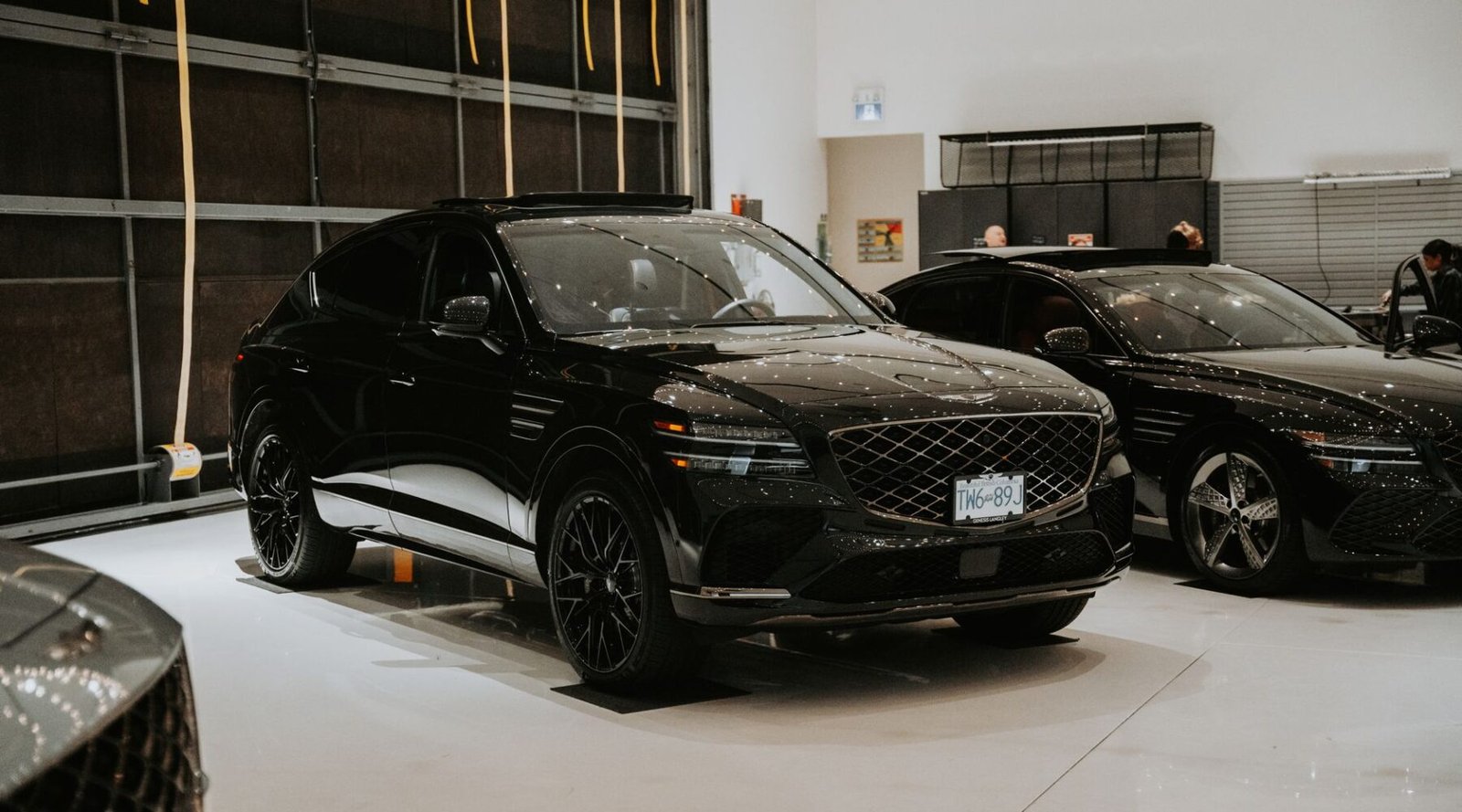
The luxury SUV segment no longer requires buyers to accept compromises. Decades ago, choosing an all-wheel-drive utility vehicle meant sacrificing ride quality, cabin quietness, and highway precision. Today, the modern luxury SUV operates as the default flagship vehicle for premier automakers, displacing traditional executive sedans through sheer engineering capability and structural refinement.
Evaluating the best options on the market requires filtering past clever marketing campaigns and focusing on chassis architecture, cabin insulation, and powertrain responsiveness. The top contenders deliver whisper-quiet high-speed cruising alongside confident control when the road becomes technical.
The absolute benchmark in serene luxury
The Land Rover Range Rover remains the definitive statement in full-size luxury. In its current generation, the flagship SUV achieves a level of noise isolation and low-frequency bump absorption that rivals dedicated chauffeur vehicles. Built on the flexible MLA-Flex platform, the chassis isolates cabin occupants from pavement imperfections while maintaining exceptional body control through predictive electronic air suspension.
True luxury in a modern utility vehicle is measured by mechanical isolation and effortless power delivery rather than complex digital novelties.
Under the bonnet, the available twin-turbo V8 engine delivers linear, effortless momentum that moves the heavy vehicle without strain. Standard all-wheel steering drastically reduces the turning radius, allowing this long-wheelbase SUV to navigate tight city streets with unexpected agility. Inside, Land Rover prioritizes reductive design, featuring expansive leather surfaces, authentic metal accents, and intuitive digital controls that remain unobtrusive during night driving.
Dynamic precision for the performance enthusiast
Where the Range Rover emphasizes isolation, the Porsche Cayenne prioritizes driver engagement and chassis feel. Porsche approaches suspension geometry, braking systems, and steering calibration with the same rigor applied to its sports car lineup. The result is a mid-size luxury SUV that resists body roll through demanding corners while transmitting clear road feedback through the steering wheel.
Equipped with adaptive air suspension and active anti-roll management, the Cayenne handles aggressive directional changes with remarkable poise and stability. Yet, when switched to its comfort settings, it settles into an agreeable, quiet daily driver. The interior balances driver-focused ergonomics with high-grade leather, solid switchgear, and immaculate build quality, proving that utility does not require a dull driving experience.
The complete package of daily refinement
In the competitive mid-size executive space, the BMW X5 sets the gold standard for daily usability and mechanical balance. Its turbocharged inline-six engine remains one of the finest powertrains in production, offering silky power delivery and impressive efficiency. The pairing with a finely calibrated eight-speed automatic transmission ensures the vehicle is always in the optimal power band regardless of driving conditions.
Inside, the cabin strikes a thoughtful balance between digital interface and physical ergonomics. The seating position offers commanding visibility without feeling detached from the chassis dynamics. High-touch surfaces feature solid, heavy materials that feel built to endure years of daily use, while the acoustic glass keeps exterior wind noise to a minimum. The X5 succeeds because every mechanical component operates in total harmony.
Selecting among these vehicles depends on personal priorities behind the wheel. The Range Rover remains unmatched for absolute comfort and presence. The Porsche Cayenne stands alone for dynamic precision. The BMW X5 delivers an exceptional balance of daily usability and powertrain excellence. Together, these three models define the peak of modern automotive luxury.
Technological innovations reshaping luxury SUV experience
In today’s luxury SUV market, technology is not just a feature; it is a fundamental pillar that shapes the entire driving experience. The modern flagship SUV is equipped with advanced systems that enhance safety, convenience, and connectivity, setting a new standard for what consumers expect from high-end vehicles.
One of the most significant advancements in luxury SUVs is the integration of artificial intelligence (AI) in driving assistance systems. For example, the 2023 Mercedes-Benz GLE features the latest iteration of the MBUX (Mercedes-Benz User Experience) system, which includes a voice-activated assistant that learns from the driver’s preferences. This system allows for natural language commands, enabling drivers to adjust navigation, climate control, and entertainment options without taking their hands off the wheel.
Moreover, the GLE’s Driving Assistance Package offers Level 2 autonomous driving capabilities, allowing for hands-free driving in certain conditions. This combination of AI and advanced driver-assistance systems (ADAS) enhances not only safety but also the overall driving experience, allowing occupants to relax during long journeys.
Another example is the BMW X7, which incorporates a multi-sensory experience by integrating ambient lighting, high-quality sound systems, and even fragrance diffusion systems. The vehicle’s Bowers & Wilkins Diamond Surround Sound System is tailored to provide an immersive audio experience, making long drives feel more like a concert hall than a commute. This attention to sensory detail is what differentiates a high-end SUV from its competitors.
Connectivity is also a key theme in the evolution of luxury SUVs. The Range Rover Sport, for instance, comes equipped with a robust infotainment system that offers seamless smartphone integration through Apple CarPlay and Android Auto. However, what sets it apart is the addition of a built-in data plan that allows for high-speed internet connectivity for all passengers, turning the cabin into a mobile office or entertainment center. With the rise of remote work, this feature resonates well with consumers looking for functionality beyond just transport.
Furthermore, the importance of sustainable technology is hard to ignore. Luxury brands are increasingly investing in hybrid and electric powertrains, appealing to environmentally conscious consumers without sacrificing performance. The 2024 Lexus RX 500h exemplifies this trend with its powerful hybrid system that offers impressive acceleration while maintaining lower emissions. This shift not only meets regulatory standards but also reflects a broader commitment to sustainability that modern luxury consumers are increasingly prioritizing.
“The integration of AI, enhanced connectivity, and sustainable technology are not just trends; they are defining characteristics of the modern luxury SUV experience.”
Luxury SUVs like the Audi Q8 further reinforce this notion with their focus on personal driver profiles. The MMI (Multi Media Interface) allows different drivers to save their preferences, including seat position, climate settings, and infotainment choices. This level of personalization caters to families or shared vehicle ownership, making the driving experience more tailored and enjoyable for each user.
Ultimately, the luxury SUV segment is undergoing a technological renaissance, where every feature is designed to elevate the driving experience. As manufacturers continue to innovate, the definition of luxury is being redefined, leading to a more sophisticated and tailored experience that meets the diverse needs of today’s consumers. The flagship standard is no longer just about opulence; it is about connectivity, personalization, and a commitment to sustainability, creating a luxury SUV experience that is both modern and forward-thinking.
Technological innovations reshaping luxury SUVs
As the luxury SUV segment evolves, technological innovation has become a pivotal factor in determining a vehicle’s flagship status. Leading manufacturers are integrating advanced systems that not only enhance driving dynamics but also elevate passenger comfort and safety. This section delves into specific technologies that are redefining the standards for luxury SUVs.
One significant area of advancement is the implementation of sophisticated driver-assistance systems. Brands like Mercedes-Benz and BMW are at the forefront, incorporating features such as adaptive cruise control, lane-keeping assist, and automatic emergency braking as standard offerings. These systems utilize a combination of radar, cameras, and artificial intelligence to predict and react to potential hazards on the road, thereby enhancing both safety and convenience.
Another noteworthy development is the rise of electrification in luxury SUVs. The introduction of hybrid and fully electric models is not just a trend but a necessary evolution in response to global environmental concerns. The Audi e-tron and the Tesla Model X exemplify how electric powertrains can deliver high performance while minimizing the carbon footprint. These vehicles are equipped with cutting-edge battery technology that allows for rapid charging and extended range, making them practical choices for luxury consumers who prioritize sustainability.
In addition to performance and safety, luxury SUVs are increasingly focusing on in-car technology and connectivity. The integration of advanced infotainment systems, such as BMW’s iDrive and Mercedes-Benz’s MBUX, provides seamless connectivity with smartphones and smart home devices. These systems offer voice recognition capabilities, allowing drivers to control navigation, music, and climate settings without taking their hands off the wheel. Furthermore, over-the-air software updates have become common, ensuring that the vehicle’s technology remains current without requiring a visit to the dealership.
Moreover, personalization options have reached new heights. Brands like Rolls-Royce and Bentley offer bespoke services that allow customers to choose everything from the interior materials to the ambient lighting, ensuring that each SUV is a reflection of the owner’s unique taste. This level of customization not only enhances the luxury experience but also sets these brands apart in a crowded market.
Lastly, sustainability is becoming a cornerstone in luxury SUV development. Manufacturers are exploring the use of sustainable materials, such as recycled plastics and ethically sourced leathers, in their interiors. The Volvo XC90, for instance, is making strides with its commitment to using sustainable materials while maintaining an opulent feel. This shift aligns with the values of modern consumers who are increasingly concerned about environmental impact.
As luxury SUVs continue to innovate, the convergence of technology, sustainability, and personalization will undoubtedly shape the future of this segment, setting a new benchmark for what a flagship luxury SUV should offer.
Technological advancements shaping luxury SUVs
The landscape of luxury SUVs is not solely defined by their opulent interiors or refined exteriors; rather, a significant component of their appeal lies in the cutting-edge technologies that enhance performance, safety, and user experience. As these vehicles evolve, they are increasingly integrating innovations that cater to a tech-savvy clientele, setting new benchmarks in the segment.
One of the most notable advancements is the integration of advanced driver-assistance systems (ADAS). Manufacturers like Mercedes-Benz and BMW have pioneered these features, incorporating systems that include adaptive cruise control, lane-keeping assist, and automated parking. The latest iterations of the BMW X7 and the Mercedes GLS have taken these systems a step further, utilizing AI algorithms to enhance predictive capabilities. For instance, the new BMW X7 can analyze traffic patterns and adjust driving modes accordingly, providing a more seamless driving experience.
Another significant development is the rise of hybrid and electric luxury SUVs, reflecting the industry’s response to environmental concerns and regulatory pressures. Brands such as Porsche and Tesla are leading the charge with models like the Porsche Cayenne E-Hybrid and the Tesla Model X, which offer performance without compromising sustainability. The Cayenne E-Hybrid, for example, combines a twin-turbo V6 engine with an electric motor to deliver an exhilarating driving experience while maintaining a lower carbon footprint.
“As luxury SUVs evolve, they increasingly embody the fusion of performance and sustainability, setting a new standard for the segment.”
The role of infotainment systems in luxury SUVs also cannot be overstated. The introduction of large touchscreen displays and voice-command technology has transformed the way drivers interact with their vehicles. The MBUX system in the latest Mercedes models stands out with its natural language processing capabilities, allowing drivers to control navigation, entertainment, and climate settings using everyday language. This intuitive interface not only enhances convenience but also minimizes distractions, contributing to overall safety.
Moreover, connectivity features have become essential in luxury SUVs. Many manufacturers now offer features like remote start, vehicle tracking, and over-the-air updates through dedicated mobile apps. For instance, the Lexus NX includes a comprehensive app that allows users to check vehicle health, locate their car in a parking lot, and even schedule maintenance appointments—all from their smartphones. This level of connectivity not only adds convenience but also fosters a deeper relationship between the owner and the vehicle.
In terms of safety, the latest luxury SUVs are equipped with innovative technologies such as night vision cameras and pedestrian detection systems, which provide an additional layer of protection for both occupants and pedestrians. The Volvo XC90 is a prime example, featuring advanced safety systems that have earned it top ratings in crash tests. Volvo’s commitment to safety extends beyond mere compliance; it reflects the brand’s ethos of prioritizing occupant protection above all else.
As luxury SUVs continue to define modern driving standards, the integration of these technological advancements will undoubtedly play a crucial role in shaping the future of the segment. The culmination of performance, sustainability, and connectivity is not just a trend—it is the new normal that discerning buyers expect from flagship models. In this ever-evolving landscape, those brands that embrace innovation while maintaining their commitment to luxury will stand out as leaders in the luxury SUV market.
Related reading: The standard setters across key SUV segments this year, and Brake pad compounds dictate stopping performance and noise profiles. For an outside reference on this topic, see Consumer Reports' car-buying advice.

1 Response