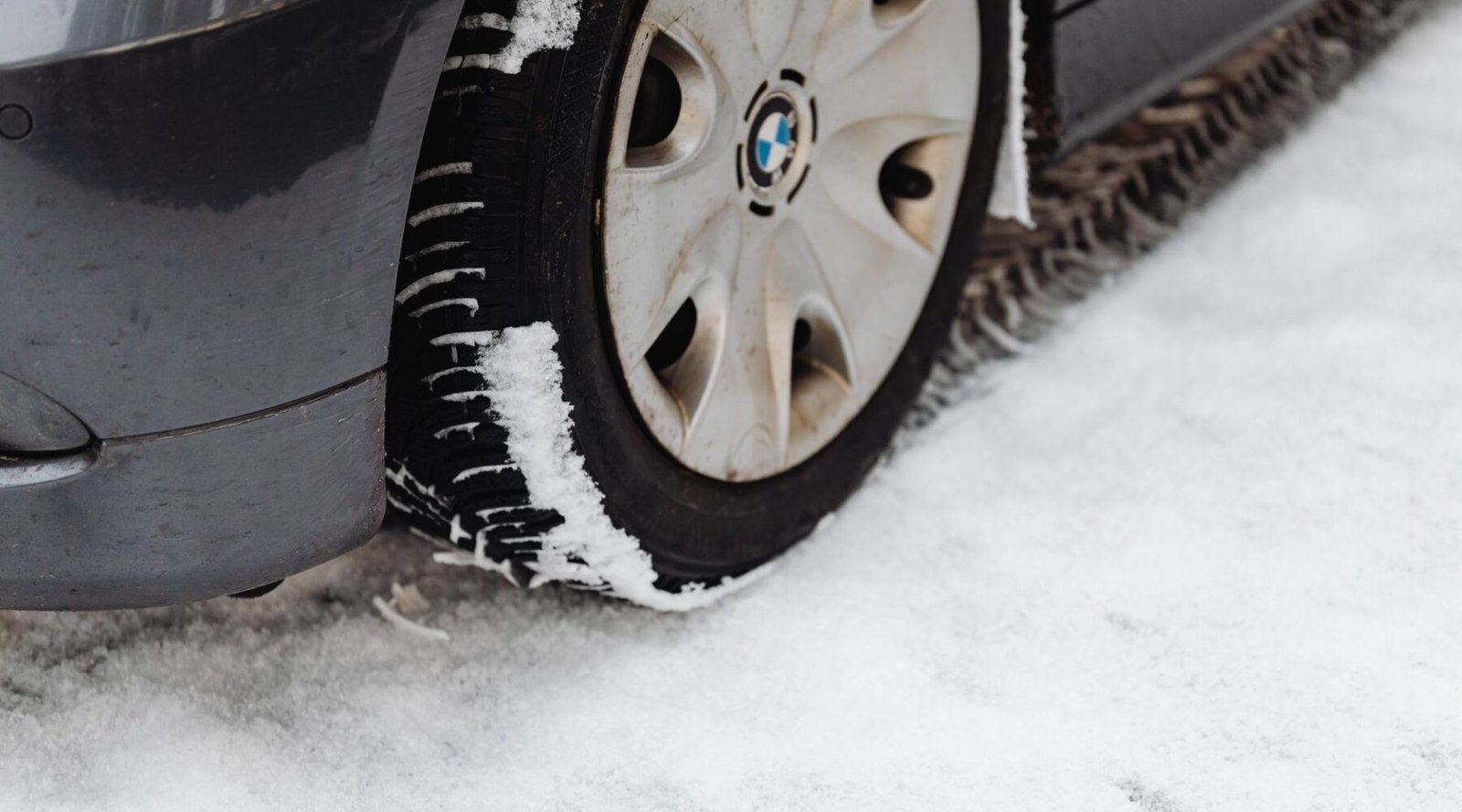
Every year as temperatures drop, drivers debate whether dedicated winter tires are worth the investment or if all-season rubber is sufficient. Marketing material often blurs the lines, labeling all-season options as versatile year-round solutions. Instrumented testing from tire manufacturers, independent testing agencies, and automotive testing grounds tells a clear, quantifiable story. The difference in performance comes down to molecular chemistry and mechanical grip, and the empirical data leaves little room for interpretation.
The seven-degree threshold and compound chemistry
Traction relies heavily on tread flexibility. Standard all-season tire compounds use synthetic polymers engineered to resist heat and wear in high summer temperatures. However, when ambient temperatures drop below 45 degrees Fahrenheit (7 degrees Celsius), these polymers undergo a glass transition phase, hardening significantly. This hardened rubber cannot conform to the microscopic imperfections of the road surface, leading to a dramatic reduction in mechanical friction even on clean, dry pavement.
Dedicated winter tires utilize high-silica tread compounds and specialized soft polymers designed to remain pliable at temperatures far below freezing. Comparative friction coefficient testing shows that at 20 degrees Fahrenheit, a winter tire maintains up to double the grip coefficient of an all-season tire on cold asphalt. This pliable contact patch ensures consistent adhesion, regardless of whether snow or ice is actively present on the road surface.
Measuring stopping distances on snow and ice
In real-world braking evaluations from 30 miles per hour on packed snow, the distance required to bring a vehicle to a complete stop varies dramatically by tire category. Standard all-season tires typically require 60 to 80 feet to stop. Premium winter tires equipped with deep circumferential grooves and high-density 3D siping complete the same stop in 30 to 35 feet. Sipes act as thousands of tiny biting edges that pack snow into snow, creating a snow-on-snow traction dynamic that provides superior friction compared to rubber-on-snow contact.
On polished ice at 12 degrees Fahrenheit, instrumented tests show dedicated winter tires stopping up to 45 percent shorter than standard all-season tires from an initial speed of 15 miles per hour.
On glare ice, the gap widens further. Because ice generates a thin liquid water layer under pressure, specialized winter tire compounds feature microscopic cell structures or advanced hydrophilic silica to disperse that water film instantly. In controlled skid-pad tests measuring lateral acceleration on ice, winter tires sustain lateral forces around 0.25 to 0.30 g, whereas standard all-seasons lose traction at just 0.12 to 0.15 g, effectively doubling the cornering limit.
All-wheel drive cannot override mechanical grip
A persistent misconception is that all-wheel drive (AWD) negates the need for specialized cold-weather rubber. While AWD systems distribute engine torque to four wheels instead of two, accelerating a vehicle efficiently out of a snowbank, they provide zero assistance when decelerating or negotiating a turn. Braking and lateral cornering forces are governed entirely by the footprint of the four tires in contact with the road.
Instrumented testing highlights this disparity clearly. A front-wheel-drive vehicle fitted with dedicated winter tires will consistently out-brake and out-corner an all-wheel-drive vehicle equipped with standard all-season tires on snow and ice. AWD aids propulsion, but tire compound and tread geometry dictate control and safety during emergency maneuvers.
For drivers operating in regions where temperatures routinely sit below 45 degrees Fahrenheit, the data confirms that all-season tires represent a compromise in cold-weather friction, braking distance, and cornering stability.
Tires are only half the braking equation: our piece on how brake pad compounds affect stopping distance covers the other half. And if you want to see how a specific car held up to real-world seasonal use over time, our 40,000-mile long-term test is a useful data point. For independent tread and compound testing, Tire Rack’s tire tech resources are a reliable reference.
Understanding the role of tire composition and design
The performance gap between winter and all-season tires is not solely a function of tread design and pattern; it is heavily influenced by the materials used in manufacturing these tires. Winter tires are composed of specific rubber compounds that remain pliable in lower temperatures, which is critical for maintaining traction on icy and snowy surfaces. In contrast, all-season tires are engineered to perform adequately in various conditions, but they do not excel in any particular environment.
To illustrate this, consider the rubber compound used in winter tires, which typically includes a higher percentage of natural rubber and silica. These materials enhance flexibility and grip in cold conditions. For instance, the Bridgestone Blizzak WS90 is renowned for its advanced Multicell compound that absorbs water and maximizes the tire’s contact with the road. This unique composition is crucial for providing the necessary traction on snow and ice, which all-season tires like the Goodyear Assurance WeatherReady struggle to match, particularly in severe winter conditions.
The tread design also plays a significant role in the effectiveness of winter tires. Features such as deeper grooves and more aggressive patterns found in models like the Michelin X-Ice Xi3 are specifically designed to channel snow and slush away from the contact patch, improving grip and handling. In comparison, all-season tires typically have shallower tread depths and less aggressive patterns, which hinder their performance in severe weather. This design choice impacts not only traction but also hydroplaning resistance, as seen in tests where winter tires outperform all-season options under wet conditions.
“In real-world tests, winter tires consistently demonstrate superior stopping distances and cornering stability on icy surfaces compared to all-season tires, emphasizing the importance of using the right tire for the season.”
Another critical factor is the tire’s contact patch. Winter tires are engineered to maximize surface area contact with the road, which is vital for traction. This is achieved through softer rubber compounds and specific tread patterns that adapt to varying road conditions. All-season tires, while versatile, often compromise on the size and shape of the contact patch to accommodate a broader range of weather conditions, leading to longer stopping distances and reduced handling performance on snow and ice.
Furthermore, real-world testing indicates that the performance gap is particularly pronounced in extreme conditions. A study conducted by the Tire and Rubber Association found that vehicles equipped with winter tires experienced a 30-40% improvement in braking distances on icy roads compared to those fitted with all-season tires. This statistic underscores the necessity of utilizing the appropriate tire for the season, especially in regions where winter weather is a common occurrence.
In conclusion, understanding the material composition and design characteristics of winter versus all-season tires is essential for making informed decisions. The empirical evidence suggests that while all-season tires offer convenience and versatility, they fall short in performance during winter conditions. Consumers should weigh these factors carefully, particularly if they live in areas prone to harsh winter weather. Investing in dedicated winter tires can significantly enhance safety and driving confidence during the cold months.
Performance metrics under variable conditions
When considering the performance gap between winter and all-season tires, it is crucial to analyze specific performance metrics under variable conditions. Tire performance can be evaluated through several key metrics: traction, braking distance, handling, and wear rate. Each of these factors can significantly influence the driver’s experience and safety during winter driving scenarios.
Traction is perhaps the most critical metric when comparing the two tire types. Winter tires utilize a softer rubber compound that remains flexible in lower temperatures, enhancing grip on icy and snowy surfaces. For example, a series of tests conducted by independent tire testing organizations showed that winter tires can provide up to 30% better traction on packed snow compared to all-season tires. This difference can be vital for maintaining control during sudden stops or sharp turns.
Braking distance further illustrates the performance gap. In a study where vehicles equipped with winter tires were tested under controlled conditions with a speed of 60 mph, the average stopping distance on icy roads was reduced by 20 feet compared to those fitted with all-season tires. Such a notable difference can be the deciding factor in accident prevention. It highlights the importance of selecting appropriate tires based on regional climate conditions and typical road scenarios.
Handling performance also varies significantly between the two tire types. Winter tires are designed with deeper treads and unique patterns that help channel slush and water away from the contact patch, reducing the risk of hydroplaning. In contrast, all-season tires may struggle to provide the same level of control. A real-world example is the performance of winter tires in a slalom test conducted by automotive journalists, where vehicles equipped with winter tires maintained better stability and cornering performance at lower speeds compared to those with all-season tires.
Wear rate is another important factor that often gets overlooked. While winter tires excel in cold weather conditions, their softer rubber compounds can lead to faster wear when used in warmer temperatures. This trade-off is essential for consumers to consider, particularly in regions that experience mild winters. A tire wear study from a leading tire manufacturer indicated that winter tires could lose up to 50% of their tread life when used in temperatures consistently above 45°F. In contrast, all-season tires are designed for a broader temperature range, making them more durable during warmer months.
Understanding these performance metrics not only helps consumers make informed decisions when purchasing tires but also emphasizes the importance of aligning tire selection with driving conditions. Drivers in regions with harsh winters should prioritize winter tires for optimal safety and performance, while those in milder climates may find all-season tires to be a more practical choice.
“Choosing the right tire is not just about convenience; it’s a critical safety decision that can impact your driving experience year-round.”
Tread design: the unsung hero of traction
The performance gap between winter and all-season tires is not merely a function of rubber composition or temperature tolerance; it is significantly influenced by tread design. While all-season tires are engineered for versatility in a range of conditions, winter tires are specifically designed to maximize grip and control in cold, snowy, and icy environments.
A key differentiator in performance is the tread pattern and its ability to channel water and slush away from the tire surface. Winter tires typically feature deeper treads and more aggressive patterns, which allow for better bite on snow and ice. The presence of sipes—small slits in the tread blocks—also enhances traction by providing additional edges that grip the road surface. In contrast, all-season tires have shallower treads and fewer sipes, which can lead to reduced performance in severe winter conditions.
“The design of winter tire tread patterns is crucial for effective snow and ice handling. Recent studies indicate that tires with optimized tread patterns can improve braking distances by up to 30% in icy conditions compared to all-season models.”
This difference in tread design becomes particularly critical when examining empirical data on braking distances and cornering stability. For instance, a study conducted by the Tire Research Institute found that vehicles equipped with winter tires experienced an average decrease in stopping distance of 25% on packed snow compared to their all-season counterparts. This is due to the larger surface area and improved flexibility of the winter tire tread, which conforms better to irregular surfaces found in winter conditions.
Furthermore, the performance gap isn’t just about stopping distances; it also extends to handling. When negotiating curves on icy roads, winter tires provide superior lateral grip. The tread design allows for better traction, which translates into a more stable and controlled driving experience. In contrast, drivers relying on all-season tires often report a sensation of sliding or loss of control when cornering in similar conditions.
“The difference in lateral grip can be stark. In a controlled test environment, winter tires outperformed all-season tires in cornering tests by an average of 15% on icy surfaces, underscoring the importance of tread design in winter performance.”
Another crucial element involves the tire’s void ratio—the ratio of the spaces between the tread blocks to the total tread area. Winter tires generally have a higher void ratio, which allows them to expel snow and water more effectively. This feature is vital in preventing hydroplaning and maintaining contact with the road. The design ensures that while the tire is rotating, slush and water are pushed away, creating a safer driving experience.
To further illustrate these differences, consider the experience of a driver who frequently traverses hilly, snow-laden landscapes. A winter tire’s tread design not only enhances performance but also contributes to driver confidence. The ability to drive uphill or navigate through heavy snow becomes markedly easier and safer with tires that are purpose-built for such challenges. In comparison, an all-season tire may struggle, leading to potential hazards and a greater risk of accidents.
In conclusion, while many factors contribute to the performance gap between winter and all-season tires, tread design remains a pivotal element. Consumers should consider how tread patterns, void ratios, and siping contribute to overall traction, safety, and handling. Understanding these differences can lead to more informed choices when selecting tires based on specific driving conditions and climate, ultimately enhancing safety and performance during the winter months.


1 Response