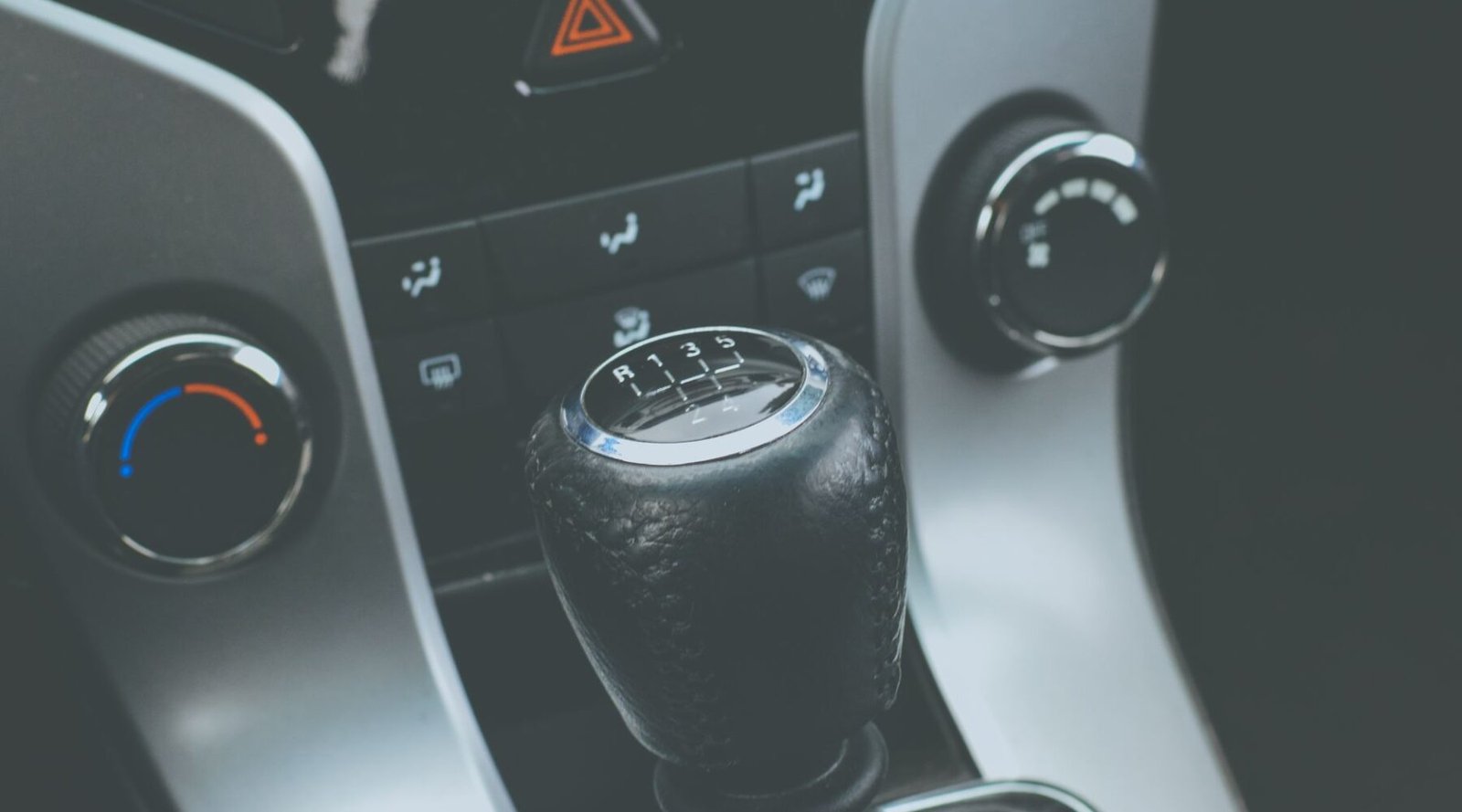
For most of the last ten years, the manual transmission looked like a dead option waiting for a decent obituary. Take rates on most models had fallen into low single digits, automatic transmissions closed the fuel economy gap, and engineering a third pedal into a modern platform costs real money for a shrinking audience.
Lately, several automakers have reversed course, adding manual options back to trims that dropped them, or building new ones for cars that never offered one. The reasoning is less sentimental than it looks.
It is a marketing tool now, not a volume play
Nobody expects manual take rates to climb back to double digits. What a manual option does is generate outsized press coverage and enthusiast attention relative to its cost, especially for performance and compact models trying to stand out in a crowded field. A well-reviewed manual variant gets written about, cross-shopped, and photographed in a way the automatic version rarely does.
There is also a retention angle: buyers who specifically seek out manual cars tend to be repeat customers who talk about their cars publicly, whether that is a car forum, a local track day, or just conversation with friends shopping for their own next car. That word of mouth is hard to buy through advertising.
What is not coming back
Do not expect manuals in three-row SUVs, full-size trucks in most trims, or anything with a hybrid powertrain, where the transmission has to coordinate with an electric motor in ways a traditional clutch cannot easily manage. The revival is concentrated almost entirely in compact cars, sport coupes, and a handful of performance trims, where the enthusiast audience that wants one is large enough to justify the tooling cost.
Our own long-term test of a base manual hatchback is a good look at what living with a third pedal is actually like day to day, and if you want to see what a manual teaches you under real load, our story on what a track day teaches you about your daily driver covers that. For the broader industry picture, Reuters’ autos and transportation coverage tracks these production decisions as they happen.
Reviving the driving experience: Manual transmissions and consumer demand
The resurgence of manual transmissions can be closely linked to a growing consumer demand for engagement and authenticity in driving experiences. As vehicles have increasingly shifted toward automation and electric drivetrains, many enthusiasts and casual drivers alike are seeking a more tactile connection with their cars. This revival isn’t purely nostalgic; it is also a strategic response to market trends that prioritize driving pleasure alongside performance.
Brands like Ford and Mazda have recognized this shift. Ford’s decision to offer a manual transmission in the Mustang GT 5.0L V8 model appeals directly to enthusiasts who desire a more involved driving experience. Meanwhile, Mazda has made a name for itself with the MX-5 Miata, a lightweight roadster that features a manual transmission as a standard option, reinforcing the idea that driving should be an engaging activity rather than a passive one.
“Driving is an experience that should connect you to the road. Manuals provide that connection in a way that automatics simply cannot.” – Mazda representative
Furthermore, the revival also intersects with a broader movement towards customization. Many new car buyers, particularly younger generations, are looking for ways to personalize their vehicles. Manual transmissions offer a level of driver control that resonates with this desire. Brands are not only reintroducing manuals to cater to enthusiasts but are also recognizing that they can create unique driving packages that stand out in the crowded automotive market.
The manual transmission’s appeal also extends to the performance segment. Automakers like Chevrolet have embraced this with the Corvette, where the manual transmission option has become a hallmark of the model’s identity. The C8 Corvette, while primarily offered with a dual-clutch automatic, still gives enthusiasts the chance to opt for a manual in the earlier C7 generation, a nod to the brand’s heritage. This choice solidifies the notion that manual transmissions can enhance the driving experience by allowing for precision gear changes that are often preferred by performance aficionados.
Moreover, the environmental angle cannot be overlooked. As the automotive industry faces increasing scrutiny regarding fuel efficiency and emissions, some manufacturers are promoting manuals as a way to enhance driver engagement while maintaining a focus on performance. Manuals often allow for a more controlled power delivery, which can lead to improved fuel economy under certain driving conditions. This ecological perspective adds another layer of complexity to the argument for manual transmissions, positioning them as not just a relic of the past, but as a viable option in the future of driving.
“We see manuals as a way to combine efficiency with the thrill of driving. It’s about making the most of every gear and every turn.” – Ford engineer
Ultimately, the return of manual transmissions is emblematic of a larger conversation within the automotive world about the future of driving. As vehicles evolve with technology, the desire for a more connected and engaging driving experience remains strong. Automakers are not just bringing back manuals; they are responding to a demographic that values authenticity and control, ensuring that the art of driving is not lost in the age of automation. This trend will likely continue to shape the offerings of manufacturers as they navigate the balance between efficiency, performance, and the sheer joy of driving.
Driving engagement through technology
The advent of advanced driver-assistance systems (ADAS) has transformed the automotive landscape, yet this technology also rekindles the appeal of manual transmissions by enhancing driving engagement. As vehicles become increasingly automated, many enthusiasts and automakers argue that the manual gearbox offers a unique driving experience that cannot be replicated by automatic systems, even those utilizing cutting-edge technology.
For instance, a manufacturer like Porsche has strategically incorporated manual options in their lineup, such as the 911 GT3. This model caters to purists who crave a tactile connection to the road. By offering a six-speed manual alongside the automatic PDK transmission, Porsche enables drivers to engage more deeply with vehicle dynamics, promoting a sense of control that is often diluted in automatic systems.
“Driving a manual transmission car is a visceral experience. It connects the driver to the machine in a way that automatics cannot replicate.” – Head of Porsche Driving Experience
Additionally, automakers are harnessing technology to enhance the manual transmission experience rather than replace it. For example, the new Ford Mustang offers a rev-matching feature that assists drivers in downshifting, making the manual gearbox more accessible to novices while still providing an exhilarating experience for seasoned drivers. This blend of modern technology with traditional driving mechanics illustrates how manufacturers are adapting to consumer preferences without sacrificing the joy of manual driving.
Furthermore, emerging electric vehicles (EVs) are also exploring the manual transmission concept. While traditional manuals are incompatible with electric drivetrains, some brands are experimenting with software that simulates manual-like engagement. Tesla’s recent updates have included ‘track mode’ settings that allow drivers to control power delivery and braking more actively, echoing the engagement found in manual transmissions. This innovative approach indicates a potential future where the essence of manual driving can be preserved even in a world dominated by electric propulsion.
Moreover, the cultural significance of manual transmissions should not be underestimated. Enthusiasts often associate manual gearboxes with a sense of freedom and skill that contrasts sharply with the ease of automatics. This cultural narrative is palpable in motorsport, where manual transmissions are still prevalent in many racing series. The grassroots motorsports community continues to celebrate manual gearboxes, fostering a sense of camaraderie and skill among participants. As a result, automakers are increasingly aware that preserving manual options is not just about market differentiation; it’s about keeping alive a rich automotive heritage.
As carmakers navigate the shift towards electrification and automation, the revival of manual transmissions also presents an opportunity for brands to connect with younger generations who seek authenticity in their driving experiences. The thrill of mastering a manual transmission may attract a new wave of driving enthusiasts, allowing manufacturers to market vehicles that emphasize skill and engagement rather than mere convenience.
In conclusion, the return of manual transmissions is not merely a nostalgic nod to the past; it represents a strategic move to enhance driving engagement in an increasingly automated world. By blending traditional mechanics with modern technology and preserving the cultural significance of manual driving, automakers are not only responding to enthusiast demand but are also redefining the future of how we interact with our vehicles.
The cultural renaissance of the manual transmission
The revival of manual transmissions among automakers is not solely a technical or performance-driven decision; it is also deeply rooted in cultural and emotional factors. As the automotive industry evolves with advancements in technology and a shift towards electric vehicles, enthusiasts are increasingly nostalgic for the driving experiences that manuals provide. This sentiment resonates particularly with younger generations who are seeking authenticity and a connection to the art of driving.
For many car enthusiasts, a manual transmission is more than just a means of shifting gears; it represents a form of engagement that automatic transmissions cannot replicate. The tactile feedback of a gear stick, the deliberate act of clutch engagement, and the thrill of mastering timing and rev-matching creates a connection between the driver and the vehicle. This connection is often described as a form of empowerment, allowing drivers to feel more in control of their car’s performance.
“Driving a manual is like participating in a dance with the vehicle, where every movement counts,” says Sarah Thompson, a driving instructor and automotive journalist. “It’s about understanding the machine and how to communicate with it.”
Moreover, the resurgence of the manual transmission is also being fueled by a growing community of enthusiasts who actively advocate for its preservation. Car clubs, online forums, and social media groups dedicated to manual transmission vehicles have blossomed, showcasing the passion and knowledge of their members. Events such as car meets and track days often celebrate manual vehicles, drawing large crowds and fostering a sense of camaraderie among participants. This cultural renaissance adds a layer of community and belonging that many younger drivers find appealing.
Automakers are taking note of these cultural trends. Brands like Mazda, with its MX-5 Miata, and Porsche, with its 911, have recognized the importance of offering manual options to cater to a dedicated customer base. Even luxury brands like Aston Martin and Lamborghini have included manual transmission options in their models, appealing to purists who value driving engagement alongside performance. This strategy not only helps maintain brand loyalty among existing customers but also attracts new drivers who seek an authentic driving experience.
Furthermore, the rise of social media has amplified the visibility of manual transmissions, as influencers and automotive content creators showcase their driving experiences. Videos featuring manual vehicles often go viral, emphasizing the joy and skill involved in operating these cars. This online presence serves to educate potential buyers about the advantages of manual transmissions and creates a buzz that encourages automakers to keep this option alive.
In a world increasingly dominated by automation, the manual transmission embodies a desire for authenticity, skill, and engagement. It reflects a pushback against a digital-first approach to driving, where many young drivers are looking for experiences that challenge and excite them. As automakers continue to explore how to balance technological advancements with the emotional appeal of driving, the manual transmission seems poised to hold a unique and cherished place in automotive culture.
In conclusion, the rise of the manual transmission is as much about the car itself as it is about the community and culture surrounding it. Automakers are not just reviving a feature; they are tapping into a deeper narrative that resonates with drivers who yearn for a more connected and engaged driving experience.
Driving engagement and the enthusiast market
As automakers increasingly pivot towards electric and automatic transmissions, the revival of manual transmissions is largely driven by a desire to cater to driving enthusiasts who seek a more visceral connection with their vehicles. This demographic, while smaller than the average car buyer, represents a passionate segment of the market that values the engagement and control that a manual gearbox offers.
Brands like Porsche and Mazda have been at the forefront of this trend, recognizing that their core customers are not just interested in speed and efficiency but also in the joy of driving. For instance, the Porsche 911 GT3, a model designed for high-performance driving, continues to offer a manual transmission option, appealing to purists who appreciate the tactile feedback and control it provides. Similarly, Mazda’s MX-5 Miata has maintained its manual option, which is integral to its identity as a lightweight roadster focused on driving pleasure.
“Driving a manual is not just about shifting gears; it’s about being part of the car’s mechanics, feeling every change in speed and power.”
This focus on driving engagement extends beyond traditional sports cars to mainstream models, as automakers like Honda and Ford have begun to recognize that offering a manual transmission can enhance the driving experience even in more affordable vehicles. The Honda Civic Si, for example, retains a six-speed manual option, allowing drivers to feel more connected to the road, which enhances its appeal among younger buyers who may prioritize experience over sheer performance.
Moreover, the resurgence of manual transmissions is partially fueled by a growing backlash against the homogenization of driving experiences brought on by automatic transmissions. Many car enthusiasts argue that automatics, especially with the advent of dual-clutch systems, can often make driving feel too clinical or detached. In contrast, manual transmissions require a level of skill and involvement that cannot be replicated by automation. This sentiment has been echoed in various automotive forums and enthusiast gatherings, where the joy of driving is celebrated as an art form.
Furthermore, with the rise of the “car culture” on social media platforms, enthusiasts are sharing their experiences and promoting vehicles with manual transmissions as part of a broader narrative around authenticity and connection to the driving experience. This cultural shift is encouraging manufacturers to reevaluate their offerings and consider the manual transmission as a way to differentiate themselves in a crowded market.
Importantly, the economic implications of this trend cannot be ignored. Automakers are finding that the manual transmission can serve as a unique selling proposition in a competitive landscape. By marketing the manual option, they can attract a niche audience willing to pay a premium for a more engaging driving experience. This approach not only fosters brand loyalty among enthusiasts but also enhances the overall image of the manufacturer as one that values driving pleasure and authenticity.
Ultimately, the revival of manual transmissions is more than just a marketing gimmick; it is a response to a segment of the automotive market that craves a deeper connection to their vehicles. As long as there are drivers who seek an emotional bond with their cars, the manual transmission will likely continue to have a place in the hearts—and garages—of automotive enthusiasts, ensuring its survival in an era dominated by technology and convenience.



1 Response