How much should you budget for car maintenance each year? This question is essential for any vehicle owner. Understanding the financial commitment involved in car maintenance helps in planning your budget effectively, ensuring your vehicle remains safe and reliable.
Understanding the basics of car maintenance costs
Car maintenance costs can vary significantly based on several factors, including the type of vehicle, its age, and driving habits. Generally, budgeting for car maintenance requires consideration of routine services, unexpected repairs, and the overall condition of the vehicle. Many automotive experts recommend setting aside 1% to 2% of your car’s purchase price annually for maintenance. For instance, if your car costs $20,000, budgeting $200 to $400 per year is a good starting point.
Average annual maintenance costs
The average annual cost of car maintenance in the United States typically ranges from $500 to $1,200. According to the American Automobile Association (AAA), the average cost of maintenance and repairs for a typical vehicle is around $1,186 annually. This figure includes routine maintenance, such as oil changes, tire rotations, and brake inspections, as well as unscheduled repairs.
Breaking down routine maintenance costs
Routine maintenance is crucial for the longevity of your vehicle. Here are some common services and their average costs:
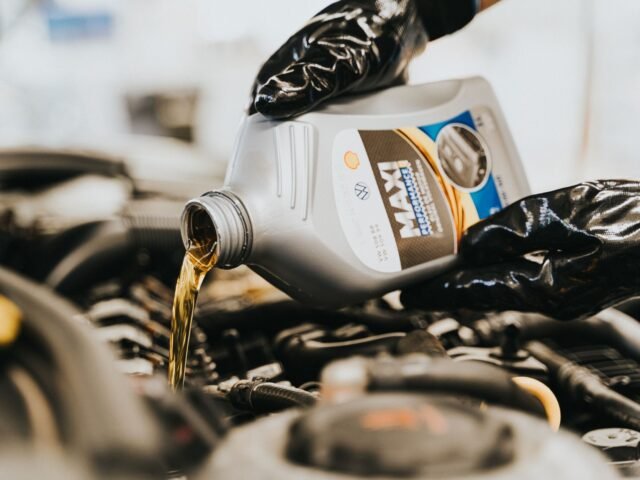
- Oil changes: $35 to $75 every 5,000 to 7,500 miles
- Tire rotations: $20 to $50 every 5,000 to 7,500 miles
- Brake inspections: $50 to $100 annually
- Fluid changes: $50 to $150 for transmission, coolant, and brake fluids every 30,000 miles
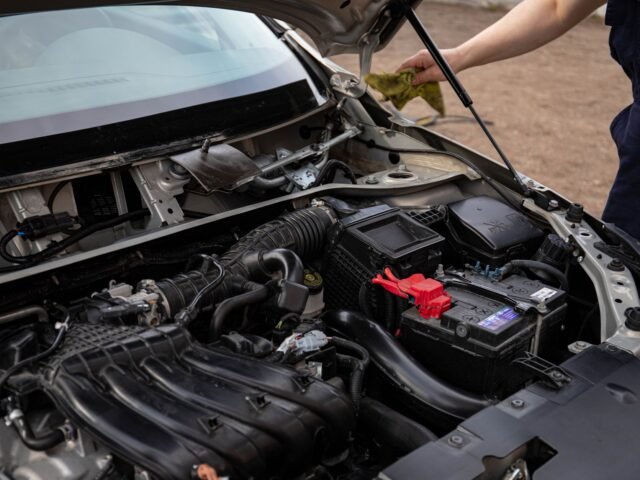
- Battery replacement: $100 to $200 every 3 to 5 years
Factors influencing maintenance costs
Several factors can influence your overall car maintenance budget. These include:
Vehicle age and mileage
Older vehicles and those with higher mileage often require more frequent maintenance and repairs. As cars age, components wear out, leading to more significant repair costs.
Driving habits
Your driving style can significantly impact maintenance costs. Aggressive driving, frequent short trips, and heavy loads can lead to increased wear and tear on your vehicle.
Type of vehicle
The make and model of your vehicle also play a crucial role. Luxury and performance cars tend to have higher maintenance costs due to specialized parts and services. On the other hand, economy cars often have lower maintenance costs.
Emergency repairs and unexpected costs
While routine maintenance is predictable, unexpected repairs can derail your budget. It’s advisable to set aside an emergency fund specifically for unexpected automotive expenses. A common recommendation is to save at least $1,000 to $2,000 for these unforeseen costs.
Common unexpected repairs
Some common unexpected repairs include:
- Transmission repairs: $1,000 to $3,500
- Engine repairs: $1,500 to $4,000
- Suspension repairs: $1,000 to $2,500
- Electrical system repairs: $100 to $1,500
Long-term budgeting for car maintenance
Planning for long-term maintenance costs is essential for vehicle ownership. As your car ages, the cost of maintenance will likely increase. It’s wise to anticipate higher expenses as you approach the 100,000-mile mark and beyond.
Establishing a maintenance schedule
Creating a maintenance schedule based on your vehicle’s owner’s manual can help you stay organized and ensure that you don’t overlook essential services. Adhering to this schedule can prevent more costly repairs down the line.
How to save on car maintenance costs
There are ways to save on car maintenance without compromising quality. Here are some strategies:
- DIY maintenance: Simple tasks such as oil changes and air filter replacements can often be done at home.
- Shop around: Don’t settle for the first quote you receive. Comparing prices can lead to significant savings.
- Look for discounts: Many repair shops offer discounts or loyalty programs that can reduce your costs.
- Use quality parts: While cheaper parts may save money upfront, they can lead to more frequent repairs.
Conclusion: Preparing for car maintenance costs
Understanding how much to budget for car maintenance each year is essential for any vehicle owner. By considering routine maintenance, unexpected repairs, and factors that influence costs, you can create a realistic budget. Setting aside funds for both routine and emergency repairs ensures that you are prepared for anything your vehicle may need. With careful planning and proactive maintenance, you can keep your car running smoothly for years to come.
Understanding the cost of unexpected repairs
While budgeting for regular car maintenance is essential, it’s equally important to prepare for unexpected repairs that can arise throughout the year. These unforeseen costs can disrupt even the most meticulously planned budget. To effectively manage these uncertainties, it’s crucial to understand common issues that vehicles face and how to build a financial buffer to accommodate them.
One way to anticipate these costs is by reviewing the reliability ratings of your vehicle. Brands with high reliability ratings typically incur fewer unexpected repairs. For instance, vehicles from manufacturers like Toyota and Honda often have lower average repair costs due to their durability. In contrast, luxury brands or vehicles with complex technology might experience higher repair costs, which should be factored into your budgeting.
On average, car owners can expect to spend between $500 to $1,000 annually on unexpected repairs. However, this can vary greatly depending on the age of the vehicle, type of repairs needed, and geographical location. For example, older cars may require more frequent repairs as parts wear out, while certain regions may see higher labor costs. A 2019 report from AAA indicated that one in three drivers faced a repair bill of $500 or more in the past year, highlighting the importance of preparing for these expenses.
To create a realistic emergency repair fund, consider setting aside a specific percentage of your monthly budget dedicated to car maintenance. A good rule of thumb is to allocate 15% of your overall maintenance budget to cover unexpected repairs. If your annual maintenance budget is $1,200, this would mean setting aside $180 for unexpected issues.
Another effective strategy is to keep detailed records of your car’s maintenance history. By tracking past repairs and recurring issues, you can identify potential problem areas that may require more attention. For example, if you’ve experienced frequent brake issues or electrical problems, it may be wise to allocate a larger portion of your budget to these areas in the future.
Moreover, consider the benefits of obtaining a vehicle service contract or extended warranty. While these options come with upfront costs, they can save you money in the long run by covering unexpected repairs. However, it’s crucial to read the fine print carefully and assess whether the coverage aligns with your vehicle’s needs.
“A well-prepared car owner is often less stressed when faced with unexpected repairs, leading to a smoother overall ownership experience.”
Finally, be proactive about maintenance. Regularly inspecting your vehicle and addressing minor issues before they escalate can significantly reduce the likelihood of costly repairs. For instance, changing the oil on schedule, replacing worn tires, and keeping up with brake checks can help prevent major problems from developing.
In summary, while budgeting for regular maintenance is vital, preparing for unexpected repairs is equally important. By understanding common issues, setting aside a dedicated emergency fund, and maintaining detailed records, you can navigate the financial aspects of car ownership with greater confidence and resilience.
Understanding the hidden costs of car ownership
When budgeting for car maintenance, it’s easy to focus on visible expenses like oil changes and tire rotations. However, several hidden costs can significantly impact your overall budget. Recognizing these costs can lead to more accurate planning and prevent financial surprises.
One essential hidden cost is depreciation. While it’s not something you pay out of pocket annually, it affects your car’s resale value. Cars typically depreciate 15-20% in the first year alone and continue to lose value over time. For instance, if you purchase a new car for $30,000, you might only be able to sell it for $24,000 after a year, representing a $6,000 loss. This depreciation should be factored into your annual budget, especially if you plan to sell or trade in your vehicle.
Insurance premiums also represent a hidden cost that varies significantly based on factors such as vehicle type, driving record, and location. For example, insuring a sports car may cost significantly more than insuring a sedan. If you drive a luxury vehicle, you could face premiums that are hundreds of dollars higher per year compared to a more economical model. Additionally, as your car ages, insurance rates can fluctuate based on its safety ratings, repair costs, and theft rates. It’s crucial to review your policy regularly and adjust your budget accordingly.
Another often-overlooked cost is registration and taxes. Depending on where you live, vehicle registration fees can vary widely. In some states, these fees are based on the car’s value, which means as your car depreciates, your registration costs might decrease. However, in others, you may face flat fees or even additional taxes for certain vehicle types. For instance, in California, electric vehicles are subject to a $100 annual fee in addition to registration costs, which can make ownership more expensive over time.
“Understanding these hidden costs can lead to more accurate planning and prevent financial surprises.”
Maintenance costs can also be influenced by how you drive. Aggressive driving, such as rapid acceleration and hard braking, can lead to increased wear on your vehicle, resulting in more frequent repairs and replacements. For example, brake pads may need replacing sooner than expected, leading to additional costs that can add up over the years. Keeping a smoother driving style can extend the life of various components, saving you money in the long run.
Fuel costs should not be underestimated either. While fluctuating gas prices can impact your budget from month to month, the fuel efficiency of your car can have a significant annual impact. For instance, if you drive a vehicle that gets 25 miles per gallon and you drive 12,000 miles a year, you’ll consume about 480 gallons of gas. At a gas price of $3 per gallon, that’s $1,440 annually. If you switch to a more fuel-efficient model that gets 35 miles per gallon, your annual fuel costs could drop to around $1,028, saving you over $400 a year.
Finally, don’t forget about emergency repairs. Setting aside a contingency fund is wise since unplanned repairs can quickly derail your budget. Aim for at least $500 to $1,000 annually to cover unexpected expenses like a blown transmission or engine failure. This proactive approach allows you to manage sudden financial burdens without jeopardizing your overall budget.
By considering these hidden costs, you can create a more comprehensive and realistic budget for your car maintenance, helping you make informed decisions about your vehicle ownership.
Understanding the benefits of preventive maintenance
Preventive maintenance is often viewed as an added expense, but it can significantly reduce long-term costs and extend the lifespan of your vehicle. By committing to regular maintenance, you can identify potential issues before they escalate into costly repairs. For example, neglecting to change the oil regularly can lead to engine problems that may require an entirely new engine, costing thousands of dollars. In contrast, a simple oil change costs a fraction of that amount.
According to industry estimates, preventive maintenance can save car owners up to 30 percent on repair costs over the life of the vehicle. This can mean the difference between spending a few hundred dollars on routine services like oil changes, tire rotations, and brake inspections versus thousands on emergency repairs.
“An ounce of prevention is worth a pound of cure.” – Benjamin Franklin
Consider a case where a driver skips regular brake inspections. If worn brake pads are not replaced in a timely manner, they can damage rotors, which can lead to a repair bill that’s significantly higher than the cost of replacing the pads. Routine checks can prevent this chain reaction of expenses, ensuring that you only pay for what is necessary.
Another aspect of preventive maintenance involves monitoring tire health. Maintaining proper tire pressure and ensuring even tread wear can enhance fuel efficiency and improve safety. A well-maintained tire can save you up to $100 annually in fuel costs, according to the U.S. Department of Energy.
Investing in regular inspections and services can also enhance your car’s resale value. A vehicle with a documented maintenance history is often more appealing to buyers, potentially increasing its value by as much as 20 percent compared to a similar model without a maintenance record. Thus, while preventive maintenance may seem like an upfront cost, it can pay dividends in both savings and value retention.
To make the most of your preventive maintenance budget, consider establishing a maintenance schedule tailored to your vehicle’s specific needs. Refer to your owner’s manual for recommended service intervals and keep meticulous records of all services performed. This not only helps you stay on top of maintenance but also provides a comprehensive history that can be beneficial when it comes time to sell or trade in your vehicle.
In conclusion, preventive maintenance is not merely an optional expense but a wise investment that can lead to substantial savings. By prioritizing regular checks and services, vehicle owners can ensure their cars operate efficiently, stay safe, and maintain their value over time.
Related reading: How to replace your car battery effectively, and How to tell if your car battery is dying. For an outside reference on this topic, see NHTSA's vehicle resources.