Car leaking oil when parked is a concern that many vehicle owners encounter. This issue not only raises questions about the vehicle’s integrity but also poses environmental risks and potential safety hazards. Understanding the causes and solutions for oil leaks can help you address the problem effectively before it escalates.
Understanding oil leaks
Oil leaks can manifest in various ways, with the most noticeable being fluid puddles forming under your parked car. Oil is essential for lubricating engine components, preventing wear and tear, and maintaining optimal performance. When the oil leaks, it can lead to engine damage, reduced efficiency, and costly repairs.
Common causes of oil leaks
Identifying the cause of an oil leak is crucial for effective repairs. Below are some common reasons why cars leak oil when parked:
1. Worn or damaged gaskets
Gaskets are seals that prevent oil from escaping between engine components. Over time, exposure to heat and pressure can cause gaskets to wear out or crack, leading to oil leaks.
2. Loose or damaged oil pan
The oil pan is responsible for storing engine oil, and if it’s loose or damaged, it can result in leaks. Inspecting the oil pan for signs of wear, corrosion, or impact damage is essential.
3. Faulty oil filter
A malfunctioning oil filter can lead to oil leaks. If the filter is not installed correctly or is defective, oil can escape from the connection point.
4. Cracked engine block
An oil leak can also occur due to a cracked engine block, which is a serious issue. Cracks can develop from overheating or manufacturing defects, allowing oil to seep out.
Identifying the source of the leak
Before addressing an oil leak, it’s important to identify its source. Here are some steps to help pinpoint the problem:
1. Inspect the oil level
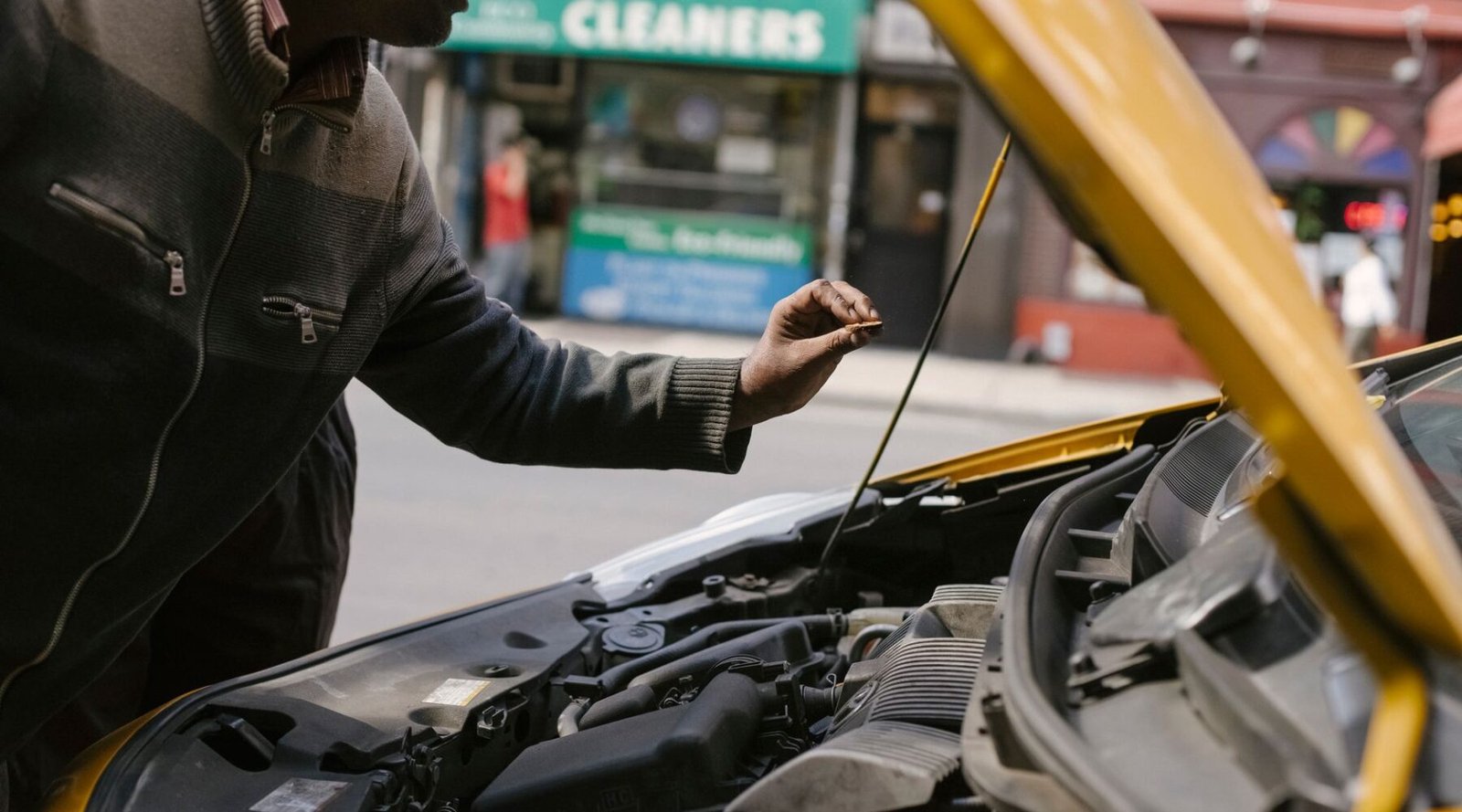
Start by checking the engine oil level using the dipstick. If the oil level is low, it can indicate a leak. Add oil if necessary and monitor the level over the following days.
2. Look for puddles or stains
Park the car on a clean, dry surface and observe any fluid that collects beneath the vehicle. Oil is typically dark brown or black and may have a slick texture. Note the location of the puddle.
3. Check for oil trails
Inspect the area underneath the vehicle and look for oil trails leading to the source of the leak. This can help you determine whether the leak is coming from a gasket, filter, or other components.
Environmental impact of oil leaks
Oil leaks not only affect vehicle performance but also pose significant environmental risks. Oil can contaminate soil and water supplies, harming local ecosystems. Responsible vehicle maintenance and prompt repairs can help minimize these impacts.
How to fix an oil leak
Once you’ve identified the source of the leak, you can take appropriate action to fix it. Depending on your skill level and the severity of the issue, you may choose to tackle the repair yourself or seek professional assistance.
1. Replacing gaskets
If worn or damaged gaskets are the culprit, replacing them is essential. This can involve disassembling parts of the engine, so ensure you have the right tools and knowledge before proceeding.
2. Tightening the oil pan
If the oil pan is loose, tightening the bolts may resolve the leak. However, if the pan is damaged, it will likely need to be replaced.
3. Changing the oil filter
If a faulty oil filter is the cause, replacing it is a straightforward fix. Make sure to use the correct filter for your vehicle and follow proper installation procedures.
4. Professional repairs
For more complex issues, such as cracked engine blocks, it is advisable to seek professional help. Mechanics have the expertise and equipment to diagnose and repair significant problems safely.
Preventing oil leaks
Taking proactive measures can help prevent oil leaks from occurring in the first place. Regular maintenance is key to ensuring the longevity of your vehicle.
1. Regular oil changes
Changing your oil at recommended intervals helps maintain engine health and reduces the risk of leaks from degraded oil.
2. Routine inspections
Regularly inspect your vehicle for any signs of wear and tear, particularly around gaskets, seals, and the oil pan.
3. Use quality parts
When replacing engine components, always use high-quality parts that meet manufacturer specifications to ensure proper fit and function.
When to seek professional help
While some oil leaks can be addressed with DIY repairs, others may require professional intervention. Seek help if:
- You are uncertain about the source of the leak.
- The leak is substantial or worsening.
- You lack the tools or experience to perform repairs.
Conclusion
Car leaking oil when parked is a common issue that can lead to serious consequences if not addressed promptly. Understanding the causes, methods for identifying the source, and solutions can empower vehicle owners to take action. Regular maintenance and inspections play a crucial role in preventing oil leaks and ensuring the longevity of your vehicle. If you encounter a significant leak, don’t hesitate to consult a professional to avoid further complications.
Understanding the environmental impact of oil leaks
Oil leaks from vehicles are not solely a mechanical concern; they also pose significant environmental risks. When oil drips onto the ground, it can infiltrate the soil and waterways, leading to harmful effects on local ecosystems. Understanding these impacts can motivate car owners to address leaks more urgently.
One of the primary components of motor oil is petroleum, which contains toxic compounds that can be detrimental to plant and animal life. For instance, when oil seeps into the soil, it can disrupt the natural balance of microorganisms essential for soil health, leading to a decline in plant growth. In aquatic systems, even small quantities of oil can create a film on the water’s surface, diminishing oxygen levels and harming aquatic species.
Furthermore, the environmental regulations surrounding oil spills and leaks are becoming increasingly stringent. For example, in many regions, local governments may impose fines on individuals and businesses for allowing oil to leak onto public property or into storm drains. These regulations emphasize the need for vehicle owners to be proactive in identifying and rectifying oil leaks.
“A single quart of oil can contaminate up to 250,000 gallons of water.”
Given the potential for widespread contamination, it is essential for car owners to monitor their vehicles regularly. Simple preventive measures can go a long way. Regularly checking oil levels and inspecting for signs of leaks can help catch issues before they escalate. If a leak is detected, addressing it promptly not only protects the environment but also preserves the integrity of the vehicle.
In addition to environmental concerns, the financial implications of ignoring oil leaks should not be overlooked. Repairing damage caused by leaking oil can be far more costly than dealing with the initial source of the leak. For example, a leaking oil pan may lead to engine oil starvation, resulting in catastrophic engine failure and repair costs that can run into thousands of dollars.
For those who park their vehicles in shared spaces, such as apartment complexes or public parking lots, the ethical implications of oil leaks are also significant. Leaving a vehicle that frequently leaks oil can contribute to a larger problem of pollution that affects the community. Engaging with neighbors or the property management about shared environmental responsibility can also encourage collective action toward maintaining vehicles and addressing issues like oil leaks.
Ultimately, the responsibility of managing oil leaks extends beyond the individual vehicle owner; it encompasses broader community and environmental stewardship. Car owners should consider their role in protecting the environment and take the necessary steps to eliminate oil leaks. By prioritizing regular maintenance and repairs, individuals can help mitigate the harmful effects of oil leakage and contribute to a cleaner, healthier environment for all.
Understanding the impact of oil leaks on vehicle performance
When a car leaks oil while parked, the immediate concern is often the potential for environmental damage and the cost of repairs. However, the implications of an oil leak extend beyond mere aesthetics or environmental concerns; they can significantly affect vehicle performance and longevity. Recognizing how an oil leak compromises your vehicle’s functionality can help motivate timely repairs and maintenance.
Oil serves as the lifeblood of your vehicle’s engine, playing a critical role in lubricating moving parts, reducing friction, and preventing overheating. When oil leaks occur, the first noticeable effect is often a drop in oil levels, which can lead to inadequate lubrication. This situation can cause metal components to grind against one another, resulting in accelerated wear and tear, and ultimately, catastrophic engine failure.
For instance, a common culprits of oil leaks include worn gaskets and seals. The valve cover gasket, which sits atop the engine, is particularly prone to wear. Over time, heat and vibration can cause this gasket to harden and crack, leading to leaks. If left unchecked, the oil can drip onto the exhaust manifold, creating smoke or even a fire hazard. A simple gasket replacement can prevent these severe outcomes.
Another frequent source of leaks is the oil pan. The oil pan is subjected to road debris and impacts, which can cause dents or cracks. An oil pan leak not only reduces oil levels but can also lead to oil pooling on the ground, increasing the risk of slipping hazards in parking areas. Regularly inspecting the oil pan for damage can help catch issues early.
Regular maintenance checks can catch potential leak sources before they escalate.
In addition to mechanical failure, oil leaks can adversely affect vehicle performance in other ways. Low oil levels can cause the engine to operate under increased stress, leading to reduced fuel efficiency. For instance, if your engine is working harder due to inadequate lubrication, it will consume more fuel to maintain performance, thereby increasing your overall operational costs.
Driving with low oil levels can also activate warning lights on your dashboard, indicating that your vehicle is at risk. Ignoring these warning signs can result in more extensive damage, necessitating expensive repairs or even a complete engine replacement. It’s essential to address oil leaks promptly to avoid these escalating issues.
Another critical aspect to consider is the environmental impact of oil leaks. Oil can seep into the ground, contaminating soil and water sources. This pollution can have lasting effects on local ecosystems. In some jurisdictions, leaking oil can lead to hefty fines and penalties for failing to address the issue promptly. Ensuring that your vehicle is leak-free not only protects your investment but also contributes to environmental stewardship.
In summary, an oil leak while parked is more than an inconvenience; it poses significant risks to vehicle performance, environmental health, and your financial well-being. Prompt identification and repair of oil leaks can save you from costly repairs and enhance the longevity of your vehicle. Regular maintenance checks, including inspecting gaskets, seals, and the oil pan, are crucial steps in preventing leaks from becoming a larger issue.
Understanding oil stains and what they indicate
When a car is parked and begins to leak oil, the puddle that forms beneath it can vary in color, texture, and smell. Each type of oil stain can provide valuable insights into the underlying issue. Recognizing these differences can help car owners diagnose problems early, potentially saving time and money on repairs.
The most common types of oil stains include:
- Dark brown to black oil: This is typically the motor oil, which can indicate a leak from the engine. If the oil is thick and sticky, it may suggest that the oil is old and has not been changed in a while. A common culprit for this type of leak is a worn gasket or a damaged oil seal. Regularly monitoring oil levels and changing the oil according to the manufacturer’s recommendations can help prevent these issues.
- Light brown to green oil: This kind of stain could indicate a transmission fluid leak. Transmission fluid is usually red or pink when new, but it can appear brown or even greenish when old. A transmission fluid leak can lead to serious transmission problems if not addressed promptly. If the car exhibits difficulty in shifting gears, this may be a sign of low transmission fluid levels due to a leak.
- Clear or amber fluid: This is likely coolant leaking from the engine. While not an oil leak per se, it’s crucial to identify because overheating can result from a loss of coolant, potentially leading to engine damage. Coolant leaks can stem from a damaged radiator, hoses, or the water pump. If the stain has a sweet smell, it’s a strong indicator that it’s coolant.
- Blue fluid: This is usually indicative of power steering fluid. If you notice a blue stain, it can mean that your power steering system has developed a leak. Symptoms include difficulty steering or a whining noise when turning the wheel.
Identifying the type of fluid is the first logical step in diagnosing the issue. After determining the fluid type, it’s essential to take action. For instance, if you find black motor oil, check the oil level with the dipstick and consider scheduling an oil change or a visit to a mechanic for a gasket inspection. If you find clear fluid, inspect the coolant reservoir and check for any visible leaks in the hoses connected to the radiator.
“A proactive approach to fluid leaks not only keeps your car running smoothly but can also prevent more catastrophic failures down the line.”
In addition to identifying the type of leak, car owners should also consider the environmental implications. Oil leaks can lead to contamination of soil and waterways. If a vehicle is leaking substantial amounts of oil, it’s not just a nuisance; it poses a risk to the environment. Many local regulations require that oil spills be dealt with promptly, and failure to do so can result in fines. Therefore, addressing oil leaks not only pertains to vehicle maintenance but is also a civic responsibility.
Lastly, if the leaks are challenging to diagnose or if the vehicle is older, consulting a professional mechanic may be necessary. They can conduct a more thorough inspection, including checking for leaks using pressure tests or dye tests, and provide a comprehensive solution tailored to the specific issue. By understanding the nuances of oil leaks, car owners can take informed steps to maintain their vehicles effectively.
Related reading: How to replace your car battery effectively, and How to keep your car running smoothly for years. For an outside reference on this topic, see NHTSA's vehicle resources.