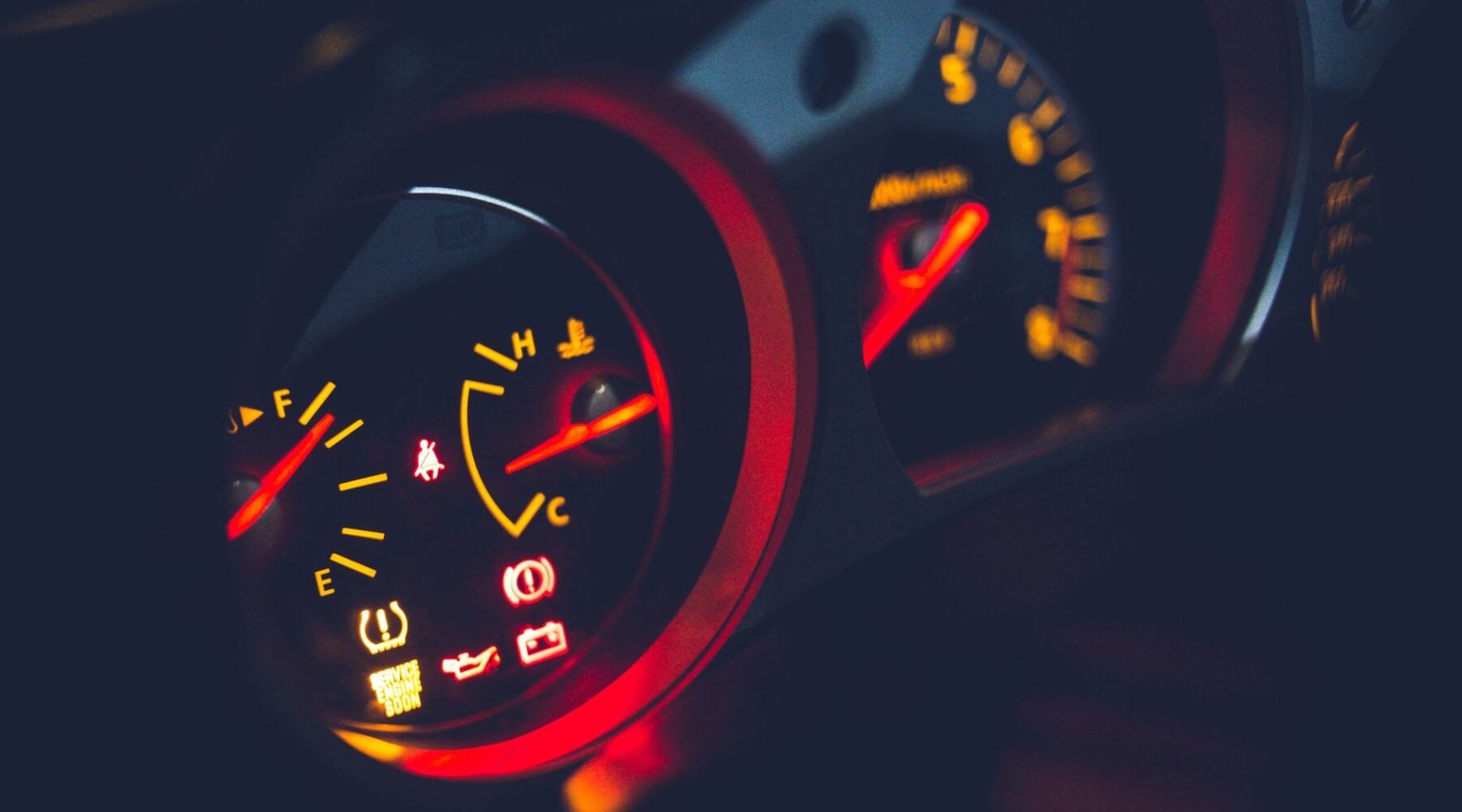
The fuel gauge not working can be a significant issue for drivers, leading to uncertainty about fuel levels and potential breakdowns. Understanding the causes behind a malfunctioning fuel gauge is essential for vehicle maintenance and safety. This article explores the common problems associated with fuel gauges, their causes, and practical solutions to restore their functionality.
Understanding the fuel gauge system
To address the issue effectively, it is important to understand how the fuel gauge system works. Most fuel gauges are composed of three main components: the fuel sending unit, the gauge itself, and the wiring connecting them. The fuel sending unit, located in the fuel tank, measures the level of fuel and sends this information to the gauge on the dashboard. When everything functions properly, the driver receives an accurate reading of the fuel level.
Common causes of fuel gauge malfunction
Several issues can lead to a fuel gauge not working correctly. Identifying the root cause is critical for finding an effective solution. Here are some of the most common causes:
1. Faulty fuel sending unit
The fuel sending unit is often the primary culprit when the fuel gauge is not working. This component consists of a float that moves up and down with the fuel level, sending a corresponding electrical signal to the gauge. If the float gets stuck due to debris or corrosion, or if the sending unit itself fails, the gauge may provide inaccurate readings or no reading at all.
2. Electrical issues
Electrical problems can also impede the functionality of the fuel gauge. Poor connections, damaged wires, or blown fuses can disrupt the signal flow between the sending unit and the gauge. Diagnosing these electrical issues often requires a multimeter to check for continuity and voltage.
3. Malfunctioning gauge
Sometimes, the issue lies not with the sending unit but with the gauge itself. A malfunctioning gauge can fail to display the correct fuel level. This can occur due to internal faults, damage, or aging of the gauge components. Replacing the gauge may be necessary if it is determined to be the source of the problem.
4. Grounding issues
A poor ground connection can lead to erratic readings or a completely non-functional gauge. The fuel gauge system relies on a solid ground connection for accurate operation. Inspecting the ground connections and ensuring they are clean and tight may resolve the issue.
5. Fuel tank problems
In some cases, the problem may originate within the fuel tank itself. If the fuel tank is damaged, deformed, or contaminated with debris, it can affect the float mechanism of the sending unit. Additionally, certain fuel types can cause corrosion or damage to internal components over time. Regular maintenance and inspection of the fuel tank can help prevent these issues.
Diagnosing the issue
Once you suspect that your fuel gauge is not working, diagnosing the problem involves a systematic approach. Here’s how to proceed:
Step 1: Visual inspection
Start with a visual inspection of the fuel gauge, sending unit, and related wiring. Look for signs of damage, corrosion, or loose connections. Pay special attention to the ground connections and ensure everything is secure and clean.
Step 2: Check the fuse
Locate the fuse associated with the fuel gauge system. If the fuse is blown, replacing it may resolve the issue. However, if the new fuse blows again, further investigation is necessary.
Step 3: Test the sending unit
To test the sending unit, you may need to access the fuel tank. Disconnect the wiring harness from the sending unit and use a multimeter to check the resistance. The resistance should change as the float moves through different fuel levels. If there is no change, the sending unit may be faulty and require replacement.
Step 4: Test the gauge
To test the gauge, you can apply a direct voltage to it to see if it reacts. If the gauge does not move, it may be faulty. If it does respond, the issue likely lies with the sending unit or wiring.
Solutions for a malfunctioning fuel gauge
Once you have diagnosed the issue with your fuel gauge, you can explore solutions to restore its functionality.
Replacing the fuel sending unit
If the fuel sending unit is determined to be faulty, replacing it is usually the most effective solution. This process involves draining the fuel tank, removing it from the vehicle, and replacing the sending unit. It is advisable to consult your vehicle’s service manual for specific instructions regarding your make and model.
Repairing electrical connections
For issues stemming from electrical connections or wiring, repairing or replacing damaged wires and ensuring solid connections can often resolve the problem. Using electrical contact cleaner can help improve connections, especially if corrosion is present.
Replacing the fuel gauge
If the gauge itself is malfunctioning, replacing it may be necessary. This generally involves removing the dashboard panel to access the gauge, disconnecting it, and installing a new unit. Ensure the replacement gauge is compatible with your vehicle model.
Preventive measures
Taking proactive steps can help prevent fuel gauge issues in the future. Here are some preventive measures:
Regular maintenance
Regular vehicle maintenance, including inspecting the fuel system, can help identify potential problems before they become significant issues. Keep an eye on fuel levels and watch for any irregularities in gauge readings.
Quality fuel
Using high-quality fuel can reduce the risk of contamination and corrosion in the fuel tank and components. Avoid filling up at questionable gas stations to minimize the risk of issues caused by subpar fuel.
Properly storing the vehicle
When storing your vehicle for extended periods, keep the fuel tank full to prevent condensation and moisture buildup. This can help protect the fuel system and sending unit from damage.
Conclusion
The fuel gauge not working can lead to frustrating and potentially dangerous situations. Understanding the common causes and diagnosis can help you address the issue effectively. By taking appropriate measures to repair or replace faulty components and implementing preventive strategies, you can ensure accurate fuel level readings and maintain the reliability of your vehicle.
Understanding the role of tank sender units
One often overlooked component in the fuel gauge system is the fuel tank sender unit. This device is essential for accurately measuring the amount of fuel in the tank and relaying that information to the gauge on the dashboard. When the sender unit malfunctions, it can lead to inaccurate readings, which may leave drivers confused about their actual fuel levels.
The fuel tank sender unit typically consists of a float connected to a variable resistor. As the fuel level changes, the float rises or falls, altering the resistance and sending a corresponding signal to the fuel gauge. A common issue arises from a stuck float, which can occur due to contaminants in the fuel or mechanical wear over time. For example, if debris or rust accumulates on the float, it may not move freely, leading to a constant reading on the gauge, regardless of fuel levels.
Another significant problem involves the electrical connections associated with the sender unit. Corrosion or loose connections can interrupt the signal sent to the gauge, resulting in erratic readings. In some cases, a visual inspection may reveal frayed wires or rusted connectors that need attention. Cleaning these connections or replacing damaged wires can often resolve the issue without needing to replace the entire sender unit.
“Understanding the intricacies of the fuel tank sender unit can help you diagnose and address fuel gauge inaccuracies effectively.”
Additionally, the location of the sender unit can vary significantly across different vehicle models. In many cars, it is integrated into the fuel pump assembly, which can complicate replacements. For instance, if you drive a newer vehicle, you might find that accessing the sender unit requires removing the fuel tank or even disassembling parts of the rear suspension. This complexity can lead to increased labor costs if not handled correctly.
Testing the sender unit is crucial for diagnosing issues accurately. A multimeter can be used to measure resistance while manually moving the float arm (if accessible). This test checks if the resistance changes smoothly across the full range. If it does not, this indicates that the sender unit is faulty and requires replacement.
Moreover, it’s essential to consider the implications of a malfunctioning sender unit beyond just the dashboard gauge. A faulty unit can lead to fuel mismanagement, which can have broader consequences, such as running out of fuel unexpectedly or overfilling, causing spillage and environmental concerns. This highlights the importance of regular maintenance checks on this component.
In summary, understanding the role of the fuel tank sender unit is vital for diagnosing fuel gauge issues. By focusing on the sender unit’s functionality, including its mechanical and electrical aspects, vehicle owners can tackle problems more effectively. Regular inspections and prompt attention to any signs of malfunction can save time and prevent potential safety hazards associated with inaccurate fuel readings.
Understanding the impact of fuel sensor technology
The fuel gauge is not merely a passive indicator; it relies on a sophisticated system of sensors and electronic components that work together to provide accurate readings. Most modern vehicles utilize a fuel level sensor, which typically consists of a float connected to a potentiometer. As the fuel level changes, the float moves up or down, altering the resistance in the potentiometer and sending an electrical signal to the fuel gauge on the dashboard. Failure in any part of this system can lead to inaccuracies or complete failure of the gauge.
One common issue arises from the fuel sender unit, which is often submerged in the fuel tank. Over time, corrosion can occur on the electrical contacts, particularly in older vehicles or those that have been exposed to water or contaminants. For example, if the contacts are corroded, the resistance may not change accurately as the fuel level changes, leading to erratic readings or a non-functional gauge.
“Regular inspections of the fuel sender unit can prevent gauge failures due to corrosion.”
Another factor that can contribute to a malfunctioning fuel gauge is the vehicle’s electrical system. Faulty wiring or a blown fuse can disrupt the signal from the fuel level sensor to the gauge, resulting in a gauge that reads inaccurately or not at all. It is essential to check the wiring harness for any signs of wear, fraying, or disconnections. For instance, rodents may chew on wires, leading to short circuits that affect multiple systems, including the fuel gauge.
In some vehicles, the fuel gauge is integrated with the vehicle’s onboard computer system, which adds another layer of complexity. Issues such as software glitches or a malfunctioning engine control unit (ECU) can affect the gauge’s performance. In these cases, diagnostic tools may be necessary to read trouble codes that help identify electronic faults. For instance, a simple reset of the ECU can sometimes restore normal function, but more complex issues may require software updates or component replacements.
Additionally, environmental factors can play a role in the performance of the fuel gauge. Extreme temperatures can affect the fuel level sensor’s readings. In cold weather, the fuel can thicken, impacting the float’s movement, while in extreme heat, it may expand, leading to similar issues. Regular maintenance checks can help identify these environmental impacts early on.
“Understanding the interplay between environmental factors and fuel sensor technology can aid in diagnosing issues early.”
Lastly, it is worth noting that some vehicles feature a warning light that indicates low fuel levels rather than a precise gauge reading. While this can simplify matters, it relies on a different sensor that may also fail independently of the gauge. If the warning light fails to illuminate when the fuel tank is low, this can lead to running out of gas unexpectedly, which is a separate yet equally problematic issue.
In summary, understanding the intricacies of fuel sensor technology can empower vehicle owners to troubleshoot fuel gauge problems more effectively. By recognizing common pitfalls such as corrosion, electrical issues, environmental impacts, and integrated systems, drivers can take proactive steps to maintain their fuel gauge functionality, ensuring accurate readings and preventing potential roadside crises.
Related reading: Electric car battery lifespan and performance explained, and Range Anxiety Is Mostly a Math Problem. For an outside reference on this topic, see the Department of Energy's home charging guide.