Checking a used car before buying it is a critical step that can save you from costly repairs and regrets. Whether you are purchasing from a dealership or a private seller, being methodical in your evaluation can help you spot potential issues and assess the vehicle’s true value.
Initial research and preparation
Before you even step foot near a used car, it’s essential to do your homework. Start by determining the make and model that fits your needs. Research common issues associated with those vehicles, including recalls and maintenance costs. Websites like Consumer Reports and automotive forums can provide insight into the reliability of specific models.
Additionally, you should set a budget that encompasses not just the purchase price, but also insurance, taxes, and potential repairs. This groundwork will help you focus your search and avoid overspending.
Exterior inspection of the used car
Once you find a potential candidate, begin with a thorough exterior inspection. Look for signs of damage such as dents, scratches, and rust. Pay special attention to the body panels, as mismatched paint or uneven gaps between panels may indicate past accidents.
Check the condition of the tires. Uneven wear may suggest alignment issues or suspension problems. Ensure that the tread depth is adequate—at least 2/32 of an inch is recommended, but more is better. A quick way to gauge this is by inserting a penny into the tread; if you can see all of Lincoln’s head, the tires need replacing.
Interior assessment and functionality
The interior of the car is just as important as the exterior. Open the doors and inspect the upholstery for rips, stains, or excessive wear. Smell for any unusual odors; a musty smell could indicate water damage or mold. Check all electronic components, including the radio, air conditioning, and power windows, ensuring that everything is functional.
Don’t forget to examine the dashboard for warning lights. If any are illuminated, it could signal underlying issues that need to be addressed. A quick test drive can also help you assess the vehicle’s comfort and how well it handles.
Under the hood: mechanical inspection
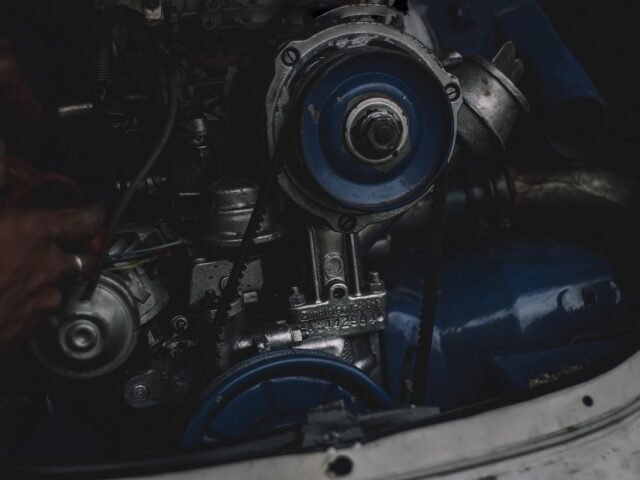
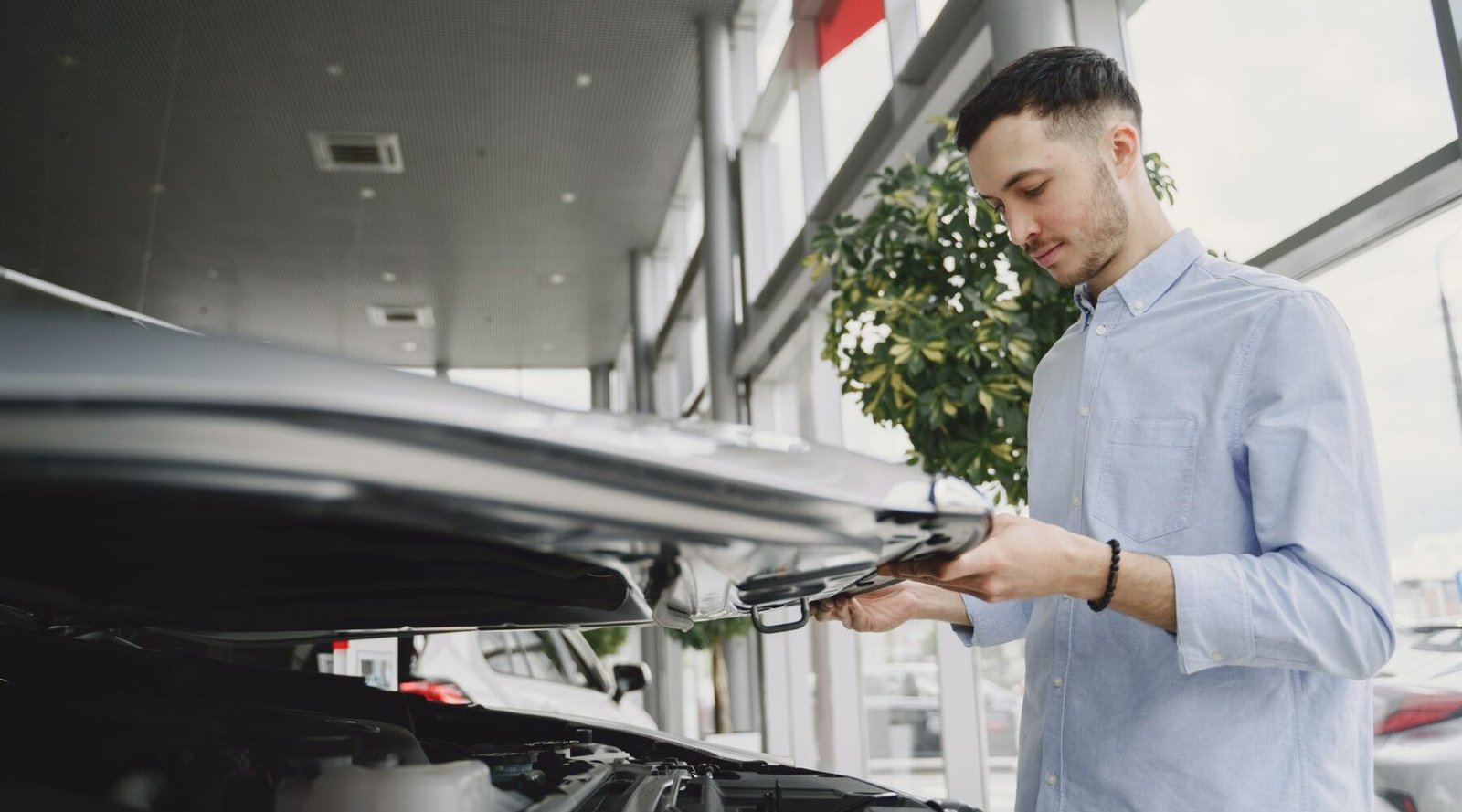
After the exterior and interior checks, it’s time to inspect the engine compartment. Start by looking for leaks, corrosion, or worn belts. Check the oil level and quality; it should be a clear amber color. If the oil is dark or gritty, it may indicate poor maintenance.
Inspect the coolant reservoir for any signs of contamination. A brown or rusty appearance could indicate a serious issue with the engine. Checking the battery is also crucial. Look for any corrosion on the terminals and ensure that it is securely fastened.
Vehicle history report and documentation
Obtaining a vehicle history report is a non-negotiable step in the used car buying process. Services like Carfax or AutoCheck can provide valuable insights into the vehicle’s past, including accidents, title issues, and service records. A clean history report is a positive sign, but don’t ignore what a report reveals. A car with multiple owners or significant accidents may not be worth your time.
Additionally, ensure that the vehicle’s title is clear. If the seller cannot provide the title or it shows a salvage or rebuilt status, proceed with caution. This could complicate your ownership experience and possibly affect resale value.
Final steps before purchase
Once you feel satisfied with your inspection and research, arrange for a professional mechanic to conduct a pre-purchase inspection. This step can uncover hidden problems that you may not have noticed. While this will cost you some money upfront, it can save you from larger expenses later on.
Finally, negotiate the price based on your findings. If you uncovered potential issues during your inspection, use those to justify a lower offer. Be prepared to walk away if the seller is unwilling to negotiate fairly.
In summary, checking a used car before buying it involves comprehensive research, detailed inspections, and thorough evaluations of its history and condition. By following these steps, you can make an informed decision and increase the likelihood of a successful purchase.
Evaluating a car’s history through VIN analysis
When considering a used car, one of the most crucial steps is to perform a thorough vehicle history check using the Vehicle Identification Number (VIN). The VIN is a unique 17-character code assigned to each vehicle, and it holds a wealth of information that can help you assess the car’s past and predict its future reliability.
Utilizing services like Carfax, AutoCheck, or the National Motor Vehicle Title Information System (NMVTIS) can provide insights into the vehicle’s history, including previous accidents, service records, title status, and odometer readings. For example, if a report shows that the car has been in a serious accident, it may indicate potential hidden damage or poor repair quality. This information is vital not only for avoiding potential pitfalls but also for negotiating a better purchase price.
Another critical aspect to consider is checking for any outstanding recalls associated with the vehicle. Manufacturers often issue recalls for safety-related defects, and it’s essential to ensure that these issues have been addressed. You can check for recalls by visiting the National Highway Traffic Safety Administration (NHTSA) website and entering the VIN. If there are open recalls, you can request that the seller take care of these repairs before finalizing the transaction.
For instance, if you discover that a vehicle has a recall for a faulty airbag system that hasn’t been repaired, you could be putting your safety at risk and may want to reconsider the purchase.
Additionally, exploring the vehicle’s maintenance history can provide insights into how well it has been cared for. A well-documented service history with regular oil changes, brake pads replacements, and other maintenance tasks can indicate a responsible previous owner and better long-term reliability. Conversely, if the records show long gaps between services, it may suggest neglect that could lead to costly repairs down the line.
While online reports can provide a comprehensive overview, they may not capture everything. It can be beneficial to contact previous owners if possible. Platforms like Facebook Marketplace or local classified ads often allow you to reach out to previous owners directly. Asking questions about their experiences with the vehicle can yield valuable insights not captured in a report. For example, if a previous owner mentions persistent engine issues or difficulties with certain features, these can be red flags worth considering.
Finally, understanding the implications of a salvage title is crucial. A salvage title indicates that the vehicle was deemed a total loss by an insurance company. While there are cases where a salvage vehicle can be repaired and returned to a safe condition, it often comes with inherent risks. Buyers should be cautious and conduct thorough inspections on salvage vehicles, preferably with a trusted mechanic to assess whether the repairs were completed correctly and whether the vehicle is safe to drive.
In conclusion, checking a used car before buying it goes beyond a simple visual inspection or test drive. By utilizing the VIN to gather comprehensive vehicle history information, checking for recalls, understanding maintenance records, and potentially reaching out to previous owners, you can make a more informed decision. This thorough approach can save you from costly surprises and help ensure that you are making a wise investment in your next vehicle.
Understanding the importance of a vehicle history report
One critical aspect that many buyers overlook when purchasing a used car is the vehicle history report (VHR). This report provides a comprehensive overview of a car’s past, including its title status, accident history, service records, and more. Obtaining a VHR can be the difference between making a wise investment and unwittingly purchasing a problematic vehicle.
Several services offer vehicle history reports, with Carfax and AutoCheck being the most prominent. These reports typically include the Vehicle Identification Number (VIN), which is unique to each car and allows for precise tracking of its history. Before finalizing a purchase, it’s essential to run the VIN through one of these services, which will provide crucial insights into the vehicle’s background.
One of the most significant benefits of a VHR is its ability to reveal whether a car has been in any accidents. Even minor accidents can affect a vehicle’s structural integrity and resale value. For example, a car that has been in a severe collision may have hidden damage that could lead to costly repairs down the line. A VHR will indicate if the car was declared a total loss by an insurance company, which is a red flag for potential buyers.
Another essential aspect covered in a VHR is the title history. This includes any records of salvage or rebuilt titles, which can indicate that the vehicle has undergone significant repairs. A salvage title means that the vehicle was deemed a total loss by an insurance company, while a rebuilt title indicates that it has been repaired and inspected to be roadworthy. Purchasing a car with such titles can lead to complications, especially regarding insurance and financing.
Additionally, the report will often include information about previous ownership. A car with multiple owners in a short period may warrant further investigation, as it could suggest underlying issues that caused previous owners to sell. Conversely, a vehicle with a consistent ownership history may indicate a well-maintained car, as it shows the owner’s commitment to its upkeep.
Service records included in a VHR can also provide valuable insights into how well the vehicle has been maintained. Regular maintenance, such as oil changes and brake replacements, can significantly extend the life of a car. If the report shows inconsistent service intervals, it may indicate neglect, which can lead to future problems.
Moreover, some VHRs provide insights into odometer readings, helping buyers identify potential odometer fraud. If the recorded mileage appears inconsistent across different entries, it raises a red flag. This kind of fraud can lead to purchasing a vehicle that has significantly more wear and tear than suggested.
It is important to note that while a VHR is an invaluable tool, it is not a substitute for a professional mechanic’s inspection. A VHR can highlight potential issues, but it cannot physically assess the vehicle’s condition. Therefore, pairing a VHR with a thorough inspection by a trusted mechanic will provide the most comprehensive understanding of the car’s state.
In conclusion, investing in a vehicle history report is a crucial step in the used car buying process. It offers essential insights that can help buyers make informed decisions and avoid potential pitfalls. By understanding a car’s history, buyers can better assess its value and reliability, ultimately leading to a more satisfying purchase.
Investigating the car’s history and ownership
When purchasing a used car, one of the most crucial steps is to delve into its history and previous ownership. A thorough investigation can reveal potential red flags that may not be immediately visible during a physical inspection. This process goes beyond the basic vehicle history report; it involves scrutinizing the car’s past to ensure you are making an informed decision.
Start by obtaining a vehicle history report from trusted services like Carfax or AutoCheck. These reports compile data from various sources, including insurance companies, auto repair shops, and law enforcement, to provide a comprehensive overview of the vehicle’s past. Key elements to look for include:
- Accident history: Check for any reported accidents, especially if they involved significant damage. A car that has been in a major collision may have underlying issues that could affect its performance and safety.
- Title status: Ensure the title is clean, meaning it has not been branded as salvage or rebuilt. A salvage title indicates that the vehicle was deemed a total loss by an insurance company, which can significantly lower its value and reliability.
- Mileage verification: Look for inconsistencies in reported mileage. A sudden drop in miles over several years might indicate odometer tampering.
Next, consider reaching out to previous owners if possible. If the seller provides the names or contact information of prior owners, take advantage of this opportunity. Ask about their experiences with the car, including any issues they faced and why they chose to sell it. This personal insight can be invaluable. For example, if the previous owner mentions recurring electrical problems or transmission issues, it may be a warning sign.
Additionally, explore online forums and social media groups dedicated to the make and model of the car you are interested in. Owners often share their experiences, tips, and common problems associated with specific models. Engaging in these communities can provide you with a wealth of knowledge that may not be available through formal channels.
Another important aspect is the maintenance history of the vehicle. Request service records to ensure the car has been well-maintained. Regular oil changes, scheduled maintenance, and prompt repairs are indicators of a responsible previous owner. For instance, if the owner can provide receipts for recent brake replacements or timing belt changes, it suggests that they took care of the car. Conversely, a lack of service records could indicate neglect and lead to potential future repairs.
Lastly, consider the geographical history of the car. Vehicles from regions with harsh climates may have rust or corrosion issues, while those from areas prone to flooding might have water damage. Look for signs of rust, especially in the undercarriage, wheel wells, and around the doors. If the car has been registered in a state known for severe weather, it may be worth investigating further.
In summary, a thorough investigation of a used car’s history and ownership can save you from costly mistakes. By using vehicle history reports, engaging with previous owners, tapping into online communities, reviewing maintenance records, and considering the geographical context, you can make a more informed decision that goes beyond the surface.
Related reading: Which cars cost the most to maintain, and Proven used SUVs worth buying in today’s market. For an outside reference on this topic, see Consumer Reports' car-buying advice.