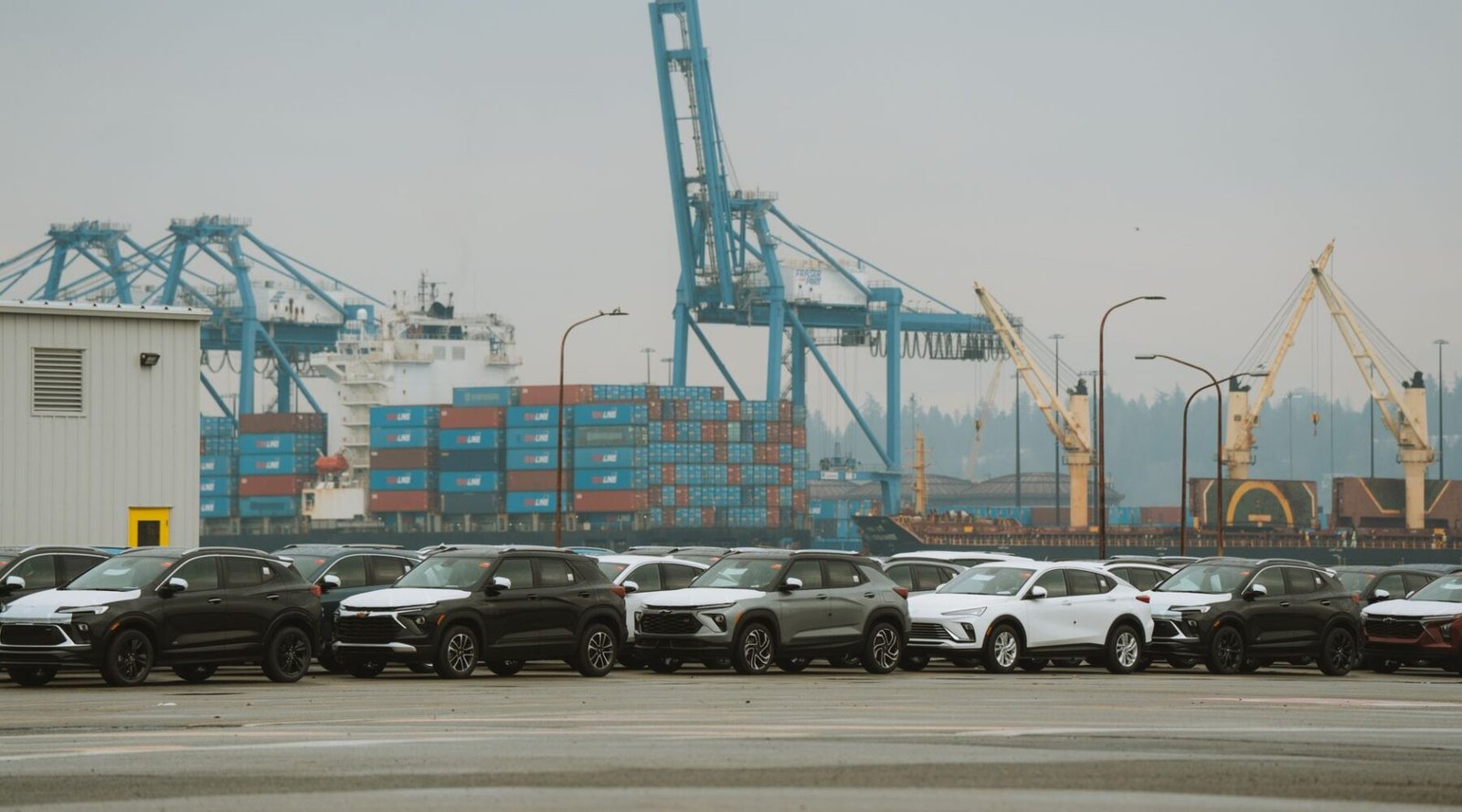
Tariffs and trade policy are increasingly reshaping car prices, creating a complex landscape for manufacturers and consumers alike. With the automotive industry being a global enterprise, any shifts in trade policy can have far-reaching impacts on pricing, availability, and the overall market dynamics.
Understanding tariffs and their impact on automotive costs
Tariffs are taxes imposed on imported goods, designed to protect domestic industries by making foreign products more expensive. In the automotive sector, these tariffs can lead to significant price increases. For example, the tariffs introduced during trade negotiations between the United States and China directly affected the cost of vehicles manufactured or assembled in China. As manufacturers faced higher costs, many passed these expenses onto consumers, resulting in higher sticker prices for popular models.
The role of trade agreements in shaping market dynamics
Trade agreements play a crucial role in determining tariff rates and the overall cost structure of the automotive industry. The United States-Mexico-Canada Agreement (USMCA), which replaced NAFTA, introduced new rules regarding labor and environmental standards, influencing how automakers operate. While the agreement aims to promote fair trade, it also increases costs for manufacturers who must adapt to the new regulations. This can lead to increased vehicle prices, particularly for trucks and SUVs, which are popular in North America.
Global supply chains and their vulnerabilities
The automotive industry relies heavily on global supply chains, which can be disrupted by tariffs and trade policies. For instance, a single vehicle may comprise parts sourced from multiple countries, each subject to different tariffs. This interconnectedness means that a tariff imposed on one component can escalate the overall production costs, ultimately impacting retail prices. Furthermore, recent global events, such as the COVID-19 pandemic, have highlighted the fragility of these supply chains, leading to delays and shortages that further exacerbate pricing issues.
Consumer behavior in response to pricing shifts
As car prices rise due to tariffs and trade policy, consumer behavior inevitably shifts. Some buyers may opt for more affordable used vehicles or delay their purchases altogether. Others may seek alternative brands that have managed to minimize the impact of tariffs through localized manufacturing. This shift in consumer preference can create a ripple effect throughout the industry, prompting manufacturers to adapt their strategies and product offerings in response to changing demands.
The future of car prices in a changing trade landscape
Looking ahead, the ongoing evolution of trade policy will continue to influence car prices. As countries negotiate new trade agreements and adjust existing tariffs, the automotive industry must remain agile. Manufacturers will need to explore innovative solutions, such as increasing domestic production or investing in new technologies, to mitigate the impact of tariffs. Consumers, too, will need to stay informed about how these policies affect their purchasing decisions.
In conclusion, tariffs and trade policy are reshaping car prices in profound ways. Understanding these dynamics is essential for consumers and industry stakeholders alike.
As the automotive landscape evolves, staying informed about tariffs and trade policy will be crucial for making savvy purchasing decisions and for manufacturers to remain competitive in an increasingly complex market.
Related reading: New safety mandates are reshaping standard equipment and car ownership costs, and Global safety mandates are reshaping vehicle pricing and design. For an outside reference on this topic, see Reuters' autos and transportation coverage.