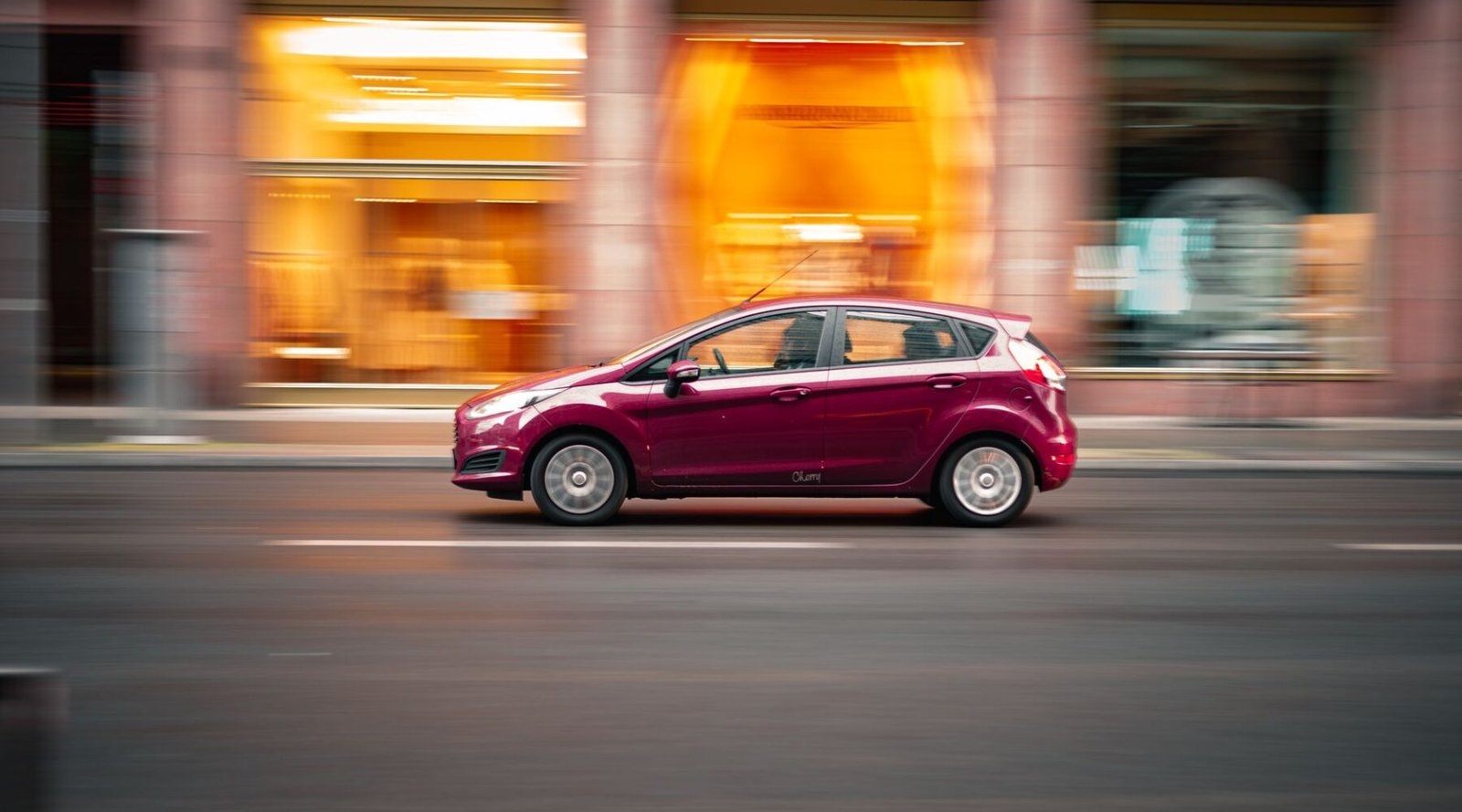
Urban driving places unique demands on an automobile. Wide highways and sweeping corners give way to narrow lanes, parallel parking challenges, erratic traffic patterns, and pitted asphalt. A great city car cannot simply be small; it must combine precise maneuverability, clear visibility, responsive low-speed acceleration, and intelligent spatial packaging. Selecting the right compact vehicle transforms daily urban navigation from a chore into a seamless experience.
Essential attributes of an urban compact
Size is the obvious baseline metric, but dimensions alone do not tell the complete story. A tight turning circle is essential for U-turns and slotting into cramped parking garages. High seating positions and thin roof pillars improve sightlines, allowing drivers to spot pedestrians, cyclists, and curb hazards early. Furthermore, low-end torque matters far more than peak horsepower when accelerating away from stoplights or merging into tight traffic gaps.
Suspension tuning also requires a delicate balance. Urban pavement is notoriously uneven, marked by expansion joints, potholes, and speed bumps. A chassis that is overly stiff creates a punishing ride, while one that is too soft loses precision during quick steering inputs. The best city cars damp out road imperfections without sacrificing handling responsiveness.
The ideal city car transforms dense gridlock and tight parking spaces from daily frustrations into effortless maneuvers.
Top internal combustion contenders
The Honda Civic Hatchback remains a benchmark in this segment. It maximizes cabin volume within a modest footprint, offering cargo versatility that rivals small crossovers. Its tight turning radius and crisp steering make tight maneuvers effortless, while its turbocharged engine delivers smooth power low in the rev range.
For drivers prioritizing driving dynamics and interior refinement, the Mazda3 Hatchback stands out. Its tactile controls, quiet cabin, and engaging chassis elevate short city trips. While rear visibility is slightly compromised by its sweeping C-pillars, its available all-wheel-drive system and responsive automatic transmission provide reassuring control on slick city streets.
The Mini Hardtop represents the traditional ideal of urban mobility. With minimal front and rear overhangs, it slots into parking spaces that other compacts must pass by. Its go-kart steering feel provides unmatched agility in dense traffic, though its firm ride quality requires a tolerance for stiff damping.
Electrified solutions for dense environments
Electric and hybrid powertrains offer distinct advantages in stop-and-go driving. Regenerative braking reduces wear on mechanical brakes while recapturing energy that traditional cars waste as heat. Immediate electric torque delivers instantaneous response off the line without engine noise or gear hunting.
The Toyota Prius delivers unmatched efficiency in heavy traffic. Its hybrid system operates silently at low speeds, and its sloped hood provides an expansive view of the road ahead. For full electrification, compact EVs offer smooth operation and low running costs, provided home or public charging is readily accessible.
Choosing the ideal city car comes down to balancing size, comfort, and powertrain efficiency against your specific driving environment. The right vehicle minimizes stress, maximizes space, and handles urban gridlock with quiet confidence.
Exploring the benefits of hybrid and electric compact cars
As urban areas continue to prioritize sustainability and reduce air pollution, hybrid and electric compact cars have emerged as practical choices for city dwellers. These vehicles not only address environmental concerns but also provide unique advantages that make them ideal for navigating the complexities of modern city life.
One of the primary benefits of hybrid and electric compact cars is their efficiency in stop-and-go traffic, which is a common scenario in busy urban environments. Vehicles like the Toyota Prius and Honda Insight leverage regenerative braking systems that capture energy typically lost during braking, converting it into electricity to recharge the battery. This feature enhances fuel economy significantly in city driving conditions, where frequent stops are the norm.
Moreover, electric vehicles (EVs) such as the Hyundai Kona Electric and the Nissan Leaf offer zero tailpipe emissions, contributing to cleaner air in densely populated areas. Many municipalities incentivize EV ownership through tax rebates, reduced registration fees, or even access to carpool lanes, making them a practical financial choice for city residents.
Charging infrastructure is another critical aspect of EV ownership. Cities worldwide are investing in expanding charging networks, making it easier for drivers to find charging stations. For example, in San Francisco, a robust network of fast chargers allows EV owners to recharge their vehicles while they work or shop, diminishing range anxiety. This is an essential consideration for urban drivers who may not have access to home charging.
In addition to environmental benefits, compact hybrids and EVs often come equipped with advanced technology that enhances the driving experience. Features like adaptive cruise control, lane-keeping assist, and integrated navigation systems help drivers navigate complex city streets with greater ease. For instance, the Ford Mustang Mach-E not only offers a spacious interior but also includes Ford’s Co-Pilot360, which provides a suite of driver-assist technologies designed to improve safety and navigation.
Another key factor to consider is the cost of ownership. While the initial price of hybrid and electric vehicles can be higher than their gasoline counterparts, the total cost of ownership often favors these greener options. Lower fuel costs, reduced maintenance (no oil changes for EVs), and government incentives can lead to significant savings over time. A study by the U.S. Department of Energy found that electric vehicle owners save an average of $800 to $1,200 annually on fuel and maintenance.
“The shift towards electric and hybrid vehicles is not just a trend; it’s a necessary evolution for urban mobility. Compact cars in this segment are leading the charge, proving that sustainability can coexist with practicality and efficiency.”
Finally, the resale value of hybrid and electric compact cars is becoming increasingly favorable. As demand for eco-friendly vehicles rises, models like the Tesla Model 3 and the Chevrolet Bolt are experiencing strong resale values, making them an attractive option for budget-conscious buyers.
In conclusion, hybrid and electric compact cars offer compelling benefits that align with the demands of modern city living. Their efficiency, environmental impact, advanced technology, and cost savings make them not only a sustainable choice but also a smart one for urban drivers looking to navigate their cities with ease and responsibility.
Technology and urban driving: the role of advanced driver-assistance systems
As urban environments become increasingly congested, the role of technology in compact cars is evolving to meet the specific challenges of city driving. Advanced Driver-Assistance Systems (ADAS) are now essential features that enhance safety and convenience, making them particularly valuable for navigating busy streets.
For instance, technologies such as adaptive cruise control and lane-keeping assist help drivers maintain a safe distance from other vehicles and stay centered in their lanes, which is crucial in stop-and-go traffic. The 2023 Honda Civic exemplifies this with its Honda Sensing suite, which includes collision mitigation braking and road departure mitigation. These features not only protect drivers but also instill confidence in maneuvering through tight spaces and heavy traffic.
Another notable example is the Toyota Corolla, which integrates a comprehensive suite of safety technologies through its Toyota Safety Sense. This includes pedestrian detection and dynamic radar cruise control, making it easier to navigate urban environments where pedestrians and cyclists are prevalent. The Corolla’s blend of compact size and advanced safety features enhances its appeal for city dwellers.
Moreover, parking assistance systems have become indispensable for compact cars. Many models now offer automated parallel and perpendicular parking, significantly reducing the stress associated with finding and maneuvering into parking spots in crowded areas. The Ford Fiesta, with its Active Park Assist, allows drivers to seamlessly slide into tight spaces, making it a great choice for those who frequently navigate urban centers.
In addition to safety and parking features, connectivity has become an integral part of modern compact cars. The ability to access navigation, traffic updates, and even vehicle diagnostics through smartphone integration systems like Apple CarPlay and Android Auto enhances the driving experience. The 2023 Mazda3, for example, offers a user-friendly infotainment system that provides real-time traffic data, helping drivers make informed decisions about the best routes to take. This connectivity is crucial in urban settings where traffic patterns can change rapidly.
Furthermore, electric compact cars are gaining traction in urban environments, offering an eco-friendly option that aligns with the growing push for sustainability. The Hyundai Kona Electric, with its impressive range and compact size, is perfect for city driving, allowing for quick trips without the anxiety of frequent charging. Its regenerative braking system also contributes to efficiency, making it an ideal choice for stop-and-go city traffic.
As cities continue to evolve, the integration of technology in compact cars will only deepen, providing drivers with tools to navigate urban challenges more effectively.
In conclusion, the best compact cars for navigating modern city streets are those that combine size with advanced technology. Features that enhance safety, ease of parking, and connectivity play critical roles in urban driving. As manufacturers continue to innovate, these technologies will shape the future of compact cars, making city driving a more enjoyable and less stressful experience.
Electric compact cars: the future of urban mobility
As cities become more congested and environmental concerns escalate, electric compact cars are emerging as a game-changer for urban mobility. These vehicles not only offer the agility and size that make navigating tight streets easier, but they also provide significant advantages in terms of sustainability and cost-effectiveness.
Take, for example, the Mini Electric, a compact car that retains the iconic design of its gas-powered predecessor while embracing electric efficiency. With a range of about 110 miles on a single charge, the Mini Electric is perfect for the daily commutes typical in urban settings. Its compact size allows it to slip into parking spots that larger vehicles cannot access, making it an ideal choice for city dwellers.
Moreover, many urban areas are implementing low-emission zones that restrict the entry of traditional combustion-engine vehicles. By choosing an electric compact car, drivers not only comply with these regulations but often enjoy perks such as reduced parking fees or access to carpool lanes. The Honda e, with its retro styling and impressive maneuverability, is another excellent option that fits this bill. It’s designed specifically for city driving, featuring a tight turning radius and advanced parking assist technologies.
“The Honda e’s compact dimensions and tech-savvy features make it a breeze to navigate crowded urban streets while minimizing our carbon footprint.”
Charging infrastructure is another critical consideration for urban drivers. Many cities are expanding their electric vehicle (EV) charging networks, making it increasingly convenient to own an electric compact car. Public charging stations are often located in high-traffic areas, allowing drivers to recharge while they run errands or enjoy a meal. Additionally, advancements in fast-charging technology mean that drivers can gain substantial range in a short time, which alleviates range anxiety—a common concern among potential EV buyers.
The BMW i3, while slightly larger than typical compact cars, presents an innovative design and a strong focus on sustainability. Its carbon fiber body and integrated battery pack contribute to not only a lightweight construction but also an eco-friendly profile. The i3’s compact nature, combined with its unique design, makes it stand out in the urban environment while offering a spacious interior for passengers and cargo.
Furthermore, electric compact cars often come equipped with modern infotainment and driver-assistance systems that enhance the driving experience. Features such as adaptive cruise control, lane-keeping assist, and parking sensors make city driving less stressful. The Hyundai Kona Electric is a prime example, offering a suite of advanced technologies that help drivers navigate complex urban landscapes with confidence.
“With the Hyundai Kona Electric, city driving feels less like a chore and more like an opportunity to explore, thanks to its advanced tech and nimble handling.”
In conclusion, electric compact cars not only meet the demands of modern city driving but also align with the growing push towards sustainable urban transport. As infrastructure continues to improve and more models become available, these vehicles will undoubtedly play a crucial role in shaping the future of urban mobility. For anyone navigating the challenges of city streets, the benefits of choosing an electric compact car are clear: efficiency, environmental responsibility, and enhanced driving pleasure.
Related reading: First Drive: The Solari EV-9 Doesn’t Try to Be Clever, and That Works in Its Favor, and The definitive new cars to buy for real engineering and performance. For an outside reference on this topic, see the EPA's official fuel economy database.



2 Responses