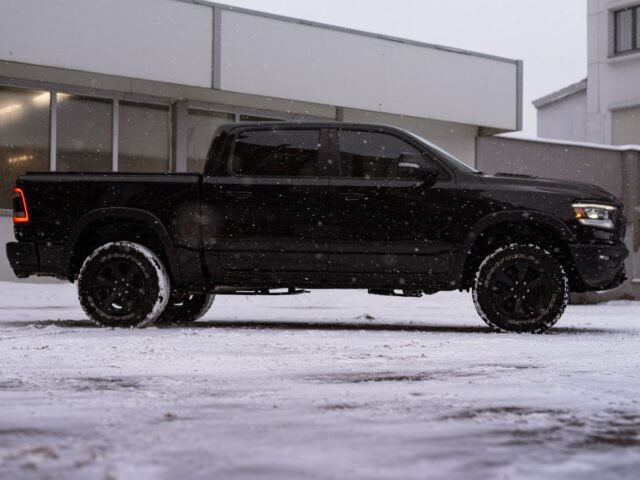
As winter approaches, choosing the best electric cars for winter driving becomes a priority for many drivers. Electric vehicles (EVs) have evolved significantly, offering impressive performance, range, and features that make them suitable for colder climates. In this article, we will explore several electric models that excel in winter conditions, focusing on their capabilities, range, and safety features.
Understanding electric vehicle performance in winter
Winter driving poses unique challenges for any vehicle, but electric cars come with specific considerations. Cold temperatures can reduce battery efficiency and range, affecting an EV’s performance. However, many modern electric vehicles are designed with winter driving in mind, incorporating features that mitigate these issues. Key aspects to consider include battery thermal management, all-wheel drive (AWD) capabilities, and regenerative braking systems, which can improve traction on slippery surfaces.
Top electric cars for winter driving
When evaluating the best electric cars for winter conditions, several models stand out due to their performance, technology, and winter-friendly features.
Tesla Model Y
The Tesla Model Y is a versatile compact SUV that excels in winter driving. Its dual-motor all-wheel drive provides excellent traction on snow and ice, while its long-range battery ensures you can cover significant distances even in cold weather. The Model Y’s heated seats and steering wheel enhance comfort during frigid drives, and its advanced climate control system helps maintain battery efficiency. Additionally, Tesla’s Supercharger network allows for convenient charging on long trips, making it an ideal choice for winter road trips.
Ford Mustang Mach-E
The Ford Mustang Mach-E is an all-electric SUV that combines performance with practicality. The available AWD option significantly improves handling in winter conditions, while the vehicle’s impressive range keeps you on the road longer. The Mach-E features a spacious interior, heated seats, and a user-friendly infotainment system. Ford’s Co-Pilot360 suite of safety features also includes adaptive cruise control and lane-keeping assist, enhancing safety on winter roads.
Rivian R1T
The Rivian R1T is a revolutionary all-electric pickup truck that is exceptionally well-suited for winter driving. With its quad-motor AWD system, the R1T offers outstanding traction and control on slippery surfaces. The vehicle’s adjustable air suspension allows for increased ground clearance, making it capable of traversing deep snow. The R1T’s extensive range combined with its off-road capabilities makes it an attractive option for those who enjoy winter adventures.
Volkswagen ID.4
The Volkswagen ID.4 is an all-electric SUV that offers a balanced blend of performance and comfort, making it a solid choice for winter driving. Available with AWD, the ID.4 provides excellent grip on icy roads. Its spacious interior and advanced safety features, including forward collision warning and automatic emergency braking, contribute to a secure driving experience. With a range of up to 250 miles, the ID.4 ensures you can navigate winter conditions without frequent charging stops.
Hyundai Ioniq 5
The Hyundai Ioniq 5 stands out for its futuristic design and impressive performance. Its AWD variant provides robust traction and stability in snowy conditions, while the vehicle’s heat pump system helps maintain battery efficiency in cold weather. The Ioniq 5’s spacious interior and advanced technology features, such as vehicle-to-load capability, make it a versatile choice for winter driving. With a range of up to 303 miles, it offers peace of mind during winter travels.
Essential winter driving features to look for
When selecting an electric car for winter driving, several key features can enhance performance and safety:
- All-wheel drive: AWD systems help distribute power to all wheels, providing better traction in slippery conditions.
- Battery heating systems: These systems maintain optimal battery temperatures, ensuring maximum efficiency and range in cold weather.
- Heated seats and steering wheels: Comfort features that can improve the driving experience during cold months.
- Advanced safety technology: Features like adaptive cruise control and lane assist can help drivers navigate challenging winter conditions.
Charging considerations in winter
Charging an electric vehicle in winter can present its own set of challenges. Cold temperatures can slow down charging times, and finding charging stations in remote areas may be necessary for longer trips. Many EV owners opt for home charging solutions to ensure their vehicles are ready to go each morning. It is advisable to check the availability of charging stations along your route, especially in rural areas where winter weather may impact access.
Conclusion
Choosing the best electric cars for winter driving requires careful consideration of various factors. Models like the Tesla Model Y, Ford Mustang Mach-E, Rivian R1T, Volkswagen ID.4, and Hyundai Ioniq 5 offer excellent performance, safety, and comfort in colder climates. By understanding the unique challenges winter presents and selecting an EV equipped with the right features, drivers can enjoy a safe and enjoyable driving experience all season long.
Understanding battery performance in cold weather
When it comes to winter driving, one of the most critical factors affecting electric vehicles (EVs) is battery performance in low temperatures. Cold weather can significantly reduce the range of an electric car, with studies showing potential reductions of 20% to 40% in range depending on the severity of the cold. This is primarily due to the chemical reactions in lithium-ion batteries slowing down in lower temperatures, which affects their ability to hold and deliver charge efficiently.
Several manufacturers have implemented innovative thermal management systems to mitigate this issue. For instance, the Tesla Model 3 and Model Y feature advanced battery heating systems that keep the battery at optimal operating temperatures, even when parked in frigid conditions. This capability not only helps maintain range but also ensures that the vehicle can achieve fast charging rates when plugged in.
Another example is the Ford Mustang Mach-E, which includes a heat pump system designed to improve energy efficiency during winter. The heat pump draws heat from the outside air and transfers it into the cabin, reducing the load on the battery compared to traditional electric heaters. This approach not only provides warmth for the occupants but also preserves battery life and extends driving range in cold weather.
“Battery chemistry is crucial. Understanding how our batteries react to temperature changes can help drivers optimize their EV experience during winter months.” – Dr. Maria Chen, Battery Research Scientist
In addition to these technological advancements, understanding how to manage range is essential for winter driving. EV owners should consider factors such as preconditioning their vehicle while still plugged in, which allows the car’s systems to warm up without depleting battery power. Many modern EVs also come equipped with apps that allow drivers to set charging schedules and precondition the cabin, ensuring that the vehicle is ready before heading out into the cold.
Moreover, tire choice plays a significant role in winter driving performance. All-season tires may not provide adequate traction in icy conditions. Switching to winter tires designed specifically for colder climates can enhance grip and stability, which is crucial when navigating snowy or icy roads. For example, the Hyundai Kona Electric recommends using winter tires to maximize safety and handling in winter conditions.
Finally, it’s essential to be mindful of driving habits during winter months. EV drivers should adopt a gentler driving style, as aggressive acceleration can quickly drain the battery. Utilizing regenerative braking effectively can also help to conserve energy, allowing the vehicle to recover some energy when slowing down. This practice is especially beneficial in stop-and-go traffic, common during winter months due to hazardous conditions.
Overall, the key to optimizing the winter driving experience in electric vehicles lies in understanding battery behavior in cold temperatures, leveraging technology to maintain performance, and adopting practical driving strategies. With the right preparation and knowledge, electric vehicle owners can confidently navigate winter roads while minimizing the impact of cold weather on their driving range.
Understanding battery performance in cold weather
One of the most significant challenges electric vehicle (EV) owners face during winter driving is the impact of cold temperatures on battery performance. In cold weather, the chemical reactions within lithium-ion batteries slow down, leading to a decrease in both range and efficiency. This is particularly crucial for drivers living in regions where temperatures frequently drop below freezing.
For instance, studies have shown that EVs can experience a range reduction of up to 40% in extreme cold conditions. This means that a vehicle with a typical range of 300 miles may only achieve around 180 miles when temperatures plummet. Understanding how to manage battery performance in these conditions is vital for maximizing your electric vehicle’s utility during winter.
Manufacturers have recognized this issue and have implemented several strategies to mitigate the effects of cold weather. One effective solution is the use of battery thermal management systems. For example, the Tesla Model 3 comes equipped with a sophisticated heating system that keeps the battery at an optimal operating temperature, enhancing performance and range even in frigid conditions.
Similarly, the Ford Mustang Mach-E and the Hyundai Kona Electric are built with battery heaters that activate when temperatures drop. These systems help maintain battery temperature, ensuring that drivers do not experience the full brunt of cold-weather performance degradation.
“Keeping your battery warm is crucial for retaining range in winter. Look for vehicles with effective thermal management systems.”
Beyond thermal management, charging habits also play a role in maintaining battery health during winter. Cold batteries take longer to charge, so it’s advisable to charge the vehicle when temperatures are slightly warmer, such as during the day. Additionally, many EVs offer preconditioning features, allowing you to warm up the battery and cabin while the vehicle is still plugged in. This not only improves range but also makes for a more comfortable driving experience.
Another aspect to consider is the type of tires on your electric vehicle. Winter tires can significantly enhance traction and handling in snowy or icy conditions. Some EVs, like the Audi e-tron and the Nissan Leaf, come with all-wheel drive options, which can further improve grip on slippery surfaces. However, equipping your vehicle with high-quality winter tires is one of the best ways to ensure safety and performance during the winter months.
Moreover, it’s essential to keep an eye on tire pressure, as cold temperatures can cause air to condense and lead to lower tire pressure, which can affect vehicle handling and efficiency. Regularly checking and maintaining proper tire pressure is a simple yet effective way to ensure your EV performs well all winter long.
In summary, while electric vehicles face unique challenges in winter driving, understanding battery performance, utilizing thermal management systems, adopting smart charging habits, and equipping the right tires can significantly enhance the winter driving experience. As more drivers embrace electric vehicles, awareness of these factors will be crucial in maximizing range and safety during the colder months.
Understanding the importance of thermal management
When evaluating electric vehicles (EVs) for winter driving, one critical aspect that often goes overlooked is thermal management. Unlike traditional internal combustion engine vehicles that generate heat through the combustion process, EVs rely on sophisticated thermal systems to maintain optimal operating temperatures for both the battery and the cabin. This is particularly important in winter conditions where temperatures can plummet, impacting battery performance and overall driving range.
Battery performance is significantly affected by cold temperatures. Lithium-ion batteries, which power most electric vehicles, can experience diminished capacity when temperatures drop below 20°F (-6°C). This can lead to a noticeable reduction in range. To combat this, many manufacturers have developed advanced thermal management systems that not only keep the battery warm but also optimize charging performance.
For instance, the Tesla Model 3 is equipped with a heat pump system that uses ambient heat to warm the battery and cabin, thereby improving efficiency in cold weather. Similarly, the Ford Mustang Mach-E features a battery thermal management system that helps maintain an optimal temperature range, allowing it to perform better in winter conditions compared to some competitors that lack such systems.
Another standout example is the Hyundai Ioniq 5, which includes an integrated heat pump that significantly enhances energy efficiency in cold weather. This model also features pre-conditioning capabilities, allowing drivers to heat the cabin and battery while the vehicle is still plugged in, maximizing range when driving away.
Beyond battery management, cabin heating can also be a significant drain on an EV’s range in winter. Traditional electric heaters can consume substantial power, reducing overall efficiency. However, many modern EVs are using heated seats and steering wheels as more efficient alternatives to cabin heating. By focusing heat where it is most needed, these features can help maintain comfort without the energy drain of full cabin heating.
It is essential for potential buyers to consider these thermal management features when selecting an electric vehicle for winter driving. Vehicles like the Audi e-tron and the Volkswagen ID.4 are also equipped with advanced thermal management systems that help ensure consistent performance in cold weather, making them better suited for winter conditions than some other models that may lack such technology.
“Choosing an electric vehicle with a robust thermal management system can make a significant difference in winter performance, enhancing both range and comfort.”
In addition to thermal management, it’s also crucial to consider all-wheel drive (AWD) capabilities, which many EVs offer. AWD provides improved traction on slippery surfaces, making it an essential feature for winter driving. Models like the Rivian R1T and the Tesla Model Y come with dual-motor setups that provide power to all four wheels, enhancing stability and control in challenging winter conditions.
In conclusion, while range and charging infrastructure are vital considerations for EV owners in winter, understanding the nuances of thermal management systems can profoundly impact the driving experience. As winter approaches, prospective buyers should prioritize vehicles that excel in managing battery temperatures and offer alternative heating solutions to ensure a reliable and comfortable driving experience.
Related reading: How much does it cost to charge an EV, and Plug-in hybrid vs. hybrid: key differences explained. For an outside reference on this topic, see the Department of Energy's home charging guide.