Selecting among the best full-size pickup trucks requires looking beyond raw horsepower and advertised towing figures. Today, these vehicles serve as daily commuters, mobile offices, family transports, and heavy-duty workhorses simultaneously. Manufacturers have elevated ride quality and interior refinement to rival luxury sedans, yet the fundamental metric of a half-ton truck remains its ability to haul and tow reliably year after year.
Evaluating full-size pickup truck performance
Powertrain selection has evolved dramatically across the segment. While naturally aspirated V8 engines remain available for buyers prioritizing traditional mechanical simplicity, forced induction and hybridization now deliver superior low-end torque. Turbocharged V6 engines provide maximum pulling power at lower engine speeds, which reduces stress during heavy trailering. Meanwhile, integrated hybrid systems supplement output while powering external jobsite tools through onboard inverter outlets.
Capability numbers demand context. A headline towing capacity exceeding thirteen thousand pounds often requires a specific trim, single-cab configuration, and specific axle ratio that few retail customers actually purchase. Realistic crew-cab configurations configured for passenger comfort typically see payload capacities ranging between fifteen hundred and two thousand pounds. Buyers should calculate their combined tongue weight, cargo load, and passenger weight against the tire and loading information placard on the driver door pillar rather than brochure maximums.
Comparing the leading full-size pickup trucks
The Ford F-150 maintains its position through broad trim availability and practical engineering. Its lightweight aluminum-alloy body structure offsets weight, allowing higher payload capacity across standard configurations. The available PowerBoost hybrid powertrain delivers continuous electric power export through integrated bed outlets, turning the vehicle into a mobile generator. Ford also offers intuitive towing assistance features that simplify hitching and reversing with wide trailers.
Ram 1500 focuses heavily on ride sophistication and cabin materials. By utilizing a rear coil-spring suspension instead of traditional leaf springs, Ram delivers class-leading unladen ride comfort over broken pavement. Available four-corner air suspension further refines ride quality and auto-levels under heavy tongue weights. The replacement of the long-standing V8 with the twin-turbo Hurricane inline-six brings smoother power delivery and higher output across the rev range.
General Motors takes a dual-brand approach with the Chevrolet Silverado 1500 and GMC Sierra 1500. Both trucks offer exceptional trailering tech, including transparent trailer camera views and bed-view monitoring. The available 3.0-liter Duramax inline-six turbodiesel provides exceptional real-world fuel economy while producing massive low-end torque for towing. Bed practicality is another strong suit, featuring roll-formed steel floors, standard tie-down points rated for high loads, and multi-function tailgate options.
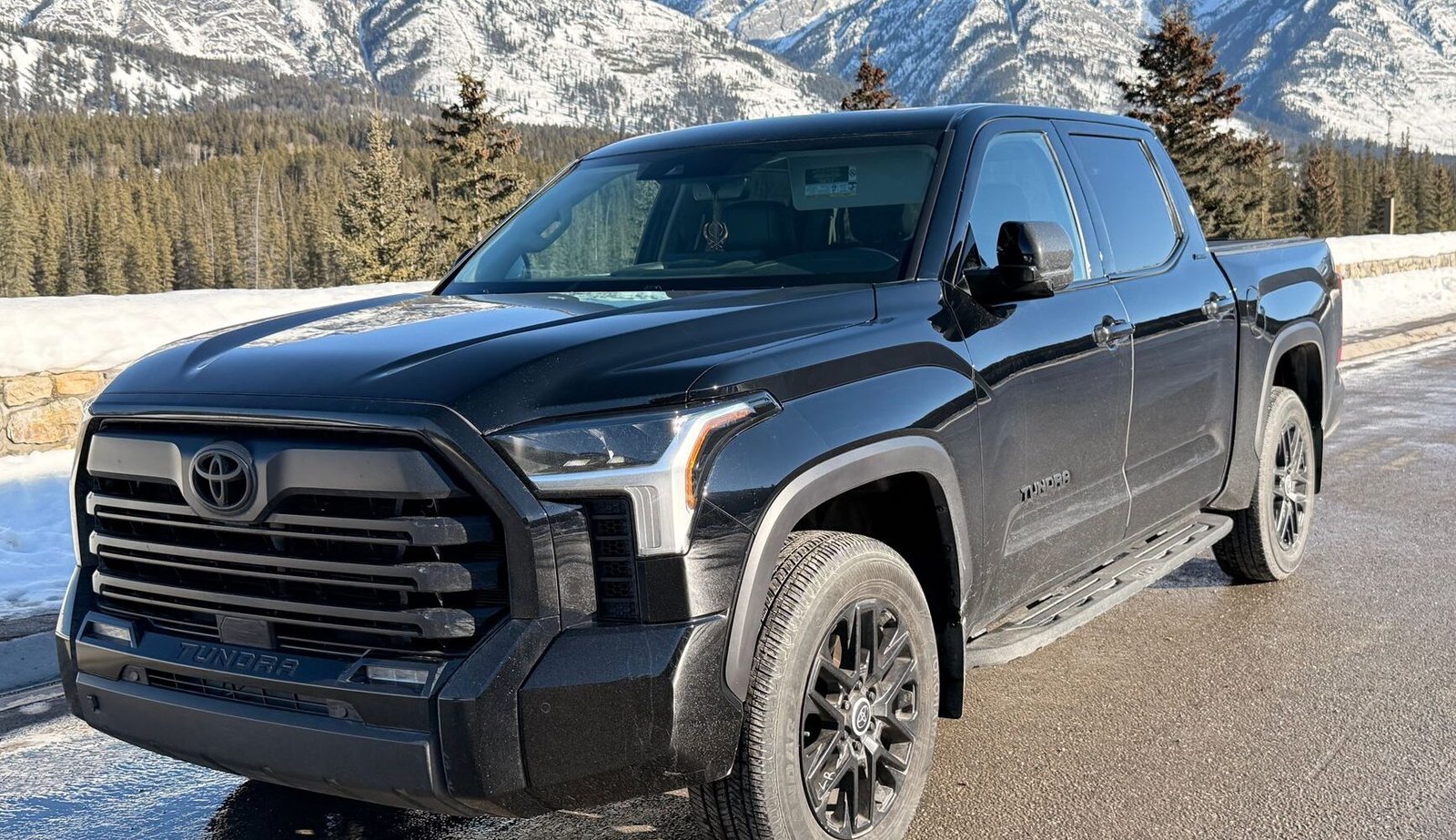
The Toyota Tundra represents a modern approach built on standard twin-turbo V6 power and a fully boxed steel frame. Eliminating the traditional V8 in favor of turbocharged and hybrid V6 powertrains, the Tundra delivers immediate throttle response and robust low-end torque. Its rear coil-spring setup improves everyday chassis control, while the interior features durable switchgear and massive infotainment displays designed for easy operation with work gloves.
Selecting the right full-size pickup truck configuration
Finalizing a purchase comes down to matching truck specifications to daily routine. Crew cabs with short beds dominate sales because they balance family space with garageability, but buyers who haul full sheets of plywood or long gear regularly should consider a standard bed length. Engine choice should reflect annual mileage and towing frequency; high-mileage highway towers benefit from diesel efficiency, while casual drivers doing mixed duties will find standard turbocharged gas engines optimal. Choose based on daily functionality rather than top-tier specification sheets.
Technology integration in full-size pickups
The modern full-size pickup truck is no longer just a workhorse; it has evolved into a sophisticated vehicle equipped with cutting-edge technology that enhances performance, safety, and overall driving experience. From advanced driver-assistance systems (ADAS) to connectivity features that enable seamless integration with smartphones, today’s pickups are redefining what it means to be a truck owner.
One of the most significant advancements in full-size pickups is the integration of ADAS. Features such as adaptive cruise control, lane-keeping assist, and automatic emergency braking are now common in many models. For instance, the Ford F-150 offers the Co-Pilot360 suite, which includes these features and more, promoting safer driving not just for the truck occupants but also for others on the road. This suite has proven to reduce accident rates, making it a crucial consideration for potential buyers.
Another aspect of technology that has gained traction is the integration of towing and hauling assistance systems. The Chevrolet Silverado, for example, comes equipped with a trailer camera system that provides a 360-degree view around the vehicle, significantly aiding in safe maneuvering. This is particularly beneficial for first-time tower operators, as it minimizes blind spots and enhances visibility when navigating tight spaces. Furthermore, the Silverado’s advanced trailering app helps track the trailer’s weight and provides pre-departure checklists, ensuring that users are fully prepared for their journey.
Connectivity has also become a hallmark of modern full-size pickups. The Ram 1500 stands out with its Uconnect infotainment system, which not only offers navigation and music streaming but also integrates with various smart devices. This allows drivers to control home smart devices from their truck and even access vehicle diagnostics remotely. Such features are particularly appealing to tech-savvy consumers who prioritize connectivity in their daily lives.
Battery management systems are another technological leap that has been integrated into the latest models, particularly with the rise of electric and hybrid powertrains. The Ford F-150 Lightning, an all-electric version of the F-150, showcases this technology by allowing users to manage battery usage effectively and even use the truck as a power source for tools or appliances at job sites. This flexibility is a game-changer for contractors and outdoor enthusiasts who require reliable power on the go.
“The integration of technology in full-size pickups has transformed them into multi-functional vehicles, capable of handling both work and leisure with ease.”
Moreover, manufacturers are increasingly focusing on over-the-air updates, allowing owners to receive software enhancements and fixes without needing to visit a dealership. This ensures that the trucks remain up-to-date with the latest advancements in safety and infotainment technology, prolonging their lifespan and enhancing user satisfaction.
As full-size pickups continue to evolve, the incorporation of technology will likely play an even more significant role in shaping their future. Buyers should consider not just the powertrains and payload capacities, but also the technological features that can enhance their everyday driving experience. Understanding these advancements is crucial for making an informed purchase that aligns with both practical needs and lifestyle preferences.
Advanced towing technologies enhancing performance
Towing capacity is a critical factor for many pickup truck buyers. However, modern full-size pickups are not just about brute strength; they incorporate advanced technologies that significantly enhance towing performance and safety. These innovations can make a substantial difference for anyone who frequently hauls trailers, boats, or other heavy loads.
One of the most notable advancements is the integration of smart towing systems. For instance, Ford’s Pro Trailer Backup Assist allows drivers to easily reverse their trailers using a simple knob, drastically reducing the learning curve for those unfamiliar with trailer maneuvering. This system uses sensors to detect the direction of the trailer and automatically adjusts vehicle steering to guide the trailer into position.
Chevrolet and GMC have introduced similar features in their models. The Advanced Trailering System provides a comprehensive suite of tools to assist drivers, including an in-vehicle checklist, trailer profiles that store specific settings, and even a built-in trailer tire pressure monitoring system. This level of detail ensures that drivers are not only towing safely but also optimizing their vehicle’s capabilities based on the specific trailer being used.
Another significant advancement in towing technology is the use of high-definition cameras. Many full-size trucks now offer a 360-degree camera system, which provides a bird’s-eye view of the truck and trailer. This feature is invaluable for parking and navigating tight spaces, allowing drivers to see obstacles that would otherwise be outside their line of sight. Ram’s available Trailer 360-degree View Camera System exemplifies this, offering multiple camera angles to ensure complete awareness while towing.
Additionally, manufacturers are increasingly focusing on stability control systems that enhance towing safety. Advanced electronic stability control systems actively monitor the vehicle’s movement and can apply brakes to individual wheels when swaying is detected, thereby maintaining control of the truck and trailer. This technology is vital for preventing accidents and ensuring that heavy loads can be managed without compromising safety.
Moreover, the use of adaptive cruise control in towing scenarios has become more prevalent. Systems like Toyota’s Adaptive Cruise Control adjust the speed of the truck based on the distance to the vehicle in front. For those towing large loads, this feature can help maintain a safe following distance without requiring constant manual adjustments, making long hauls less stressful.
It’s also worth noting the role of engine technology in towing performance. The introduction of turbocharged engines in full-size pickups, such as the Ford F-150’s EcoBoost V6, provides the torque needed for heavy towing without sacrificing fuel efficiency. This allows drivers to tow substantial loads without the drawbacks of poor fuel economy, which is essential for those who use their trucks for both work and leisure.
Incorporating these advanced towing technologies into full-size pickups reflects the evolving needs of consumers. As the demand for versatility and safety in towing increases, manufacturers are rising to the challenge, ensuring that their vehicles are equipped to handle the complexities of modern towing.
As you evaluate full-size pickups, consider these technological advancements not only as conveniences but as essential tools that enhance the overall towing experience. The integration of smart systems, stability controls, and intelligent engine technologies not only makes towing safer but also more efficient and manageable for everyday use.
Exploring the capabilities of hybrid and electric options
The full-size pickup truck segment is undergoing a significant transformation, with manufacturers investing heavily in hybrid and electric technology. Traditionally dominated by gas-powered engines, these trucks are now embracing new technologies to enhance performance, efficiency, and sustainability. This shift not only reflects changing consumer preferences but also responds to increasing environmental regulations.
Among the front-runners in this space is the Ford F-150 Lightning, which has redefined what a pickup can be. With dual electric motors that provide instant torque, it accelerates from 0 to 60 mph in about four seconds, rivaling many sports cars. The Lightning offers a targeted range of up to 300 miles on a single charge, making it a viable option for daily drivers while still retaining the capability to tow up to 10,000 pounds. Its unique power management system allows users to power their homes during outages, showcasing the versatility of electric trucks.
Another noteworthy entry is the Rivian R1T, an all-electric pickup that caters to adventure enthusiasts. The R1T boasts a quad-motor all-wheel-drive system, enabling it to traverse rugged terrains with ease. With a range of over 300 miles and a towing capacity of 11,000 pounds, it merges utility with off-road capability. Additionally, the R1T includes innovative features such as a built-in kitchen and a gear tunnel for extra storage, appealing to outdoor lovers who need to haul equipment.
Chevrolet has also joined the electric pickup race with the Silverado EV, set to launch soon. This truck promises to deliver robust performance metrics, with a projected range of over 400 miles and a towing capacity exceeding 8,000 pounds. Its flexible Ultium battery architecture allows for rapid charging and configurable power outputs, catering to a wide range of consumer needs.
For those who prefer hybrid options, the Toyota Tundra Hybrid offers a compelling choice. Combining a twin-turbo V6 engine with an electric motor, it delivers both power and efficiency. With a towing capacity of up to 12,000 pounds and an EPA-estimated fuel economy of 20 mpg city and 24 mpg highway, the Tundra Hybrid provides a balanced solution for buyers looking for a capable yet environmentally friendly pickup.
The increasing presence of hybrid and electric trucks in the market raises important considerations for buyers. These vehicles often come with incentives at the federal and state levels, which can help offset initial costs. However, potential buyers should also consider the availability of charging infrastructure, especially if they plan to use their trucks for work or long trips.
“As manufacturers push toward electrification, buyers can expect improvements in performance, technology, and environmental impact, making these vehicles more attractive than ever.”
In conclusion, the evolution of hybrid and electric full-size pickup trucks is changing the landscape of the market. These vehicles not only meet the demands for power and utility but also embrace the growing need for sustainability. As more options become available, consumers will have the opportunity to choose pickups that align with their lifestyle and values, without compromising on performance.
Related reading: The premier crossovers and SUVs for effortless long-distance travel, and The best midsize family SUVs for every priority. For an outside reference on this topic, see Consumer Reports' car-buying advice.


2 Responses