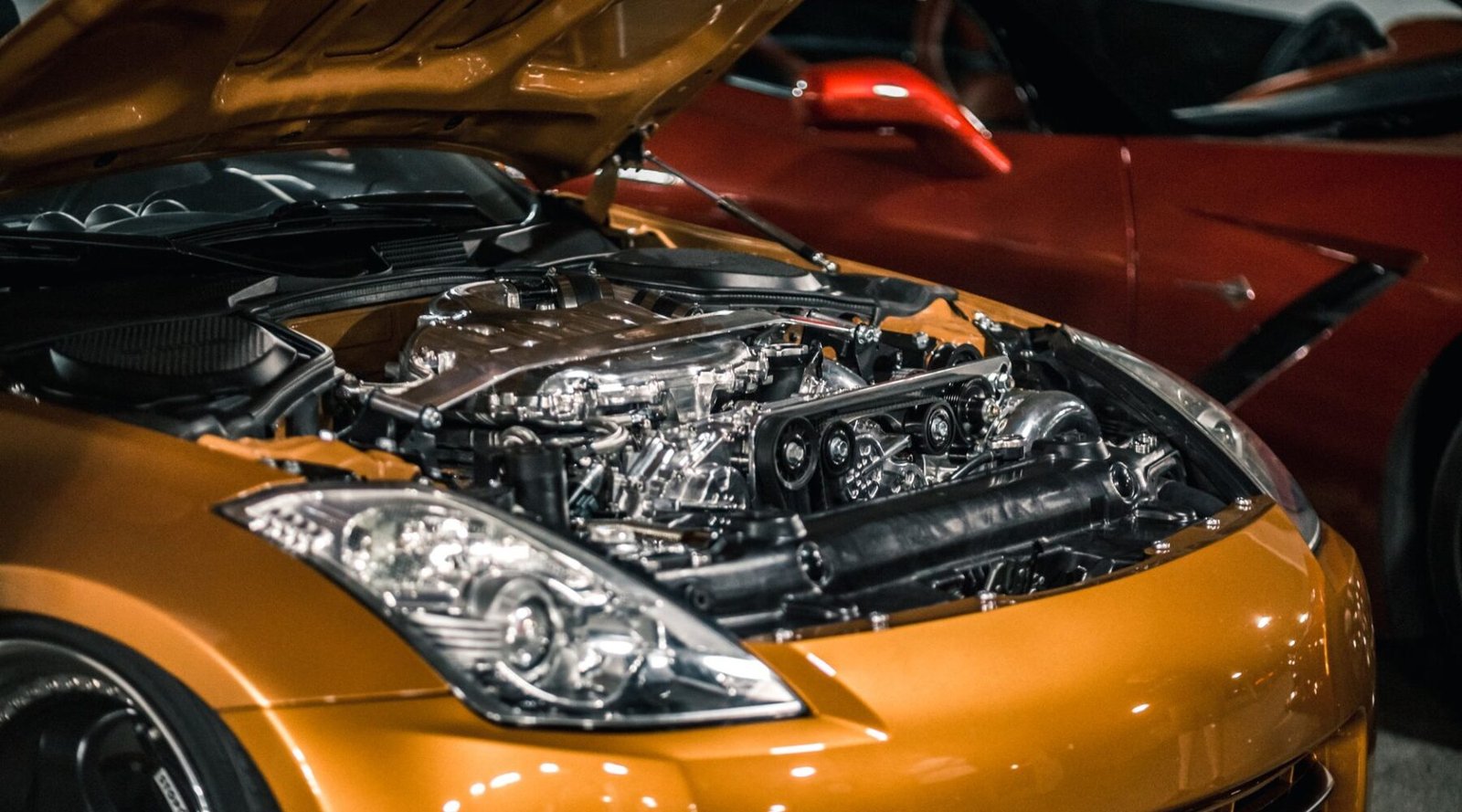
The automotive market has shifted dramatically over the past five years. Prices have climbed, electronic power steering has dulled mechanical feedback, and electrification has added weight. Yet, the $50,000 threshold remains a sweet spot for real performance. At this price point, manufacturers cannot rely on pure brute-force horsepower or exotic materials. They must engineer balance, chassis feedback, and mechanical engagement into every component.
Pure dynamic purity on a budget
The Subaru BRZ tS and Toyota GR86 remain the benchmark for lightweight, rear-wheel-drive sports cars. Priced well under $35,000, these sister cars deliver an experience that many $80,000 sports coupes fail to replicate. With a low center of gravity from the flat-four engine and a curb weight under 2,850 pounds, chassis balance takes priority over outright power. The manual transmission offers direct engagement, while the revised suspension on the tS trim sharpens turn-in without sacrificing daily usability. For drivers who value cornering feedback above quarter-mile times, nothing else under $50,000 offers this level of connection.
Rally-bred traction and practical speed
When weather conditions deteriorate or roads turn technical, the Toyota GR Corolla and Honda Civic Type R dominate the sub-$50,000 space. Toyota engineered the GR Corolla specifically for enthusiasts, dropping a 300-horsepower turbocharged three-cylinder engine into a rigid hatchback bodyshell. The GR-Four all-wheel-drive system allows the driver to split torque distribution manually between the front and rear axles, yielding exceptional traction on low-grip surfaces.
Honda takes a different path with the Civic Type R. Despite routing 315 horsepower through the front wheels alone, the Type R uses a dual-axis front suspension and a helical limited-slip differential to eliminate torque steer. Its shift feel remains the gold standard for manual transmissions at any price point. On a closed circuit, the Type R sets lap times that rival dedicated sports cars costing twice as much, proving that front-wheel drive is no barrier to world-class track capability.
Classic layout and atmospheric V8 power
For buyers seeking broad-chested American muscle paired with modern sports car handling, the Ford Mustang GT stands alone under $50,000. Powered by a naturally aspirated 5.0-liter V8 delivering 486 horsepower in Performance Package trim, the Mustang GT offers an engine note and top-end pull that turbocharged four-cylinders simply cannot match.
With the current Generation 7 updates, Ford refined the Mustang chassis, steering rack, and interior ergonomics. The optional MagneRide damping system continuously adjusts shock firmness to body inputs, transforming the car from a highway cruiser into a capable track vehicle. It represents the last of a vanishing breed: a naturally aspirated, rear-drive V8 coupe with an available six-speed manual gearbox.
Value in performance cars is not measured purely by speed, but by the quality of interaction between driver, controls, and tarmac.
Choosing among these vehicles depends on driving environment and personal priorities. The GR86 excels on tight backroads, the Civic Type R rules the track, the GR Corolla handles all seasons, and the Mustang GT delivers unyielding V8 muscle. Each vehicle proves that driver engagement remains alive and accessible under the $50,000 line.
Exploring the value of performance packages and options
When considering a performance car under $50,000, it’s not just the base price that matters, but also the available performance packages and options that can significantly enhance the driving experience. Many manufacturers offer upgrades that can elevate an otherwise standard model into a thrilling machine, providing a customized feel that caters to specific driving preferences. Here’s a closer look at a few standout options that can maximize your performance investment.
One of the most compelling examples comes from Ford with the Mustang EcoBoost. The base model starts at a reasonable price, but opting for the Performance Package, which adds features like a larger rear spoiler, upgraded brakes, and a limited-slip differential, transforms the driving dynamics. The package costs around $4,000, making the total near $40,000, which still leaves room for other options. This investment in performance not only increases the car’s track capability but also enhances everyday driving satisfaction with improved handling and responsiveness.
Chevrolet’s Camaro offers a similar scenario. The 2LT trim, priced around $30,000, can be upgraded with the 1LE Track Package. This package is particularly beneficial for enthusiasts, as it includes a performance suspension, better tires, and enhanced cooling, all for approximately $7,000. For a total cost of $37,000, drivers get a vehicle that shines on racetracks and winding roads alike, showcasing how performance options can redefine a car’s potential.
The Honda Civic Type R, while slightly above the $50,000 mark in some configurations, is worth mentioning for its extensive performance options. The base model is about $38,000, but adding features like the carbon fiber exterior trim and upgraded braking system can push that price up while significantly enhancing the car’s aesthetic and handling. These options create a more engaging driving experience, allowing for fine-tuning of the car to match personal preferences.
Moreover, the Toyota GR86, which starts around $30,000, can be equipped with various performance options that emphasize its sporty character. Upgrades like a performance exhaust system and a sport-tuned suspension can be added for a few thousand dollars, enhancing both performance and sound, which are crucial for driving enthusiasts. This investment in performance options can lead to a more thrilling and personalized driving experience without breaking the bank.
It’s also essential to consider the long-term value of performance packages. Many of these upgrades not only improve driving pleasure but can also enhance resale value. Cars like the Subaru WRX, particularly when equipped with the Performance Package, often retain their value well due to their reputation for performance and reliability. This aspect can be a significant factor when choosing how to invest in your vehicle.
In conclusion, while the initial price tag of a performance car is important, the value offered by performance packages and options can significantly enhance the overall experience and satisfaction. By carefully selecting these upgrades, buyers can create a personalized driving experience that aligns with their performance goals and preferences, making their investment in a performance car truly worthwhile.
Performance upgrades and aftermarket potential
The allure of performance cars extends beyond their factory specifications. For many enthusiasts, the potential for upgrades and personalization is a significant part of the ownership experience. When considering the best new performance cars under $50,000, it’s essential to evaluate not just their stock capabilities but also how they can be enhanced through aftermarket modifications.
Take the Ford Mustang EcoBoost, for example. Priced starting around $30,000, it combines a turbocharged four-cylinder engine with accessible handling. Enthusiasts have a wealth of aftermarket parts available, from high-performance exhaust systems to tuning kits that can push the 2.3-liter engine’s output well beyond 300 horsepower. Brands like Cobb Tuning and Steeda offer tuning solutions that can significantly improve throttle response and acceleration without compromising reliability.
Another standout is the Subaru WRX, which starts just below $30,000. Its all-wheel-drive system and turbocharged flat-four engine make it a favorite among rally enthusiasts. The WRX has a vibrant aftermarket community, with options for suspension upgrades, performance intercoolers, and even engine swaps for those who want to push the limits further. For example, a simple boost controller can elevate the power output significantly, transforming the driving experience without a full engine rebuild.
The Hyundai Veloster N, priced around $34,000, comes equipped with a potent turbocharged engine and a track-oriented chassis. Hyundai has embraced the performance market with the Veloster N, and its aftermarket support is growing. From larger turbochargers to performance brakes, the potential for upgrades is substantial. Additionally, the Veloster N features a customizable exhaust system that allows drivers to adjust the sound and performance characteristics to their liking, adding another layer of personalization.
One of the most significant considerations when exploring performance upgrades is the balance between enhancing capability and maintaining daily usability. The Honda Civic Si, priced under $30,000, provides a solid platform for both. With its 1.5-liter turbocharged engine and agile handling, many owners opt for coilover suspension kits that improve ride comfort and handling. Brands like H&R and KW offer suspension solutions that maintain the Civic’s practicality while enhancing its performance on the track.
Moreover, engaging with the aftermarket community can offer insights into what’s feasible for your vehicle. Online forums and social media groups dedicated to specific models provide a wealth of knowledge from fellow enthusiasts. They share their experiences with different modifications, helping new owners avoid common pitfalls and maximize their performance upgrades.
It’s also worth noting the importance of warranty considerations when pursuing aftermarket modifications. Many manufacturers offer performance packages that allow for upgrades without voiding the warranty. For instance, the Toyota GR86 has a TRD performance package available, which enhances its capabilities while still providing manufacturer support. This route can provide peace of mind for those who want improved performance without the risk of warranty issues.
As you explore the potential of these performance cars, remember that the best upgrades are those that align with your driving style and needs. Consider how you will use the car and what aspects of performance matter most to you—be it acceleration, handling, or comfort—before diving into modifications.
Ultimately, the best new performance cars under $50,000 not only offer thrilling driving experiences straight from the showroom but also possess the potential for upgrades that can elevate their performance even further. Whether you’re looking for enhanced speed, better handling, or a more engaging driving experience, the aftermarket world is ripe with possibilities, making your vehicle uniquely yours.
Aftermarket support and customization potential
When considering a performance car, the aftermarket support available for a model can significantly enhance the ownership experience. Enthusiasts often seek ways to personalize and improve their vehicles, and a robust aftermarket community can provide endless possibilities for upgrades and modifications. This section highlights how different performance cars under $50,000 stack up in terms of aftermarket potential, offering guidance on which models provide the best platforms for customization.
The Ford Mustang, for instance, is a well-established player in the performance car realm, known not only for its powerful engine options but also for its extensive aftermarket support. From supercharger kits to exhaust systems and suspension upgrades, Mustang owners have access to a wealth of options that can elevate both performance and aesthetics. Companies like Steeda and Roush offer performance packages that can boost horsepower significantly, allowing owners to tailor their vehicles to their specific needs.
On the other hand, the Subaru WRX stands out for its rally heritage and the enthusiastic community that surrounds it. With a strong focus on performance tuning and off-road capabilities, the WRX has a plethora of aftermarket parts available. Brands like Cobb Tuning and AEM specialize in performance upgrades, including ECU tuning and intake systems that can unlock additional power. The WRX’s all-wheel-drive system also presents unique opportunities for off-road modifications, making it a versatile choice for those who wish to explore different terrains.
Another noteworthy mention is the Honda Civic Si, which has built a reputation for its balance of performance and practicality. The Civic Si’s lightweight chassis and responsive handling make it a favorite among tuners. Aftermarket suppliers like HKS and Koni offer suspension kits and performance exhausts that can make a significant difference in driving dynamics. The Civic community is known for its DIY spirit, meaning owners can easily find forums and groups sharing tips on how to maximize their car’s performance without breaking the bank.
“The right aftermarket parts can transform a good performance car into a great one, allowing owners to express their unique style and performance preferences.”
For those considering the Volkswagen GTI, it’s hard to overlook the extensive aftermarket ecosystem that supports this hatchback. Known for its fun-to-drive nature, the GTI also benefits from a strong community of enthusiasts who have developed a variety of performance enhancements. Brands like APR and Unitronic offer tuning software that can increase power output significantly, while companies like Bilstein provide suspension kits that enhance handling. The GTI’s compatibility with various performance parts makes it a prime candidate for those looking to push the envelope.
Finally, the Chevrolet Camaro, particularly the turbocharged four-cylinder variant, is another strong contender in the performance car market under $50,000. With a wide range of aftermarket options available, from performance exhausts to upgraded turbochargers, Camaro owners have ample opportunities to increase power and improve the driving experience. The strong performance culture surrounding the Camaro ensures that new buyers can tap into an existing network of resources and expertise.
In conclusion, while performance specifications are critical when selecting a new car, the importance of aftermarket support cannot be overlooked. Cars like the Ford Mustang, Subaru WRX, Honda Civic Si, Volkswagen GTI, and Chevrolet Camaro offer not just thrilling performance out of the box but also a pathway to personalization and enhanced driving experiences through aftermarket modifications. Investing in a model with a vibrant aftermarket community can ensure that the car remains enjoyable and relevant long after the initial purchase.
Related reading: Long-Term Update: 40,000 Miles in a Compact Hatchback, and First Drive: The Solari EV-9 Doesn’t Try to Be Clever, and That Works in Its Favor. For an outside reference on this topic, see the EPA's official fuel economy database.



1 Response